Prof. İsmail Kara discussed debates on secularization in Türkiye
Prof. İsmail Kara, who participated as the guest speaker at the third session of the Roundtable Meetings held at Istanbul Medipol University, evaluated the historical background of debates on secularization in Türkiye and examined the transformation of state–religion relations from the Ottoman era to the Republican period.
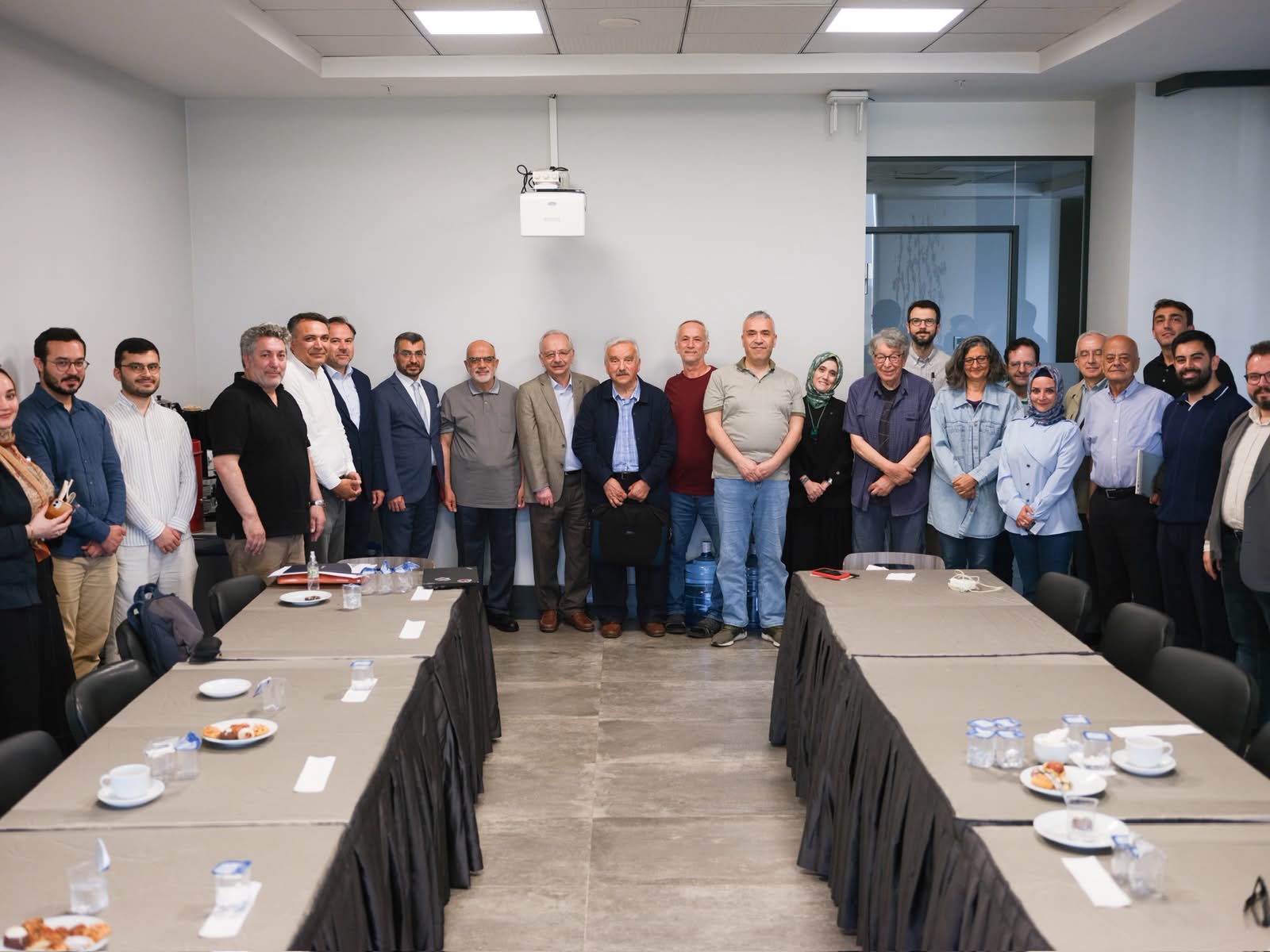
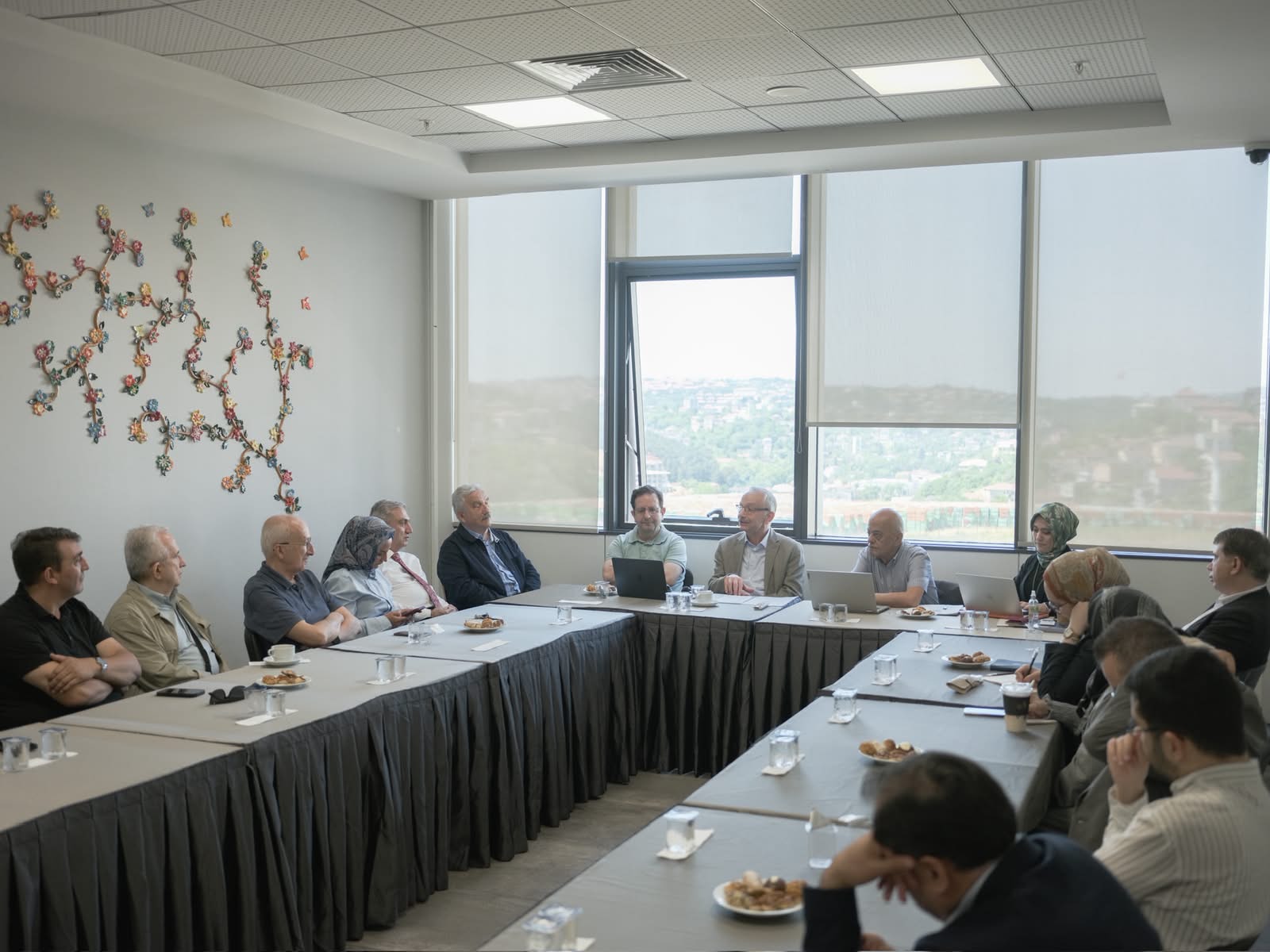
As part of Roundtable Meetings III, organized by the Department of Political Science and Public Administration within the School of Humanities and Social Sciences at Istanbul Medipol University, an event entitled “Discussing Secularization in Türkiye” explored the historical development of secularization as it has evolved and been experienced through the understanding of laicism in Türkiye, as well as its social implications and the transformation of state–religion relations. The event, held at the South Campus, featured author Prof. İsmail Kara as the keynote speaker. Drawing attention to the conceptual and historical dimensions of debates on secularization as experienced through laicism in Türkiye, Kara discussed the social manifestations of secularization and the ways in which the relationship between religion and modernity has been redefined across different historical periods.
“LAICISM AND SECULARIZATION MUST BE CONSIDERED TOGETHER”
In his remarks, Prof. İsmail Kara emphasized that a sound conceptual framework is essential for conducting meaningful discussions on laicism and secularization. He argued that the concepts of laicism, secularity, and religious secularity should be examined together.
Kara stated that interpretations claiming the Ottoman Empire possessed a secular structure are historically difficult to defend. According to him, such approaches seek both to establish a historical precedent for contemporary practices of laicism in Türkiye and to preserve existing interpretations of laicism. He noted that the first signs of secularization within the Ottoman Empire emerged in the late eighteenth century with the establishment of military engineering schools and modern educational institutions. While Western scholars have described this period as a process of “secular schooling,” Kara argued that this interpretation can only be considered partially accurate.
Kara further explained that the emergence of modern educational institutions also gave rise to a new understanding of religiosity. During this period, efforts to reconcile religion and modernization became increasingly visible. He emphasized that, historically, Sunni Islamic thought did not separate the concepts of state and religion, a point that remains important for understanding contemporary debates on laicism in Türkiye.
“IT WAS NEVER SAID THAT THE TURKISH STATE HAS NO RELIGION”
Kara stated that even during periods in which policies of laicism were implemented most intensively in the Republic, no discourse was adopted that sought to sever entirely the relationship between the state and religion. He noted that no official authority ever declared, “The Turkish state has no religion.”
According to Kara, the primary reason for this was the lack of public acceptance for such an approach. He argued that in Türkiye, religion and laicism have often been interpreted not as mutually exclusive concepts but as elements capable of coexisting.
Referring to religious and political discourses that emerged from the mid-nineteenth century onward and were subsequently reproduced in various forms, Kara pointed out that expressions such as “Our Constitution is the Qur’an” are products of the modern era. Although such statements may initially appear to represent purely religious demands, he argued that they should instead be understood as part of broader efforts within the Islamic world to reconcile religion with modernity.
DRAWING ATTENTION TO THE CONSTITUTIONAL JOURNEY OF LAICISM
Kara reminded participants that the principle of laicism was incorporated into the Constitution of the Republic of Türkiye in 1937, while the provision stating that “The religion of the state is Islam” had been removed from the Constitution in 1928.
He stressed that the Republic of Türkiye should be evaluated within the context that emerged following the abolition of the Caliphate and further noted that the concept of an “Islamic state” is itself a modern historical construct.
Kara also addressed the issue of religious education in Türkiye, noting that Religious Culture and Ethics courses, Imam Hatip schools, and schools of theology all operate within the framework of the secular system. For this reason, he argued that the nature and role of religious education in Türkiye warrant further reflection and discussion.
The event, which attracted considerable interest from both academic staff and postgraduate students, concluded with calls for the subject to be explored further through interdisciplinary perspectives and with proposals for new areas of discussion inspired by the issues raised during the meeting.
Last Update Date: 09/06/2026 - 17:05