TÜSEB supports Medipol research projects from parkinson’s disease to cancer studies
Six research projects led by researchers from Istanbul Medipol University have been selected for funding by the Turkish Health Institutes Presidency (TÜSEB). Focusing on amyotrophic lateral sclerosis (ALS), prostate cancer, glioblastoma, neurogenic bladder, breast cancer, and Parkinson’s disease, the projects aim to develop innovative solutions across a broad spectrum of health sciences.
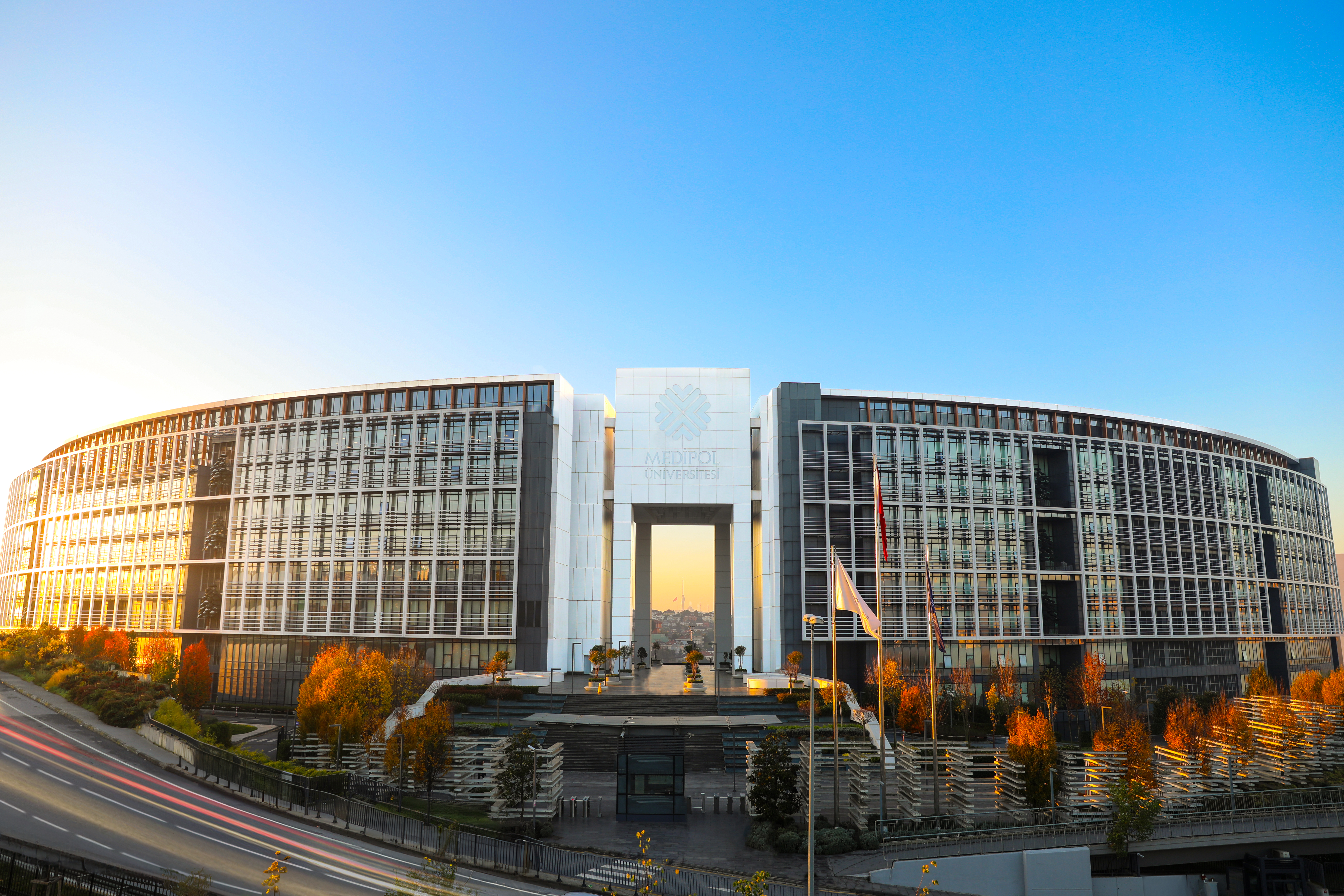
Six projects conducted by researchers from Istanbul Medipol University have been awarded funding under the 2026 research support programs administered by the Turkish Health Institutes Presidency (TÜSEB).
The projects, which will be carried out within the School of Engineering and Natural Sciences, the Institute of Health Sciences, the School of Health Sciences, and the Vocational School of Health Services, will pave the way for scientific research in a wide range of fields, from bioengineering and molecular medicine to physiotherapy, rehabilitation, and cancer research.
FIVE PROJECTS SUPPORTED UNDER TÜSEB’S CATEGORY A CALLS
Five projects led by researchers from Istanbul Medipol University were selected for funding under TÜSEB’s 2026 Category A Calls.
Among these, the project entitled “Targeted Delivery of Edaravone to Neurons via RVG-Functionalized Exosomes: Evaluation in a SOD1-G93A Amyotrophic Lateral Sclerosis (ALS) in Vitro Model” led by master’s student Aref Khalkhali, aims to develop bioengineering-based approaches for the treatment of ALS.
Doctoral student Ayten Güner Atayoğlu’s project, entitled “Investigation of the Efficacy and Safety of Propolis in Biochemically Recurrent Prostate Cancer Following Radical Prostatectomy” focuses on prostate cancer, while doctoral student Sümeyra Mengüç Emir’s study, “Intratumoral Heterogeneity and Temozolomide Resistance in Glioblastoma: How the Population of Resistant Cells Modulates Treatment Response in Sensitive Cells Within Three-Dimensional Assembloid Systems” will investigate mechanisms of treatment resistance in brain tumors.
Other projects supported under the Category A Calls include Assoc. Prof. Pınar Kaya Sarıbaş’s study entitled “Development of a Non-Invasive Wearable Vibrotactile Neuromodulation System (UroVibe) for Neurogenic Bladder: Pilot Evaluation of Intelligent Clinical Monitoring and Long-Term Approaches” as well as Lecturer Semiha Merve Nur Evren’s research project entitled “Protein Interactions of Adipose-Derived Mesenchymal Stem Cells/Conditioned Medium in an Explant Culture Model of Triple-Negative Breast Cancer”.
AI-SUPPORTED PROJECT BY ASSOC. PROF. SARIBAŞ RECEIVES B3 FUNDING
The project entitled “Clinical Validation and Telehealth Integration of an Artificial Intelligence-Supported Wearable Smart Cueing System for the Management of Freezing Episodes in Parkinson’s Disease” led by Assoc. Prof. Pınar Kaya Sarıbaş from the Department of Physiotherapy and Rehabilitation within the School of Health Sciences, was selected for funding under TÜSEB’s 2026-B3-01 Call.
The project aims to develop artificial intelligence-supported wearable technologies for managing freezing episodes, a common symptom experienced by patients with Parkinson’s disease, and to integrate these systems into telehealth applications. The study seeks to evaluate the clinical validity of the proposed system and demonstrate its potential application within rehabilitation processes.
The projects supported by TÜSEB are expected to contribute to the generation of scientific knowledge in the field of health, support the development of innovative diagnostic, treatment, and rehabilitation approaches, and strengthen the national research ecosystem.
Last Update Date: 09/06/2026 - 16:55