The University’s intellectual role and academic freedom debated
At the inaugural meeting of the Roundtable Meetings organized at Istanbul Medipol University, the opportunities and challenges of the present age in the production of intellectual knowledge were examined. Intellectual knowledge production in a changing era, the new challenges faced by academia in the production, accumulation, and dissemination of knowledge, and the societal responsibility of universities were addressed comprehensively. The speakers drew attention to the marginalization of critical and analytical thinking in an age marked by accelerating digital and technological developments, emphasizing that this process erodes the normative framework within which universities operate.
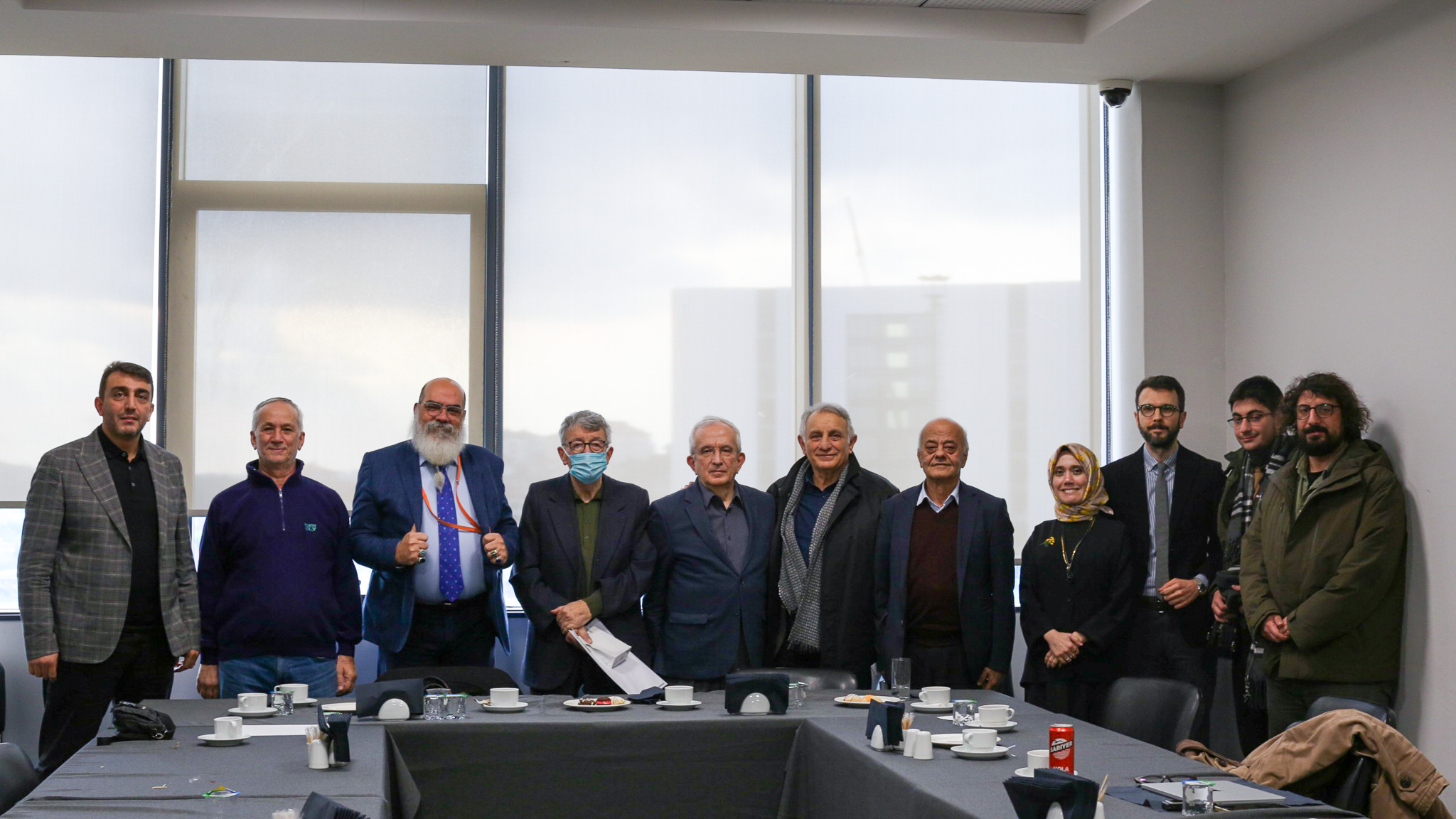
Held under the title “Intellectual Knowledge Production and Accumulation” as part of the “Roundtable Meetings 1,” organized by the Department of Political Science and Public Administration within the Istanbul Medipol University School of Humanities and Social Sciences, the event explored the implications of digitalization for freedom of expression and the sphere of intellectual responsibility in academia, as well as the transformation of universities in this context. The meeting, which took place at the South Campus Conference Hall, featured Former Member of the Grand National Assembly of Türkiye and Economist Prof. Erol Katırcıoğlu and Head of the Department of Political Science and International Relations at Istanbul University Prof. Mehmet Öznur Alkan as speakers.
The event, organized in honor of Istanbul Medipol University Management Advisor Fahri Aral Onur, commenced with an address by the Dean of the School of Humanities and Social Sciences, Prof. Gökhan Malkoç.
PROF. MALKOÇ: THE UNIVERSITY GENERATES DEBATE AND QUESTIONS
In his speech, Prof. Gökhan Malkoç underscored that the fundamental function of universities is to question phenomena and generate hypothetical debates, noting that digital and technological opportunities have had predominantly adverse effects on the expansion of the academic sphere in Türkiye and globally. He recalled that ethics committees often focus primarily on methodological compliance, whereas such a highly mechanized structure does not exist at universal standards, and argued that ethics review processes fall short of enhancing the quality of scientific inquiry. Malkoç stated that these processes have evolved into bureaucratic practices prone to overreach, rather than mechanisms that support academic productivity.
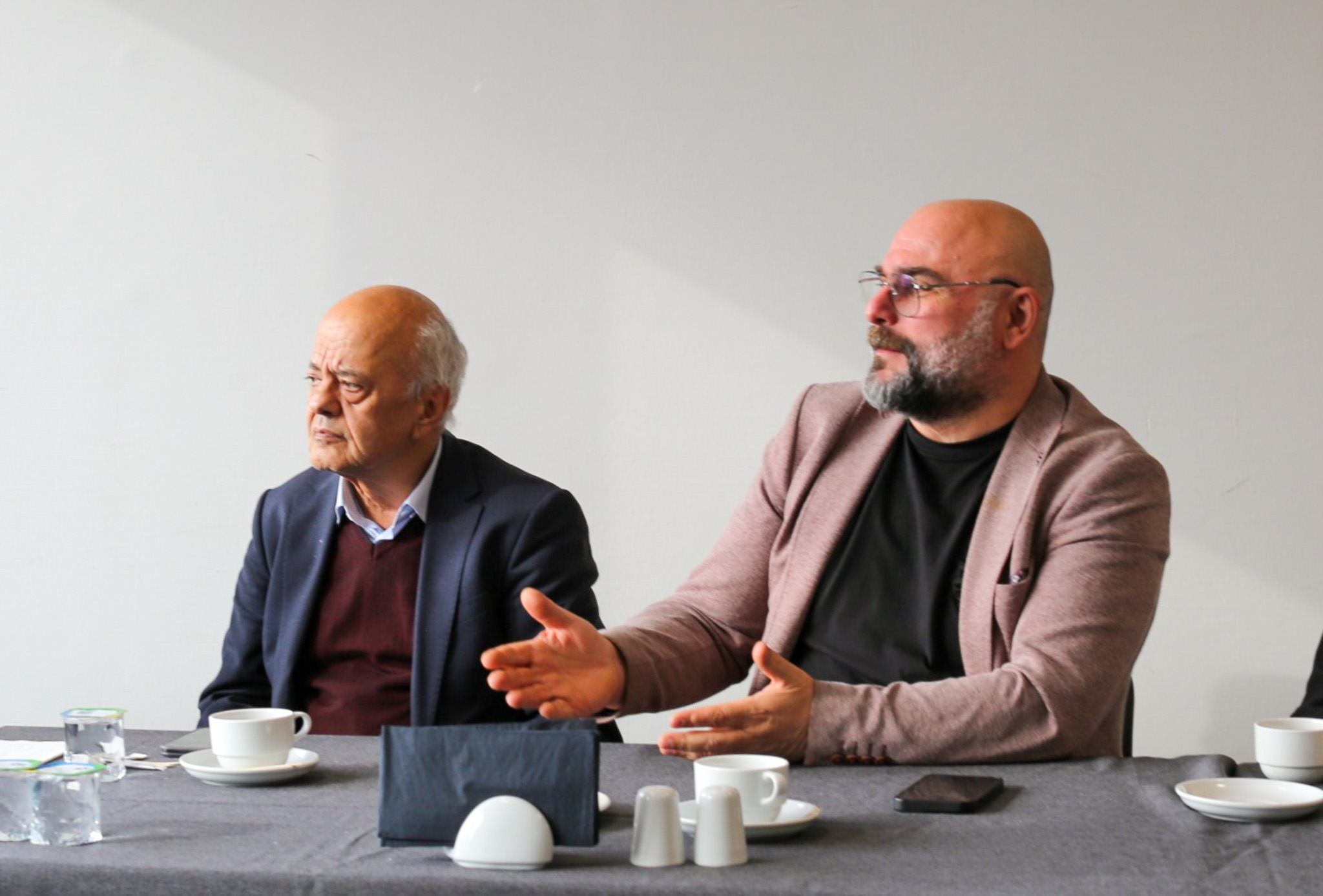
Emphasizing that the function of universities as institutions that “teach how to think correctly” has increasingly receded into the background, Malkoç observed that they have become confined within the framework of diploma-granting vocational schools.
Highlighting that this transformation has narrowed the sphere of analytical and critical contribution and productivity within universities, Malkoç remarked that the regression in the qualified utilization of human capital is more conspicuously observable in the case of Türkiye when compared to the global context.
Describing universities as spaces for learning the method of correct reasoning, Malkoç stated, “The university generates debate, questions, and, when necessary, questions its own point of arrival. This is not a new approach; it is the very essence of the university.” He further warned that the insufficient protection of freedom of expression even within universities would lead to more profound problems at the societal level.
PROF. ALKAN: WITHOUT CRITICAL THOUGHT, THERE IS NO INTELLECTUAL
Prof. Mehmet Öznur Alkan addressed the historical origins of the concept of the intellectual, noting that it is grounded in the notions of comprehension and perception, and therefore that critical thinking lies at the core of intellectuality.
Emphasizing the distinction between criticality and opposition in the construction of the concept of the “intellectual,” Alkan stated, “Being opposed to everything is not equivalent to being critical. Critical thinking is a method; opposition, when transformed into an unquestionable belief, leads one into error.” Drawing attention to the weakening of the master-apprentice relationship in academia, Alkan indicated that the increasing administrative workload in foundation universities constitutes a significant risk and challenge to strengthening academia’s function of cultivating human capital.
Referring also to the erosion of academic prestige, Alkan argued that the peer-review system has weakened, that academic titles whose numbers have increased uncontrollably are likewise used without adequate regulation, and that this situation harms the institution of the university.
Noting that libraries constitute the memory of the university, Alkan stated that a digital copy of every published book should be preserved in the National Library, emphasizing that this is of vital importance for information security and integrity in the digital age. In this respect, he remarked that beyond quantitative expansion, the preservation of academic archives is an equally critical priority in the establishment of new libraries, describing the contrary as “a tremendous loss.”
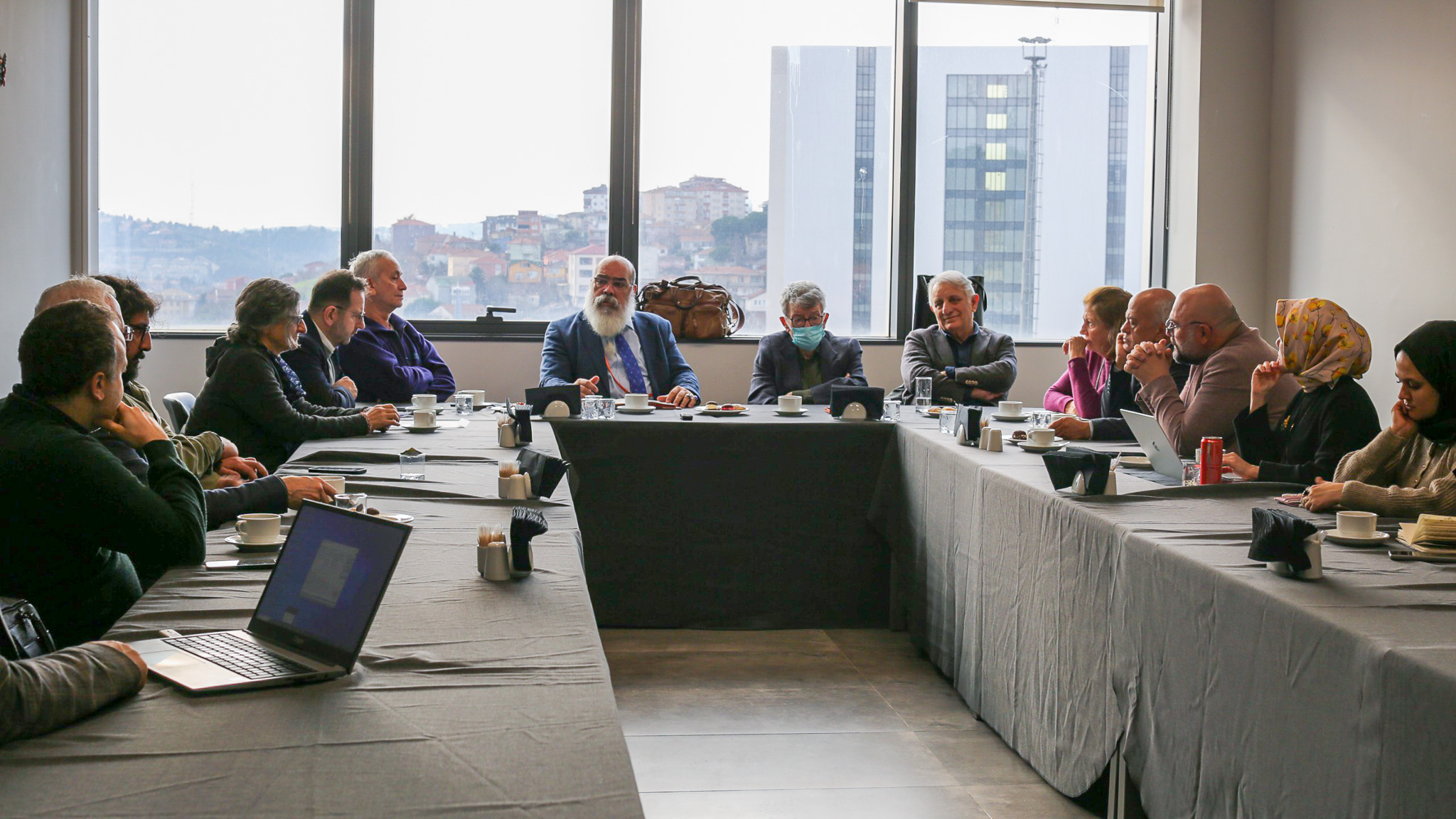
PROF. KATIRCIOĞLU: TO BE AN INTELLECTUAL IS NOT TO CONSENT TO WHAT EXISTS
Prof. Erol Katırcıoğlu pointed out that the concept of the intellectual is of Western origin and argued that it is often employed superficially in Türkiye. He stated that many individuals regarded as intellectuals in Türkiye exhibit serious deficiencies in terms of bearing costs and taking risks, and that this weakens intellectual accumulation. Sharing his academic experiences concerning issues such as the headscarf and the Kurdish question, Katırcıoğlu noted that discourses of freedom frequently lack a consistent foundation, stating, “There were periods when we were excluded by people with whom we believed we stood side by side.”
Drawing on examples from his youth and academic career, Katırcıoğlu expressed concern over universities being reduced to institutions that merely grant diplomas. “Not consenting to what exists is what makes a human being human” he remarked, emphasizing that at the foundation of intellectuality lies the courage to ask questions and to object. Stating that universities, within the process of globalization, have been compelled to add value to knowledge production, Katırcıoğlu argued that in certain negative instances, an economic profit-oriented focus has relegated correct reasoning and truth-based knowledge production to the background, thereby weakening the academic quality of the university. In this framework, he concluded, “If there is no research and no questioning, there is no university.”
The first meeting of the Roundtable Meetings concluded with discussions on the intellectual, ethical, and societal responsibilities of the university.
Last Update Date: 16/04/2026 - 10:47