Tanrıkulu completes EU-Funded COST Action Project: A new European perspective in career guidance
Assoc. Prof. Dr. Faik Tanrıkulu conducted an in-depth examination of career guidance within the framework of youth employment, migration, and digital transformation in Denmark, Austria, and Germany through a six-month Short-Term Scientific Mission carried out under the European Union’s COST program. Field observations covering three countries, academic collaborations, and EU project development activities generated concrete recommendations for rethinking career guidance with a focus on social justice and inclusivity.
Assoc. Prof. Dr. Faik Tanrıkulu, one of the administrators of the Istanbul Medipol University Office of the Ombudsperson for the Prevention of Discrimination and Equality, successfully completed the Short-Term Scientific Mission (STSM) titled “Reframing Careers: Critical Pathways for Inclusive and Resilient Career Guidance in Europe”, which was supported within the scope of the CA23112 – Critical Perspectives on Career and Career Guidance Action of the COST Action (European Cooperation in Science and Technology) program, an EU-funded international scientific networking initiative that brings researchers together.
Conducted between 1 May and 31 October 2025, the study presents a critical framework that does not reduce career guidance to individual preferences and competencies alone, but instead reconsiders it through the lenses of social justice, digital transformation, and migration.
FIELD AND POLICY ANALYSIS COVERING THREE EUROPEAN COUNTRIES
Hosted by the Germany-based BEFuN Institute (Institut für Bildung, Entwicklung, Forschung und Nachhaltigkeit e.V.), the STSM comparatively examined career guidance, youth employment, and the integration of migrants into the labor market in Germany, Denmark, and Austria. The study analyzed the extent to which career guidance and employment policies are shaped by principles of inclusivity, equal opportunity, and digital transformation. Particular attention was paid to the position of young people, migrants, women, and disadvantaged groups within labor markets.
DENMARK: VOLUNTARISM IN YOUTH EMPLOYMENT AND THE SCANDINAVIAN
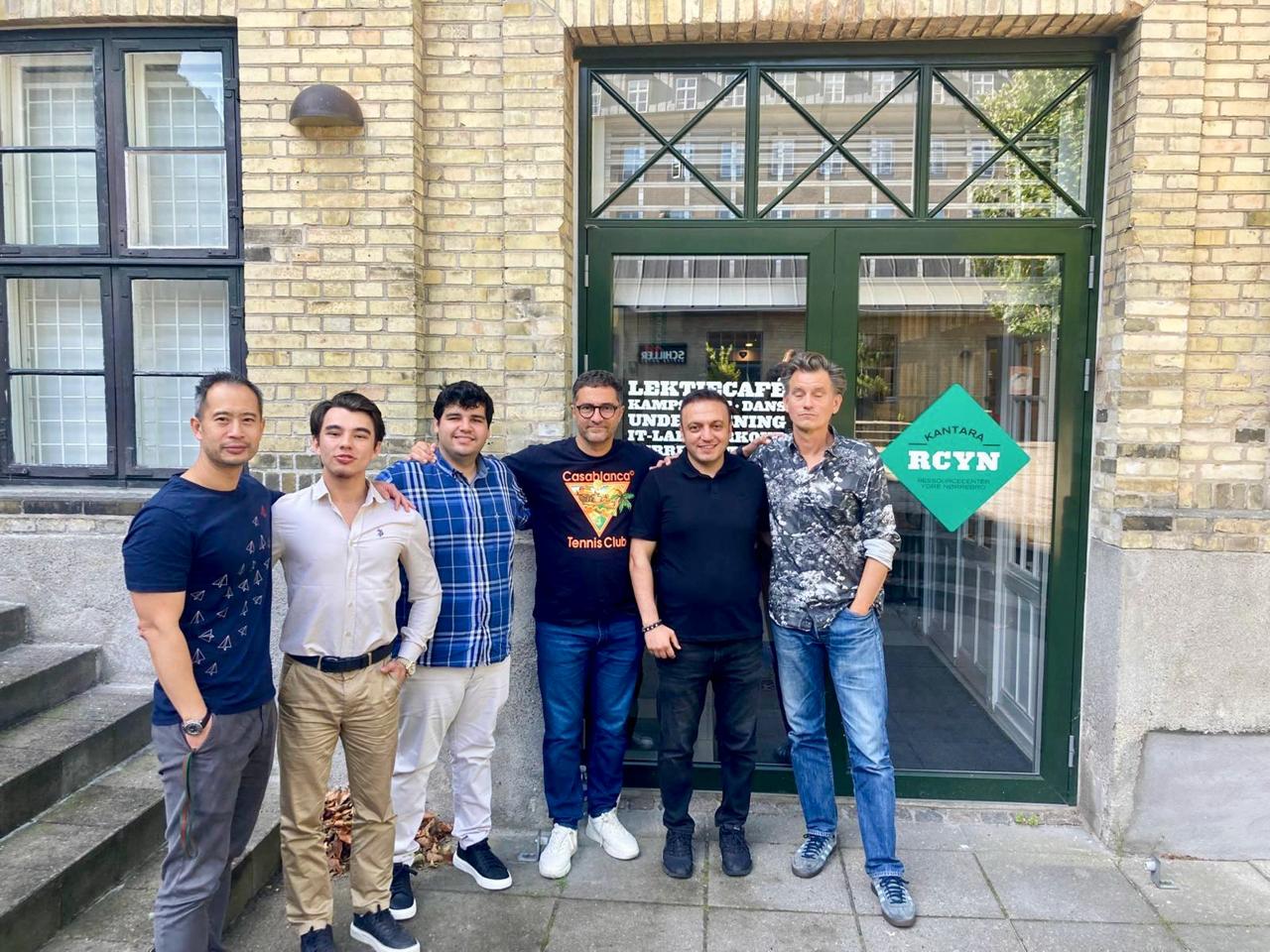
The Denmark phase of the STSM was carried out in Copenhagen between 1–3 September 2025 in cooperation with the Kantara Foundation. On-site observations focused on youth employment, migrants’ participation in social and economic life, and practices of digital social entrepreneurship.
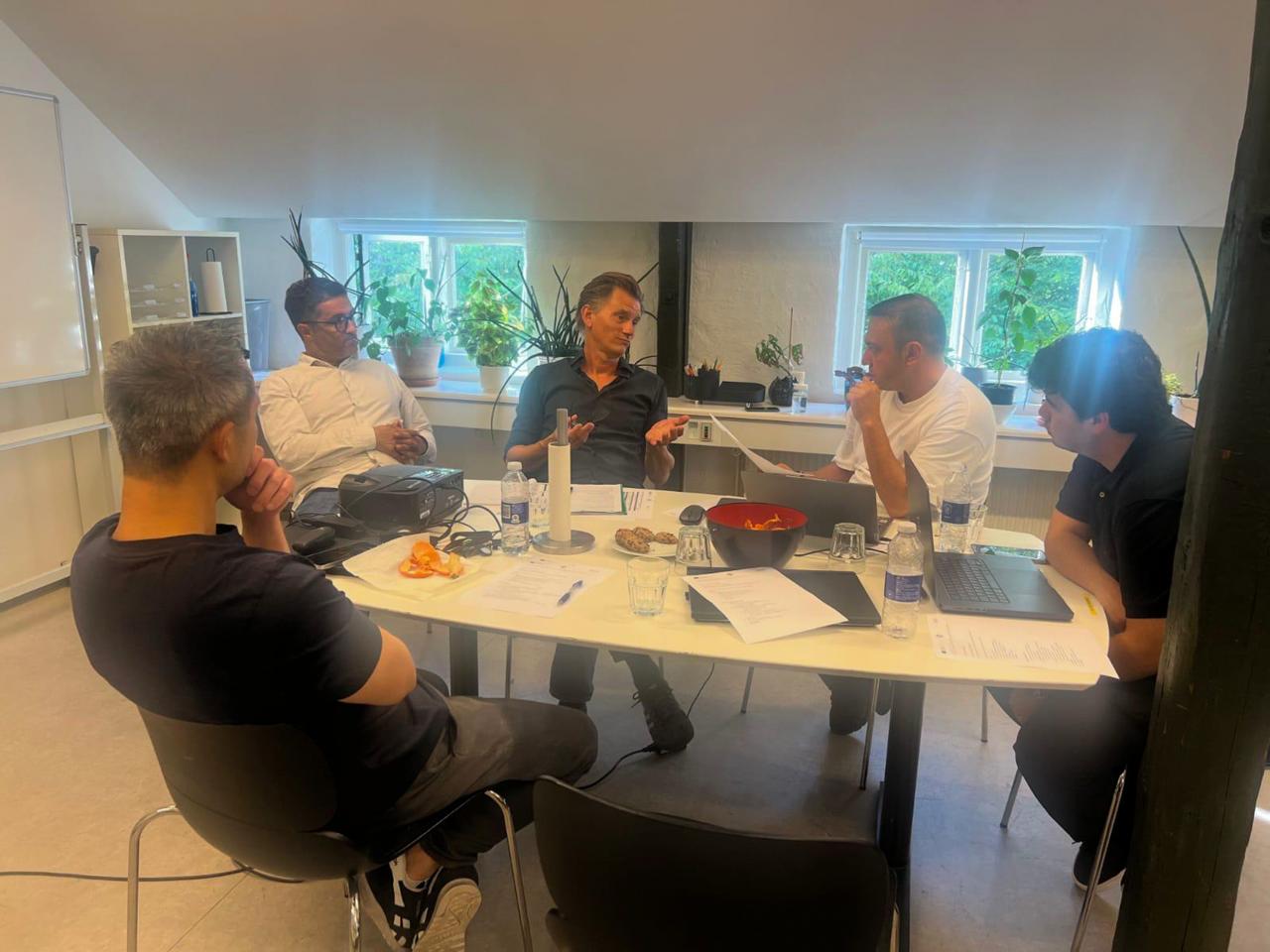
It was identified that the participatory and experience-oriented pedagogy distinctive to the Scandinavian educational approach reframes career guidance beyond mere “career choice,” linking it instead to lifelong learning, citizenship, and volunteering.
Troels Broholm Halse, Project Coordinator of the Copenhagen-based Kantara Association and a project stakeholder, expressed his satisfaction with the collaboration as follows:
“It was observed that Denmark’s widespread ‘culture of volunteering’ is systematically supported as a tool that strengthens both young people’s employability skills and their democratic participation. Within this framework, the ‘Folk High School’ model was analyzed as an innovative and transferable example of non-formal education that simultaneously fosters personal development, creativity, and civic awareness.”
VIENNA: INNOVATION ECOSYSTEMS AND YOUNG ENTREPRENEURS
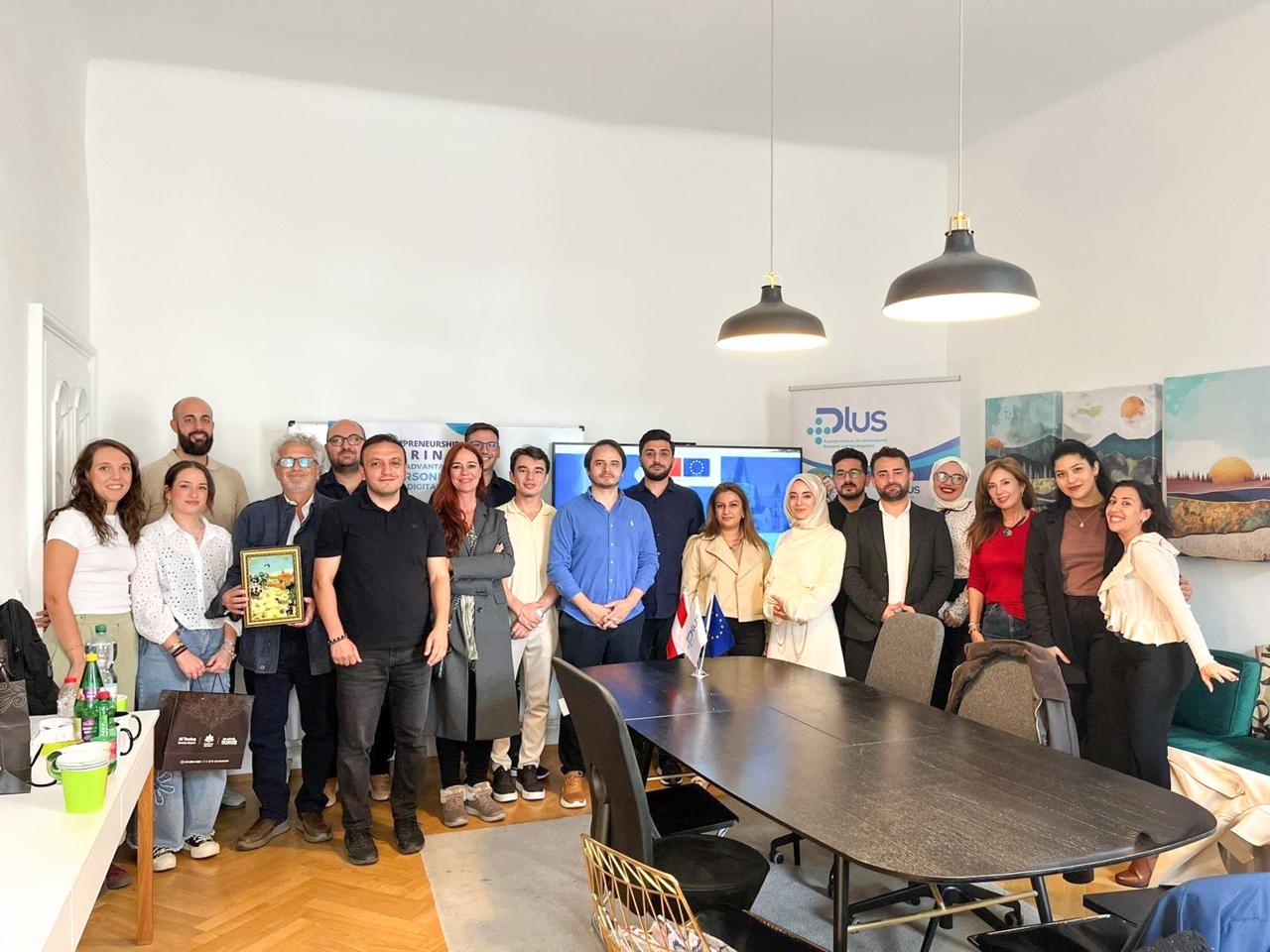
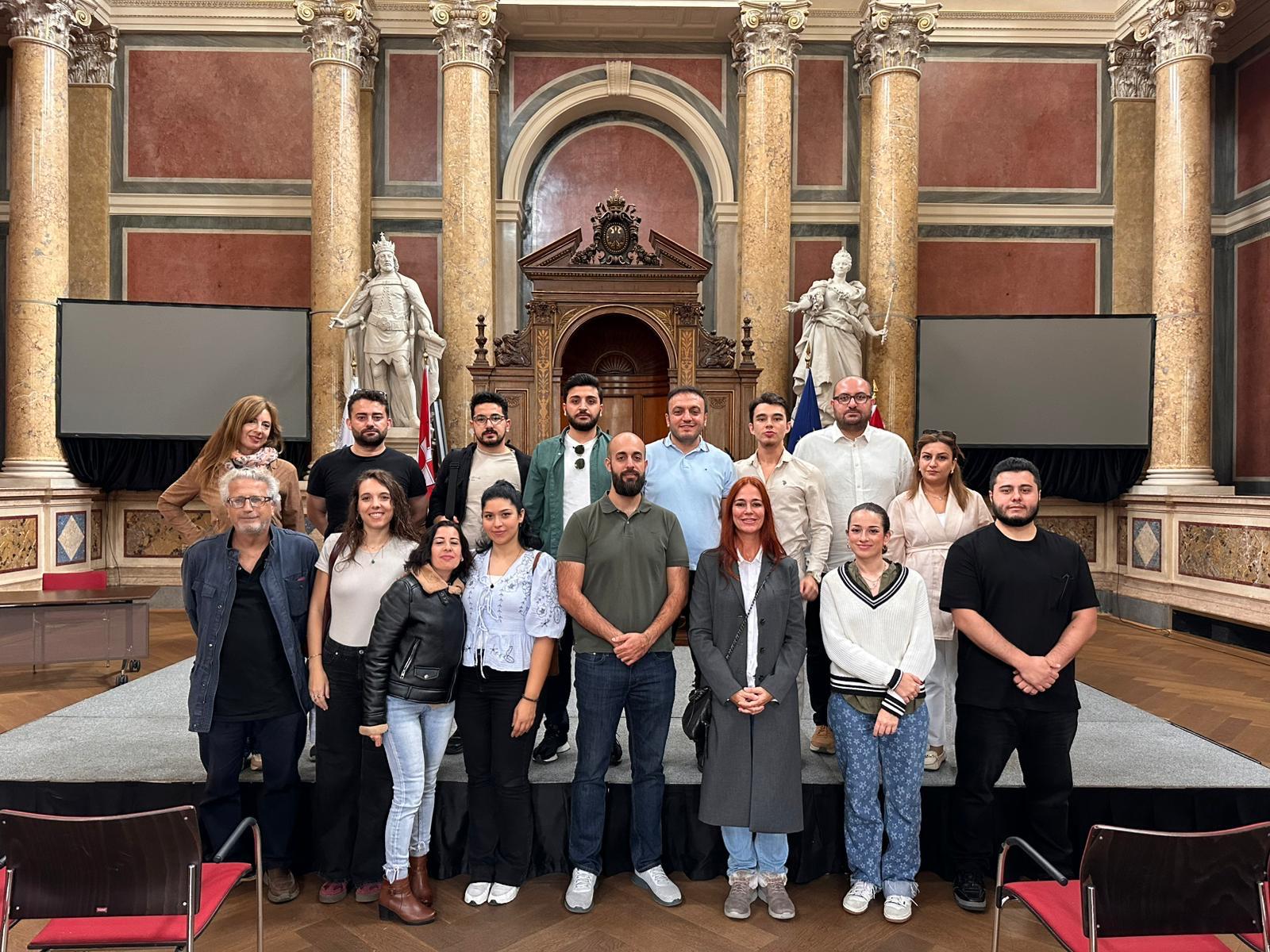
The second phase of the STSM was conducted in Vienna, the capital of Austria, between 15–19 September 2025. Meetings held with Austrian Startups, the University of Vienna, the Austrian Economic Chamber (WKO), and the Austrian Federal Parliament addressed innovation ecosystems, entrepreneurial culture, and young people’s participation in decision-making processes.
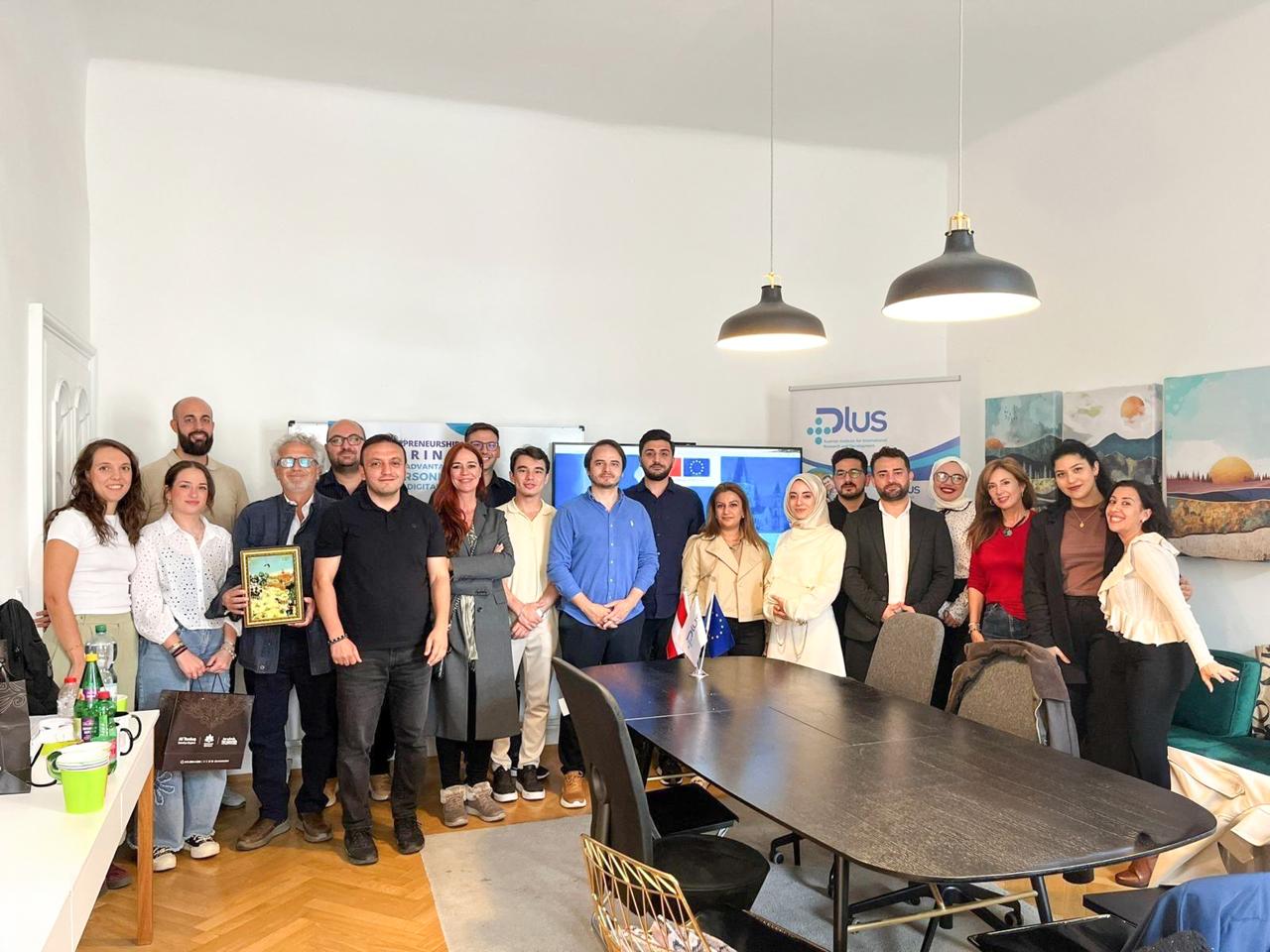
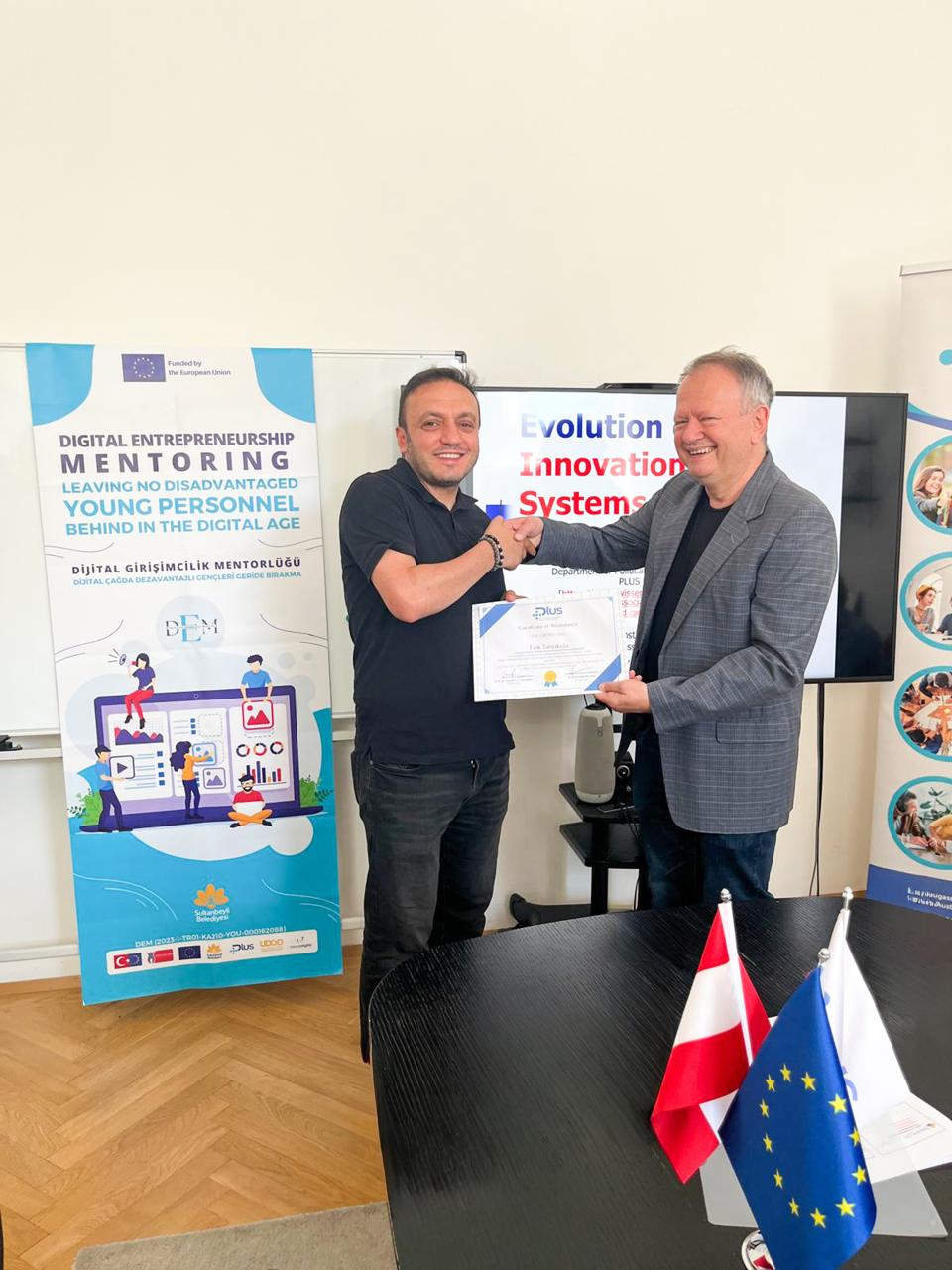
An expert lecture delivered by Prof. Dr. David Campbell theoretically strengthened the link between innovation ecosystems in Europe and policies on career guidance and social inclusion.
Campbell offered the following assessment of Tanrıkulu’s study:
“It demonstrated that entrepreneurship- and innovation-oriented career pathways must be considered together with perspectives on digital transformation and social justice.”
MAINZ: EMPLOYMENT OF MIGRANT WOMEN AND A TURKEY-GERMANY COMPARISON
The Germany dimension of the research was conducted in Mainz between 21–25 May 2025 within the scope of the BEFuN Institute’s “Global Citizens” program. In this context, semi-structured interviews were carried out with educators, civil society representatives, and migrant women participating in requalification programs.
The findings showed that re-training programs, mentoring models, and flexible working opportunities in Germany significantly facilitate migrant women’s re-entry into the labor market. In contrast, limited access to childcare services, informal employment, and persistent gender stereotypes were emphasized as major barriers in Türkiye. The comparative analysis indicated the need to strengthen community-based mentoring, local models supporting women’s entrepreneurship, and social policies that reconcile work and family life in Türkiye.
SCIENTIFIC OUTPUTS: CONFERENCE PAPERS, ARTICLES AND NEW EU PROJECTS
Within the scope of the STSM, not only field research was conducted, but also tangible scientific outputs were produced. Tanrıkulu comparatively examined the migrant education and vocational training policies of Türkiye and Germany in his paper titled “Comparing of Migrants’ Education Policies of Turkey and Germany.” The paper was presented at the International Conference on Social Science Research (ICONSR 2020) held in Montenegro, thereby directly contributing to the COST Action’s objectives of inclusive and equitable career pathways.
In addition, the article titled “Toward Inclusive Digital Workplaces: Gender Perspectives and Organizational Strategies – A Systematic Literature Review,” co-authored with Dr. Maja Pucelj from EMUNI University (Slovenia), was submitted to Humanities and Social Sciences Communications (SSCI, Q1) and entered the peer-review process. This study focuses on the intersections of gender equality, inclusive organizational strategies, and career guidance in increasingly digitalized workplaces.
CONCRETE PROJECT PROPOSALS DEVELOPED
The knowledge and collaborations gained during the STSM process also laid the groundwork for the development of new EU projects. Under the Horizon Europe framework, the SHIELD (Safeguarding Human Institutions, Equality, Liberty, and Democracy) project, as well as initiatives such as FAIR-AI, PROTECT, Immersive Futures, and Future Skills for Youth within the Erasmus+ program, were transformed into concrete project proposals addressing democratic resilience, media literacy, artificial intelligence, and youth employability skills. In this way, the institutional capacity of the BEFuN Institute and Istanbul Medipol University was significantly strengthened in EU projects focusing on inclusive digital transformation and employment.
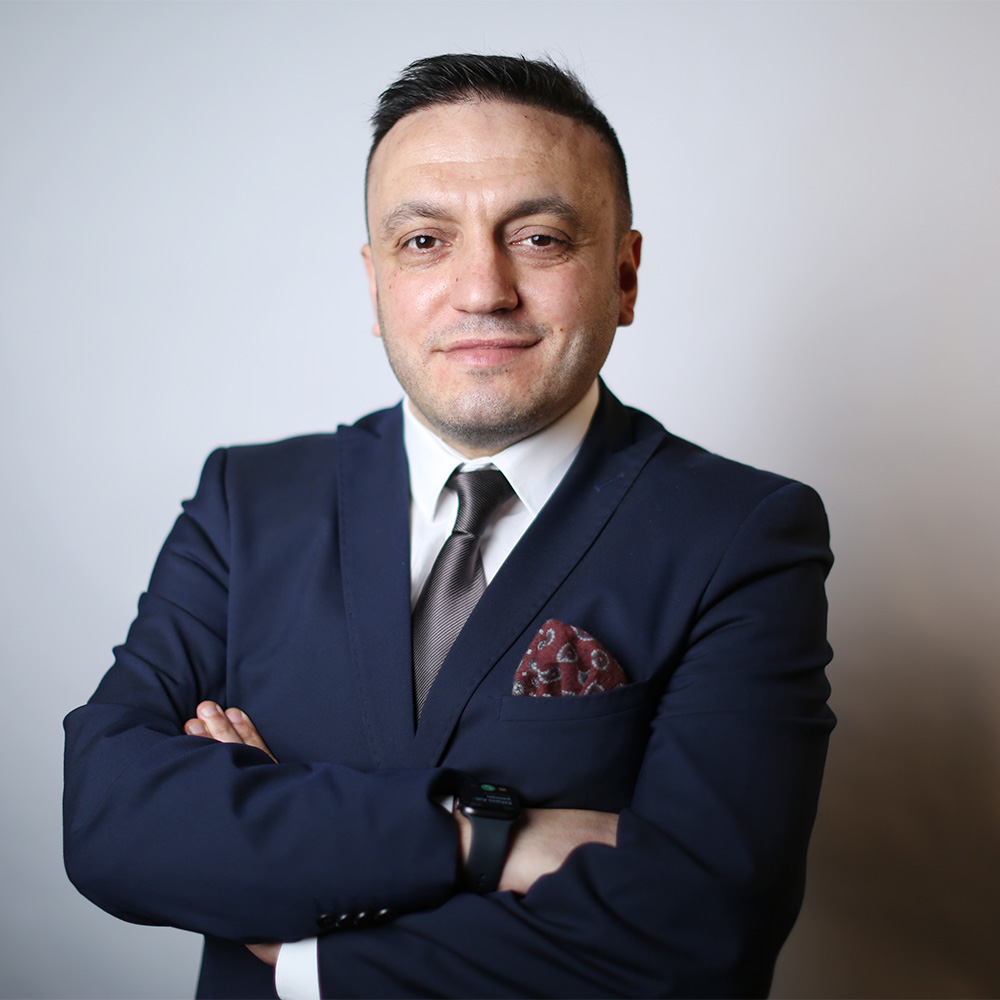
Assoc. Prof. Dr. Faik Tanrıkulu offered the following evaluation regarding the outcomes of the STSM:
“Overall, the results are fully aligned with the research coordination and capacity-building objectives of COST Action CA23112. The study developed a critical perspective that does not reduce career guidance to individual skills and preferences alone, but rather addresses social justice, gender equality, migration, and digital transformation in an integrated manner. Through Europe-wide field research, academic collaborations, and EU project development activities, concrete recommendations were put forward to ensure that career guidance becomes more inclusive and resilient at the levels of policy, research, and practice.”
Tanrıkulu’s work enhances the international visibility of Istanbul Medipol University and Türkiye within scientific collaborations, while also making a strong contribution to the design of more just and inclusive career pathways for young people, migrants, and disadvantaged groups.
Last Update : 19/04/2026 - 17:36