A new approach to antibiotic development from Medipol academics
Academics from Istanbul Medipol University have developed an artificial intelligence-supported decision model that will accelerate and make antibiotic development processes more efficient. The study revealed the most effective strategies for producing new antibiotics safely, quickly, and at low cost.
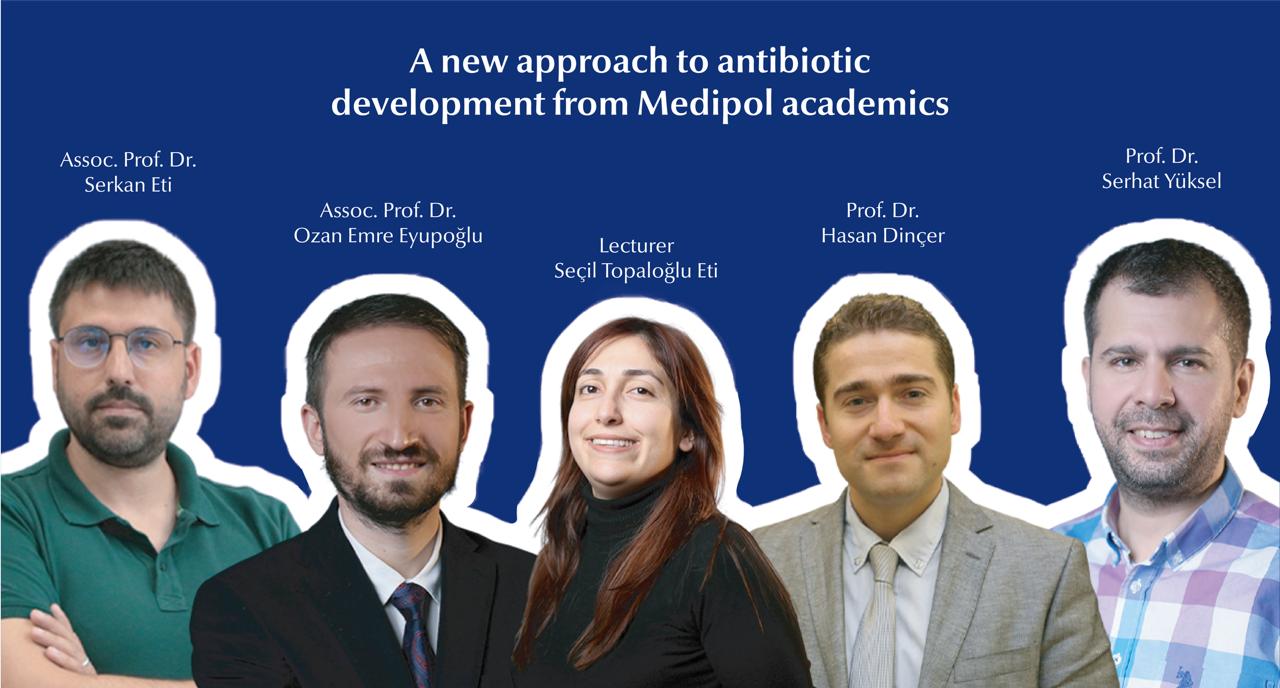
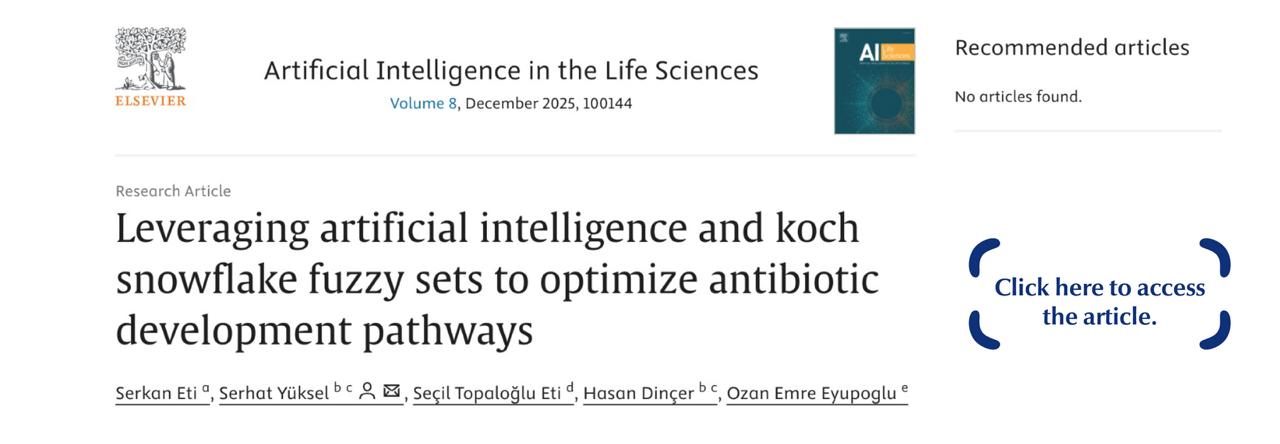
The study titled “Leveraging Artificial Intelligence and Koch Snowflake Fuzzy Sets to Optimize Antibiotic Development Pathways”, conducted by Prof. Dr. Hasan Dinçer and Prof. Dr. Serhat Yüksel from the Faculty of Business and Management Sciences, Director of the Vocational School Assoc. Prof. Dr. Serkan Eti, , Lecturer Seçil Topaloğlu Eti from the School of Health Sciences, and Assoc. Prof. Dr. Ozan Emre Eyupoğlu from the Faculty of Pharmacy at Istanbul Medipol University, was published in the journal Artificial Intelligence in the Life Sciences.
AI-SUPPORTED DECISION MODEL
The researchers described the main aim of the article as “determining the most critical elements and most effective approaches in antibiotic development by proposing an artificial intelligence-supported fuzzy decision-making model.” The study fills an important gap in the literature and offers a practical roadmap for both academia and the pharmaceutical industry.
Although some recent studies have developed automatic or optimization-based weighting mechanisms, this research adopted an expert-oriented approach. The researchers emphasized that the antibiotic discovery process cannot be represented solely by data-driven optimization, as numerous qualitative factors such as resistance trends, toxicity profiles, and clinical applicability require expert evaluation.
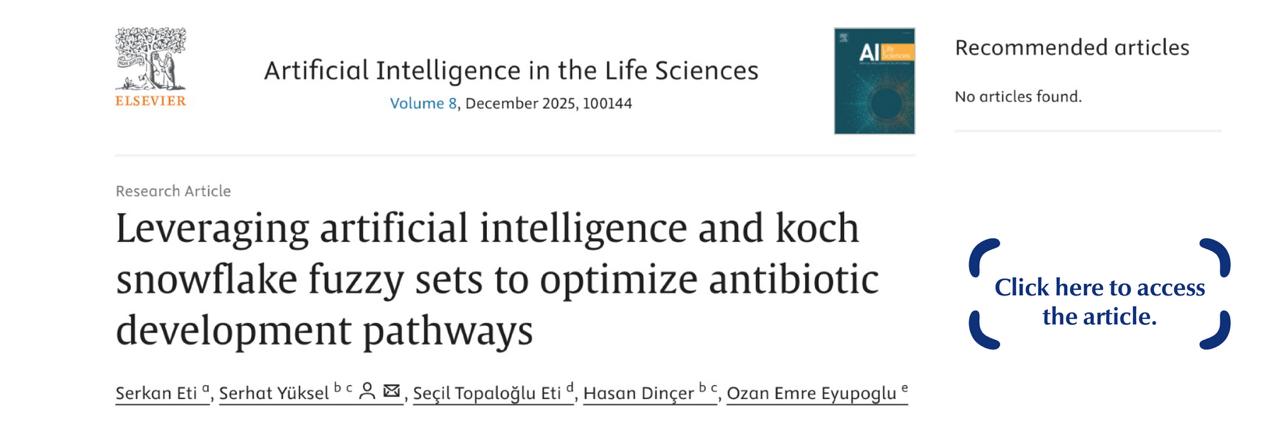
In this context, Koch Snowflake Fuzzy Sets (KSFS), inspired by fractal geometric shapes, were used. The integration of KSFS increased the objectivity of manually assigned weights through a recursive correction mechanism, thereby reducing subjectivity in expert opinions. Thus, a model that preserves human expertise while remaining transparent, interpretable, and practically applicable was developed.
PRIORITY AREA IN ANTIBIOTIC DEVELOPMENT: SMART BIOSAFETY
The study examined 15 criteria and 8 different development approaches. Expert opinions were analyzed using a machine learning-based dimensionality reduction technique. While the weights of the criteria were calculated using the LOPCOW method, the approaches were ranked by the CODAS method.
According to the findings, smart biosafety and computerized control systems (SBCC) emerged as the most critical criteria in the antibiotic development process. Artificial intelligence-supported molecule discovery was identified as the most effective approach.
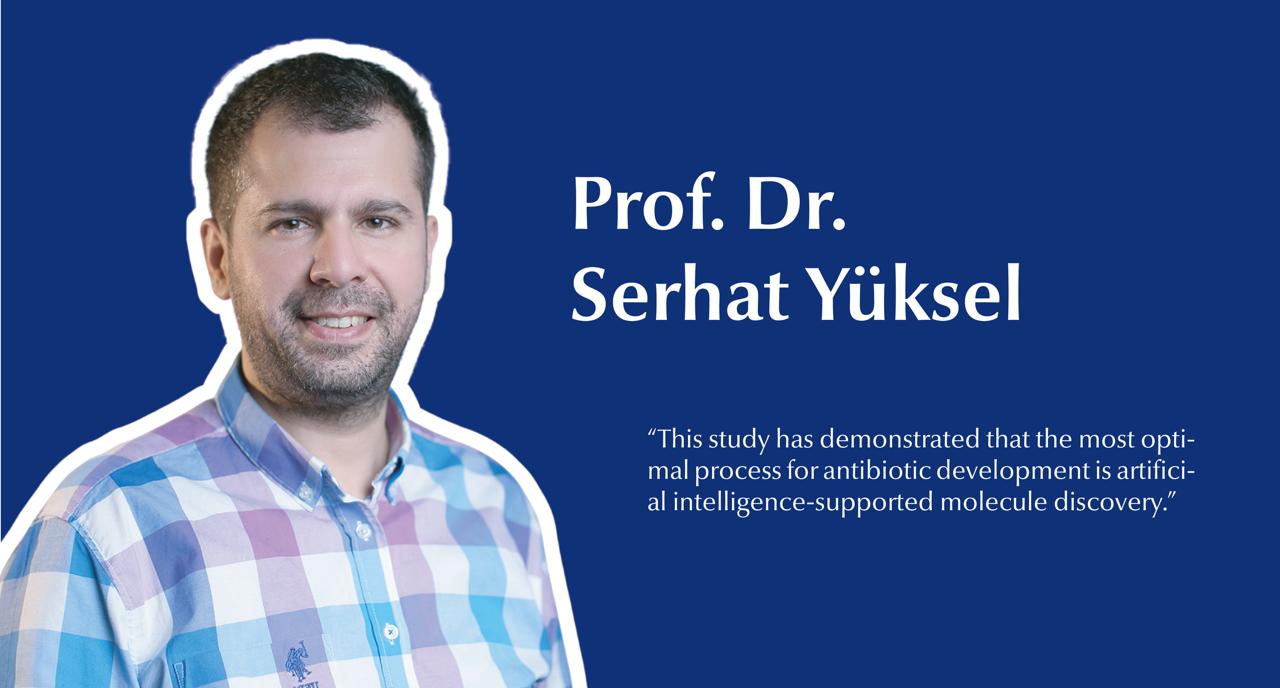
Stating that certain factors in the antibiotic development process need to be improved, Prof. Dr. Serhat Yüksel said that smart biosafety and computerized control systems are effective factors in antibiotic development. Yüksel added, “This study has demonstrated that the most optimal process for antibiotic development is artificial intelligence-supported molecule discovery.”
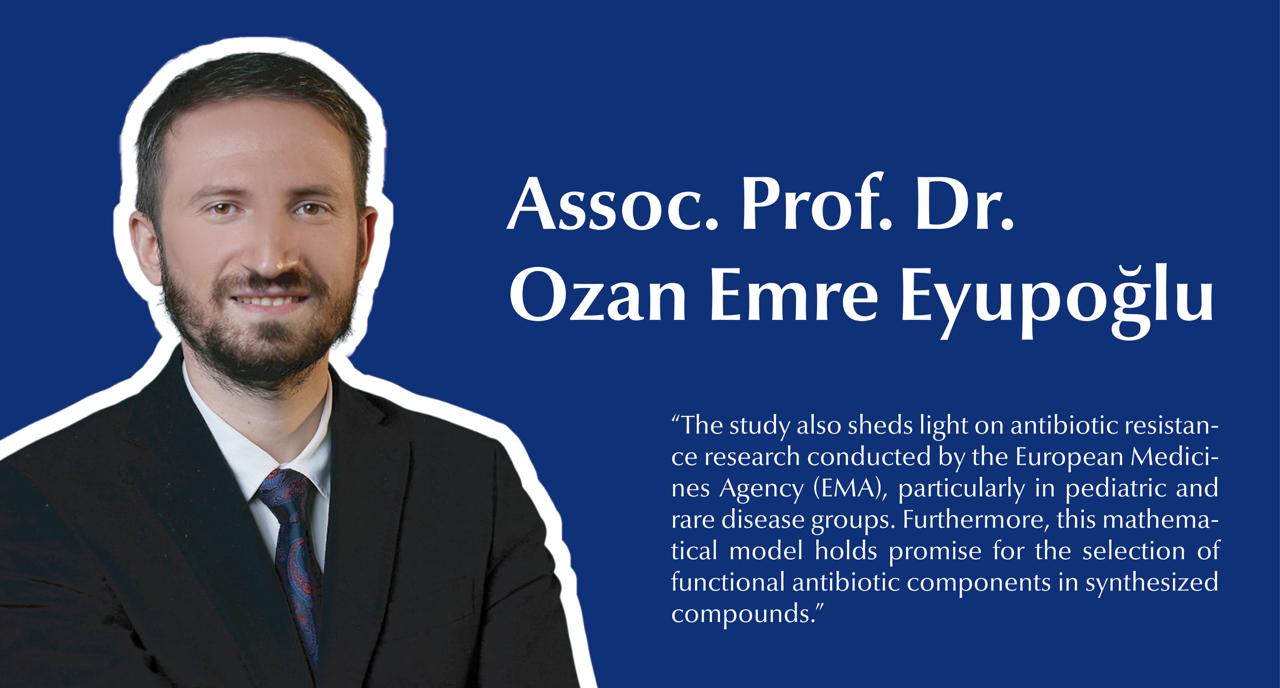
Assoc. Prof. Dr. Ozan Emre Eyupoğlu said:
“The study also sheds light on antibiotic resistance research conducted by the European Medicines Agency (EMA), particularly in pediatric and rare disease groups. Furthermore, this mathematical model holds promise for the selection of functional antibiotic components in synthesized compounds.”
A NEW METHOD DEVELOPED
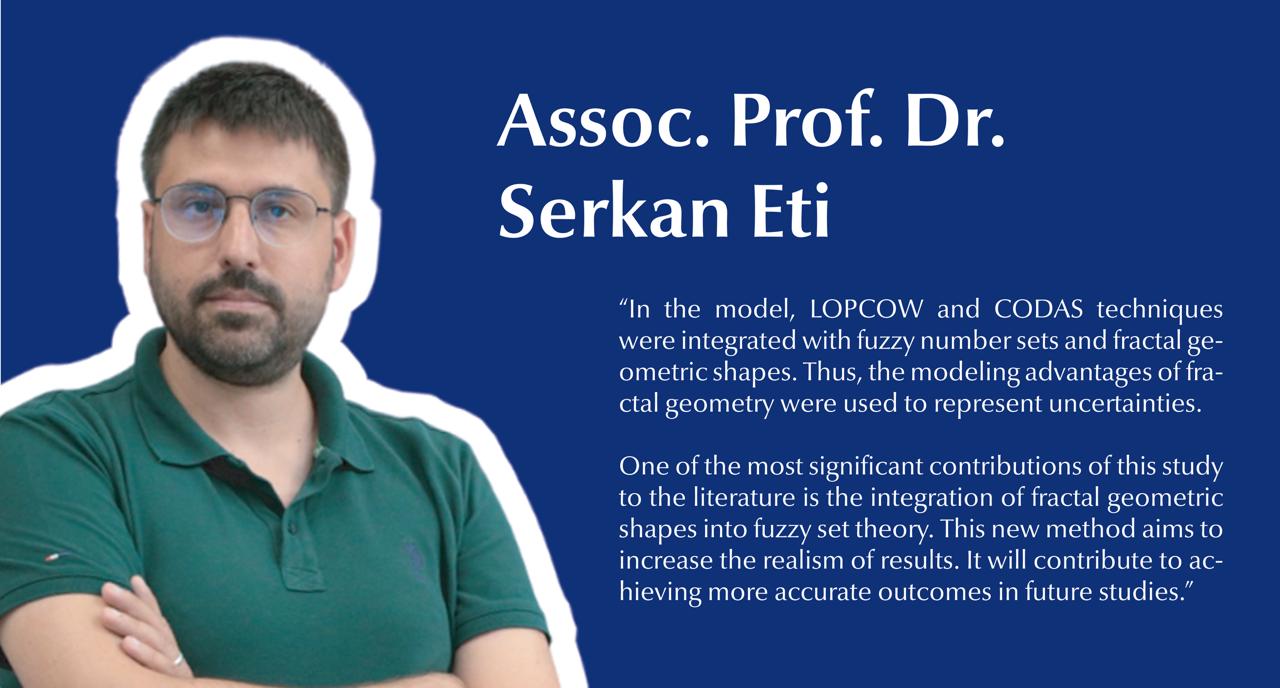
Assoc. Prof. Dr. Serkan Eti stated that they aimed to improve the performance of the antibiotic development process by creating a new fuzzy decision-making model and summarized the contribution of the model to the literature as follows:
“In the model, LOPCOW and CODAS techniques were integrated with fuzzy number sets and fractal geometric shapes. Thus, the modeling advantages of fractal geometry were used to represent uncertainties. One of the most significant contributions of this study to the literature is the integration of fractal geometric shapes into fuzzy set theory. This new method aims to increase the realism of results. It will contribute to achieving more accurate outcomes in future studies.”
This result shows that the antibiotic development process is not limited to molecular-level discoveries but that digital control systems, automation technologies, and laboratory safety infrastructure also play a decisive role in success. AI-supported smart biosafety systems significantly improve experimental accuracy and reproducibility by reducing error margins through real-time monitoring, anomaly detection, and predictive risk assessment.
STRATEGIC ROADMAP FOR POLICYMAKERS
The study also offers strategic recommendations for decision-makers to enhance efficiency in antibiotic development and strengthen the fight against resistance. The researchers emphasized that the widespread implementation of AI-supported monitoring and computerized control systems in research centers would reinforce biosafety infrastructure.
They also highlighted the importance of public-private sector collaborations investing in these technologies and incorporating AI-based automation infrastructure into funding criteria for antibiotic development projects.
According to the researchers, it is essential to train specialized human resources not only in biosafety standards but also in the use of AI-based analytical and monitoring platforms. Such measures will accelerate antibiotic innovation, facilitate reliable results in combating resistance, and strengthen the integration of artificial intelligence into modern drug development processes.
The study once again reveals the transformative potential of artificial intelligence in antibiotic research. The model developed by Istanbul Medipol University researchers may provide a new roadmap not only for antibiotic development but also for the advancement of other drug groups.
Last Update : 05/06/2026 - 12:13