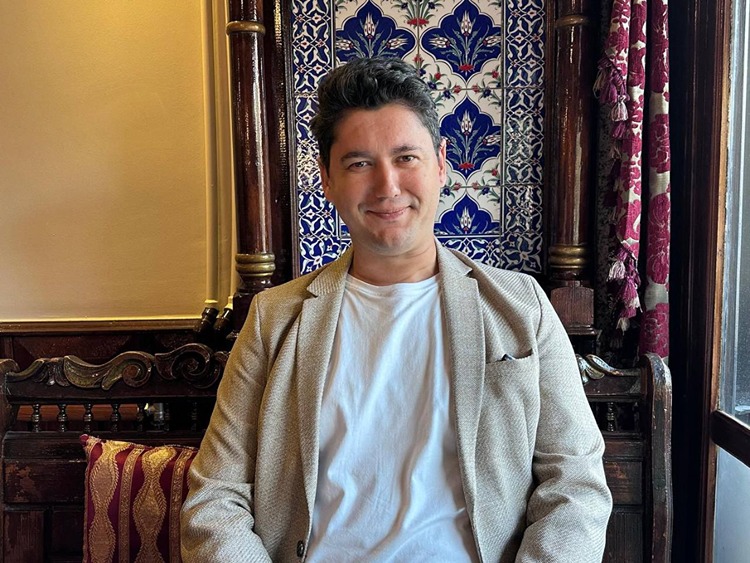
Assoc. Prof. Dr. Eken: Negative content on social media increases social pessimism
Social media algorithms are steering users toward negative and catastrophic content, increasing both individual and collective anxiety. According to Assoc. Prof. Dr. İhsan Eken, continuous exposure to negative content erodes social trust and leads to lasting pessimism among individuals.

As social media becomes an inseparable part of modern life, the algorithm-driven flow of content is increasingly affecting mental health. Disaster news, crises, and negative developments attract users’ attention, fueling both individual anxiety and social pessimism.
İstanbul Medipol University Faculty of Communication academic member Assoc. Prof. Dr. İhsan Eken stated that social media algorithms, by prioritizing negative and catastrophic content, negatively affect both individual and collective mental health. Eken warned that constant consumption of negative content undermines social trust while causing persistent pessimism in individuals.
THE IMPACT OF ALGORITHMS AND THE BRAIN FACTOR
Assoc. Prof. Dr. Eken emphasized in his statement to Anadolu Agency (AA) that the impact of algorithm-driven content flow on users’ mental health is increasingly evident. He explained that the human brain has a natural tendency toward negative events due to its survival instinct, which in turn causes algorithms to promote pessimistic content more frequently.
Eken underlined that constant exposure to negative content weakens not only individual mental well-being but also social trust and empathy. He also stated, “The responsibility of the media is not limited to reflecting reality; it must also present this reality within an ethical framework and with regard to social benefit.” urging users to adopt a more conscious approach to content consumption.
THE EXAMPLE OF THE FEBRUARY 6 EARTHQUAKES AND SECONDARY TRAUMA
Addressing the psychological effects of intensive disaster news coverage on social media, Assoc. Prof. Dr. Eken referred to the February 6, 2023 earthquakes as an example. He noted that academic studies have shown that constant exposure to such intense news increases levels of secondary traumatic stress and anxiety among individuals.
Eken stated, “People want to stay informed about disasters; however, constant exposure to negative content heightens anxiety and fear. This can harm individuals’ mental health, leading to long-term anxiety and pessimism.”
Assoc. Prof. Eken: More universal laws regarding artificial intelligence should be established.
"AN ALTERNATIVE APPROACH MUST BE DEVELOPED"
Eken criticized social media platforms for amplifying anxiety-driven engagement, noting that individuals, triggered by uncertainty and fear of the future, turn to social media, where algorithms further promote anxiety-inducing and negative content.
Highlighting that these platforms are designed for maximum engagement based on economic interests, Eken said, “These platforms should develop an alternative approach that measures not only clicks or reactions, but also long-term user satisfaction and well-being.”
Concluding his remarks, Assoc. Prof. Dr. İhsan Eken stressed the growing importance of individuals managing their anxiety and developing conscious content consumption habits in a world shaped by algorithms.
Last Update : 05/06/2026 - 14:23