Corruption in health discussed at SASPAM: 140 thousand children lose their lives every year
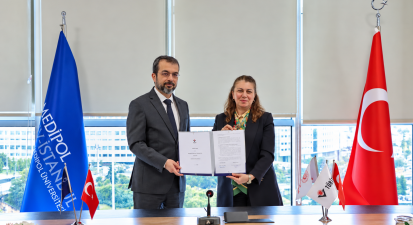
At the meeting organized by Istanbul Medipol University’s Research Center for Healthcare Systems and Policies (SASPAM), the economic and social effects of corruption in health systems were discussed.
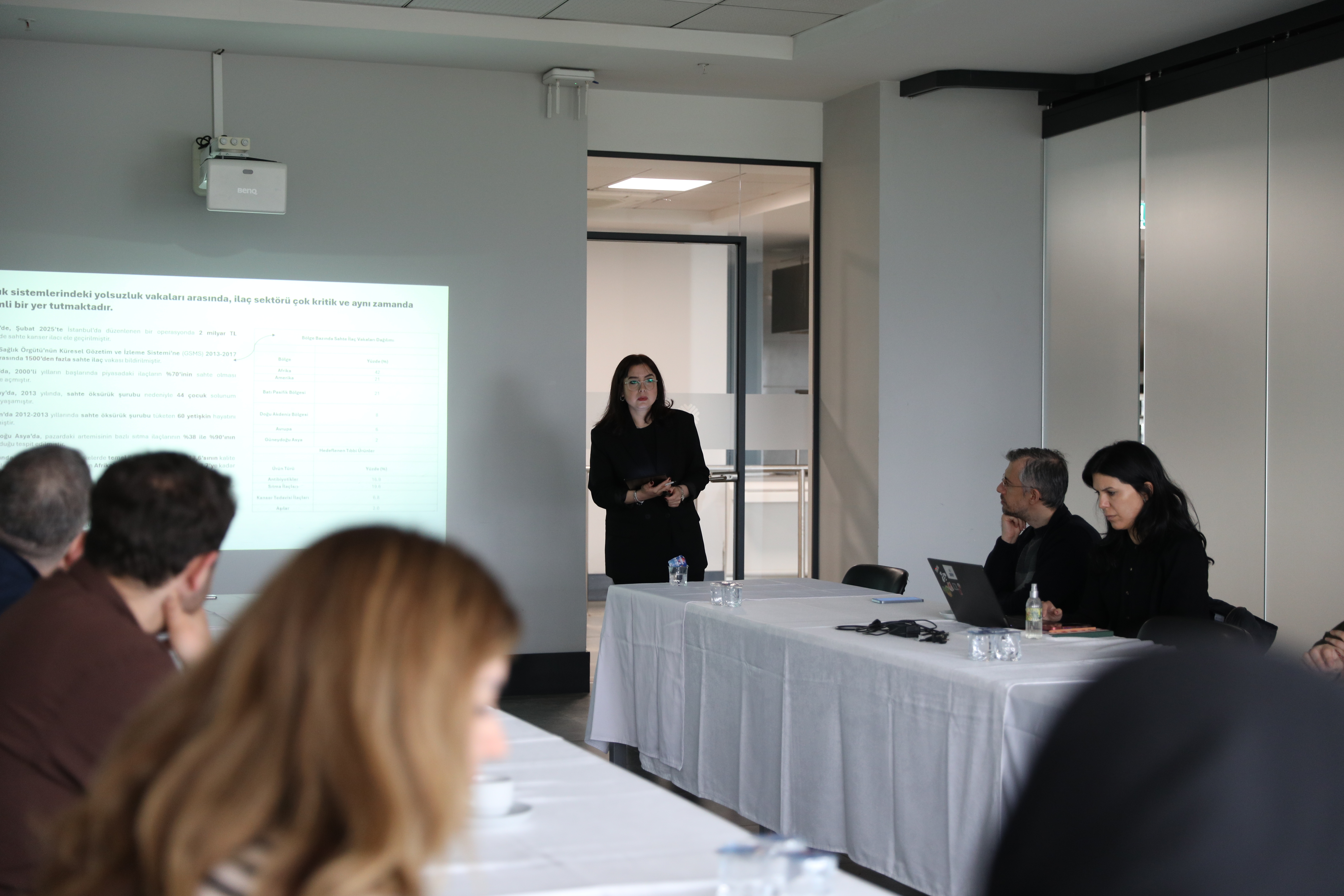
The impact of corruption in healthcare systems was discussed at the meeting organized by Istanbul Medipol University’s Research Center for Healthcare Systems and Policies (SASPAM) at the South Campus. Making a presentation titled “The Impact of Financial Corruption on Health Systems”, Istanbul Medipol University SASPAM Expert Researcher Ayşe Elif Yıldız shared striking data on corruption on a global scale and touched upon important points in the fight against corruption.
YILDIZ: HEALTHCARE SYSTEMS HAVE A STRUCTURE VULNERABLE TO CORRUPTION
Beginning her presentation with the difficulty of universally defining corruption, Ayşe Elif Yıldız stated that differences between countries are decisive in the perception and evaluation of corruption. Yıldız emphasized that healthcare systems are one of the sectors that are vulnerable to corruption due to high financial resources, multi-actor structures, and the uncertainty inherent in services. Yıldız stated that according to Transparency International, approximately 8.5 trillion dollars is spent on healthcare services worldwide each year, and 7 percent of this is lost to fraud and corruption. Noting that this loss is approximately 560 billion dollars, Yıldız stated that the amount of money stated is far above the budget foreseen by the World Health Organization for universal health coverage targets. Yıldız listed the five main types of corruption commonly seen in healthcare systems as “bribery and unofficial payments”, “tender and contract corruption”, “insurance fraud”, “drug smuggling”, and “unethical behavior”.
Last Update : 19/04/2026 - 12:41