A holistic perspective on the restoration process at “Heritage Talks”
At the fourth session of the “Heritage Talks” series held at Istanbul Medipol University, material selection and implementation processes in restoration practices were addressed through field-based examples.
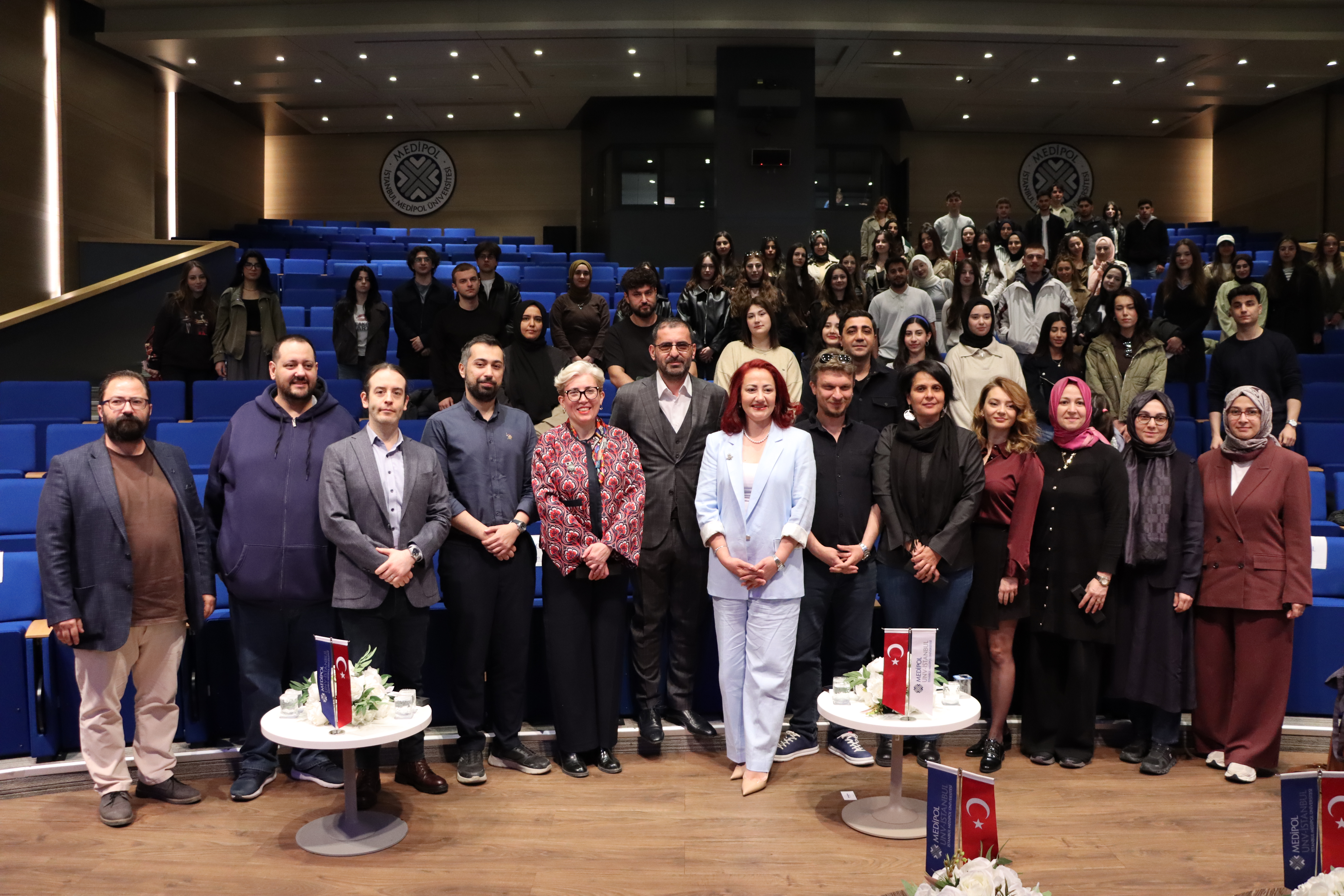
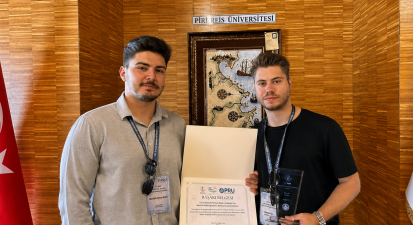
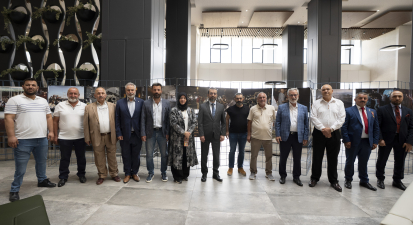
The fourth installment of the “Heritage Talks,” organized by the Architectural Restoration Program of the Vocational School at Istanbul Medipol University, took place at the South Campus Conference Hall. The event titled “Material Selection and Implementation Processes in Restoration Practices” was attended by Koray Aydın, Chairman of the Board of Tetraglobe Building Materials, and Ferman Algül, Vice Chairman of the Board of Tetraglobe Building Materials, along with academics and students.
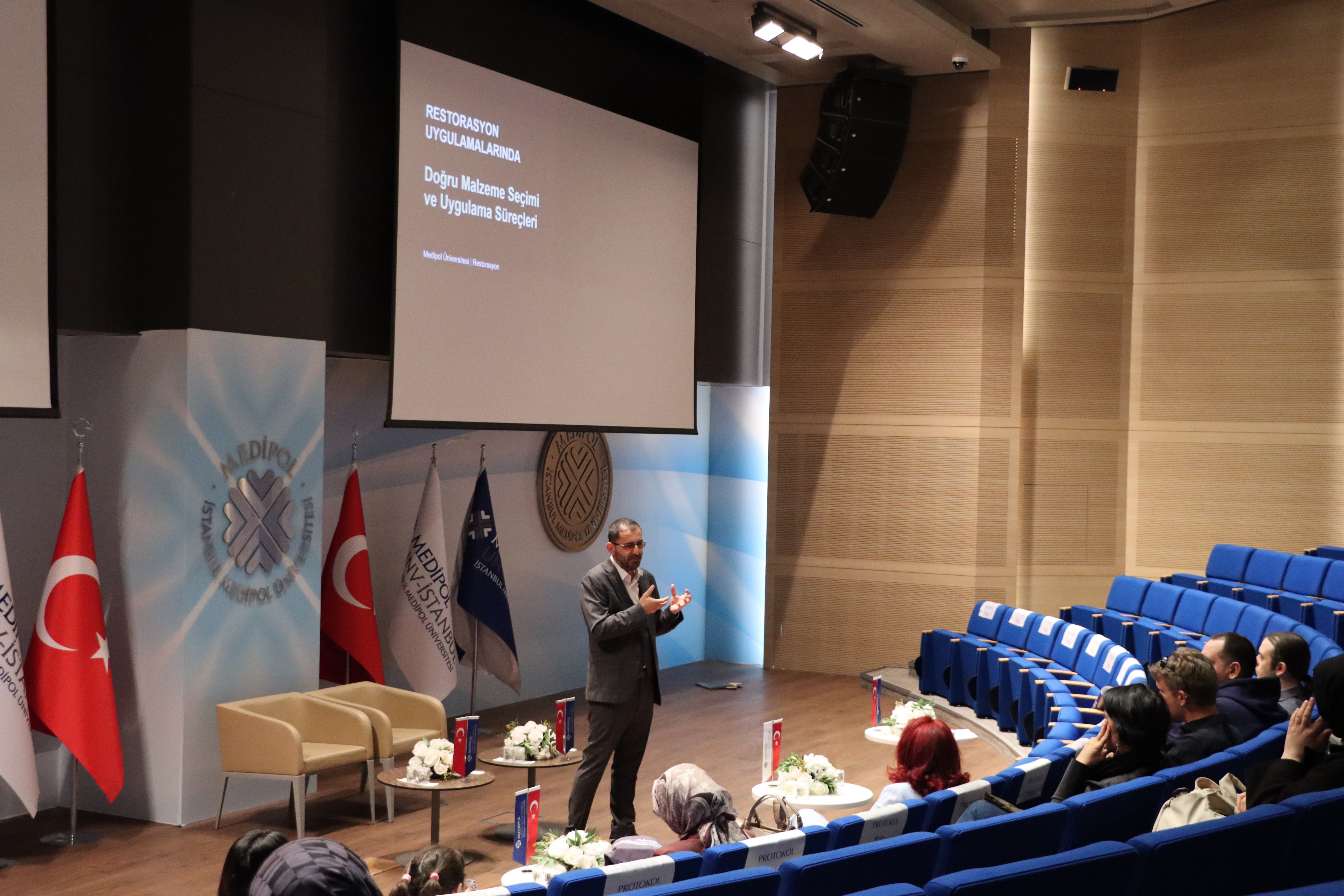
ALGÜL: THERE IS NO TURNING BACK FROM A WRONG INTERVENTION
In his speech, Algül highlighted the risks associated with directing students to field applications without sufficient practical experience, stating: “It is of great importance that students come prepared in terms of occupational safety and field practice.” Emphasizing that the restoration process cannot be limited to theoretical knowledge alone, Algül remarked: “It exists in books, it exists theoretically, but let us speak about practice” drawing attention to the critical role of field experience in professional development.
Addressing the decisive role of material selection in restoration, Algül stated: “The material you choose is the most important criterion in preserving the authenticity of the structure.” He also underlined the long-term consequences of mistakes made during the restoration process, noting: “There is no possibility of removing an incorrect material once it has been introduced into the structure.” thereby emphasizing the irreversible outcomes of such interventions.
“THE RESTORATION PROCESS MUST BE APPROACHED HOLISTICALLY”
Referring to the importance of compatibility and authenticity in historical structures, Algül stated: “At the very least, there must be a textural harmony between the old material and the new.” highlighting the necessity of material compatibility in restoration practices. He further emphasized that restoration should be approached as an integrated whole, noting that analysis, project design, and implementation processes are complementary stages.
Algül also stressed that restoration is not merely a technical process but a field of responsibility aimed at preserving cultural heritage. Concluding his remarks, he stated that students’ development in this field would make significant contributions to the sector.
Last Update Date: 06/05/2026 - 10:25