“History Talks” series begins at Medipol with Prof. Cemil Aydın: Building a new world Beyond Eurocentric history
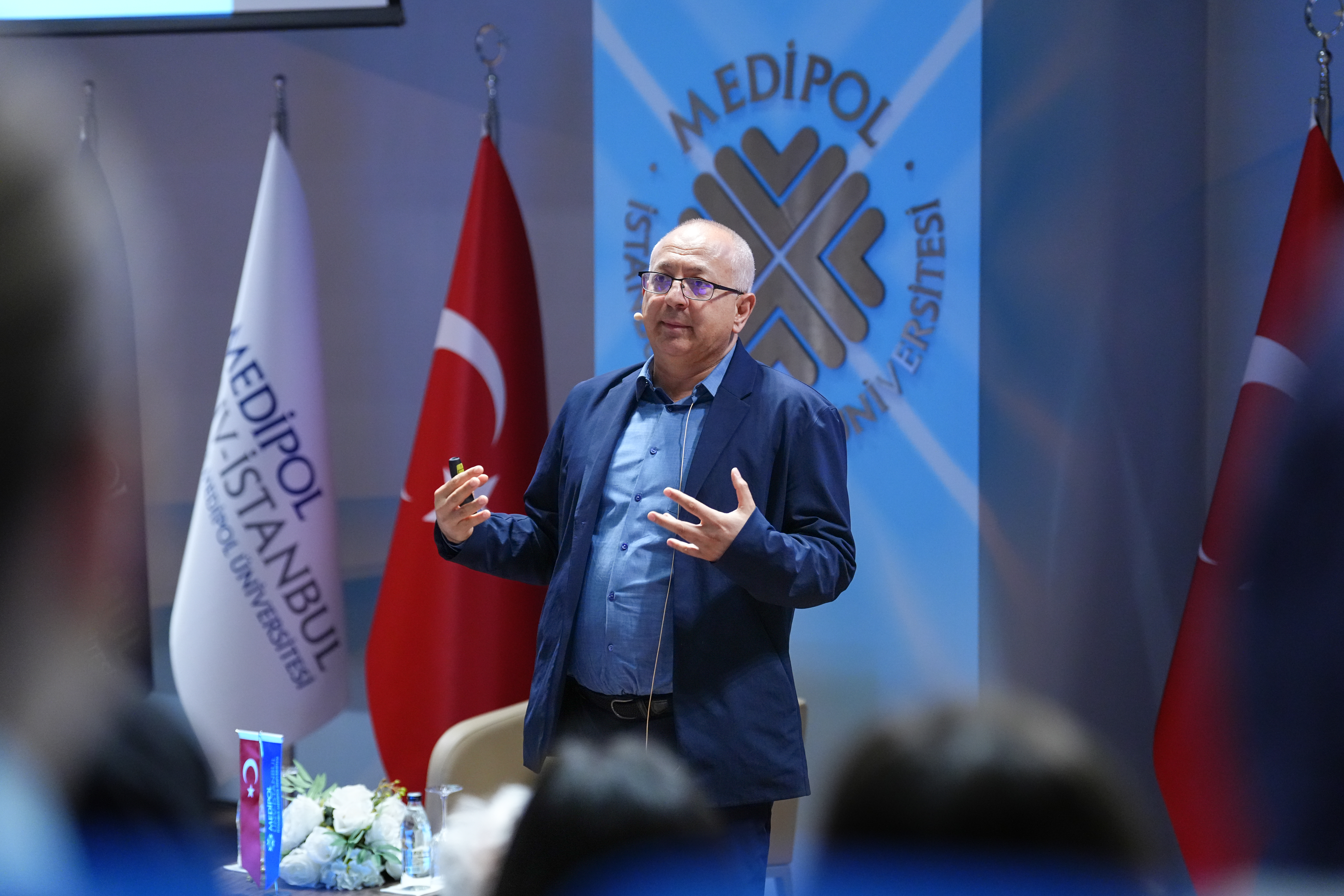
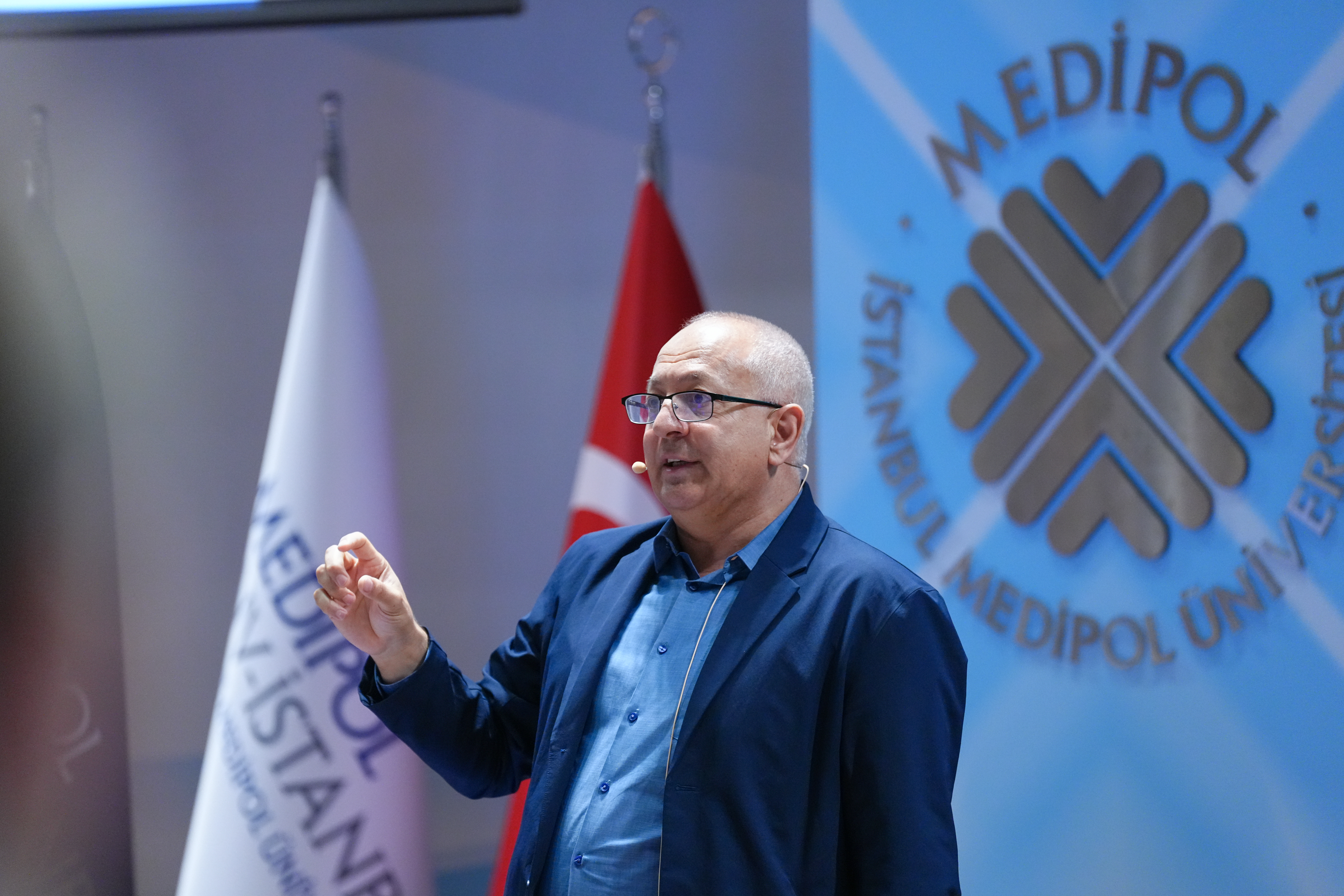
The “History Talks” series organized by the Department of History at Istanbul Medipol University commenced with a lecture by Prof. Cemil Aydın, an internationally renowned scholar in the fields of modern world history and global Islamic thought. Held at a time when debates on decolonization have reached a peak through the World Decolonization Forum events taking place both globally and in Istanbul, the conference featured Prof. Aydın’s reflection: “As we build a new world, it is crucial to understand how we arrived here. What we need is not imitation, but ijtihad.”

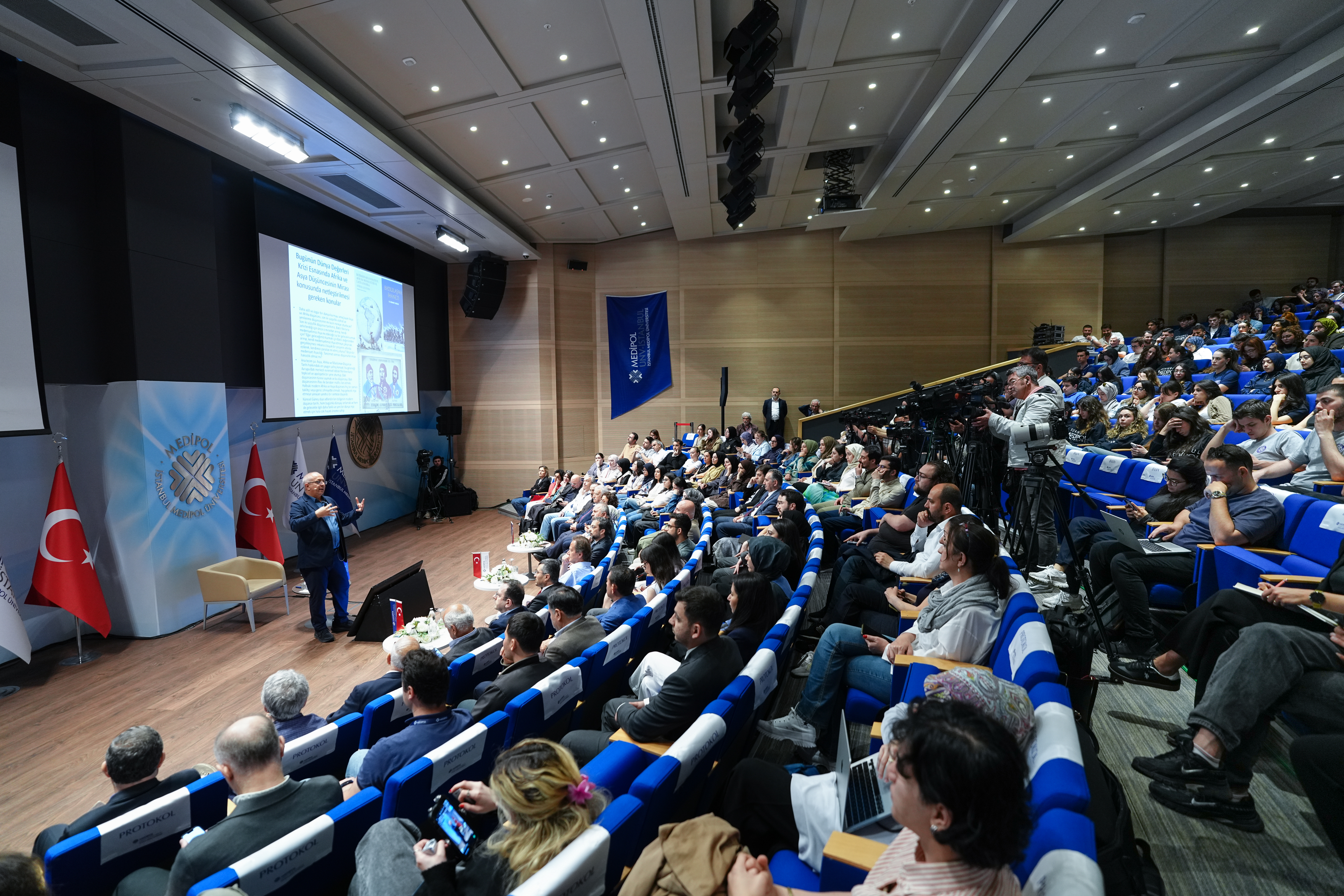
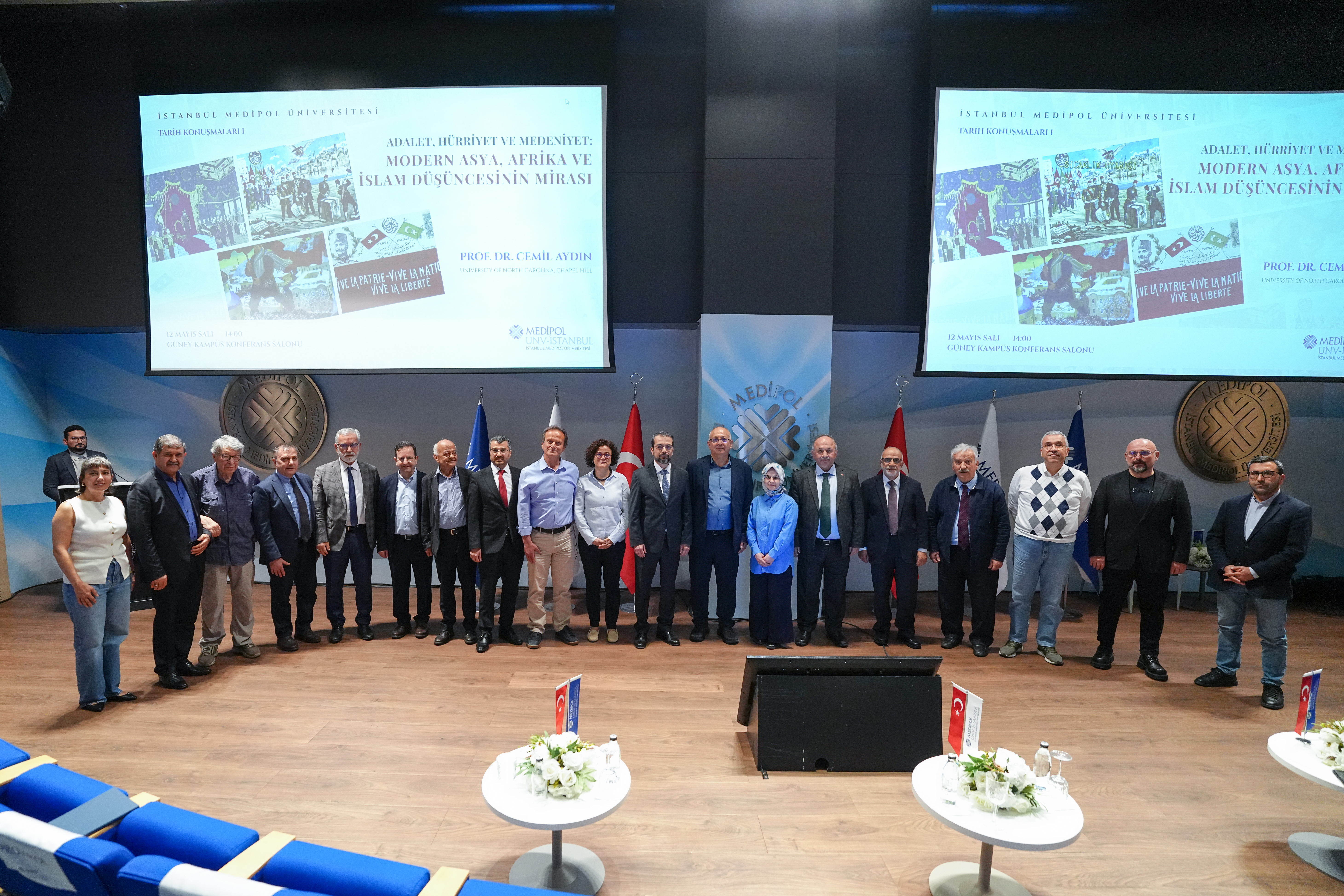
Prof. Cemil Aydın, widely recognized for his scholarship on modern world history and global Islamic thought, met with students and academics at Istanbul Medipol University. Having completed his doctoral studies at Harvard University and authored influential works in the field of global intellectual history, Prof. Aydın delivered a lecture titled “Justice, Liberty, and Civilization: The Legacy of Modern Asian, African, and Islamic Thought.” During the conference, Prof. Aydın opened for discussion the foundations of a decolonial mode of knowledge production that challenges Eurocentric conceptions of history. In a presentation that shared an intellectual framework with the ongoing World Decolonization Forum in Istanbul, which critiques the hegemony of colonialism over knowledge production and technology, Prof. Aydın emphasized that colonialism is not merely a historical phenomenon but that its intellectual legacy continues to shape the present day.
THE DEBATE: “THE SOURCE OF THE POISON CANNOT BE THE CURE”
Prof. Aydın noted that some intellectuals argue for the complete severance of intellectual ties with Europe and stated:
“The view that ‘the source of the poison cannot be the cure’ has gained strength in recent years. The belief that syntheses with Western ideas have poisoned societies from within particularly emphasizes the notions of ‘returning to the essence’ and civilizational revival. However, from the Tanzimat period onward, figures such as Ahmet Cevdet Pasha, Namık Kemal, and Mehmet Akif sought to build a new future by synthesizing European thought with the Islamic tradition. It would be unjust to reject this legacy entirely.”
THE TRUE GLOBAL ENLIGHTENMENT TOOK PLACE IN 19TH-CENTURY ASIA AND THE ISLAMIC WORLD
Offering a strong challenge to the widely accepted thesis that “the Enlightenment was solely a European achievement” Prof. Aydın argued that the true global enlightenment of the nineteenth century occurred outside Europe in Asia, Africa, and the Islamic world. He emphasized that the generation of Namık Kemal engaged not only in a political struggle against Orientalism but also in an extraordinary intellectual one. Referring to an image in his presentation, he remarked humorously:
“I placed Namık Kemal in that image because he is more charismatic than Karl Marx. This founding generation took the European Enlightenment and redefined it in a way that enabled them to defend their own rights, thereby constructing some of the most productive intellectual movements in human history.”
THE ENLIGHTENMENT MOVEMENT IN ASIA AND THE ISLAMIC WORLD
Prof. Aydın stated that a significant enlightenment movement emerged during the nineteenth century outside Europe, particularly in Asia, the Islamic world, and Africa.
He identified Ahmet Cevdet Pasha and his family as among the most important representatives of this intellectual transformation. According to Prof. Aydın, Cevdet Pasha possessed deep mastery of the Islamic scholarly tradition while also learning French and closely following European thought. He developed a more equitable approach to world history in opposition to Eurocentric historical narratives and rejected interpretations of civilizational history based on a single center.
“THE ISLAMIC TRADITION WAS REINTERPRETED THROUGH IJTIHAD”
Prof. Aydın stated that the generation of Namık Kemal mounted a powerful intellectual resistance against Orientalism. He explained that intellectuals of the period, particularly Fatma Aliye Hanım, developed important responses to claims that Islam oppressed women. According to Aydın, this generation possessed the courage to reinterpret the Islamic tradition through ijtihad rather than through imitation.
“They developed a new vision of world history. They argued that producing scientific knowledge and building the future were entirely possible for Muslim societies.”
THE REDEFINITION OF ISLAMIC CIVILIZATION
Prof. Aydın explained that, at the beginning of the twentieth century, the idea of Islamic civilization was redefined. Muslim intellectuals reconstructed Islamic civilization not merely within a religious framework but also on the foundations of science, philosophy, and humanism. He further noted that during this period, Prophet Muhammad was reconsidered not only as the Messenger of God but also as a statesman, thinker, and societal model. Through works highlighting different dimensions of the Prophet’s life and legacy, Islamic thought sought to engage with the challenges of the modern world.
“THERE IS A NEED TO BUILD A WORLD”
Referring to the line “Independence is the right of my nation that worships God” from the Turkish National Anthem, Prof. Aydın stated that it was the outcome of a long intellectual struggle. He argued that this perspective formed the intellectual basis of Muslim societies’ demands for equality, freedom, and justice. He also cited Mahatma Gandhi’s remark that “the civilization of Europe would be a good thing” as a powerful critique of colonial notions of civilization. Furthermore, he highlighted Marshall Hodgson as one of the key scholars who placed Islamic history at the center of world history. Emphasizing that there is once again a need to build a better world today, Prof. Aydın called for a renewed engagement with the intellectual heritage of the past.
THE PALESTINIAN QUESTION AT THE CENTER OF THE “CLASH OF CIVILIZATIONS” THESIS
Prof. Aydın stated that the “clash of civilizations” thesis was largely shaped through the Palestinian question and that this framework has had significant consequences for global politics. He explained that the Palestinian movement occupied a crucial place in Asian and African thought during the 1960s and 1970s. Together with Nelson Mandela’s movement in South Africa, the Palestinian struggle came to symbolize the pursuit of freedom, equality, and justice.
“THE ALLIANCE OF CIVILIZATIONS WAS AN EXAMPLE OF THE SEARCH FOR DIALOGUE”
Prof. Aydın described the 2004 Alliance of Civilizations Conference as one of the important examples of efforts to establish a new world order. He explained that the conference sought to foster dialogue rather than conflict among civilizations. At the same time, he noted that an intellectual crisis gradually emerged within Asian and African societies, leading some thinkers to argue that syntheses with Western ideas had failed and to advocate a return to cultural and civilizational origins. However, he cautioned that such an approach could also generate new problems.
“THEY INVITED THE ARSONIST TO THE FIRE-FIGHTING MEETING”
Criticizing the inclusion of proponents of the “clash of civilizations” thesis in Alliance of Civilizations meetings, Prof. Aydın remarked:
“It resembles inviting the arsonist to speak at a meeting intended to extinguish the fire.”
He further argued that during the Cold War, the Palestinian question was not merely a regional issue but evolved into a field of ideological and political contestation between the Global South and the Western world.
“THERE IS A NEED TO BUILD A BETTER WORLD ONCE AGAIN”
Reiterating the importance of reassessing the intellectual legacy of the past, Prof. Aydın stated:
“There is a need to build a better world once again.”
He emphasized the necessity of constructing a shared vision for the future based on cooperation among civilizations rather than conflict.
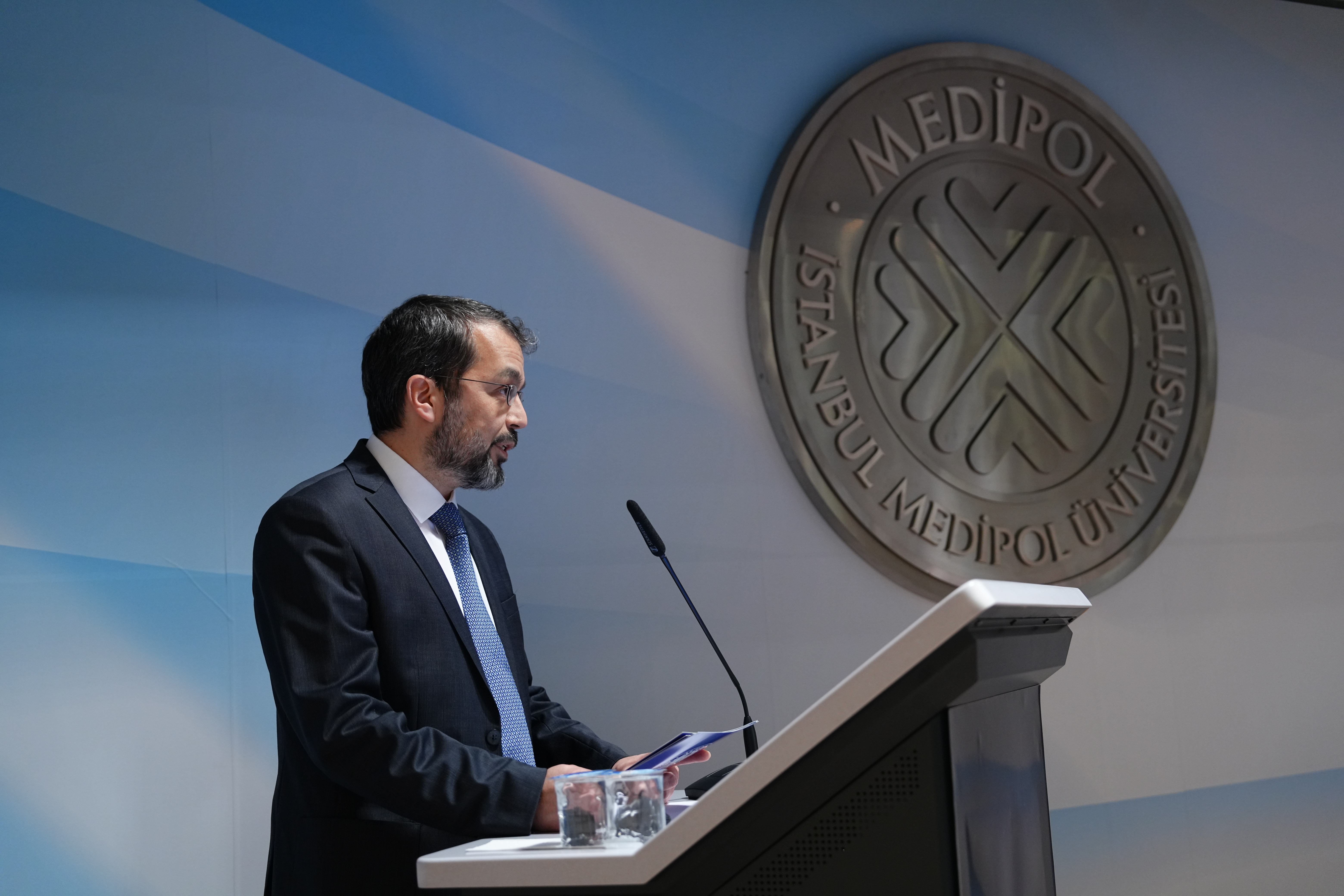
THE ISLAMIC WORLD, NOT EUROPE ALONE, PLAYED A DECISIVE ROLE IN THE DEVELOPMENT OF MODERN THOUGHT
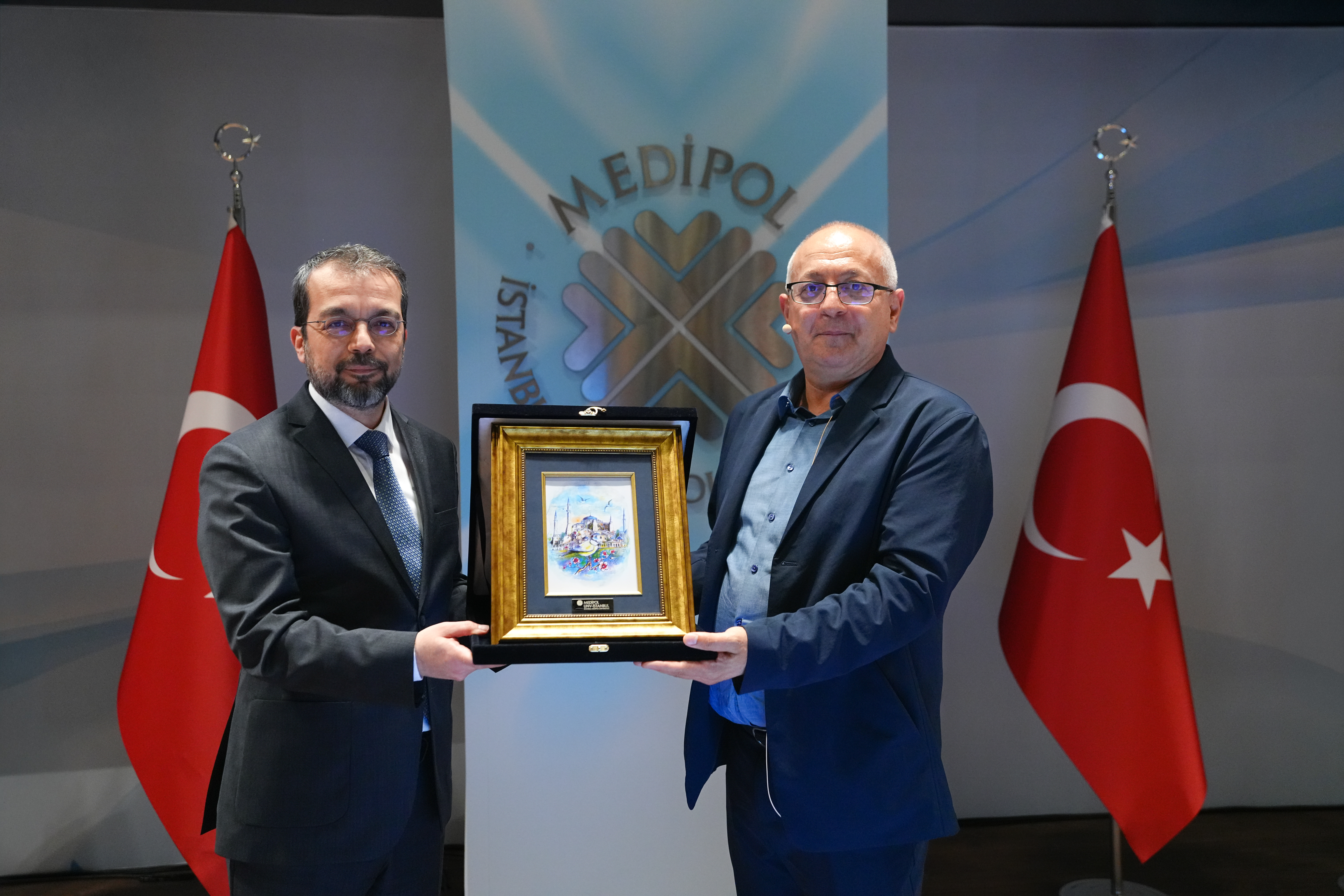
In his opening remarks, President of Istanbul Medipol University, Prof. Bahadır Kürşat Güntürk, stated:
“Professor Cemil’s scholarship powerfully demonstrates that the history of modern thought was not shaped solely by ideas that emerged in Europe. The intellectual traditions and political imaginaries of Asia, Africa, and the Islamic world also played a decisive role in the formation of the modern world. Welcome to the inaugural session of our History Talks series organized by the Department of History at Istanbul Medipol University.”
Last Update : 01/06/2026 - 14:25