R3FINE 2026 has been completed: The future of biomedical research was mapped out at Medipol
Scientists, researchers, and industry representatives from around the world gathered at Istanbul Medipol University for the R3FINE 2026 Conference. Hosted by the Institute of Health Sciences and Technologies Research (SABITA), the event focused on New Approach Methodologies (NAMs) and the 3Rs principles that are shaping the future of biomedical research.
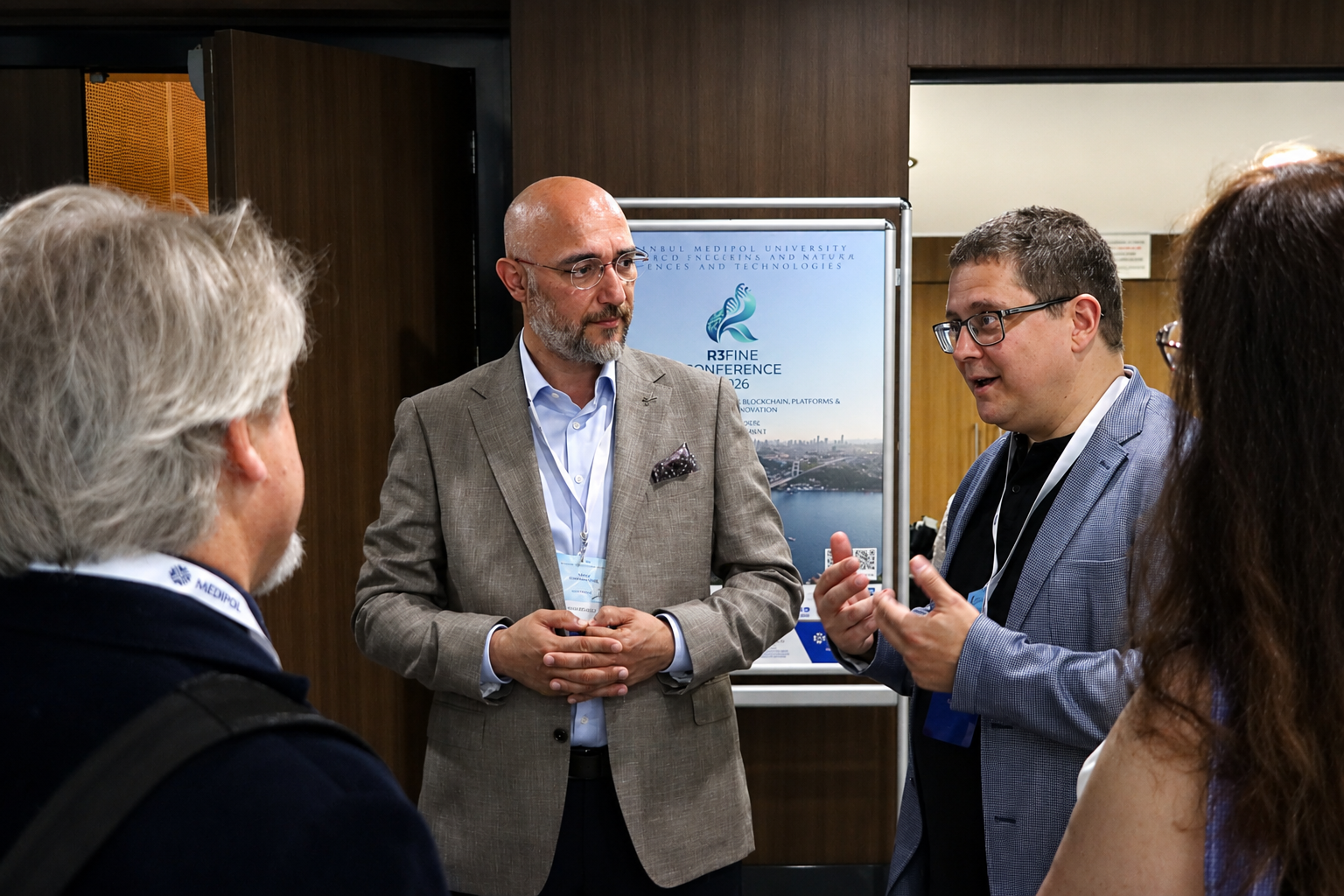
The R3FINE 2026 International Conference, organized by the Institute of Health Sciences and Technologies Research (SABITA) at Istanbul Medipol University in collaboration with Joanneum Research, the University of Dundee, and the Medical University of Graz, was held at the South Campus Conference Hall between June 11 and 14. The conference addressed the latest developments in New Approach Methodologies (NAMs) and the principles of Replacement, Reduction, and Refinement (3Rs) in biomedical research and preclinical drug development.
Bringing together scientists, academics, researchers, and students from various countries around the world, the conference made a significant contribution to international collaborations aimed at developing human-centered, ethical, and innovative approaches in biomedical research. Throughout the four-day program, participants exchanged knowledge and experience through scientific sessions, panel discussions, and hands-on workshops.
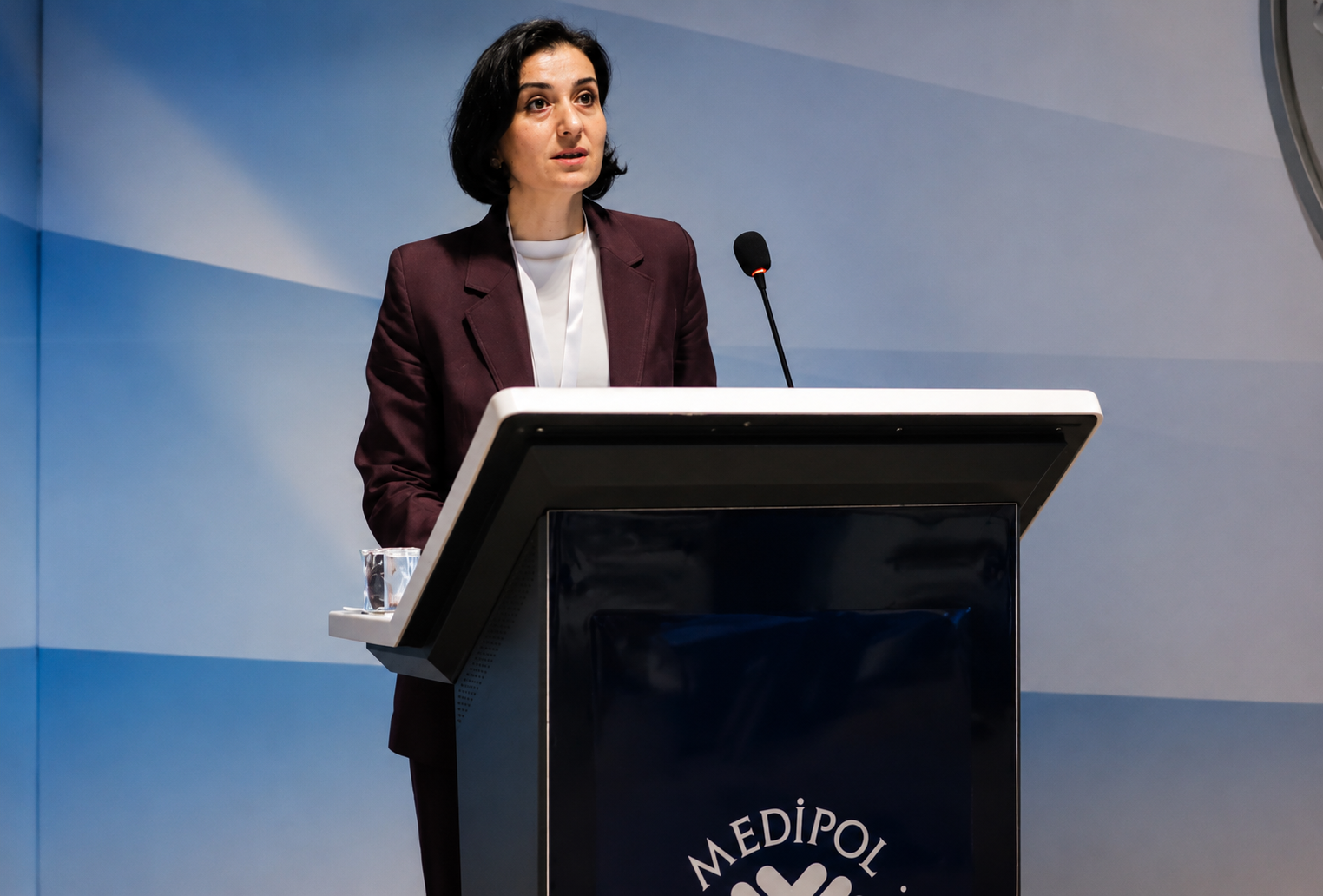
PROF. DURMAZ: NAMS AND THE 3RS APPROACH OFFER A SIGNIFICANT SCIENTIFIC OPPORTUNITY
Delivering the opening address of the conference, Istanbul Medipol University Vice President Prof. Yasemin Yüksel Durmaz expressed her pleasure at welcoming such a distinguished international scientific community to the university.
Emphasizing that NAMs and the 3Rs principles represent not only an ethical responsibility but also a major scientific opportunity, Durmaz stated that these approaches have the potential to enhance the relevance, reliability, and translational value of biomedical research. She highlighted that successful research requires strong interdisciplinary collaborations among life sciences, engineering, medicine, data science, and industry, noting that this perspective aligns closely with Istanbul Medipol University’s research vision.
Durmaz also noted that the university supports initiatives that bring scientific innovation together with clinical and societal needs through its hospitals, academic units, and multidisciplinary research infrastructure. She concluded by expressing her belief that the conference would contribute to the advancement of international scientific dialogue and thanked the organizing committee, partner institutions, and participants.
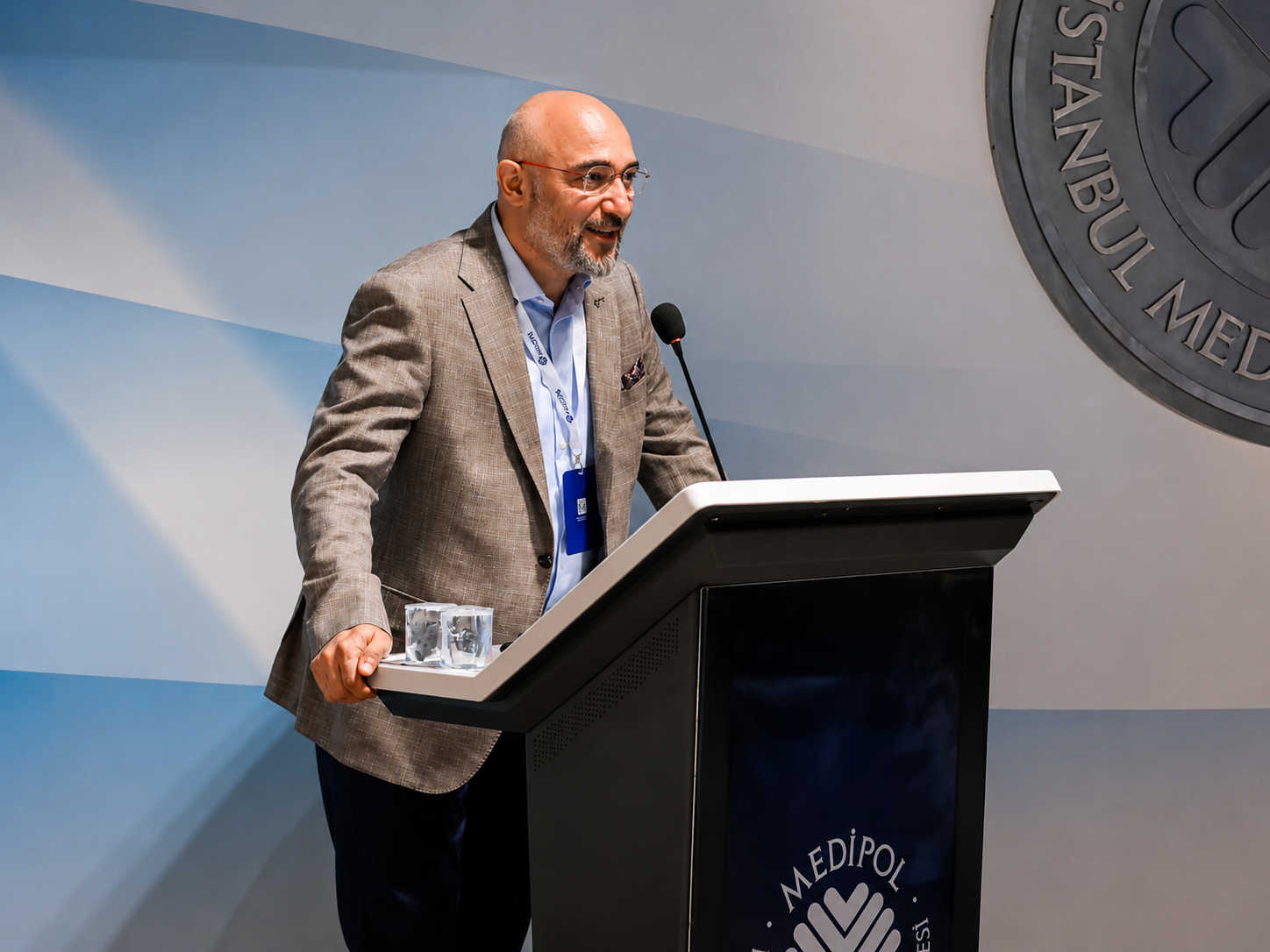
ASSOC. PROF. EROĞLU: R3FINE IS A PLATFORM CREATED TO BUILD BRIDGES
Speaking on behalf of the organizing committee, Assoc. Prof. Emrah Eroğlu of Istanbul Medipol University stated that R3FINE was established to bring together researchers from different disciplines around common goals.
Explaining that the initiative aims to make biomedical research more predictable, more relevant to human biology, more reproducible, and more responsible, Eroğlu emphasized that the conference is not limited to a specific technology or research field. He stated, “R3FINE is a platform designed to build bridges between basic biology and clinical medicine, bioengineering and pharmacology, and advanced imaging technologies and computational analyses.”
Eroğlu noted that the program was built upon four fundamental pillars: human-relevant model systems and New Approach Methodologies, biosensors and live-imaging technologies, artificial intelligence and computational sciences, and translational sciences.
Emphasizing that the 3Rs principles should be viewed not only as an ethical framework but also as a powerful scientific approach, Eroğlu stated that these principles encourage researchers to critically evaluate the models they use, improve predictability, and strengthen translational value.
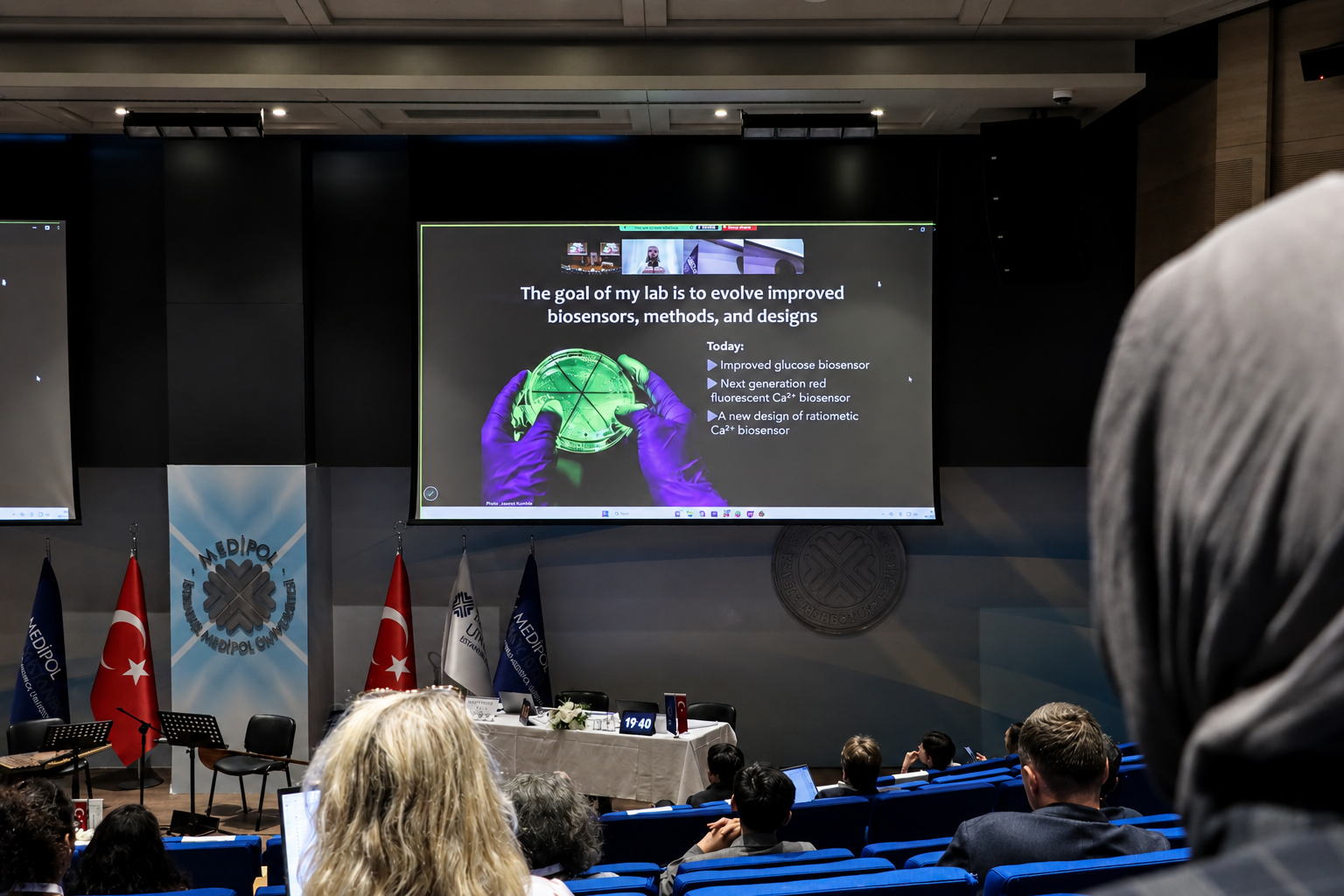
NEW APPROACHES TO ANIMAL-FREE RESEARCH DISCUSSED
The conference comprehensively addressed current topics including human-derived cell cultures, organoid and tissue models, organ-on-chip systems, genetically encoded biosensors, advanced imaging technologies, omics-based analyses, and artificial intelligence-supported research methodologies.
Participants had the opportunity to share the latest scientific developments regarding systems that move beyond traditional animal models and more accurately reflect human biology. Various sessions examined the role of NAM-based approaches in increasing reliability, reproducibility, and clinical predictability in drug development processes.
INTERNATIONAL SCIENTIFIC COMMITTEE SHAPED THE PROGRAM
The scientific program of R3FINE 2026 was designed by a broad and interdisciplinary committee composed of leading researchers from Türkiye and around the world. The organization process was carried out with contributions from Assoc. Prof. Emrah Eroğlu and Asst. Prof. Esra Nur Yiğit of Istanbul Medipol University, Prof. Albena Dinkova-Kostova of the University of Dundee, Dr. Thomas Birngruber of Joanneum Research, and Birgit Reininger-Gutmann of the Medical University of Graz.
Distinguished scientists shared their expertise and experience with participants, including Prof. Robert E. Campbell from the University of Tokyo, Prof. Anne E. Carpenter from the Broad Institute, Prof. Thomas Hartung from Johns Hopkins University, Prof. Stefan Kubicek from the Austrian Academy of Sciences, Prof. Ibrahim Tarik Ozbolat from Penn State Cancer Institute, and Prof. Reda Alhajj from Istanbul Medipol University.
The scientific committee, which included academics from Türkiye, the United States, the United Kingdom, Japan, Austria, Korea, and Italy, contributed to the interdisciplinary examination of issues shaping the future of biomedical research.
SABITA’S RESEARCH CAPACITY INTRODUCED
As part of the event, the scientific infrastructure and research capacity of SABITA, one of Türkiye’s leading centers conducting studies in accordance with NAMs and the 3Rs principles were presented to international participants.
Examples of SABITA’s research initiatives included organoid models, microfluidic organ-on-chip systems, biosensor technologies, and computational modeling studies aimed at developing ethical, predictive, and human-relevant research models.
HANDS-ON WORKSHOPS ATTRACTED STRONG INTEREST
The practical training sessions and workshop programs organized on the final day of the conference attracted significant interest from participants. Advanced training was provided on chemogenetic and imaging approaches, cell metabolism analyses, three-dimensional imaging techniques, biosensor applications, and disease modeling methodologies.
In addition to the scientific sessions, the event facilitated the establishment of new research partnerships. It enhanced Türkiye’s visibility in the fields of NAMs and the 3Rs while contributing to a more human-centered and sustainable future for biomedical research.
R3FINE 2026 CONTRIBUTED TO THE FUTURE OF BIOMEDICAL RESEARCH
New Approach Methodologies (NAMs) and the 3Rs principles, which are gaining increasing importance in biomedical research, have emerged not only as ethical approaches but also as important scientific frameworks enabling the development of more reliable, reproducible, and human-relevant scientific models.
As one of Türkiye’s pioneering centers in this field, SABITA is among the key actors driving this transformation through its research infrastructure in human-derived cell cultures, organoid and tissue models, biosensor technologies, and computational modeling.
In this context, R3FINE 2026 brought together researchers, academics, students, industry representatives, and regulatory bodies on a common platform, creating a powerful environment for knowledge exchange.
Throughout the conference, presentations and discussions shed light on the research methodologies of the future across a broad spectrum, ranging from biosensor technologies and organ-on-chip systems to artificial intelligence-supported analyses and translational sciences. While enhancing the international visibility of Türkiye’s scientific expertise in NAMs and the 3Rs, the event also laid the groundwork for the development of new research networks and collaborative initiatives.
SUSTAINABILITY EMPHASIS STOOD OUT
In addition to its scientific content, R3FINE 2026 attracted attention for its sustainability-focused approach. Conference participants received bags produced from recycled billboard materials, and a tree was planted in different regions of Türkiye on behalf of each participant. Attendees were able to access information about the trees planted in their names through QR codes.
Last Update : 14/07/2026 - 10:02