Academics emphasized a shared message: Artificial Intelligence is the key to standing out in the professions
Academics speaking at the "Science Café" event held at Istanbul Medipol University emphasized that artificial intelligence is transforming the way people work rather than eliminating professions, underscoring that AI proficiency, critical thinking and interdisciplinary collaboration will be the defining competencies of the future workforce.
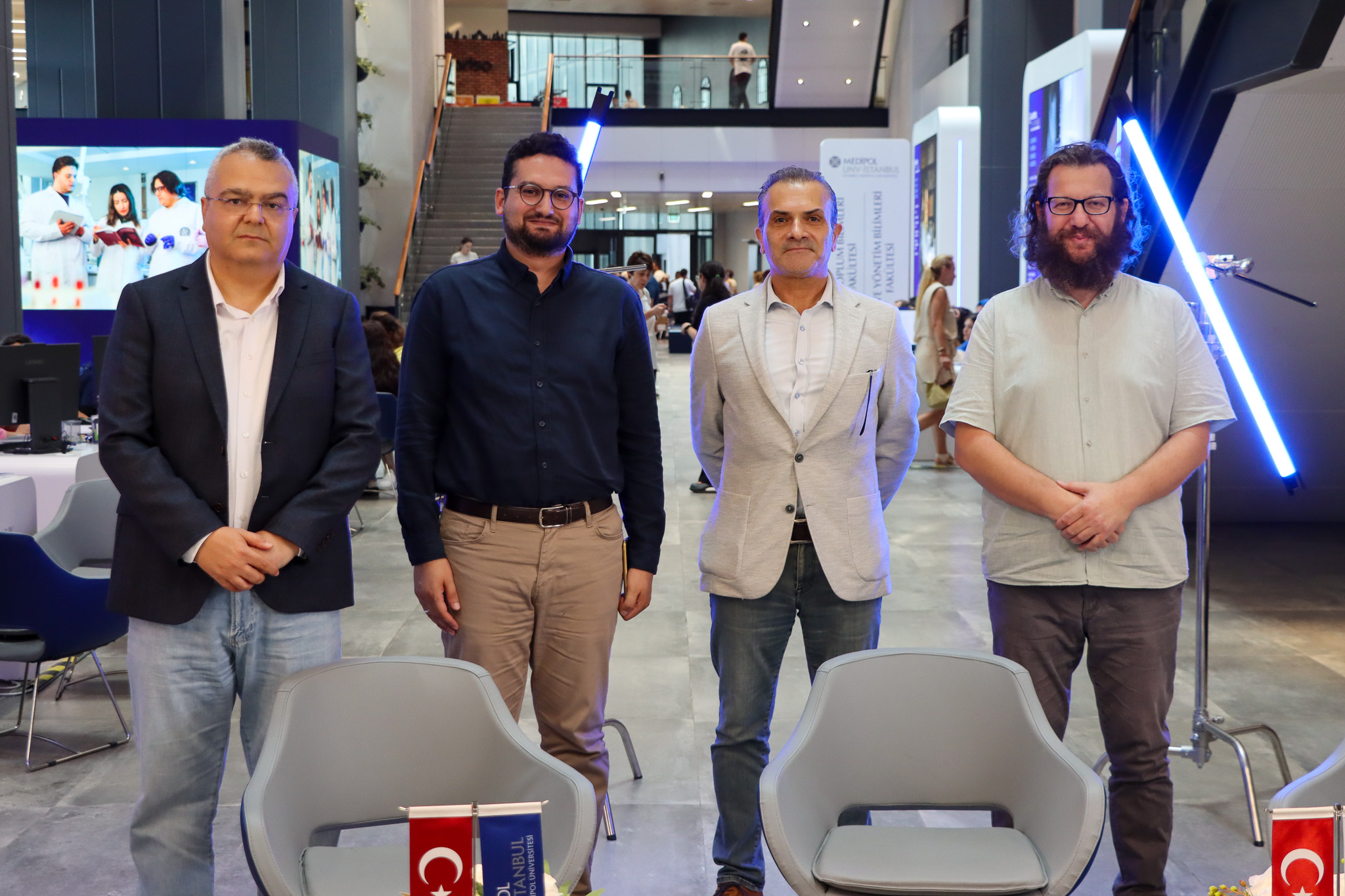
The ways in which artificial intelligence will transform the professions of the future were discussed by academics from various disciplines at the "Science Café" event held at Istanbul Medipol University. The speakers stated that AI is changing working practices rather than eliminating professions and emphasized that AI competency, critical thinking and interdisciplinary collaboration will play a central role in the future world of work.
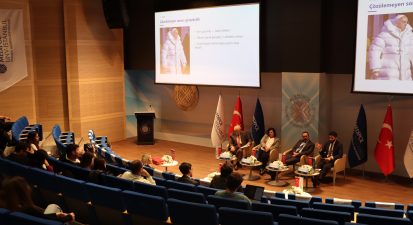
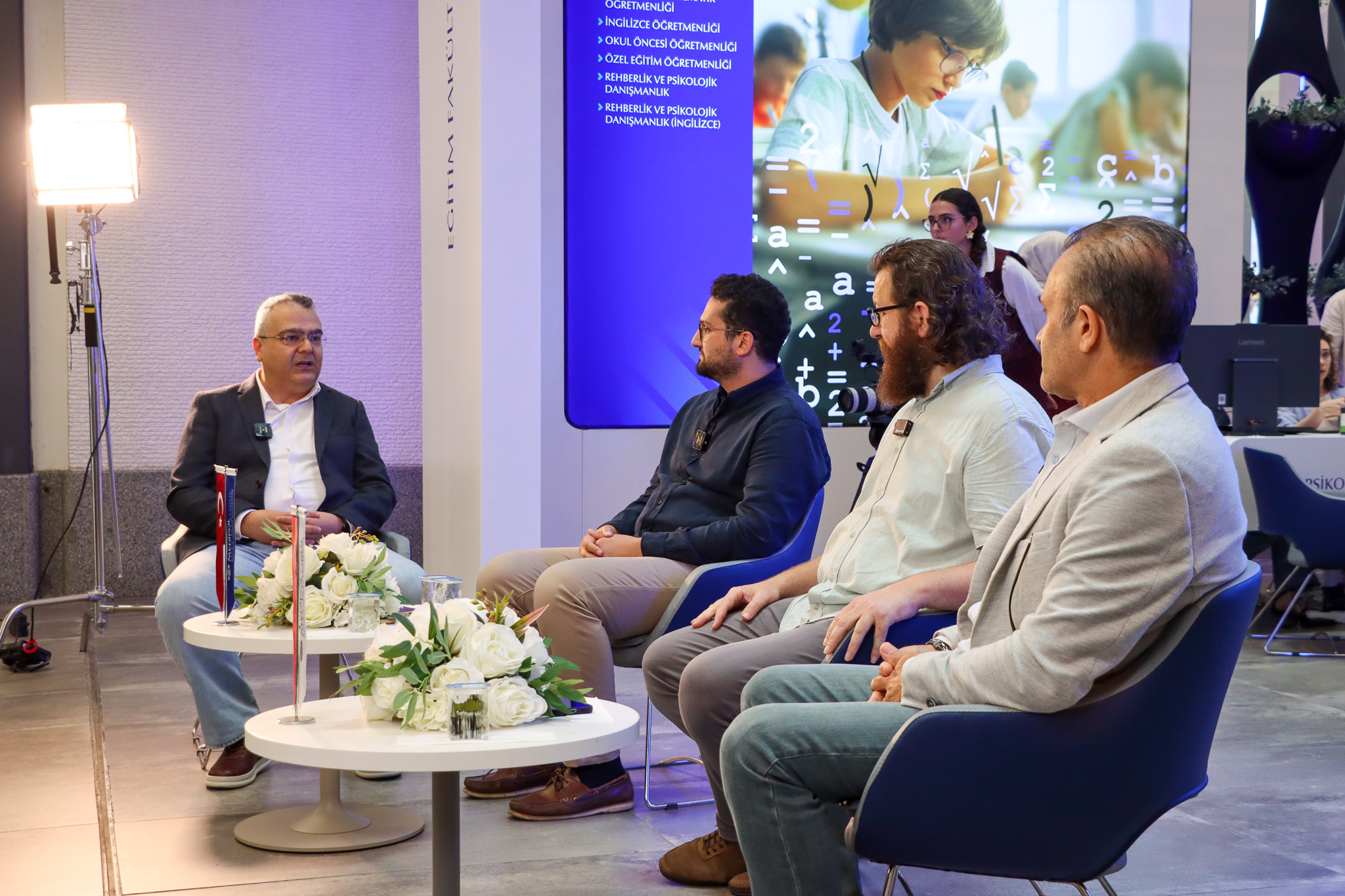
The "Professions of the Future"-themed Science Café event, organized as part of the Council of Higher Education's (CoHE) Science Communication initiatives, was held in the Ground Floor Foyer of the Kavacık South Campus at Istanbul Medipol University.
Moderated by Prof. Cem Ünsalan, a faculty member in the School of Engineering and Natural Sciences at Istanbul Medipol University, the panel featured Prof. Baha Zafer, Head of the Department of Philosophy and Artificial Intelligence in the School of Humanities and Social Sciences;Prof. Gökhan Silahtaroğlu, Head of the Department of Business Administration and Artificial Intelligence in the School of Business and Management Sciences; and Assist. Prof. Abdullah Karaarslan from the Department of History and Artificial Intelligence.
The event examined the transformative impact of artificial intelligence across a wide range of fields, including education, the business world, the social sciences, and engineering, while also evaluating the professions of the future and the new competencies that will be required in response to this transformation.
"AI IS NOT A PROFESSION BUT A NEW CORE COMPETENCY"
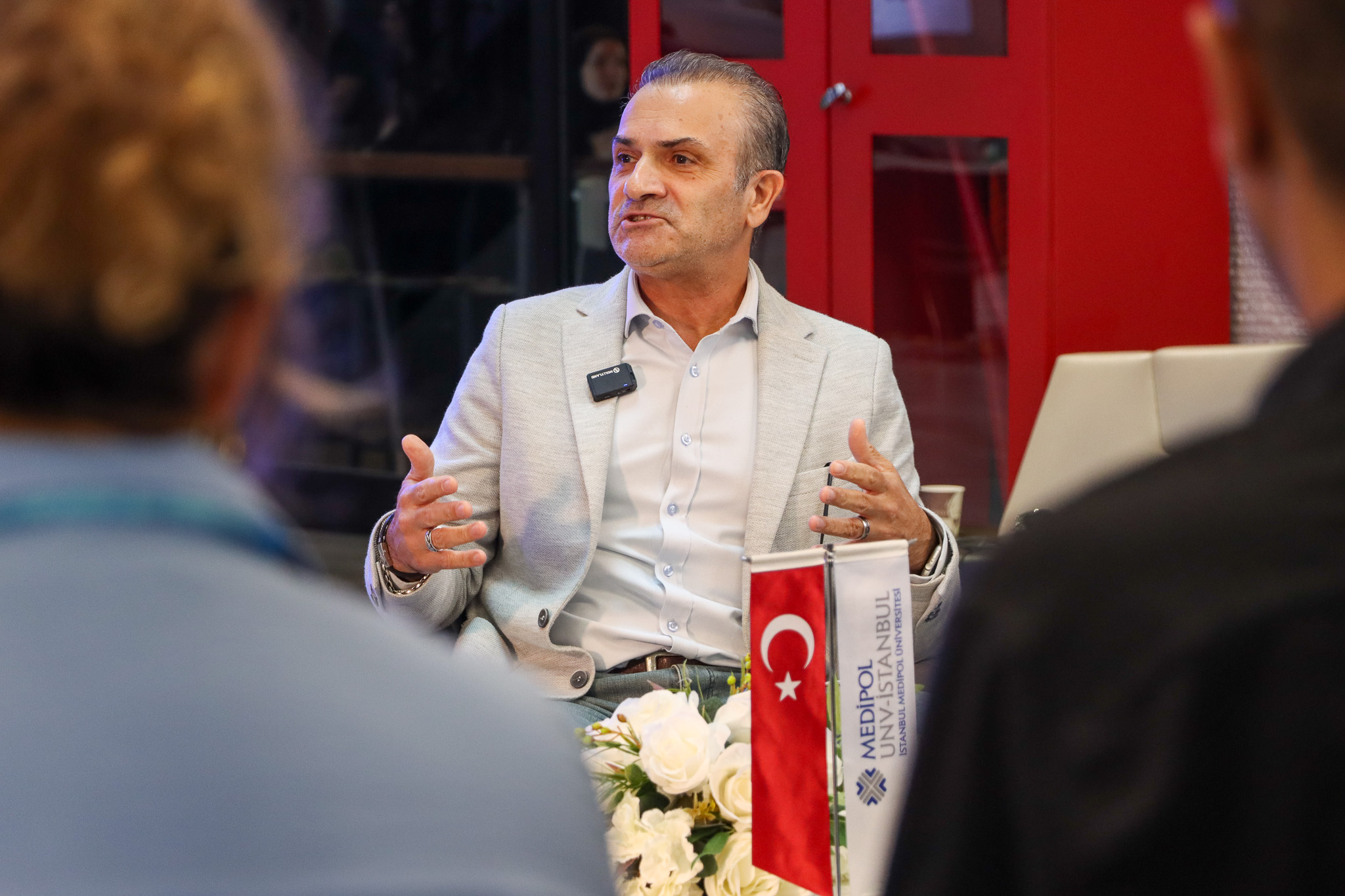
Commenting on the transformation that artificial intelligence is bringing to the business world, Prof. Gökhan Silahtaroğlu stated that AI is creating new professional fields and that institutions must transition from individual AI usage to comprehensive institutional AI policies.
Silahtaroğlu emphasized that artificial intelligence has become not merely a technological innovation for businesses but also a strategic asset capable of providing a competitive advantage. He stressed that organizations failing to prepare for this transformation would inevitably fall behind.
He also noted that universities must revise their curricula in line with these developments, adding that the Council of Higher Education is actively undertaking initiatives in this direction.
Silahtaroğlu further stated that artificial intelligence will not eliminate professions entirely but will fundamentally reshape the way people work. He predicted that professionals ranging from psychologists to physicians would increasingly work alongside AI-powered support systems.
He also emphasized that, in addition to the engineers who develop artificial intelligence technologies, professionals capable of using AI effectively within their own fields will be equally valuable, concluding: "Today, AI competency has joined English language proficiency and digital skills as an essential qualification."
"THE FOUNDATION OF HISTORICAL SCHOLARSHIP IS RELIABLE SOURCES"
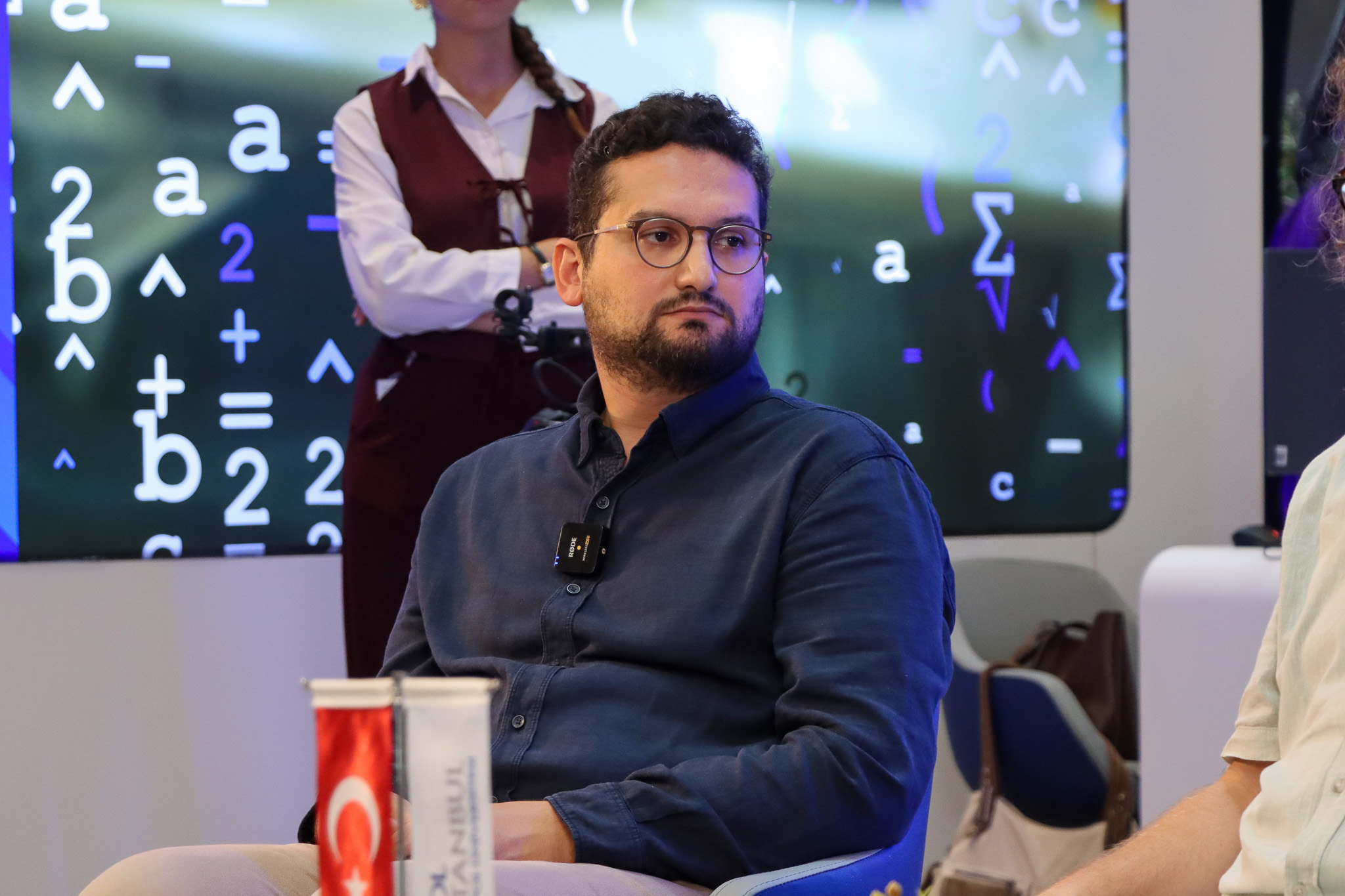
Discussing the use of artificial intelligence in the social sciences, Assist. Prof. Abdullah Karaarslan emphasized that although AI offers significant advantages for the discipline of history, it cannot replace human expertise.
Karaarslan stated that large language models remain inadequate when it comes to source-based research. He stressed that the most fundamental principle of historical scholarship is reliance on trustworthy sources and argued that students should adopt an approach centered on primary and reliable sources rather than obtaining historical information directly from AI systems.
He further explained that artificial intelligence makes substantial contributions to historical research in areas such as visualization, the reconstruction of urban history, and mapping. However, he stressed that these technologies should be regarded as tools that enhance the work of researchers rather than replace them.
Reminding the audience that AI systems are capable of making mistakes, Karaarslan emphasized the importance of ensuring that the final decision-making authority always remains with human beings across all disciplines.
“TECHNICAL KNOWLEDGE ALONE WILL NOT BE SUFFICIENT”
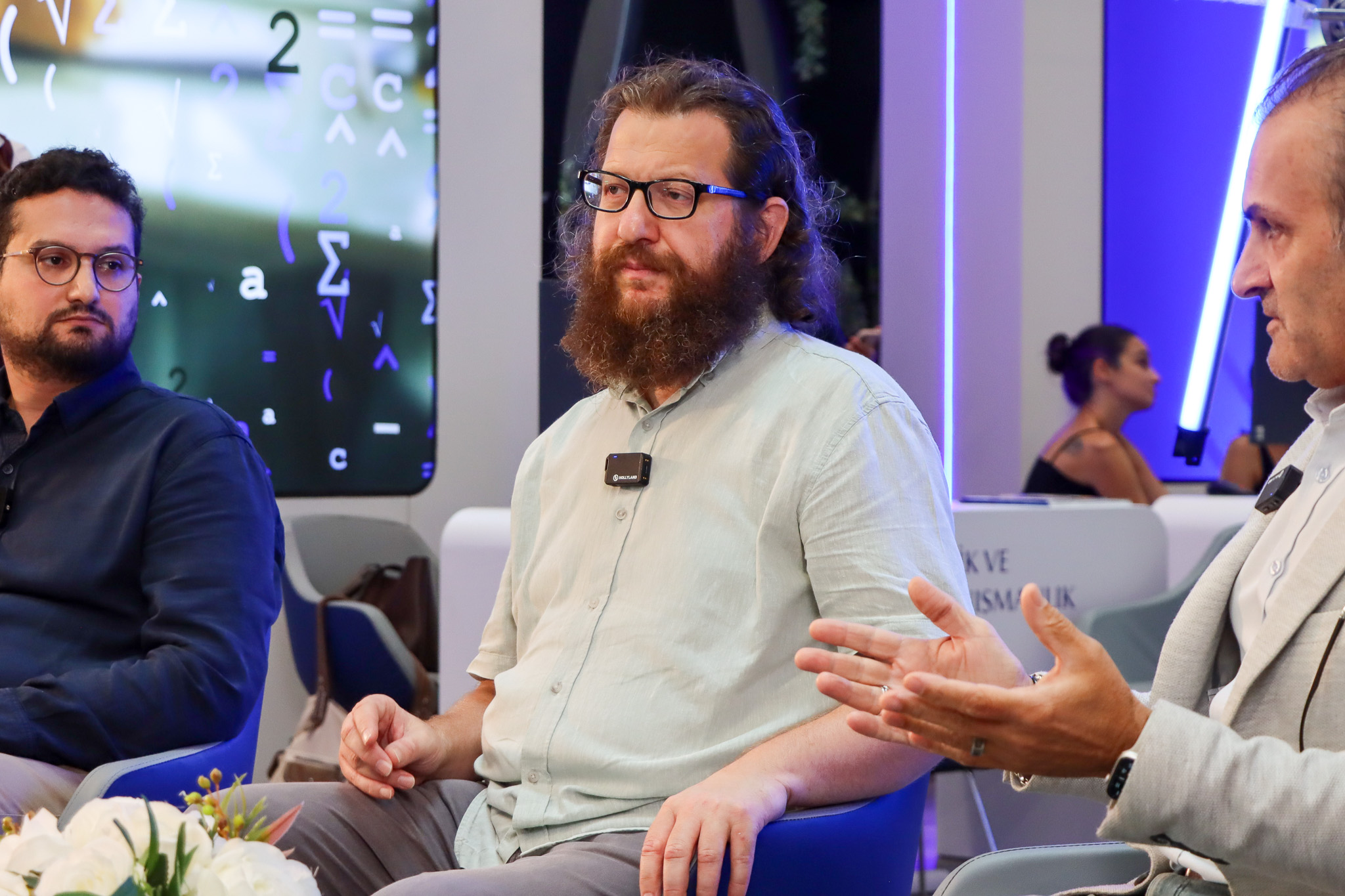
Prof. Baha Zafer, Head of the Department of Philosophy and Artificial Intelligence in the School of Humanities and Social Sciences, noted that AI models are becoming increasingly sophisticated every day and stated that, in the future, interdisciplinary thinking will be just as important as technical expertise.
Zafer argued that the "expert intervention" layers being developed within artificial intelligence systems could become significantly more robust through philosophy's conceptual and argument-based approach. He added that philosophy would contribute to the advancement of artificial intelligence by collaborating with a wide range of disciplines, including engineering, law, psychology, and business.
Encouraging young people to cultivate interdisciplinary thinking skills, Zafer stated that possessing technical knowledge alone would not be sufficient for the professions of the future and that professionals capable of integrating expertise from multiple fields would stand out more prominently.
“AI IS TRANSFORMING ALL DISCIPLINES”
Prof. Cem Ünsalan, who moderated the event, stated that artificial intelligence represents a powerful paradigm shift that is transforming every discipline, from engineering to the social sciences.
In his concluding remarks, Ünsalan observed that artificial intelligence has become an inescapable reality in fields such as history, philosophy, and business. He stated that professionals who successfully adapt to this transformation and use AI effectively will create greater value in the future.
The speakers reached a shared consensus that artificial intelligence is a technology that transforms working practices across virtually every field rather than replacing human beings. They emphasized that, alongside technical expertise, AI competency, critical thinking, and interdisciplinary collaboration will be the defining factors for success in the future world of work.
Last Update : 05/08/2026 - 17:00