Joint research by Dr. Yasemin Kübra Akyel and Prof. Aziz Sancar
Research conducted by Istanbul Medipol University faculty member Dr. Yasemin Kübra Akyel in the laboratory of Nobel laureate Prof. Aziz Sancar has revealed that the biological clock’s influence on gene activity varies according to age and organ. The study, which examined brain, liver, kidney, and testicular tissues, also identified a new finding concerning the mechanism responsible for repairing DNA damage in the brain. The findings highlight the importance of considering age when determining the timing of drug administration.
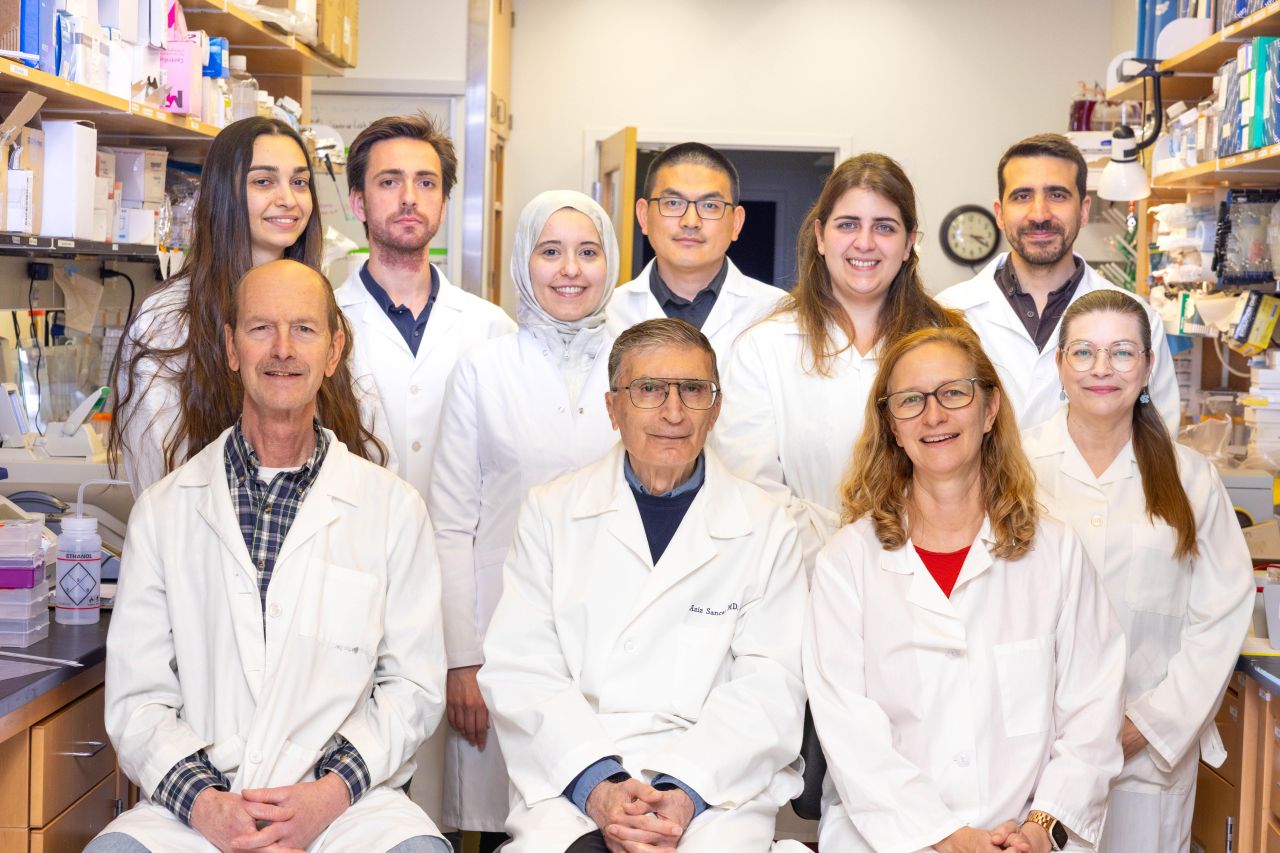
A scientific journey that began at Istanbul Medipol University and extended to the laboratory of Nobel laureate Prof. Aziz Sancar has culminated in a study yielding significant insights into the functioning of the biological clock. The research, titled “Circadian Controlled Transcription in Brain and Peripheral Organs of Juvenile and Adult Mice”, was conducted by Assist. Prof. Yasemin Kübra Akyel, a faculty member in the Department of Medical Pharmacology at Istanbul Medipol University School of Medicine, in collaboration with Prof. Aziz Sancar, Dr. Kaan Arslan, and Dr. Cansu Köse. The study was published in the international scientific journal International Journal of Molecular Sciences. The research demonstrated that although the core clock mechanism regulating the body’s approximately 24-hour biological rhythm remains largely conserved, the activity of genes controlled by this mechanism can change substantially during development. The findings provide a new scientific framework suggesting that administering medications at the same time of day may not produce equivalent biological effects in children and adults.
A SCIENTIFIC JOURNEY FROM MEDIPOL TO THE SANCAR LABORATORY
Behind the research lies an academic journey that began years ago in Türkiye and continued in the United States at the laboratory of a Nobel laureate. Assist. Prof. Yasemin Kübra Akyel, whose research focuses on circadian rhythms, anticancer drugs, and drug behavior in the body, received the TÜBİTAK Aziz Sancar Postdoctoral Research Fellowship in 2022 and was accepted into the Sancar Laboratory at the University of North Carolina.
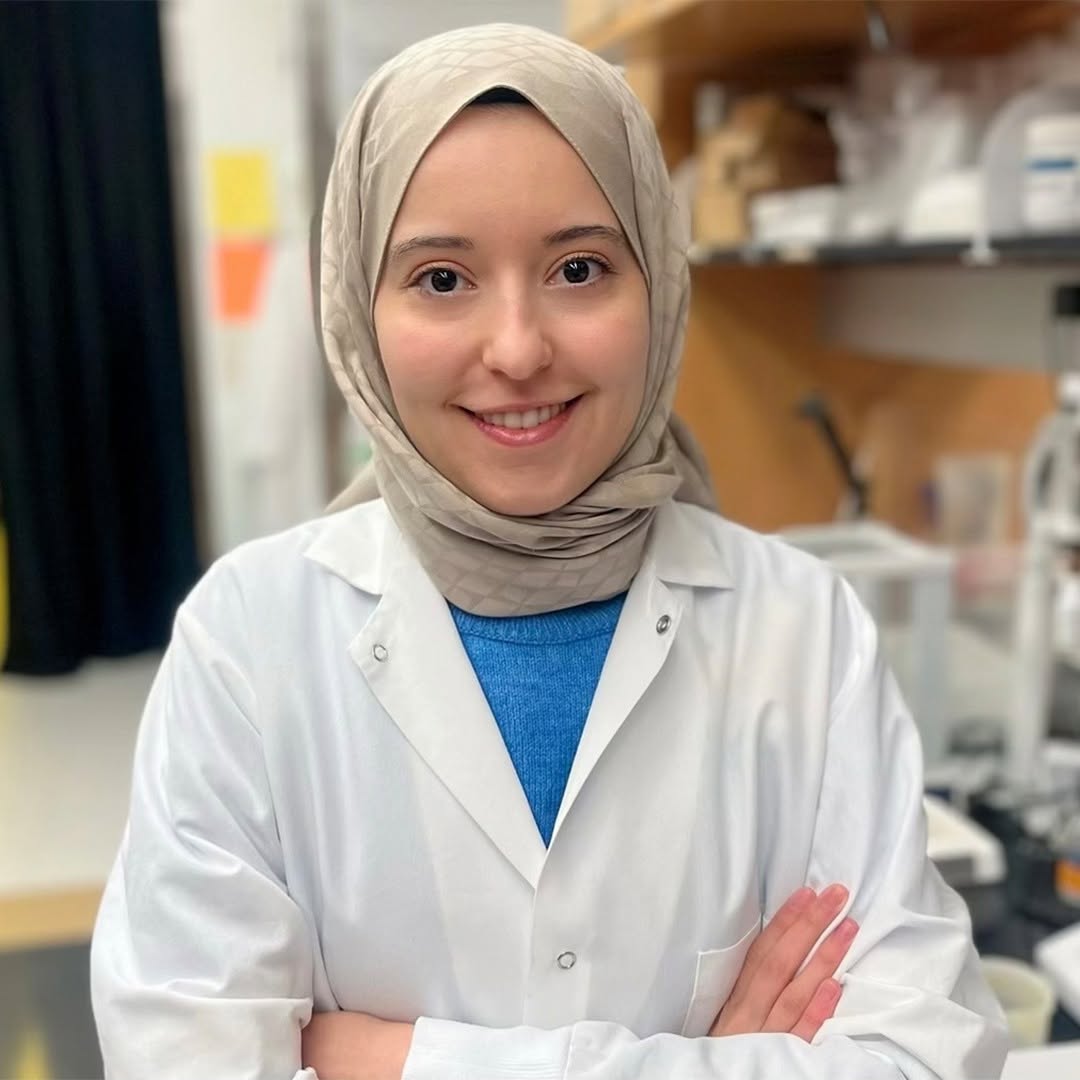
Akyel’s earlier research in Türkiye had focused on the importance of the time of day at which medications are administered in relation to treatment outcomes. Aziz Sancar’s pioneering work on DNA repair and the biological clock provided a foundation for advancing this line of research at an international level.
In a 2023 interview with the Turkish newspaper Sabah, Akyel described how she had been influenced by Aziz Sancar’s scientific discipline and approach to research. She also spoke about working in an intensive research environment where laboratory findings were systematically evaluated. In the same interview, she expressed her ambition to translate the scientific experience gained at the Sancar Laboratory into new research initiatives and contribute to scientific research in Türkiye.
The study led by Akyel, whose findings were published in 2026, became one of the tangible outcomes of this scientific journey.
THE BIOLOGICAL CLOCK DOES NOT FUNCTION IDENTICALLY AT EVERY AGE
Numerous physiological processes in the human body, ranging from sleep–wake cycles and hormone secretion to metabolism and cellular activity, are regulated by the biological clock. However, how the influence of this regulatory system on gene activity changes across different stages of life remains an important area of scientific investigation.
To address this question, Aziz Sancar and the research team compared gene activity in the brain, liver, kidney, and testicular tissues of juvenile and adult mice over a 24-hour cycle. The study employed XR-seq, a method that enables highly sensitive analysis of gene activity by examining molecular signatures generated during DNA repair.
The findings revealed that the rhythms of core clock genes remained largely similar in juvenile and adult mice, whereas the activity of numerous genes regulated by the biological clock changed significantly with age. Moreover, these changes were not uniform across organs. Rhythmic gene activity in the brain, liver, and kidneys was particularly concentrated around sunrise and sunset, while no pronounced rhythmic pattern was observed in testicular tissue.
The findings from brain tissue further illustrated the extent of age-related variation. Only approximately 5% of rhythmic genes exhibited similar timing patterns in juvenile and adult mice, while a substantial proportion displayed rhythmic activity exclusively within a particular age group. These results demonstrated that although the fundamental biological clock mechanism remains conserved, the molecular signals received by cells from this clock undergo reorganization during development.
THE OPTIMAL TIMING OF DRUG ADMINISTRATION MAY VARY WITH AGE
One of the most significant aspects of the research is its potential contribution to the future planning of drug therapies. The therapeutic effects and adverse effects of medications can vary not only according to dosage but also depending on when they are administered in relation to the body’s biological rhythms. This approach is known in medicine as chronotherapy.
The new study suggests that medication schedules designed around specific biological rhythms in adults may not necessarily be directly applicable to children. This is because the daily activity patterns of genes involved in cellular processes affected by medications can change across developmental stages.
Nevertheless, the research was not a clinical drug trial involving patients. Although the molecular findings obtained from mouse tissues are insufficient on their own to justify changes to medication schedules for children, they provide an important starting point for investigating age-specific treatment timing.
Commenting on the study’s findings, Assist. Prof. Yasemin Kübra Akyel stated:
“The role of the biological clock in determining the effects of medications has been investigated for many years. However, findings from experimental studies do not always translate directly into clinical outcomes. In our study involving mice, we demonstrated that the activity of genes regulated by the biological clock changes substantially with age. We also showed, for the first time, that DNA damage caused in the brain by the anticancer drug cisplatin is repaired through a mechanism known as nucleotide excision repair, in which cells remove damaged segments of DNA to restore its integrity. The age-related differences we observed, in particular, underscore the importance of considering age in research on the timing of drug administration. However, further experimental and clinical studies are needed to understand how these findings may translate into treatment.”
FROM DNA REPAIR TO PERSONALIZED TREATMENTS
The research of Prof. Aziz Sancar, who received the 2015 Nobel Prize in Chemistry for his work on DNA repair, has made a significant contribution to understanding how cells repair genetic damage. The new study demonstrated for the first time that DNA damage caused in the brain by the anticancer drug cisplatin is repaired through a mechanism known as nucleotide excision repair. This mechanism enables cells to repair genetic material by excising damaged sections of DNA.
By analyzing molecular data generated during DNA repair, the researchers compared daily patterns of gene activity across different organs. This approach enabled a highly sensitive examination of how gene activity in brain tissue, in particular, changes in response to the biological clock.
The study further demonstrated that the biological clock is not merely a mechanism governing sleep and wakefulness but a complex, multilayered regulatory system closely associated with age, organ-specific characteristics, and cellular functions. The findings are expected to contribute to future research on age-sensitive chronotherapy and the personalization of treatment timing.
Last Update : 17/11/2026 - 14:08