Medipol TTO prepares 33 entrepreneurship projects for the future
Istanbul Medipol University Technology Transfer Office (TTO) held the launch event for its Acceleration Program for the second call period of 2026 within the scope of the TÜBİTAK 1812 – BİGG Investment Program. The 33 projects admitted to the program took their first steps toward transforming their ideas into products through training and support in areas such as business plan preparation, customer and market analysis, prototyping, and business model development.
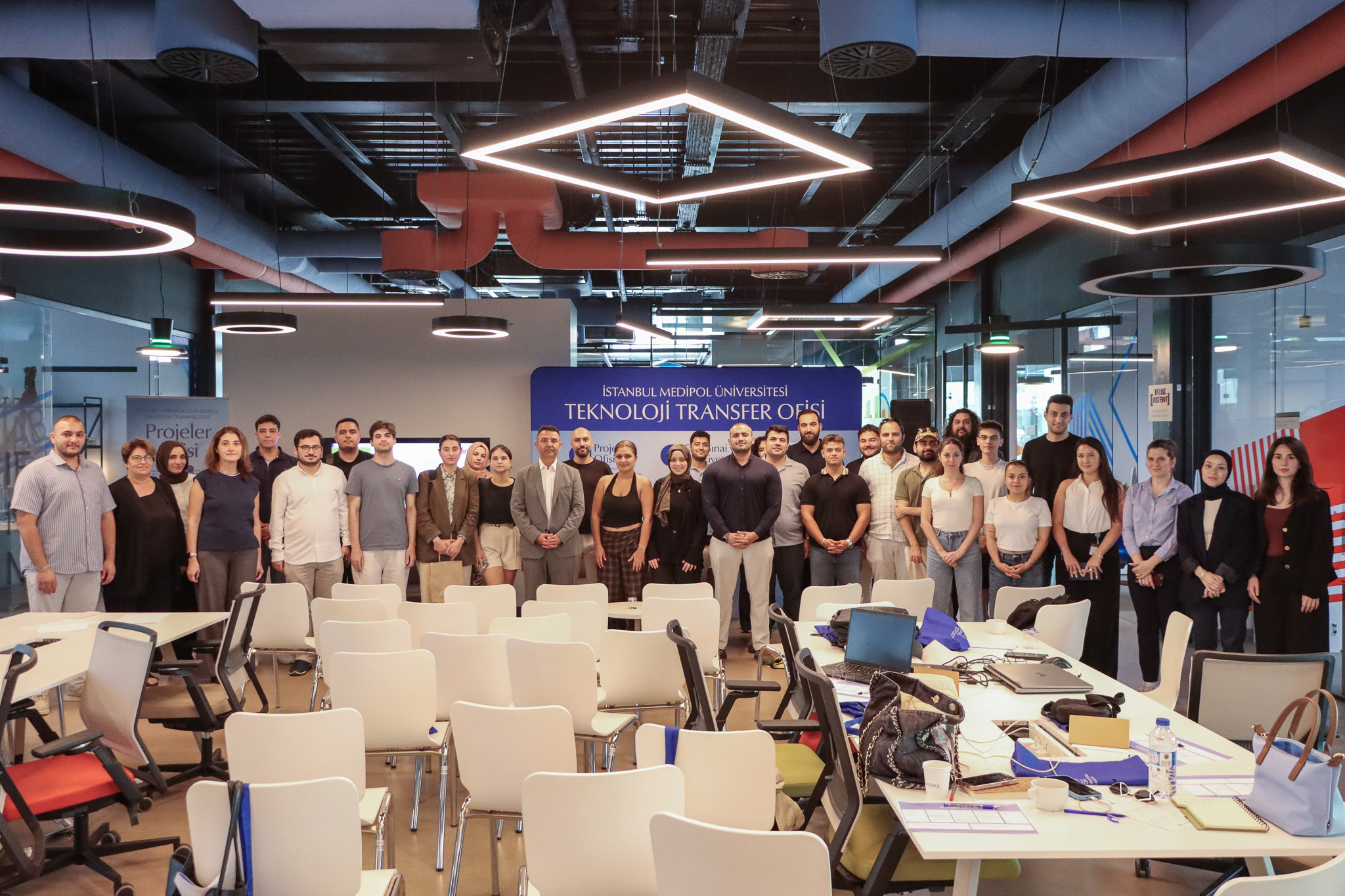
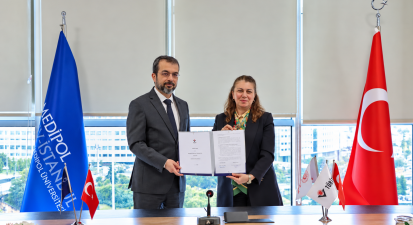
The launch event for the Acceleration Program for the second call period of 2026 was held within the scope of the TÜBİTAK 1812 – BİGG Investment Program, implemented by the Istanbul Medipol University Technology Transfer Office (TTO). Conducted in consortium partnership with Yeditepe University, Istanbul Kültür University, and Ankara Medipol University, the program aims to support entrepreneurs in transforming their ideas into products and to equip them with competencies in areas such as business plan preparation, customer validation, and market analysis. A total of 33 selected projects were admitted to the acceleration process.
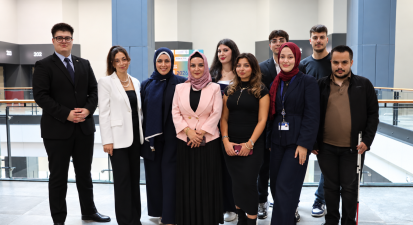
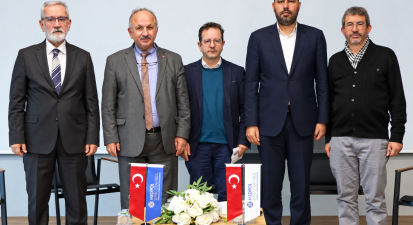
The event, held at the Medipol TTO building was attended by Prof. Yasemin Yüksel Durmaz, Vice President of Istanbul Medipol University; Prof. Oğuz Bayat, Vice President of Yeditepe University; Elçin Dilek Kaya, Manager of Medipol TTO; Fatma Gizem Ak, Senior Entrepreneurship Specialist at Medipol TTO; Yusuf Mustafa Saatçı, Laboratory Supervisor at Medipol TTO; Enise Aktürk, Assistant Technology Development Specialist at Medipol META TEKMER; Assoc. Prof. Yurdagül Meral, a faculty member at Istanbul Medipol University School of Business and Management Sciences and Founder of RAMER Foreign Trade Consultancy Digital Advertising and Marketing Inc.; Assist. Prof. Hasan Sağcan, Founder of SAGEN Biotechnology Industry Limited Company; Nizamettin Sami Harputlu, Co-Founder of StartupCentrum; Zeynep Sude Budak, Assistant Entrepreneurship Incubation Specialist at Medipol TTO; and Gizem Fatma Erdoğan, Assistant Media and Communication Specialist at Medipol TTO.
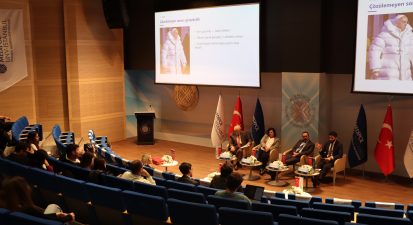
The event addressed a wide range of topics, from the entrepreneurship ecosystem and business plan preparation processes to customer and market analysis and the growth stages of technology-based ventures. While entrepreneurs were introduced to the program’s overall structure, modules, schedule, and output-oriented methodology, activities based on the Business Model Canvas were conducted to help participants define their ideas more clearly and practically in accordance with market needs.
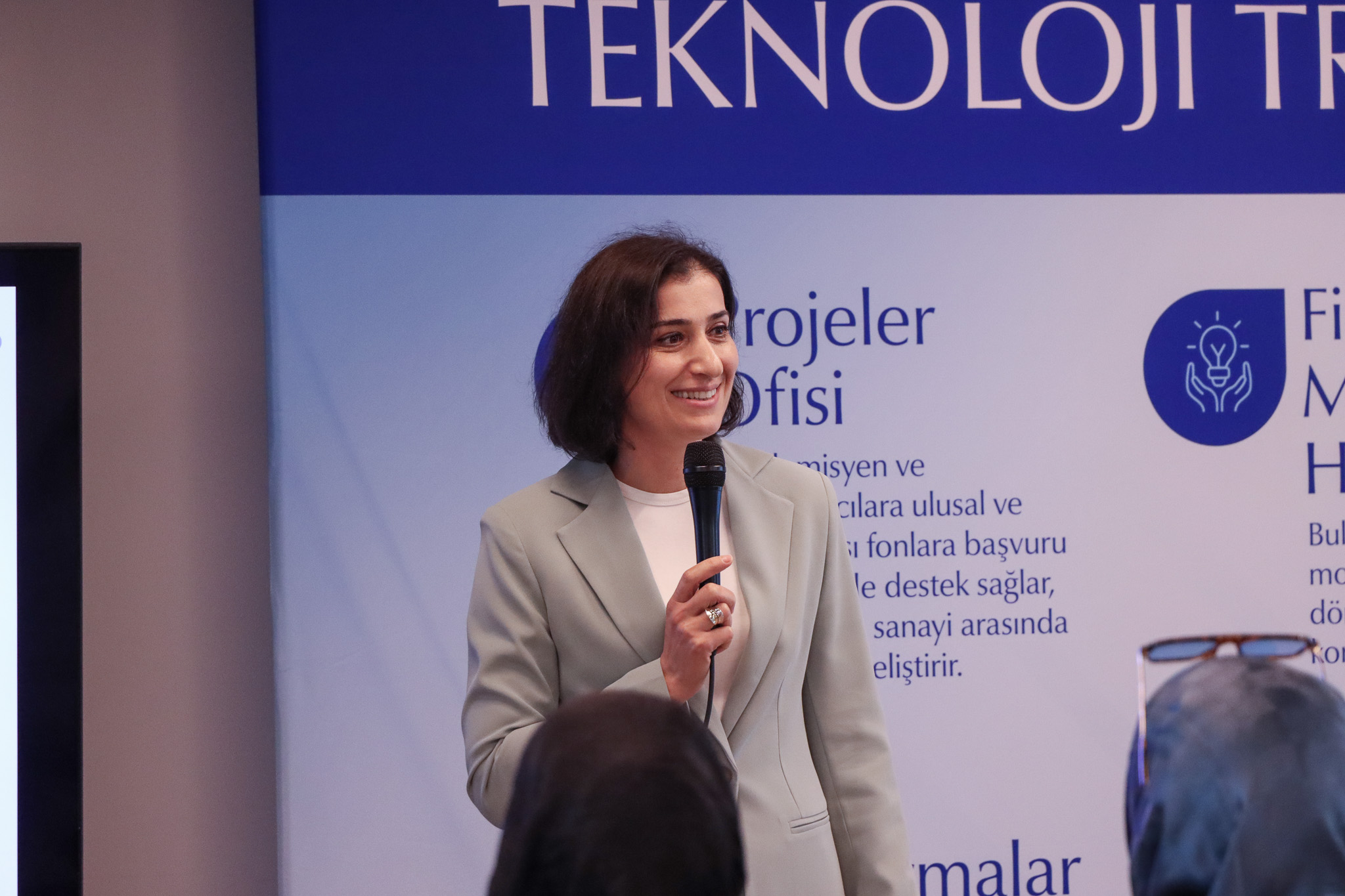
PROF. DURMAZ: PRODUCING VALUE THAT BENEFITS SOCIETY IS PART OF THE UNIVERSITY’S MISSION
Delivering the opening address, Prof. Yasemin Yüksel Durmaz, Vice President of Istanbul Medipol University, drew attention to universities’ responsibility to create value for society in addition to providing education and conducting research. Emphasizing the importance of transforming the knowledge and solutions developed at universities into societal benefit, Durmaz said:
“As Medipol University, we have always regarded providing high-quality education as one of our foremost priorities. At the same time, we attach at least as much importance to conducting high-quality research as we do to education. This is because we believe that universities have significant responsibilities toward society. As part of this responsibility, we must produce work that adds value to society and delivers tangible benefits. Therefore, we consider it important that every solution we develop should have a meaningful impact not only from an academic perspective but also in terms of societal benefit.”
Stating that Medipol has participated in the program as an implementing organization since 2020, Durmaz noted that 46 out of 56 projects were admitted to the Acceleration Program in the first half of 2026, while 33 out of 37 projects were admitted during the second call period. Durmaz stated that approximately 30 percent of the projects were developed by Medipol academics and students, adding that transforming the knowledge generated at the university into products and societal benefit is among its primary objectives.
Durmaz said, “We are a young university with a 15-year history. Nevertheless, we have built up a substantial body of knowledge and value, and we are also one of the leading universities in the field of patents. However, what truly matters to us is that the knowledge and technology we produce are transformed into products and ultimately deliver tangible benefits to society.” She also highlighted the importance of having the right team and the right timing in entrepreneurship, thanked the stakeholders and the TTO team for their contributions to the program, and wished the entrepreneurs every success.
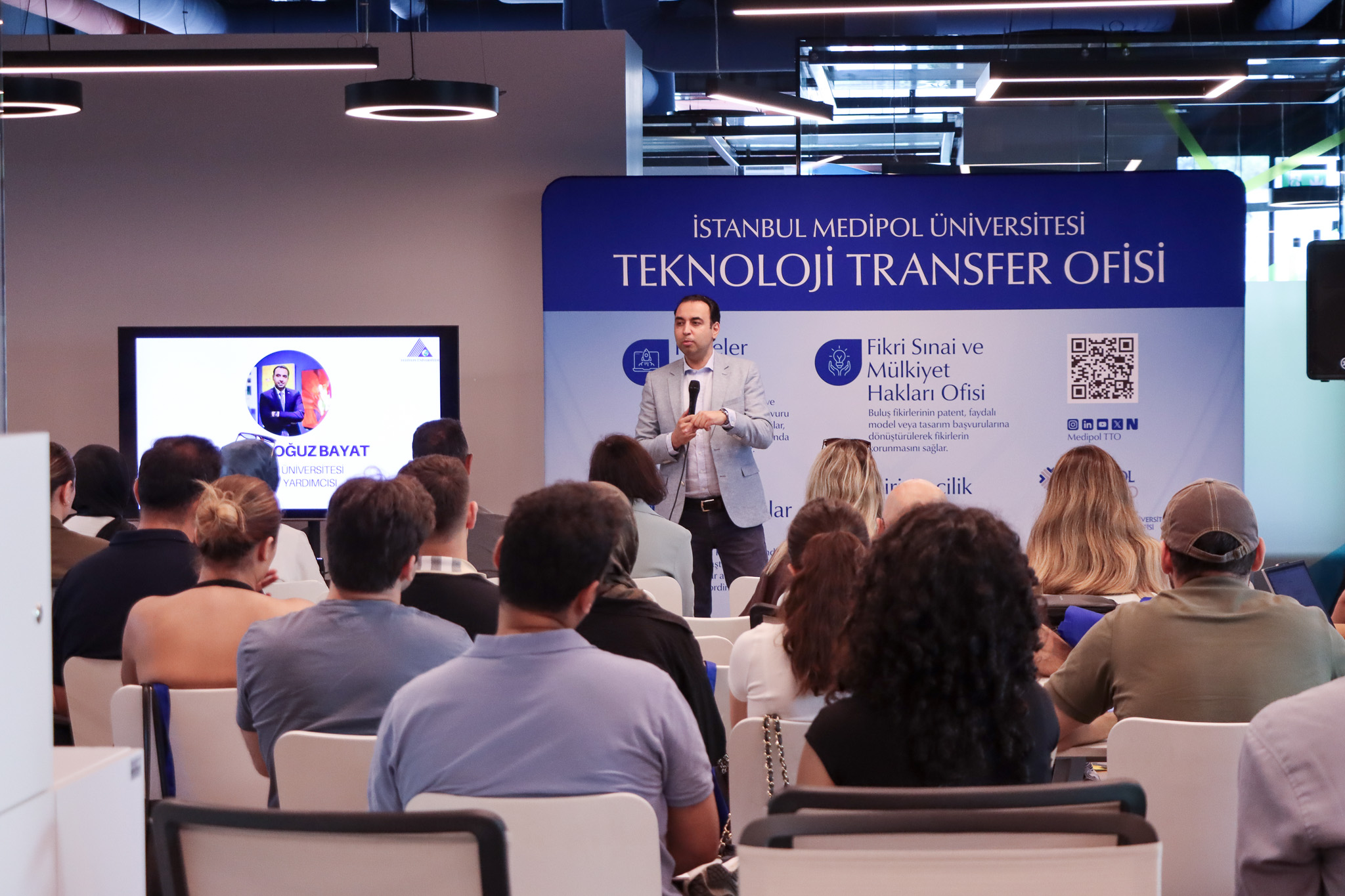
PROF. BAYAT: THE CHAMPIONS OF THE FUTURE WILL EMERGE FROM AMONG THESE 33 ENTREPRENEURS
Prof. Oğuz Bayat, Vice President of Yeditepe University, addressed the importance of collaboration between the two universities. Stating that Medipol TTO’s previous work and achievements had played an influential role in their decision to join the consortium, Bayat said, “We are proud to be working together.”
Emphasizing that the program provides entrepreneurs with more than financial support, Bayat stated that the knowledge and experience they would acquire in areas such as business plan preparation, finance, and marketing would yield significant long-term benefits. Drawing on examples from his own entrepreneurial experience, Bayat wished all the entrepreneurs success, saying, “We believe that the champions of the future will emerge from among these 33 ventures. Therefore, do not forget us or the steps being taken here today.”
KAYA: WE ARE HERE TO PROVIDE EVERY FORM OF SUPPORT
Elçin Dilek Kaya, Manager of Medipol TTO, provided information about the program’s consortium structure and the opportunities offered to entrepreneurs within the TTO. Stating that they serve academics, students, and stakeholders with a full-time team of approximately 25 people, Kaya explained that they provide support across a variety of areas, ranging from incubation and pre-incubation facilities to mentoring, project support, clinical research, and intellectual and industrial property rights.
Introducing the team involved in the program and the consortium stakeholders to the participants, Kaya stated that entrepreneurs would be able to remain in contact with the TTO throughout the process and said, “Whenever you encounter any problem, we at Medipol University are always here to support you. Please do not hesitate to contact us. We are ready to provide all the support we can in any area in which you may need assistance.”
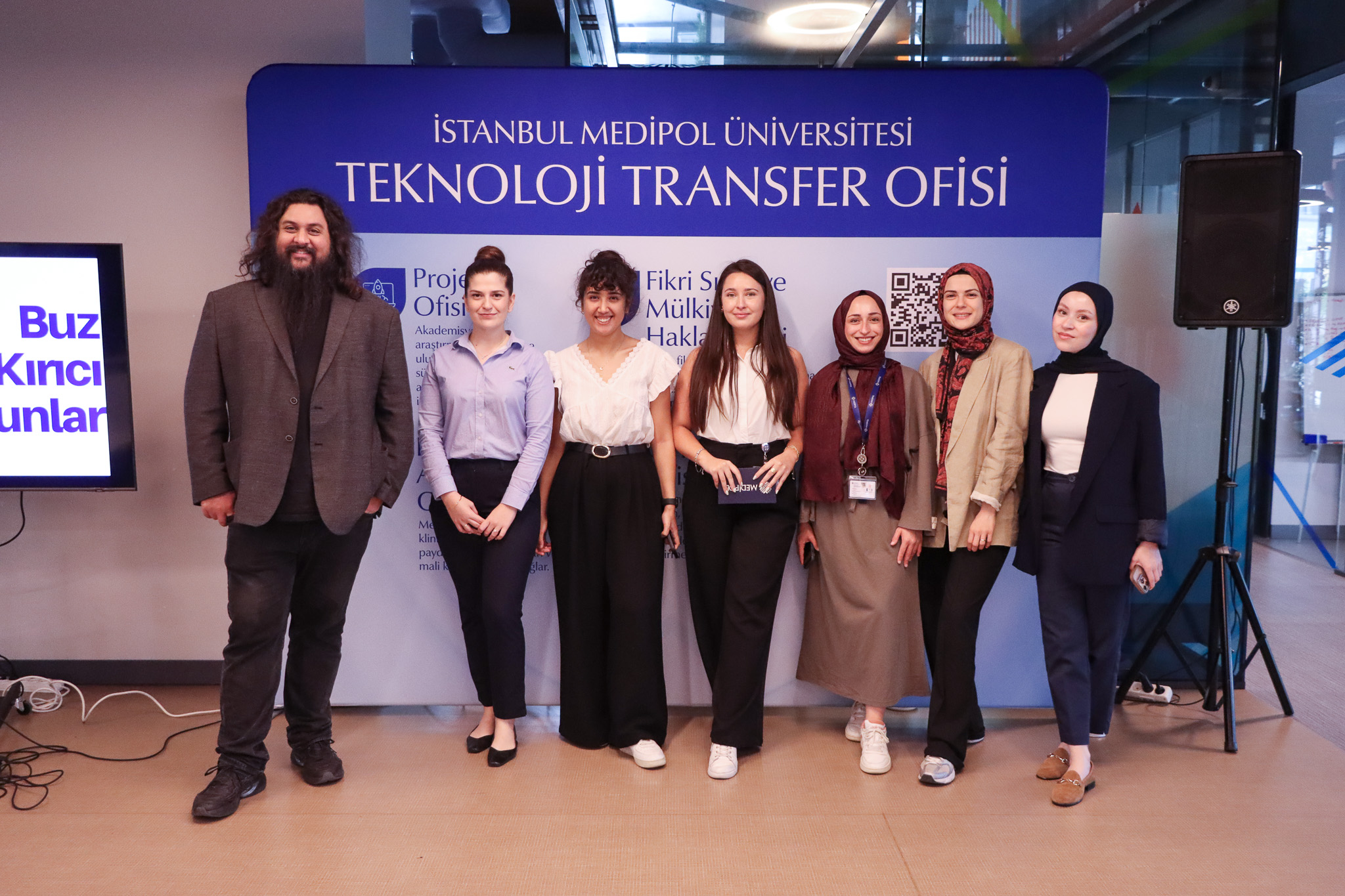
FUNDAMENTAL CONCEPTS OF THE ENTREPRENEURSHIP ECOSYSTEM WERE PRESENTED
During the first training session of the event, Fatma Gizem Ak, Senior Entrepreneurship Specialist at Medipol TTO, met with participants as part of a training session entitled “Introduction to Entrepreneurship: Preparing a Business Plan File from the TÜBİTAK BİGG Perspective / Overall Structure of the Program, Modules, Schedule, and Output-Oriented Methodology.”
Addressing the fundamental concepts of the entrepreneurship ecosystem, Ak provided information about the structure, modules, schedule, and output-oriented methodology of the TÜBİTAK BİGG Program. The training covered the key elements that entrepreneurs should consider when preparing their business plan files and aimed to equip participants with practical knowledge and skills relevant to the process.
PROTOTYPING AND LABORATORY SUPPORT FOR ENTREPRENEURS
Yusuf Mustafa Saatçı, Laboratory Supervisor at Medipol TTO, explained the prototyping and laboratory facilities that entrepreneurs can utilize in the process of transforming their ideas into products. Stating that three different laboratories within the TTO, together with the container facility operating within the scope of TEKMER, provide entrepreneurs with technical infrastructure support, Saatçı drew attention to the importance of laboratory facilities in the product development process.
DETAILS OF THE BUSINESS PLAN PREPARATION PROCESS WERE SHARED
Enise Aktürk, Assistant Technology Development Specialist at Medipol META TEKMER, provided practical information on the process of preparing a business plan file. In line with the program’s modules and output-oriented approach, Aktürk explained the points entrepreneurs should take into consideration when preparing their files and offered assessments on how to present a business idea in a systematic and comprehensible manner.
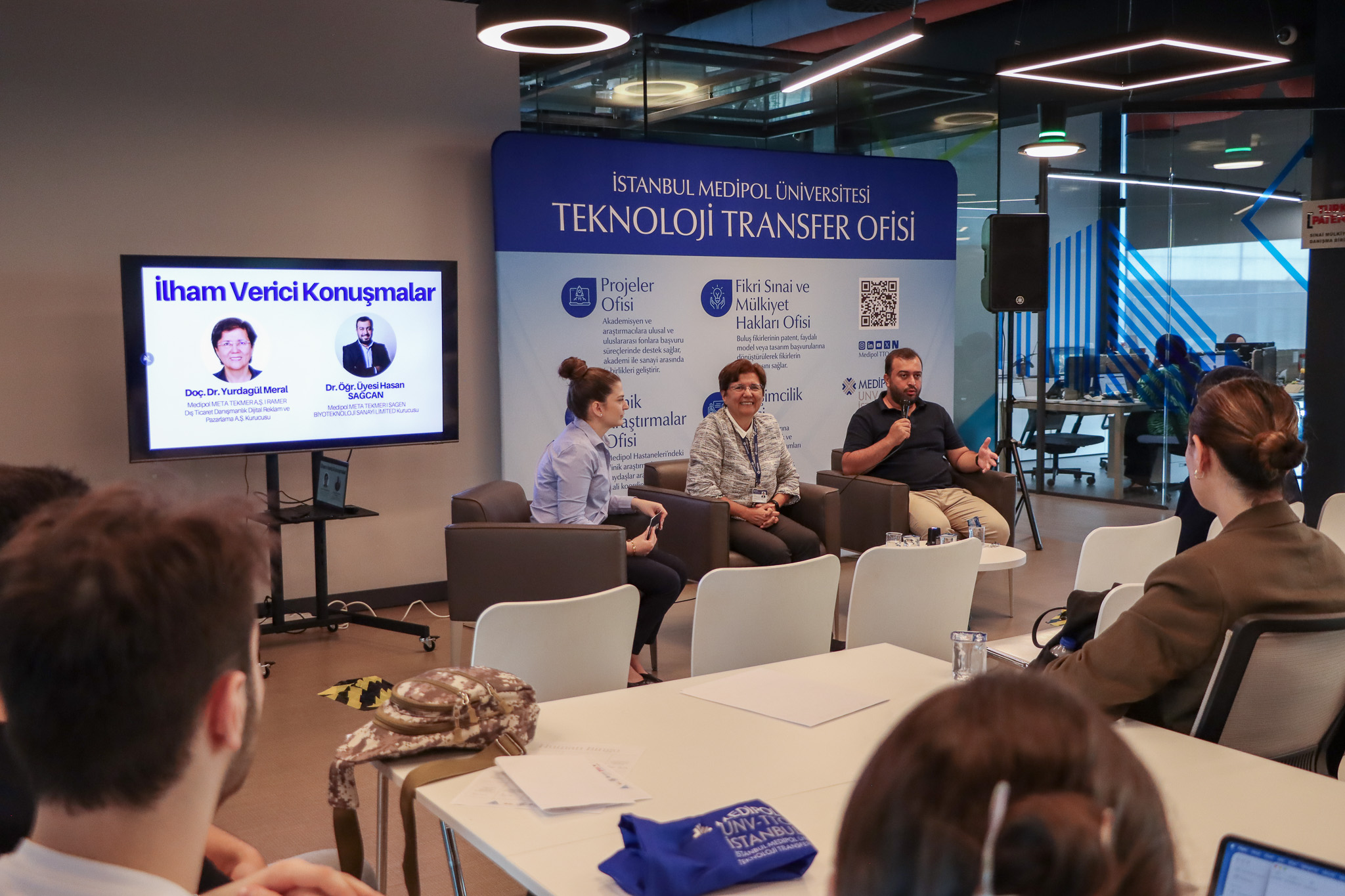
SHARING EXPERIENCE FROM THE ENTREPRENEURIAL JOURNEY
During the “Inspirational Talks: Experience-Sharing Session” Assoc. Prof. Yurdagül Meral, a faculty member at Istanbul Medipol University School of Business and Management Sciences and Founder of RAMER Foreign Trade Consultancy Digital Advertising and Marketing Inc., and Assist. Prof. Hasan Sağcan, Founder of SAGEN Biotechnology Industry Limited Company, shared with participants the experiences they had gained throughout their entrepreneurial journeys.
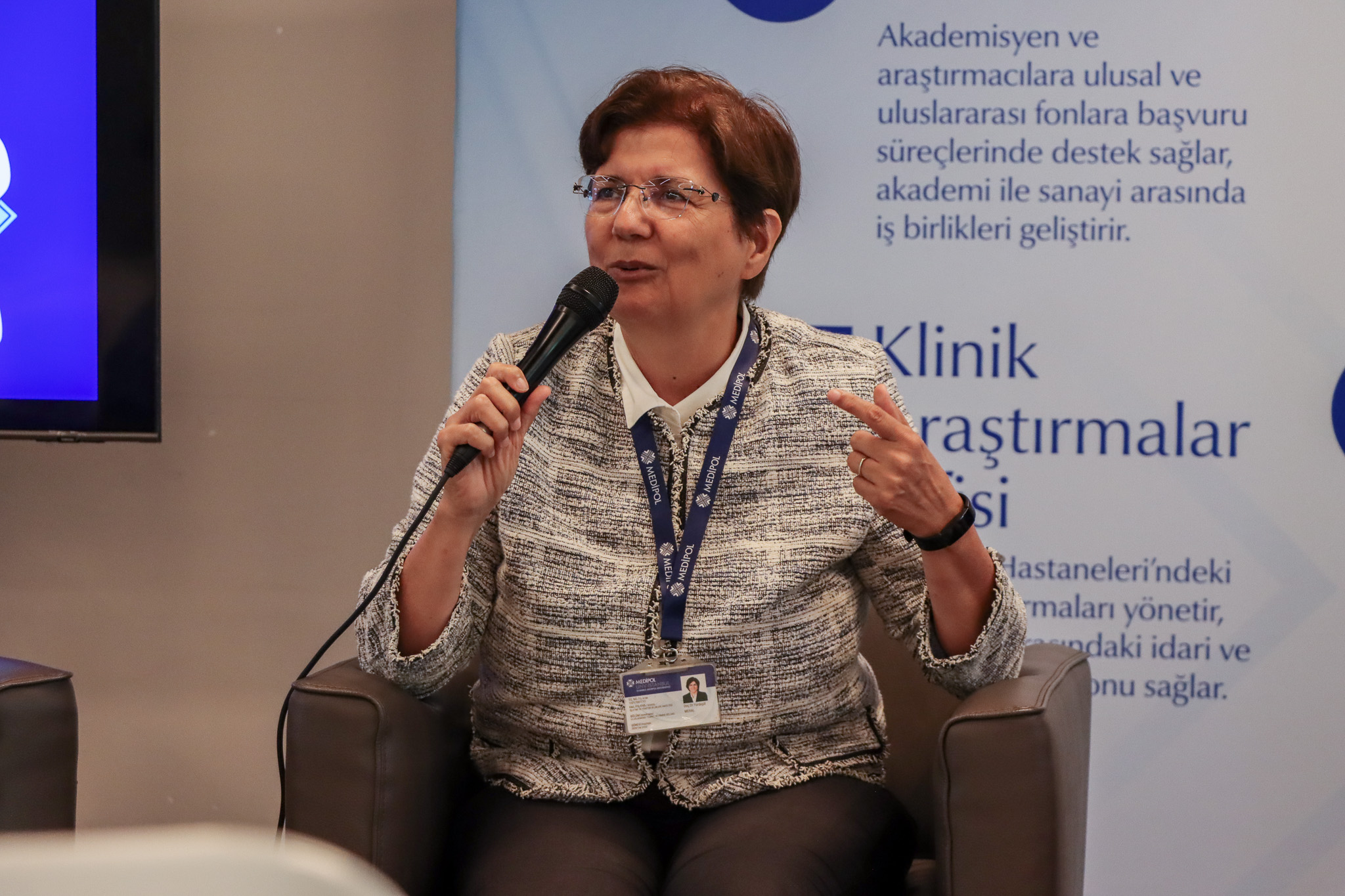
Assoc. Prof. Meral addressed the various stages of entrepreneurship, from developing a business idea and establishing a company to bringing technology to market and achieving sustainable growth, while discussing the challenges encountered throughout the process and methods for overcoming them. Highlighting the importance of university-industry collaboration in the development of entrepreneurial ventures, Meral explained the contributions that such collaboration makes to the commercialization of technology. Drawing on examples from her own entrepreneurial experience, Meral also shared insights into the establishment and development of RAMER, the technology venture she founded, and discussed her experiences in translating academic knowledge and innovative ideas into practical applications through entrepreneurship.
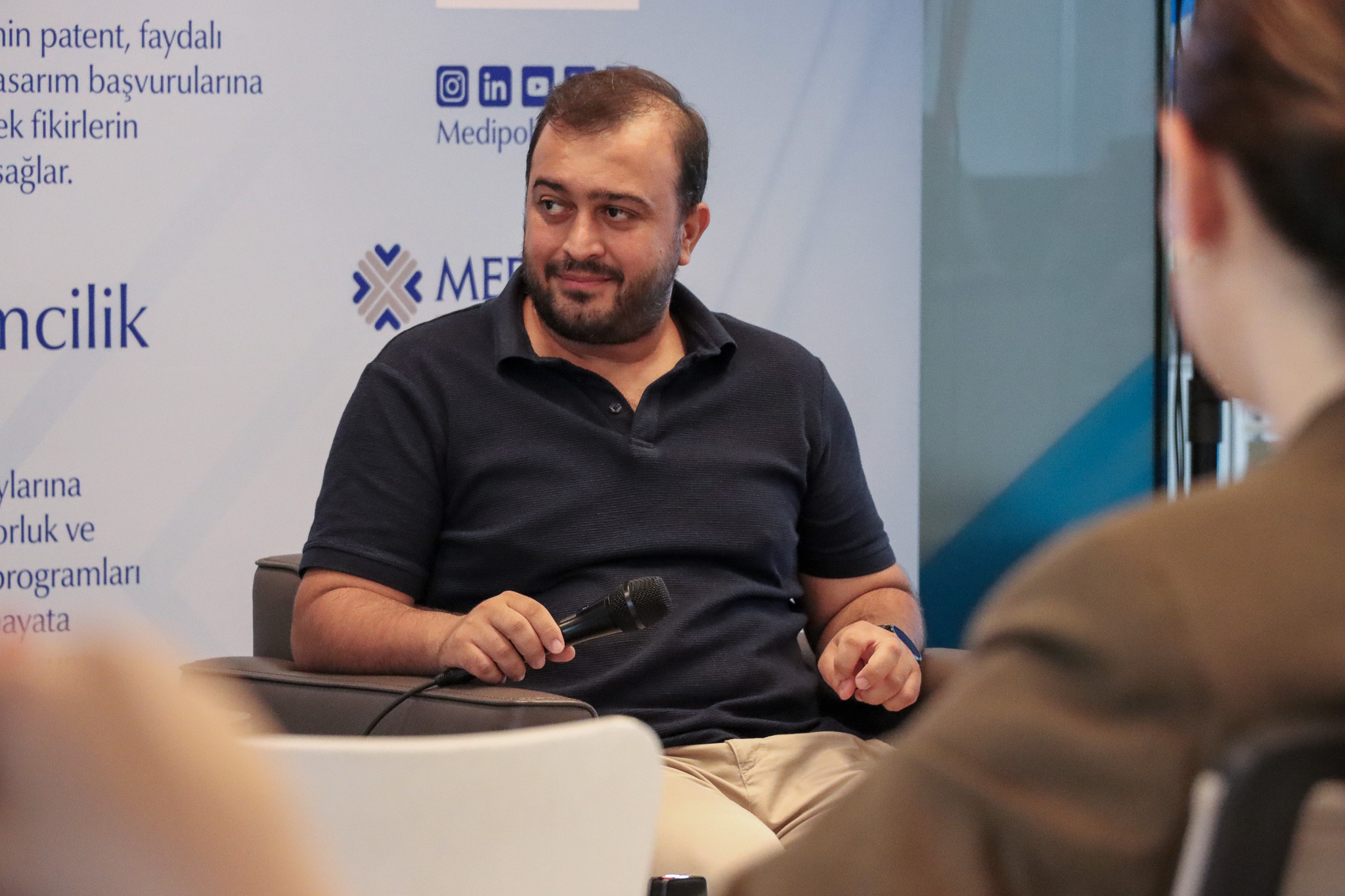
Sağcan, meanwhile, discussed the growth journey of technology-based ventures, from the initial idea stage to product development, regulatory processes, and market access. Sharing his experiences regarding the obstacles that may arise during this process and potential ways of overcoming them, Sağcan emphasized the importance of innovation and sustainability to the long-term success of technology-based ventures.
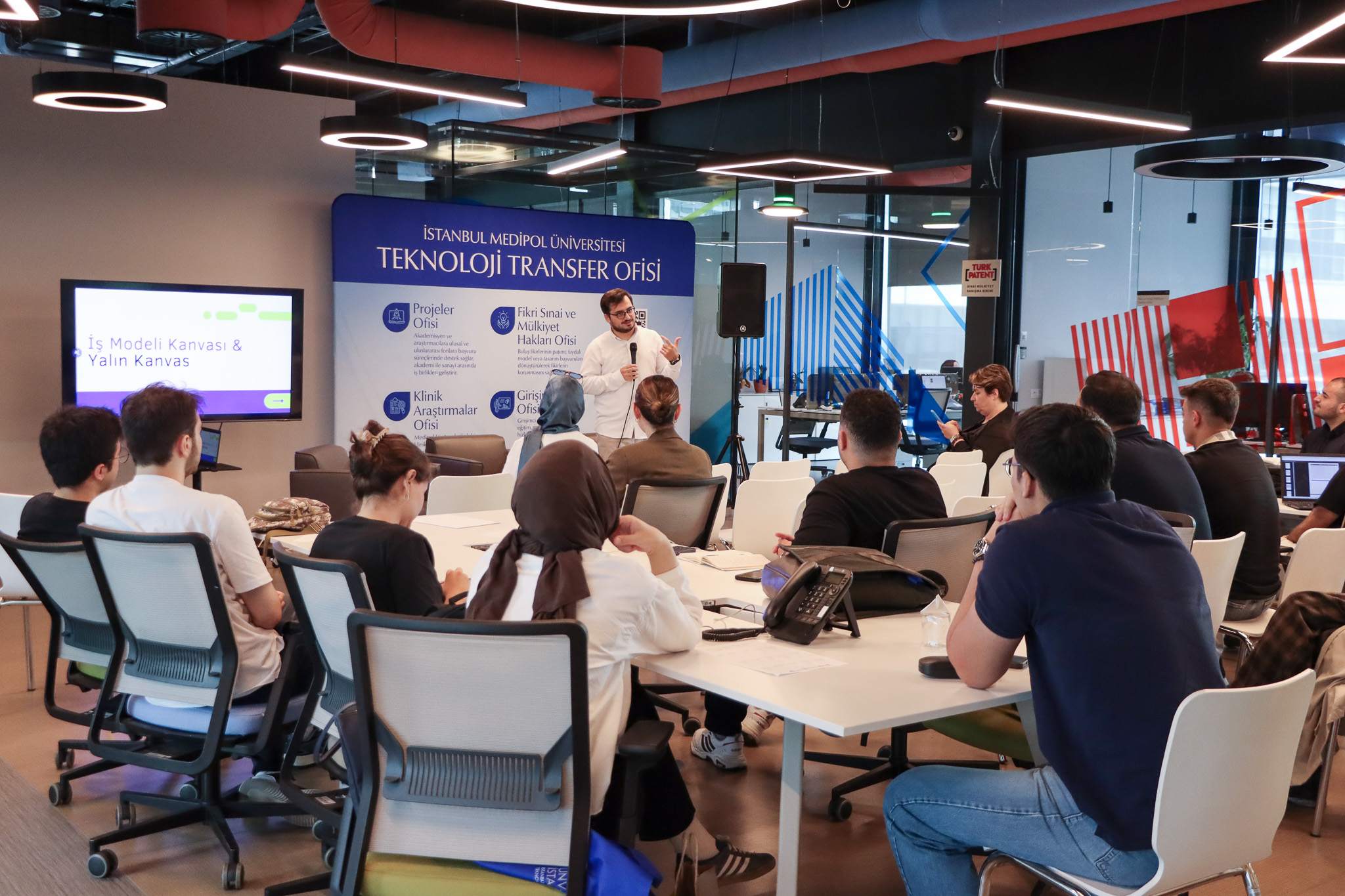
HARPUTLU: A COMPANY SURVIVES ON CUSTOMER REVENUE, NOT GRANTS
In the final session of the day, Nizamettin Sami Harputlu, Co-Founder of StartupCentrum, delivered a training session entitled “Module 1: Understanding the Customer and the Market / Business Definition and Problem-Need Definition / Business Model Canvas Workshop.” Drawing attention to the importance of sales and customer revenue for the sustainability of entrepreneurial ventures, Harputlu addressed the participants as follows:
“The primary factor that keeps a company in business is not grants or investor support, but revenue generated from customers. Grants and competitions can, of course, provide important opportunities, but your entrepreneurial journey should not be spent pursuing them. Your principal focus should be on reaching customers and making sales.”
Stating that the Business Model Canvas helps entrepreneurs concretize their ideas and identify shortcomings, Harputlu said, “Everyone has an idea; however, explaining an idea merely by saying, ‘It will do this, it will do that,’ often fails to generate the expected response from the other party. The Canvas, by contrast, enables you to question your idea by systematically addressing fundamental questions, identify and remedy its shortcomings, and develop your roadmap accordingly.”
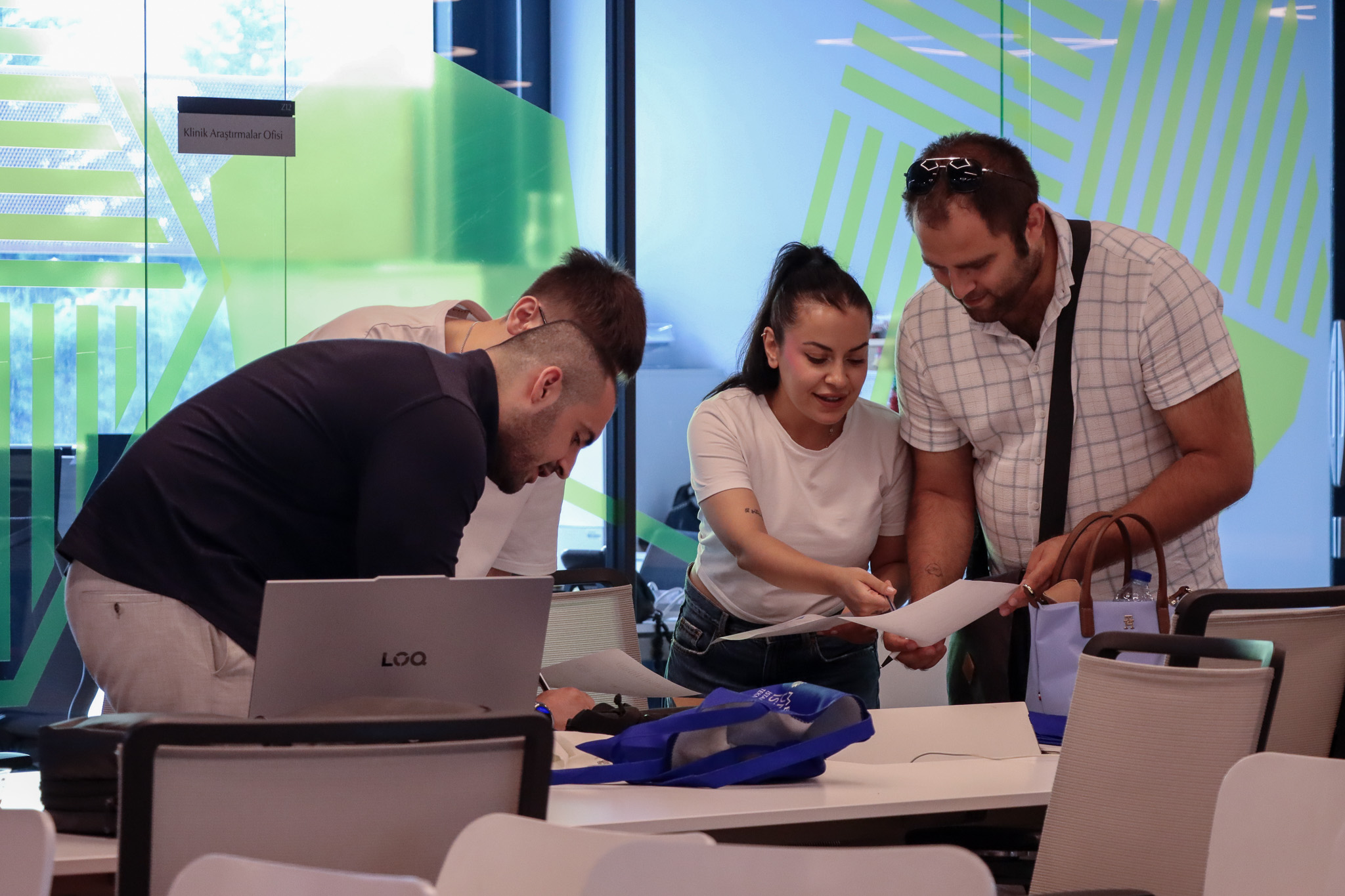
As part of the session, participants undertook activities designed to define their target users and the problems their solutions address more clearly, using the question “Whose problem does my solution solve?” as their starting point.
Last Update : 13/08/2026 - 20:33