From big data to scientific insight: Scientists from five continents convened at HDDA-XV
Istanbul Medipol University brought together leading scientists in the field of high-dimensional data analysis at HDDA-XV. Organized by MODAS within SABITA under the theme “From Data to Actionable Insight,” the conference brought together researchers from 18 countries to discuss cutting-edge scientific research spanning artificial intelligence and machine learning, multi-omics research, genomics, and clinical and financial statistics.
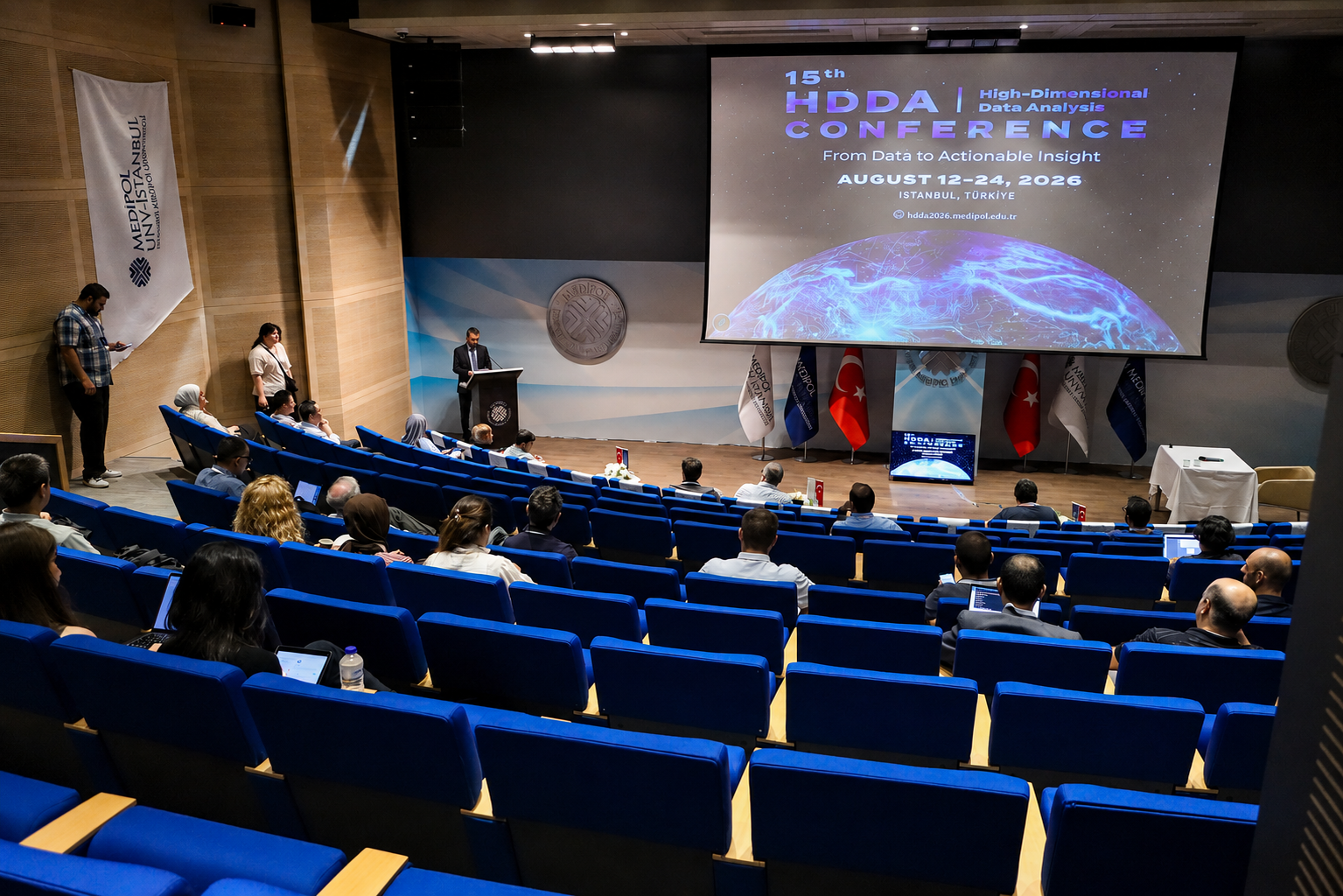
The 15th High-Dimensional Data Analysis Conference (HDDA-XV), organized by the Multi-Omics Design and Analysis Studio (MODAS) operating within the Research Institute for Health Sciences and Technologies (SABITA) at Istanbul Medipol University, was held at the South Campus. Bringing together scientists from countries around the world, the conference addressed the theoretical foundations and current methodologies of high-dimensional statistics and data analysis, as well as their applications across various fields.
The rapid growth of complex, large-scale data generated in numerous fields, including genomics, finance, environmental monitoring, social networks, and industrial systems, has created a corresponding need for reliable and scalable analytical methods. Organized in response to this need, HDDA-XV brought together statistical theory and methodology with computational methods and real-world applications. The conference focused on extracting reliable knowledge from complex data and translating that knowledge into actionable outcomes.
The three-day program provided researchers with opportunities to share their knowledge and experience, establish new scientific connections, and discuss the latest developments in the field. Through plenary sessions, invited talks, thematic scientific sessions, and online presentations, the conference addressed topics including statistical modeling, variable selection and regularization methods, artificial intelligence and machine learning, bioinformatics and multi-omics research, clinical and financial statistics, genomics, and computational biology.
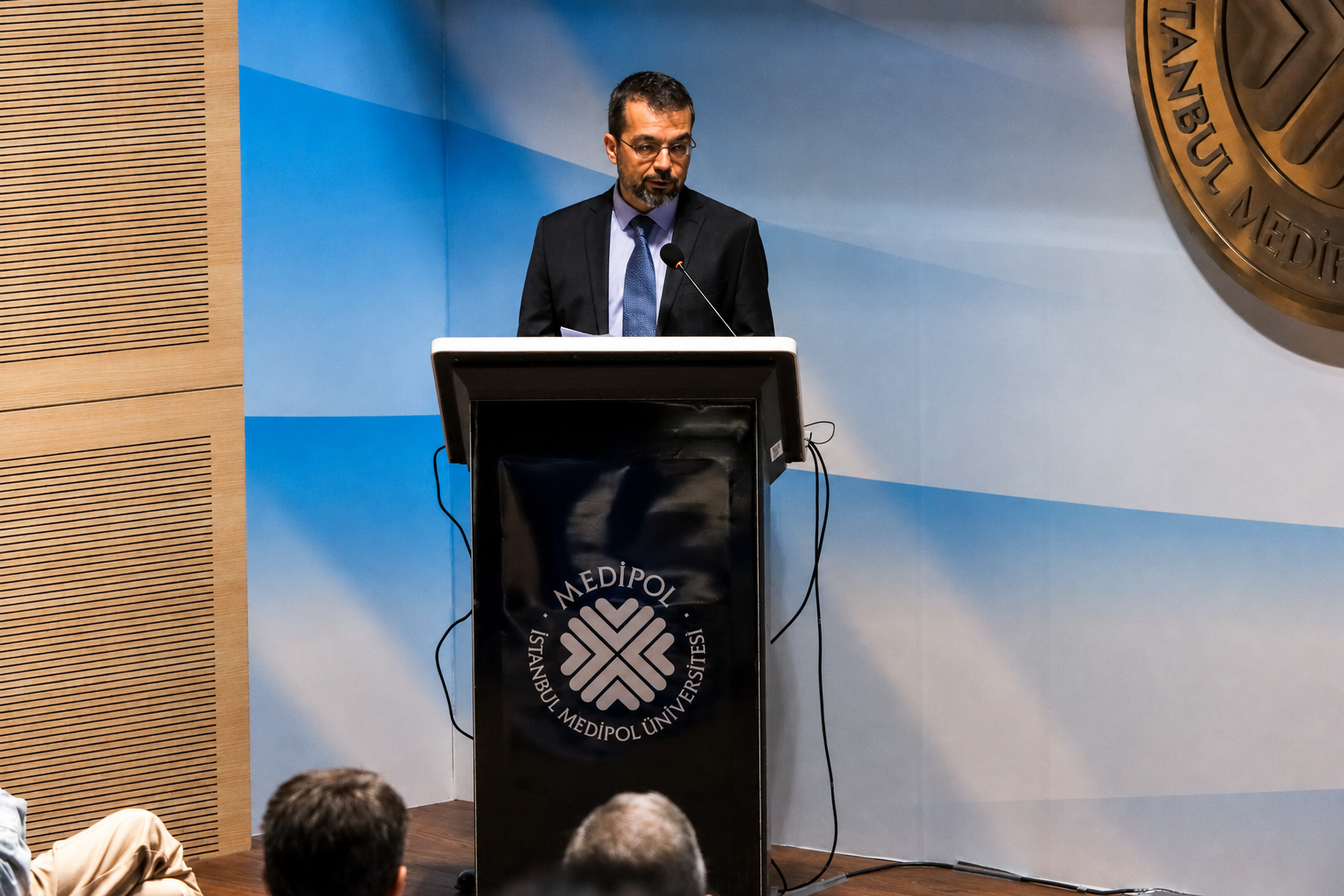
PRESIDENT GÜNTÜRK: DATA MUST BE TRANSFORMED INTO RELIABLE KNOWLEDGE AND SOCIETAL BENEFIT
Delivering the opening address of the conference, Prof. Bahadır Kürşat Güntürk, President of Istanbul Medipol University, expressed his pleasure at welcoming researchers from different regions of the world to Istanbul Medipol University.
Stating that HDDA-XV brings together statistical theory, methodological innovation, computational sciences, and real-world applications on a single platform, Güntürk noted that the conference theme, “From Data to Actionable Insight,”holds particular significance in today’s scientific landscape. Emphasizing that the fundamental challenge in science, healthcare, engineering, economics, and society is no longer merely to collect more data, Güntürk stated that what truly matters is generating reliable knowledge from complex data and translating it into decisions that improve human life.
Drawing attention to the fact that artificial intelligence represents the beginning of a new era, Güntürk stated that technology will transform every aspect of life, from professions to educational systems. Noting that universities must also adapt to this transformation, Güntürk emphasized the importance of ensuring that artificial intelligence becomes not merely a tool that is used, but one of the fundamental learning outcomes of university education.
Güntürk stated that, in line with this objective, Istanbul Medipol University has taken new steps in its educational programs to enable students from different disciplines to understand and develop artificial intelligence technologies, adding that computer programming and foundational artificial intelligence courses have begun to be integrated into fields beyond engineering. He emphasized that combining domain expertise with artificial intelligence competency will be a defining factor in the world of the future.
SABITA AND MODAS AT THE CENTER OF HIGH-DIMENSIONAL DATA RESEARCH
Stating that the University makes substantial investments not only in education but also in research infrastructure, scientific collaborations, and translational research, Prof. Güntürk noted that SABITA lies at the heart of these efforts.
Güntürk stated that SABITA brings together diverse areas of research, including advanced microscopy, proteomics, bioinformatics, biomaterials, and neuroscience, adding that the Multi-Omics Design and Analysis Studio (MODAS) within the institute constitutes a particularly important structure for high-dimensional data research.
Noting that MODAS conducts research in areas such as multi-omics data integration, biomarker discovery, personalized medicine, and drug development, Güntürk stated that HDDA-XV offers students and researchers an opportunity to communicate directly with leading scientists from around the world, keep abreast of new scientific developments, and establish international research partnerships.
Expressing his hope that the scientific discussions at the conference would pave the way not only for new methods and publications but also for long-term collaborations and new research questions of genuine value to both science and society, Güntürk thanked the scientists, committees, invited speakers, and supporters who contributed to the organization.
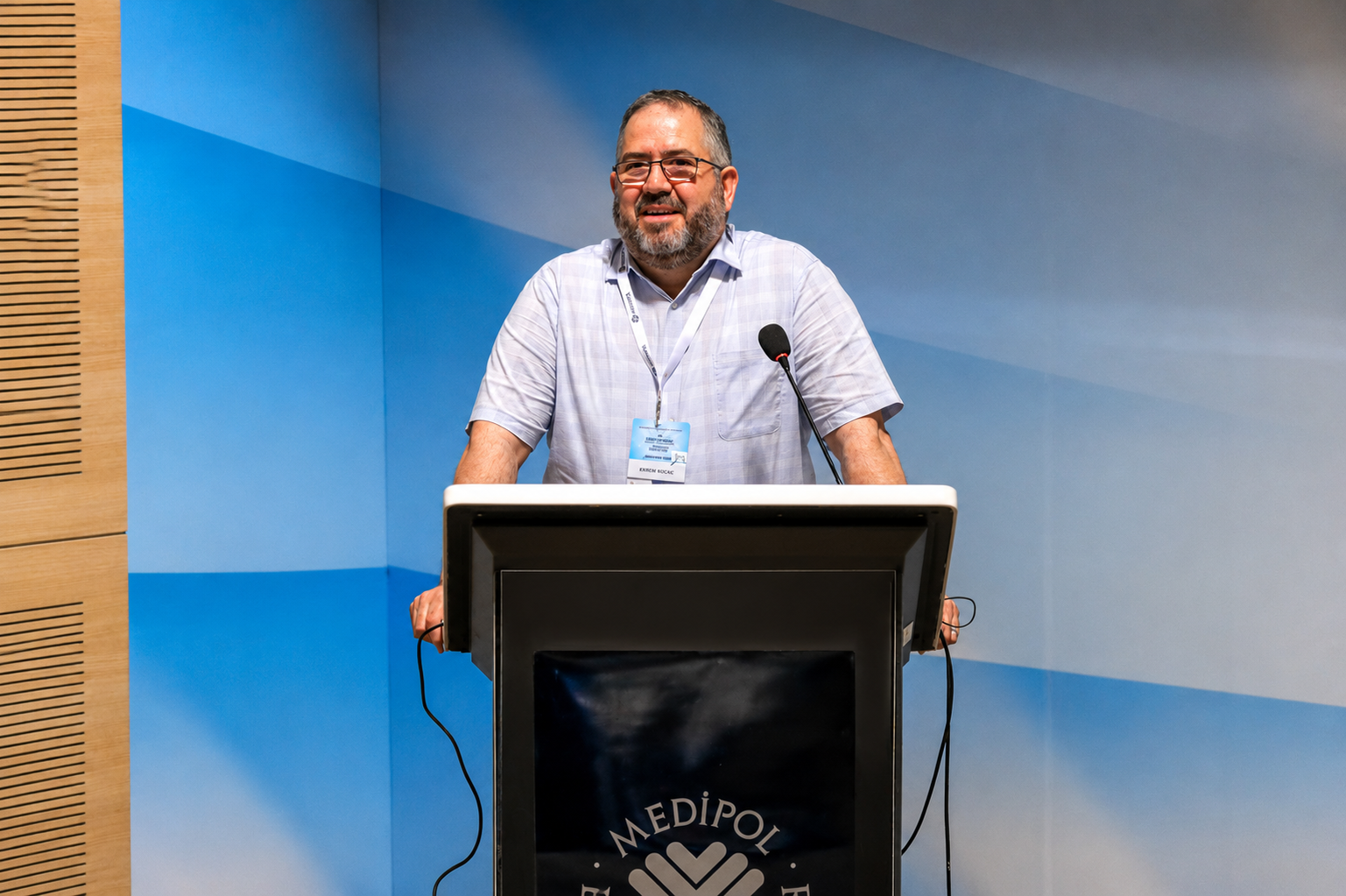
PROF. KOÇAK: SCIENTISTS FROM 18 COUNTRIES CAME TOGETHER AT MEDIPOL
Prof. Mehmet Koçak, Chair of the HDDA-XV Conference and a faculty member at Istanbul Medipol University School of International Medicine, stated that the conference was held following an extensive and intensive preparation process.
Koçak explained that, upon the recommendation of Prof. Ejaz Ahmed, founder of the HDDA Conference series, Istanbul Medipol University and the MODAS team undertook the responsibility of hosting the event. He stated that preparations were carried out through extensive teamwork encompassing everything from the development of the scientific program to the coordination of international participants and organizational processes.
Koçak noted that the Istanbul Medipol University administration and various academic units, particularly SABITA and MODAS, provided significant support in organizing the conference, adding that the organizing and scientific committees worked together to include researchers from Türkiye and institutions around the world in the program.
Drawing attention to the international character of the conference, Koçak stated that participants from 18 countries attended HDDA-XV and that scientists from five continents came together in Istanbul. He emphasized that, beyond scientific presentations, the event created an environment in which researchers could establish new connections and develop long-term scientific collaborations.
Koçak also noted that researchers were encouraged to develop the studies presented at the conference into scientific publications, stating that dedicated academic publication opportunities had been established within the scope of HDDA and that importance was attached to enabling researchers to contribute their work to the international scientific literature.
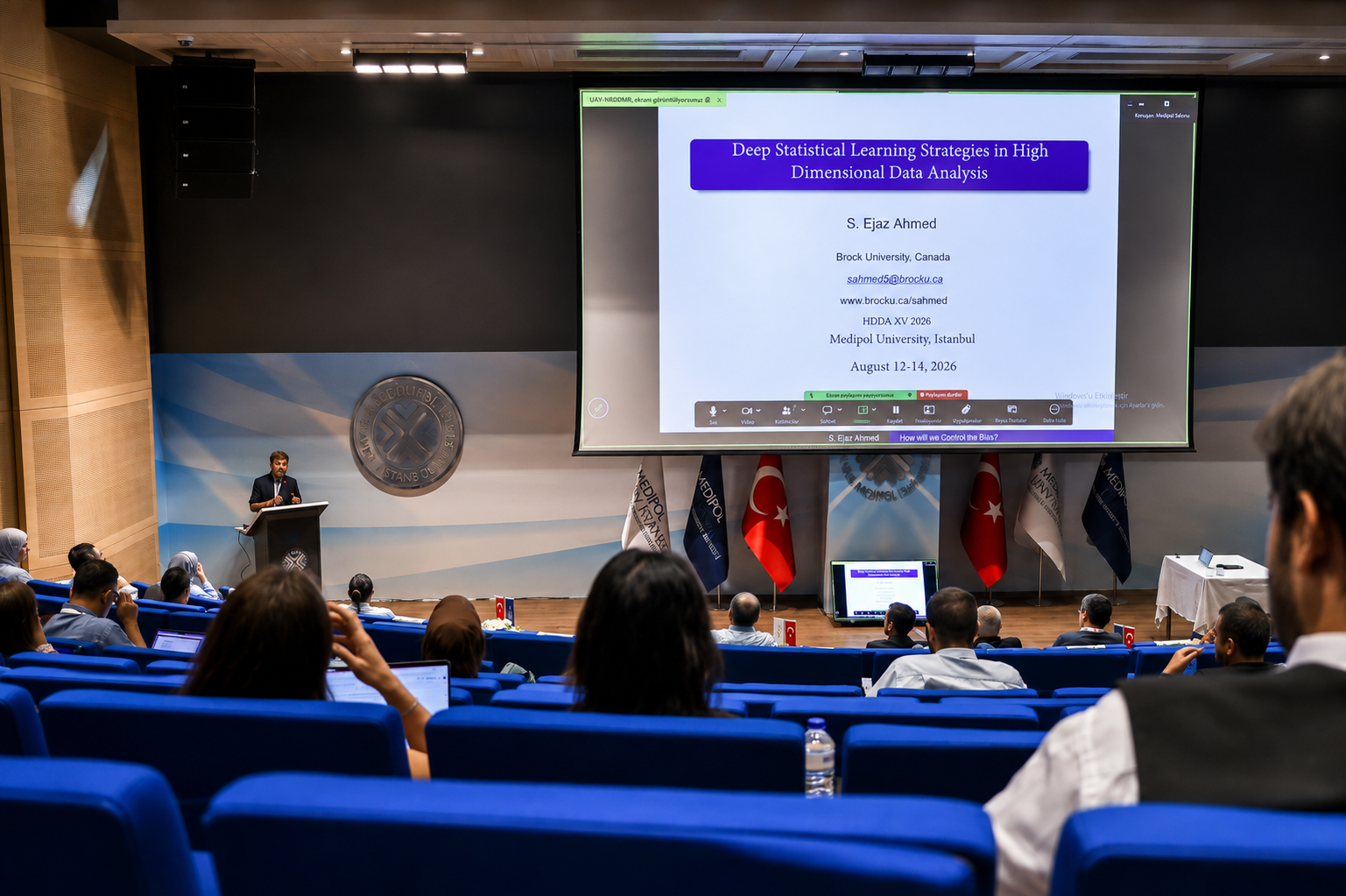
PROF. AHMED: SHARING SCIENTIFIC KNOWLEDGE IS ONE OF THE MOST IMPORTANT ASPECTS OF RESEARCH
Prof. Ejaz Ahmed, founder of the HDDA Conference series and a faculty member at Brock University, shared with participants the development of the conference series over its 15-year history and its fundamental scientific approach.
Ahmed explained that HDDA was first held in Toronto in 2011 and that there had initially been no intention of turning it into a regular conference series. However, he stated that interest from the scientific community and requests for the event to continue ultimately transformed it into an international scientific platform.
Noting that, over the past 15 years, the conference has contributed to the publication of special journal issues and academic books, as well as to the establishment of numerous scientific collaborations, Ahmed stated that HDDA has continuously evolved in response to emerging scientific needs. Drawing attention to the fact that artificial intelligence has now become an integral component of high-dimensional data analysis, Ahmed noted that its significance within the conference series will continue to increase in the future.
Emphasizing that one of the fundamental objectives of scientific research is the dissemination of the knowledge it generates, Ahmed stated that research findings cannot attain their true value unless they are shared with the scientific community. He noted that scientists should share their knowledge and experience with the international research community, adding that HDDA has been bringing researchers together in accordance with this principle for the past 15 years.
Addressing the importance of the conference series’ sustainability, Ahmed stated that they hope HDDA will continue to grow and develop in the years ahead through the contributions of new researchers and scientists.
STRONG AND WEAK SIGNALS IN HIGH-DIMENSIONAL DATA WERE EXAMINED
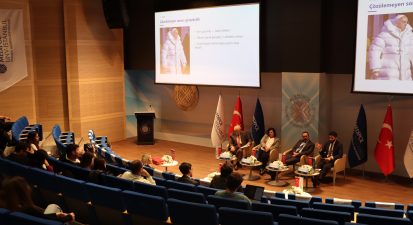
The scientific sessions that followed the opening program addressed current challenges in high-dimensional data analysis and new statistical approaches developed to address these challenges.
During the conference’s first plenary session, Prof. Ejaz Ahmed presented his research on problems that can arise following variable selection in high-dimensional data analyses, particularly the biases that may result from disregarding “weak signals” within the data.
Ahmed explained that high-dimensional data problems involve identifying, from among a large number of variables, those that are most important for prediction. He noted that machine learning and artificial intelligence methods offer significant opportunities in this process, but cautioned that considering only strong effects may, in some cases, result in the loss of valuable information.
Drawing attention to the fact that real-world data may contain numerous small yet meaningful contributions alongside strong effects, Ahmed stated that the methods developed should account for these weak signals to the greatest extent possible. He emphasized that, for the sake of scientific reliability, practitioners should be clearly informed not only of the advantages but also of the limitations of the statistical or artificial intelligence-based methods employed.
Ahmed explained that the post-selection shrinkage approaches developed by his research group aim to evaluate strong and weak signals together, adding that these methods have been examined not only through theoretical studies but also through simulations and real-data applications.
A COMPREHENSIVE SCIENTIFIC PROGRAM FROM ARTIFICIAL INTELLIGENCE TO MULTI-OMICS RESEARCH
HDDA-XV featured a comprehensive three-day scientific program covering diverse areas of application in high-dimensional data analysis. While the first day focused prominently on topics such as variable selection, penalized regression methods, financial statistics, and statistical learning, subsequent sessions addressed bioinformatics, multi-omics data analysis, clinical statistics, and healthcare applications.
Sessions devoted to artificial intelligence and machine learning examined a variety of methods ranging from fair synthetic data generation to deep learning and large-scale data analysis, while current research in Bayesian methods and spatial statistics was also presented to participants.
Sessions on genomic and biomedical applications addressed the use of high-dimensional data methods in contemporary areas of health sciences research, including single-cell transcriptomic data, proteomic analyses, cancer research, Parkinson’s disease, and metabolic processes.
As the program continued, participants discussed linear mixed models, statistical learning, bioinformatics, omics sciences, public health, clinical research, and modern statistical methods. In the final part of the conference, research in statistical modeling and computational biology was presented to participants through an online session.
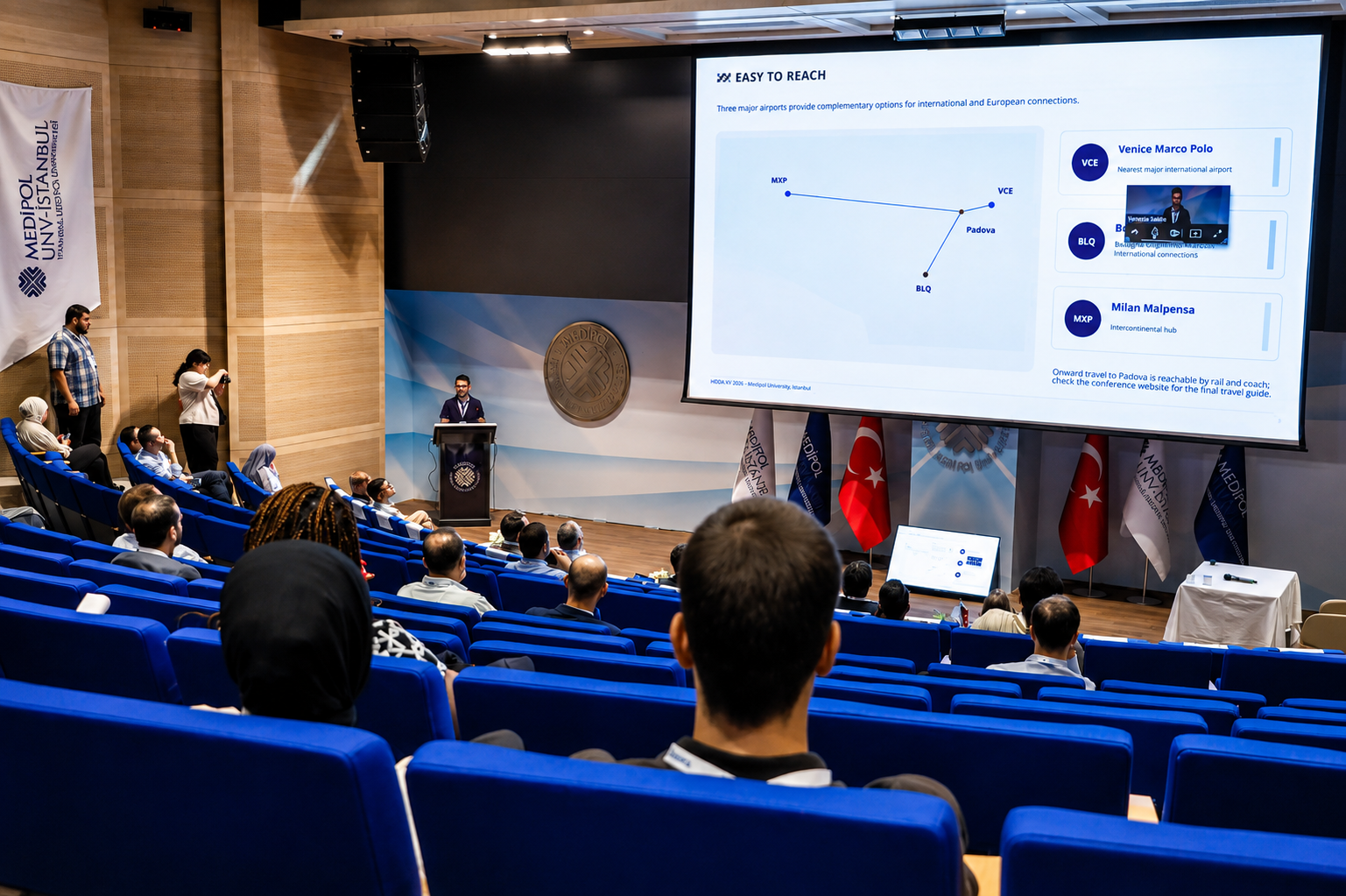
HDDA-XVI IS PLANNED TO BE HELD IN PADUA
An announcement regarding the next meeting in the HDDA series was also made during the conference’s opening program. Prof. Antonio Calcagni of the University of Padua announced that HDDA-XVI is planned to be held in Padua, Italy.
Calcagni stated that the University of Padua, one of Europe’s oldest universities, would host the event, adding that the new conference is planned to feature a compact scientific program comprising plenary sessions, invited sessions, participant presentations, and poster sessions.
Prof. Ejaz Ahmed also emphasized the importance of ensuring that HDDA remains an inclusive scientific community and invited researchers to contribute to the scientific and organizational processes of future conferences.
INTERNATIONAL SCIENTISTS CAME TOGETHER AT MEDIPOL
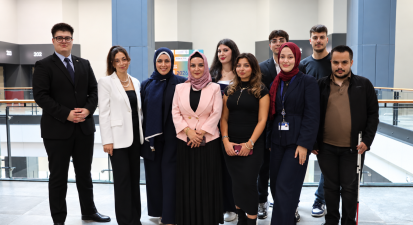
HDDA-XV brought together researchers working in 18 countries, including Türkiye, Canada, the United States, and countries across different regions of the world. The conference featured numerous scientists and researchers, including Prof. Ejaz Ahmed, Prof. Mehmet Koçak, Prof. Bahadır Kürşat Güntürk, Prof. Antonio Calcagni, Yi Li, Subha Guha, Ming Yuan, Michael Evans, Bahadır Yüzbaşı, Abbas Khalili, Erfanul Hoque, Joan Hu, Pakize Yiğit, Stanley Pounds, Peter Song, Pan Wei, Esra Kurum, Hao Mei, Mohamed Belalia, David Post, Grace Yi, Wenqing He, Bei Jiang, Linglong Kong, Xinzhou Guo, Shuangge Ma, Kıvanç Kök, Rauf Ahmad, Boxin Tang, Rahim Mahmoudvand, Mehmet Gönen, Xinyuan Song, Yuedong Wang, and Xiao Hui Tai. With contributions from academics from Türkiye and abroad as well as early-career researchers, the program provided an opportunity to strengthen the interaction between the theoretical foundations of high-dimensional data analysis and healthcare, biomedical sciences, economics, artificial intelligence, and various other fields of application.
HDDA-XV LAID THE GROUNDWORK FOR INTERDISCIPLINARY SCIENTIFIC COLLABORATION
As the volume and complexity of data generated across a wide range of fields—from health sciences and engineering to economics and genomic research—continue to increase rapidly, high-dimensional data analysis is becoming an increasingly critical field of research for deriving meaningful and reliable conclusions from such data.
Bringing together statistical methods with artificial intelligence, machine learning, bioinformatics, and data science, HDDA-XV provided a shared scientific platform for evaluating approaches developed across different disciplines. The presentations and discussions held throughout the conference contributed not only to the development of new analytical methods but also to strengthening scientific dialogue on the more reliable application of these methods to healthcare, genomics, clinical research, economics, and other real-world problems.
By bringing SABITA and MODAS’s research infrastructure together with international scientists, HDDA-XV also enhanced the visibility of Istanbul Medipol University’s research capacity in high-dimensional data analysis, multi-omics research, and artificial intelligence, while providing an important platform for the development of new national and international scientific collaborations.
Last Update : 14/08/2026 - 21:22