Advances in neurogenetics discussed at MEDİGEN’s 10th anniversary symposium
The “MEDİGEN 10th Anniversary Neurogenetics Symposium,” organized to mark the 10th anniversary of Istanbul Medipol University’s Genetic Diseases Evaluation Center (MEDİGEN), brought together scientists from various fields of expertise. Bringing together neurology, pediatric neurology, and medical genetics, the symposium explored genetic diagnosis and treatment approaches for epilepsy, autism spectrum disorders, neurodevelopmental disorders, and movement disorders.
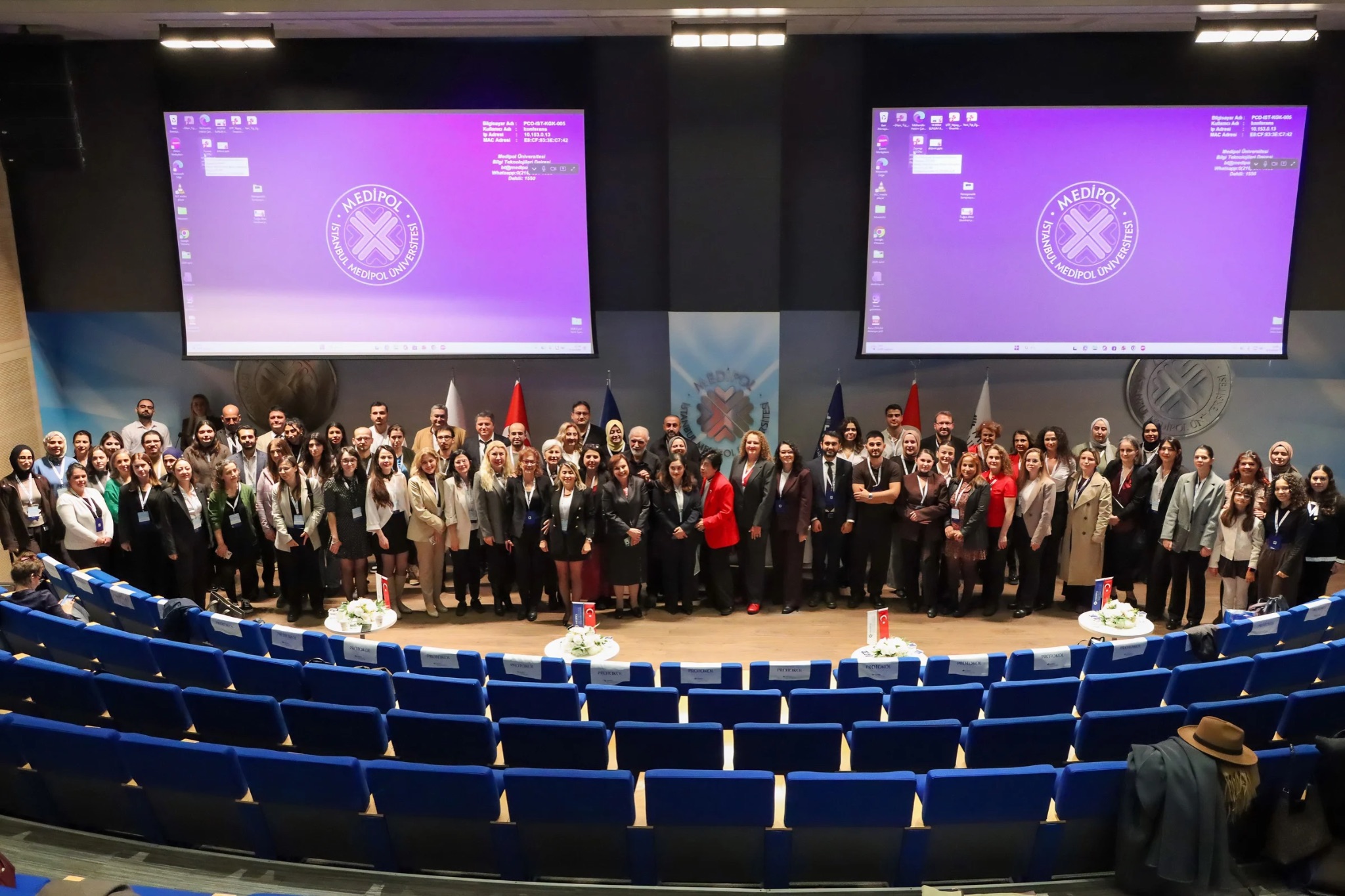
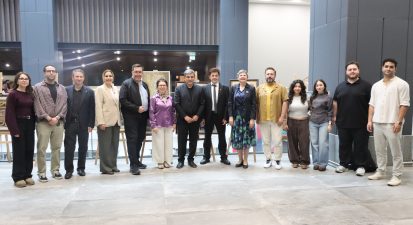
Istanbul Medipol University organized the “MEDİGEN 10th Anniversary Neurogenetics Symposium” to celebrate the 10th anniversary of its Genetic Diseases Evaluation Center (MEDİGEN). Held at the South Campus Conference Hall, the event was attended by academics and students, including Istanbul Medipol University Vice Presidents Prof. Recep Öztürk and Prof. Yasemin Yüksel Durmaz, and MEDİGEN Director Prof. Türkan Yiğitbaşı.
The program examined developments in neurogenetics from a multidisciplinary perspective, addressing genetic approaches to drug-resistant epilepsy, genomic diagnosis in neurodevelopmental disorders, and the genetic foundations of dystonia and Parkinson’s disease. Discussions also focused on which patients should undergo genetic testing, when testing should be performed, and which methods should be used.
PROF. ÖZTÜRK: ADVANCED TECHNOLOGY ONLY FINDS ITS TRUE MEANING WHEN COMBINED WITH PATIENT-CENTERED COMPASSION
Speaking at the opening ceremony, Istanbul Medipol University Vice President Prof. Recep Öztürk stated that universities are institutions where knowledge is not merely transmitted but also produced, questioned, and transformed into solutions to society’s challenges.
Noting that medicine has moved beyond traditional clinical boundaries in many areas, from neurodevelopmental processes and drug-resistant epilepsy to dystonia and movement disorders such as Parkinson’s disease, Öztürk emphasized the importance of translational medicine in bridging the gap between laboratory research and patient care. Öztürk explained that the University has adopted the principle of establishing research on a foundation of institutional quality. He described quality as a living culture in which research centers and laboratories complement one another, data are shared transparently, and scientific knowledge is translated into tangible benefits for people. Describing MEDİGEN’s development over the past decade as a concrete example of this approach, Öztürk highlighted the importance of investing in infrastructure and qualified human resources to ensure sustainable success.
Emphasizing that the question “Which genetic test, for which patient, and when?” lies at the heart of scientific ethics and responsible resource management in medical practice, Öztürk noted that next-generation sequencing technologies and genomic diagnostic tools offer significant opportunities. “However, advanced technology only finds its true meaning when combined with sound clinical judgment, appropriate diagnostic algorithms, and patient-centered compassion." Öztürk said. He added that achieving this integration requires a collaborative approach bringing together clinical specialties and basic medical sciences.
PROF. DURMAZ: SCIENTIFIC PROGRESS REQUIRES THINKING AND PRODUCING KNOWLEDGE TOGETHER
Istanbul Medipol University Vice President Prof. Yasemin Yüksel Durmaz stated that addressing today’s complex challenges requires bringing together knowledge and experience from different disciplines. Emphasizing that interdisciplinary collaboration is particularly important in health sciences, Durmaz explained that knowledge generated in medicine, engineering, genetics, and basic sciences complements one another and creates new opportunities for research. She described neurogenetics as an important example of this approach.
Durmaz stated that the University aims to support its vision of becoming a research university through a strong culture of scientific productivity. She emphasized the importance of encouraging interdisciplinary research, supporting collaborative projects, and developing research infrastructure. “We know that scientific progress is made possible not only by strong infrastructure but also by an academic environment in which researchers from different fields can think together and produce knowledge collaboratively.” Durmaz said.
Describing MEDİGEN’s ten-year journey as part of this vision, Durmaz characterized the center’s anniversary as an important milestone, reflecting both the efforts of the past decade and the scientific partnerships to be established in the future. She added that the University administration supports the development of new collaborations with scientists participating in the symposium and expressed her hope that MEDİGEN’s accumulated expertise would provide a foundation for new research and scientific advances that improve people’s lives.
PROF. YİĞİTBAŞI: MEDİGEN PRODUCES MORE THAN 100,000 TEST RESULTS ANNUALLY
MEDİGEN Director Prof. Türkan Yiğitbaşı stated that the center, which began operating in 2016, has developed into a genetic diagnosis and evaluation center offering more than 1,000 different tests and producing over 100,000 test results annually. She noted that the center’s progress, alongside rapid developments in genetic science, has exceeded their initial expectations.
Explaining that MEDİGEN provides a broad range of services, from conventional cytogenetic and molecular methods to next-generation sequencing and bioinformatics analyses, Yiğitbaşı stated that the center continues to conduct research and educational activities alongside clinical genetic diagnostics. She thanked the University administration for its support in modernizing technological infrastructure and strengthening qualified human resources. Yiğitbaşı also acknowledged the contributions of team members involved in every stage of the process, from receiving samples to delivering reports to patients.
Highlighting the significant transformations expected in genetics over the next decade, Yiğitbaşı said: “We are entering an era in which whole-genome sequencing will become routine, artificial intelligence will be integrated into clinical decision-making processes, and personalized treatments will become increasingly widespread.”
She expressed her belief that the scientific sessions would pave the way for new collaborations, provide insights for clinical practice, and open new horizons for improving patients’ quality of life.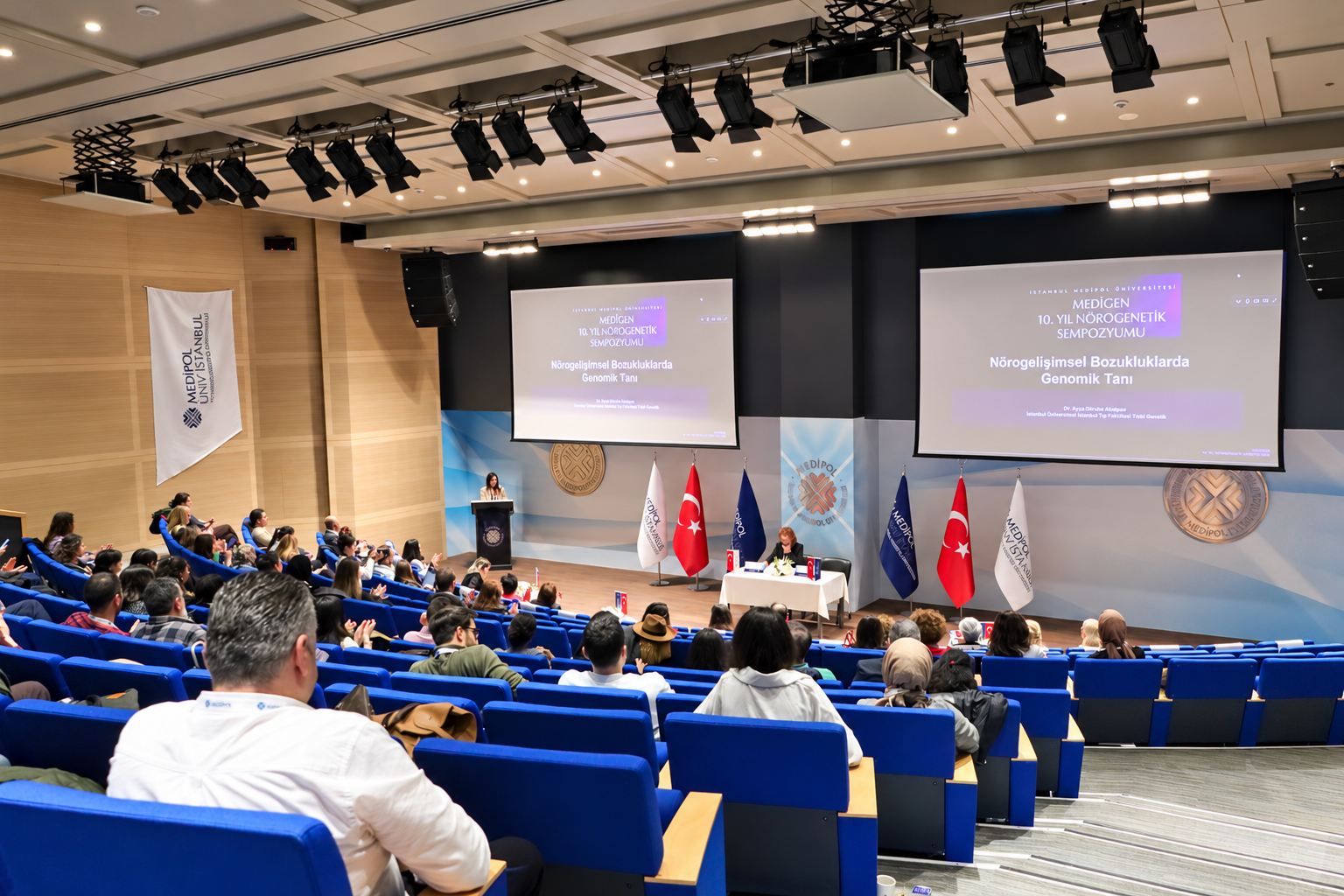
DIAGNOSTIC AND TREATMENT APPROACHES IN NEUROGENETICS EVALUATED
The symposium’s first session, “Epilepsy and Genetics” addressed genetic approaches to drug-resistant epilepsy and current diagnostic and therapeutic opportunities in epilepsy genetics.
The session titled “Autism Spectrum Disorder and Neurodevelopmental Disorders” examined genomic diagnosis and the impact of genetic diagnosis on treatment, while “Genetics of Movement Disorders” focused on the genetic foundations of dystonia and genetic approaches to Parkinson’s disease.
A panel titled “Genetic Testing in Neurological Patients: Who, When, and Which Test?” explored next-generation sequencing technologies, the genetic basis and diagnostic algorithms of trinucleotide repeat disorders, and RNA-based diagnostic approaches.
Presentations highlighting MEDİGEN’s laboratory and bioinformatics experience included genetic testing results obtained for Parkinson’s disease indications, de novo findings involving known variants, and the classification of epilepsy-related genetic variants using the Medivar platform.
Last Update : 18/10/2026 - 13:46