A Refuge of Flavour: A 180-Year-Old culinary heritage revived at Medipol
Lezzetin Sığınağı (A Refuge of Flavour), a documentary broadcast on TRT 2 and centred on the work of Dr. Büşra Meltem Türkmen, Research Assistant in the Department of Gastronomy and Culinary Arts at Istanbul Medipol University, brought nearly 180 years of Turkish culinary heritage to students through Melceü’t-Tabbâhîn, the first printed cookbook of the Ottoman Empire. Extending from the Süleymaniye Manuscript Library to Medipol lecture halls, and from professional kitchens to practical training workshops, the documentary explored not only the preservation of cultural heritage but also its continued vitality and transmission to future generations.
Prepared by TRT as part of Turkish Cuisine Week, celebrated annually between 21 and 27 May, Lezzetin Sığınağı took viewers on a journey to the roots of Turkish culinary culture. At the heart of the documentary was Dr. Büşra Meltem Türkmen, Research Assistant in the Department of Gastronomy and Culinary Arts within the School of Fine Arts, Design and Architecture at Istanbul Medipol University.
At the opening of the documentary, Türkmen emphasized that Turkish cuisine encompasses far more than food alone, stating:
“The shortest way to understand a geography is through its cuisine. Food does not merely satisfy hunger; it carries memory, preserves culture, and safeguards time itself.”
With these words, she invited viewers to follow a cultural bridge connecting the past and the present.
IN THE FOOTSTEPS OF THE OTTOMAN EMPIRE’S FIRST PRINTED COOKBOOK
The documentary’s point of departure was Melceü’t-Tabbâhîn – Aşçıların Sığınağı (The Cook’s Refuge), the first printed cookbook of the Ottoman Empire, written by Mehmed Kâmil in 1844. Containing 284 recipes for foods and beverages, the work is regarded as one of the most significant sources documenting not only the culinary practices of its era but also its cultural life and gastronomic memory.
Pursuing this heritage, Dr. Türkmen’s first destination was the Süleymaniye Manuscript Library. There, she examined a preserved copy of the work and encountered a cultural treasure nearly two centuries old.
The documentary also highlighted the contributions of Prof. Günay Kut, whose efforts played a crucial role in preserving and transmitting the written heritage of Turkish culinary culture. Türkmen described the experience not merely as an academic investigation but as an opportunity to connect with a precious legacy inherited from previous generations.
HISTORICAL HERITAGE MEETS STUDENTS AT MEDIPOL
The journey that began at Süleymaniye later continued at Istanbul Medipol University. Dr. Büşra Meltem Türkmen opened one of her classes by reading a recipe written in Ottoman Turkish. Initially struggling to understand the text, students became excited when they learned that it had been taken from the Ottoman Empire’s first printed cookbook.
During the lesson, Türkmen discussed the significance of the book for the history of Turkish cuisine and the importance of transmitting cultural heritage to future generations. In addition to renowned chefs, the programme welcomed Prof. Günay Kut, whose efforts were instrumental in preserving the work, as well as her spiritual daughter, Melek Gençboyacı.
Reflecting on the occasion, Türkmen stated:
“Bringing together our students with Prof. Günay Kut and Melek Gençboyacı, who have transmitted these recipes to us, was incredibly meaningful for me. It was difficult to conceal my excitement in their presence, because before me stood a living history, years of dedication, and a teacher whom I deeply respect.”
Students had the opportunity to hear the story of the book directly from Prof. Günay Kut, one of the foremost authorities on Turkish culinary culture, while also witnessing the transmission of culinary heritage across generations.
Türkmen explained the importance of the book to her students with the following words:
“This is the Ottoman Empire’s first printed cookbook: Melceü’t-Tabbâhîn – Aşçıların Sığınağı. It was written by Mehmed Kâmil in 1844. Passed down from generation to generation, transitioning from manuscript to print, it is the first written refuge of Turkish cuisine. Today, we are bringing these two-century-old recipes back to life through the original interpretations of our distinguished chefs—to remember our roots and breathe new life into them.”
FROM ARCHIVES TO PROFESSIONAL KITCHENS
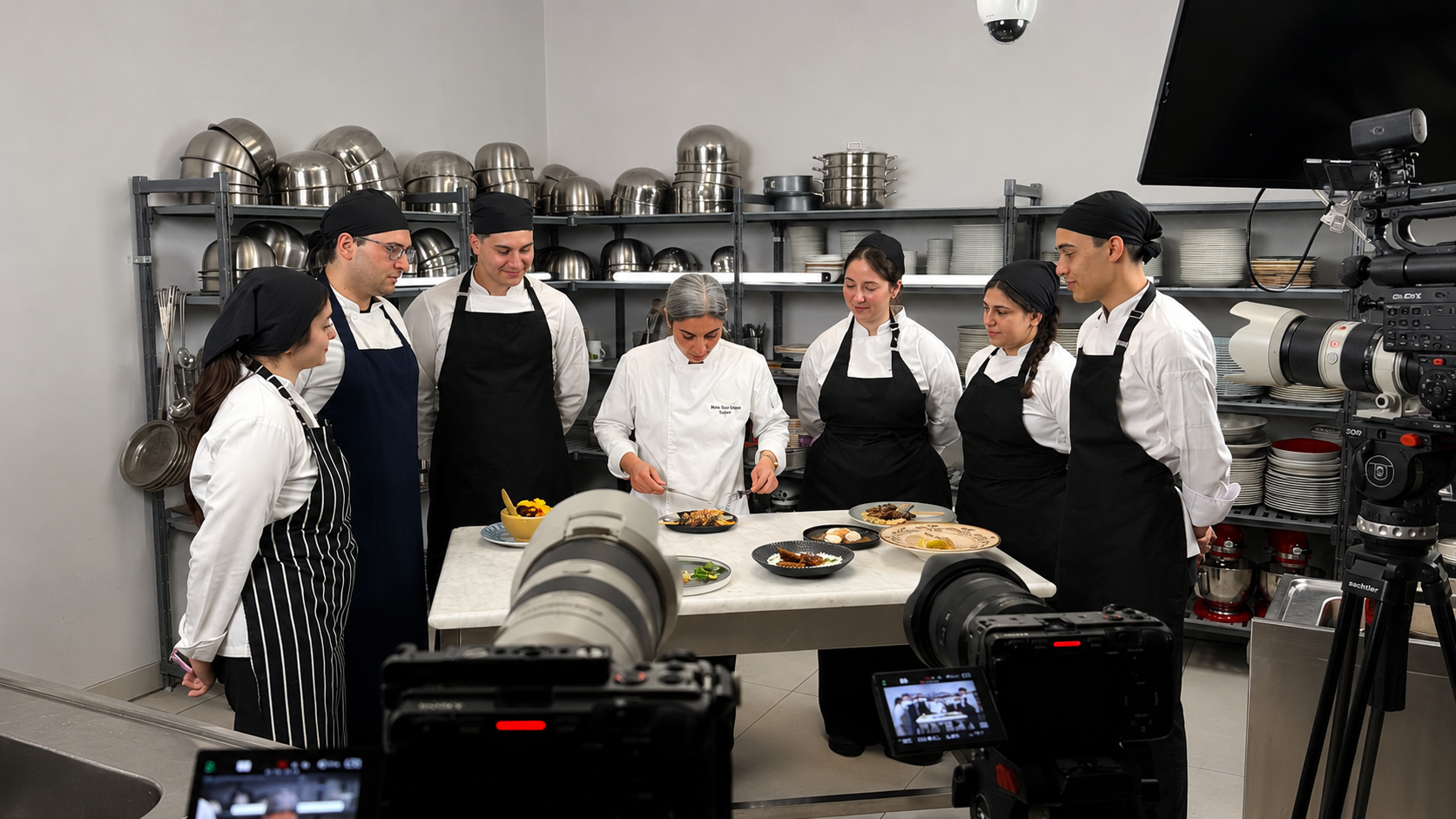
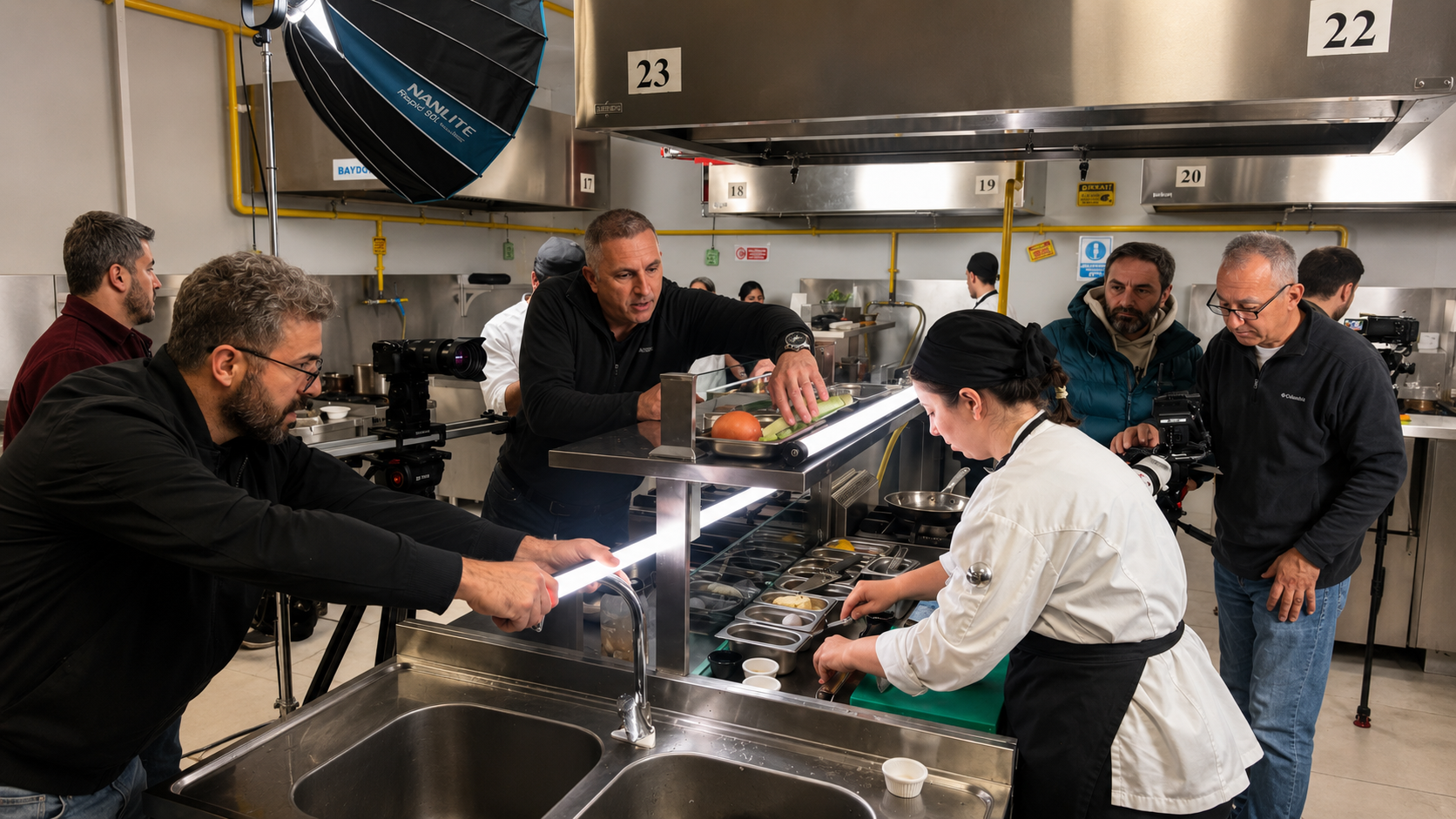
As part of the documentary, students met experienced chefs and explored how the recipes contained in the work could be interpreted within contemporary culinary practice. Through practical applications conducted in professional kitchens, students gained first-hand experience in every stage of the culinary process, from ingredient selection and preparation to cooking techniques and presentation.
A BOOK BROUGHT FROM THE SHELF TO THE KITCHEN
One of the documentary’s most remarkable aspects was its demonstration that cultural heritage should not remain confined to written records but should be actively practised and experienced.
Following their work with professional chefs, students transferred the knowledge and experience they had acquired into the practical training kitchens of Istanbul Medipol University.
Recipes written nearly two centuries ago were brought back to life through the hands of students. While remaining faithful to the spirit of the Ottoman period, these recipes were simultaneously reinterpreted through contemporary perspectives.
Throughout the documentary, Türkmen repeatedly returned to a central question:
“As Mehmed Kâmil wrote in the introduction: ‘Our greatest responsibility to future generations is to ensure the effective transmission of this unique heritage, which constitutes one of the fundamental components of our understanding of humanity and the universe.’ Today, we feel the weight of that responsibility on our shoulders. But from our perspective, is this heritage preserved merely by reading it, or is it truly sustained by cooking it once again?”
A LEGACY EXTENDING FROM THE PAST TO THE FUTURE
Broadcast on TRT 2, Lezzetin Sığınağı conveyed far more than the story of a cookbook. The documentary demonstrated that Turkish culinary culture is not simply a body of knowledge preserved in archives; rather, it acquires meaning when it is transmitted, practised, and kept alive by new generations.
One of the documentary’s most poignant moments came when Prof. Günay Kut addressed Dr. Büşra Meltem Türkmen, saying:
“You are holding a heritage in your hands. I am confident that this trust has reached the right person. Now it is your turn to light the stoves. Let us continue cooking and keeping our cuisine alive.”
These words emerged as a powerful symbol of the transmission of cultural heritage across generations.
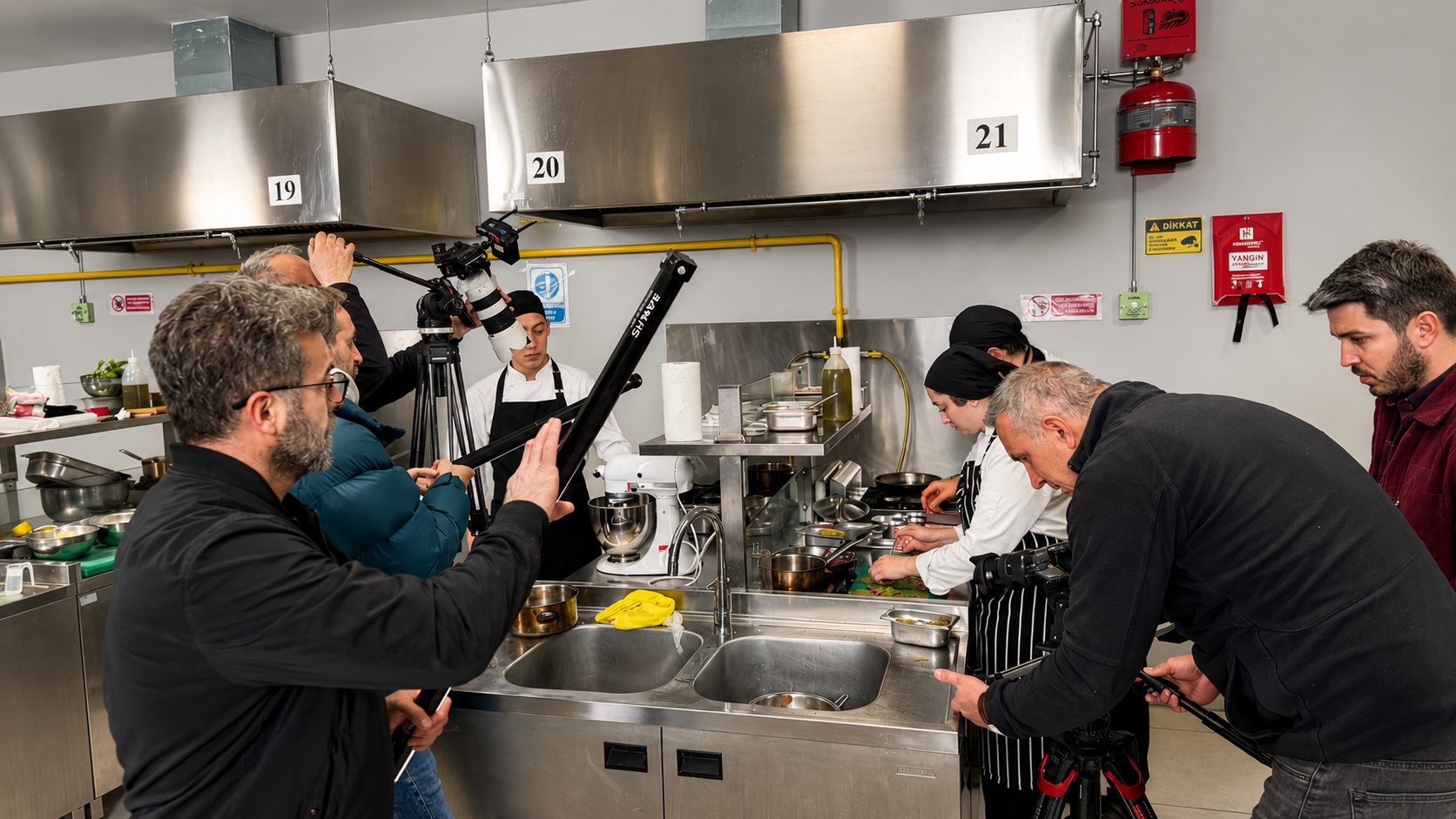
A nearly 180-year-old work preserved within the Süleymaniye Manuscript Library was carried, under the guidance of Dr. Büşra Meltem Türkmen, into university lecture halls, professional kitchens, and the workspaces of young gastronomes. In doing so, the culinary memory of an earlier era was not merely read, it was reinterpreted, recreated, and brought back to life.
For Istanbul Medipol University students, this process represented far more than learning historical recipes; it offered an opportunity to engage directly with a living cultural memory and to assume responsibility for carrying it into the future. This journey, extending from the Ottoman Empire’s first printed cookbook to contemporary kitchens, once again demonstrated that Turkish culinary culture remains a living heritage, continuously transmitted and renewed in the hands of new generations.
Lezzetin Sığınağı was broadcast on TRT 2.
Last Update : 10/06/2026 - 11:08