New areas of criminal liability arising from artificial intelligence discussed
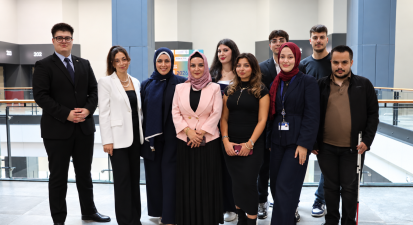
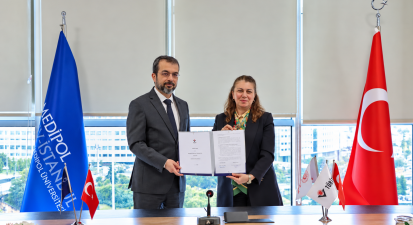
At an event organized by Istanbul Medipol University School of Law and the Information Technology Law Application and Research Center, legal experts examined the impact of artificial intelligence on personality rights and the limits of measures that can be taken to protect individuals from different legal perspectives.
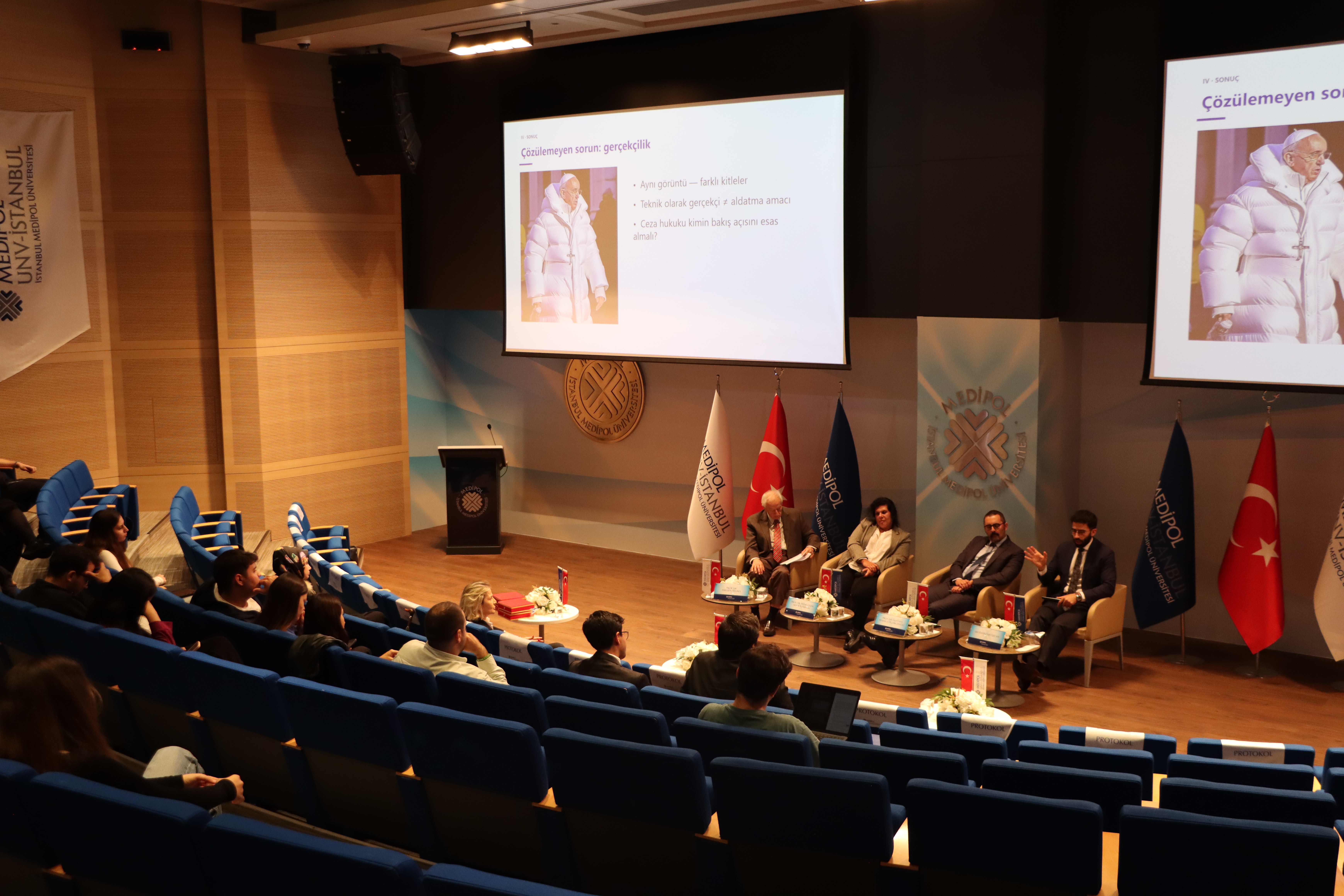
At the event titled “Artificial Intelligence and Criminal Law” organized by Istanbul Medipol University School of Law and the Information Technology Law Application and Research Center (BİHM), participants discussed how criminal liability should be determined for offenses committed using artificial intelligence, the risks posed by deepfake technology, and whether existing legal regulations are adequate. Drawing on examples from Turkish and German law, the program particularly examined whether a separate criminal offense should be established for non-consensual sexually explicit deepfakes.
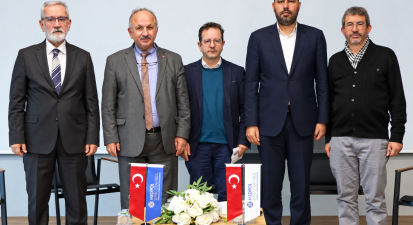
Held at the South Campus Conference Hall, the event was attended by Prof. Ayşe Nuhoğlu, Dean of Istanbul Medipol University School of Law; Prof. Feridun Yenisey, Legal Advisor to the Board of Trustees of Bahçeşehir University; Prof. Mustafa Temmuz Oğlakcıoğlu; Prof. Emine Eylem Aksoy Retornaz; and Attorney Mustafa Enes Özcan, as well as academics and students.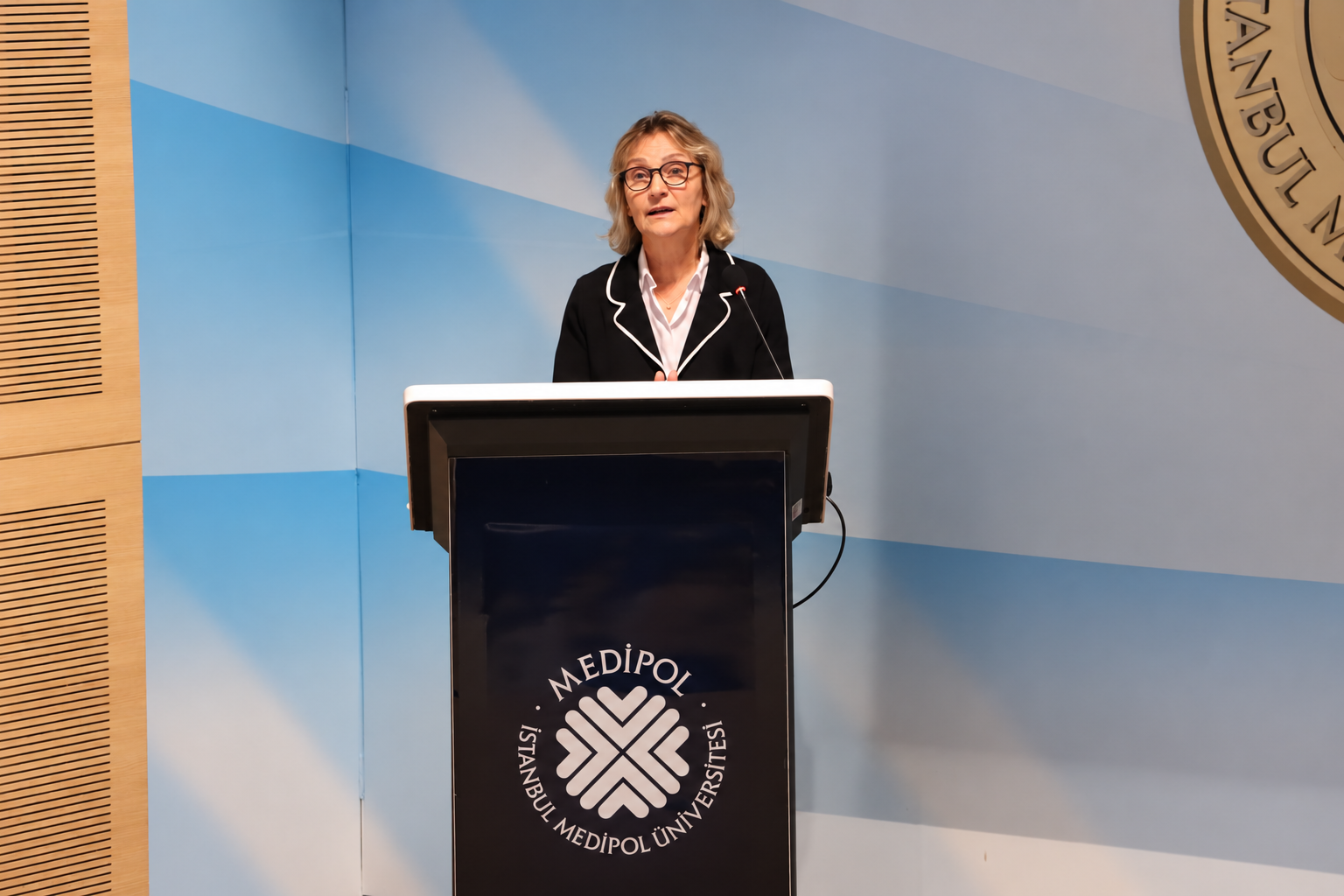
PROF. NUHOĞLU: ARTIFICIAL INTELLIGENCE HAS NEITHER CONSCIOUSNESS NOR CONSCIENCE
In her opening remarks, Prof. Ayşe Nuhoğlu discussed the role of artificial intelligence in the field of law, noting that alongside the conveniences offered by rapidly advancing technology, it also brings various risks. Nuhoğlu said, “Artificial intelligence is, in fact, an entity that is smarter than we are. But what is the greatest difference between us? Humans have consciousness and conscience, whereas artificial intelligence has neither. That is why artificial intelligence cannot replace legal professionals.”
Drawing attention to the potential challenges that the technical capabilities of artificial intelligence may create in criminal law, Nuhoğlu stated that issues such as indirect perpetration and deepfakes should be discussed within this framework.
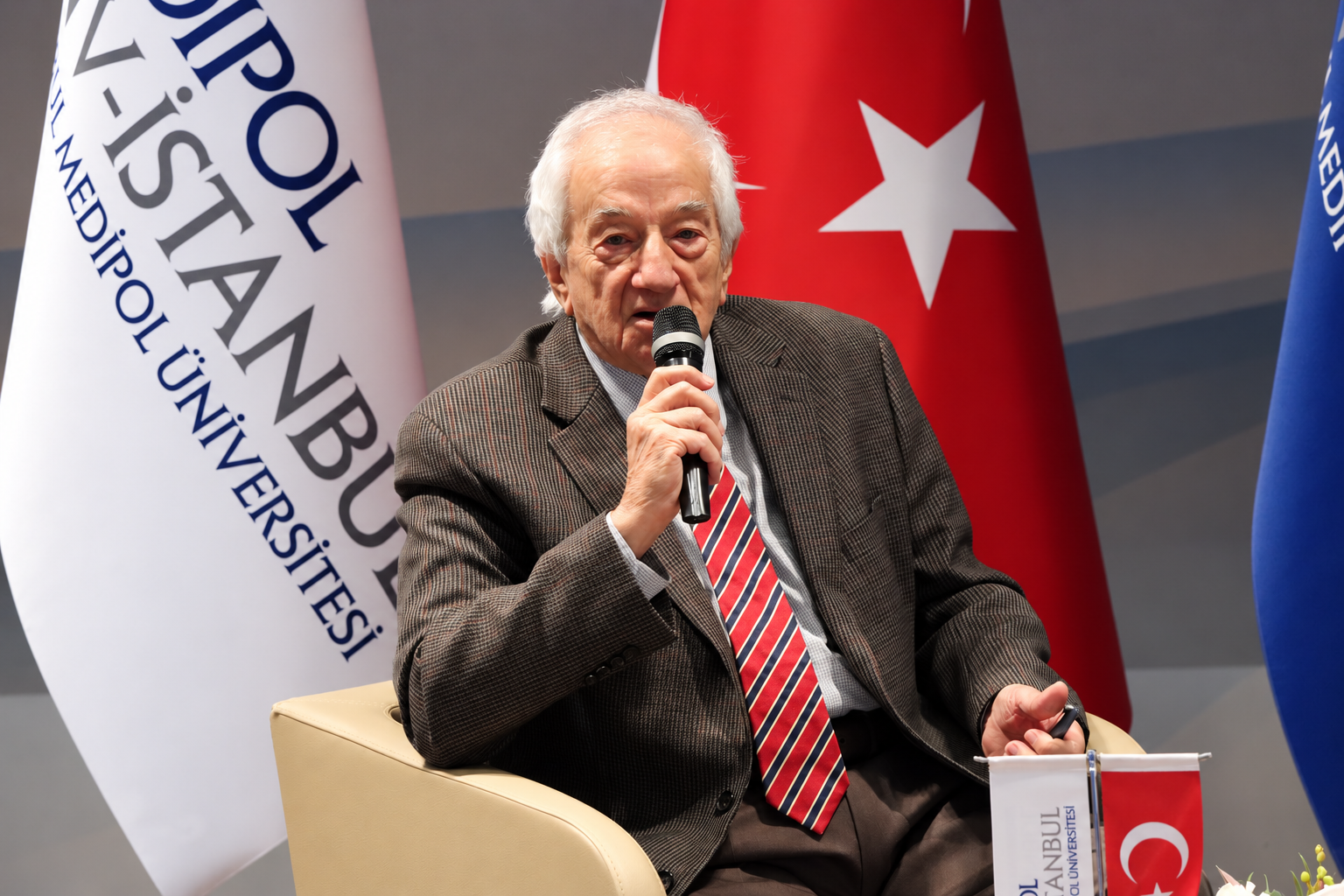
PROF. YENİSEY: ARTIFICIAL INTELLIGENCE IS INTANGIBLE, YET HIGHLY CAPABLE
Prof. Feridun Yenisey, who moderated the program, addressed the uncertainty surrounding the definition of artificial intelligence, saying, “We are going to talk about artificial intelligence today, but I still cannot quite figure out what artificial intelligence actually is. You cannot touch it or see it, yet it can accomplish remarkably successful things.”
Yenisey emphasized that the principle of legality in criminal law, under which crimes and punishments must be prescribed by law, is of critical importance in discussions surrounding artificial intelligence.
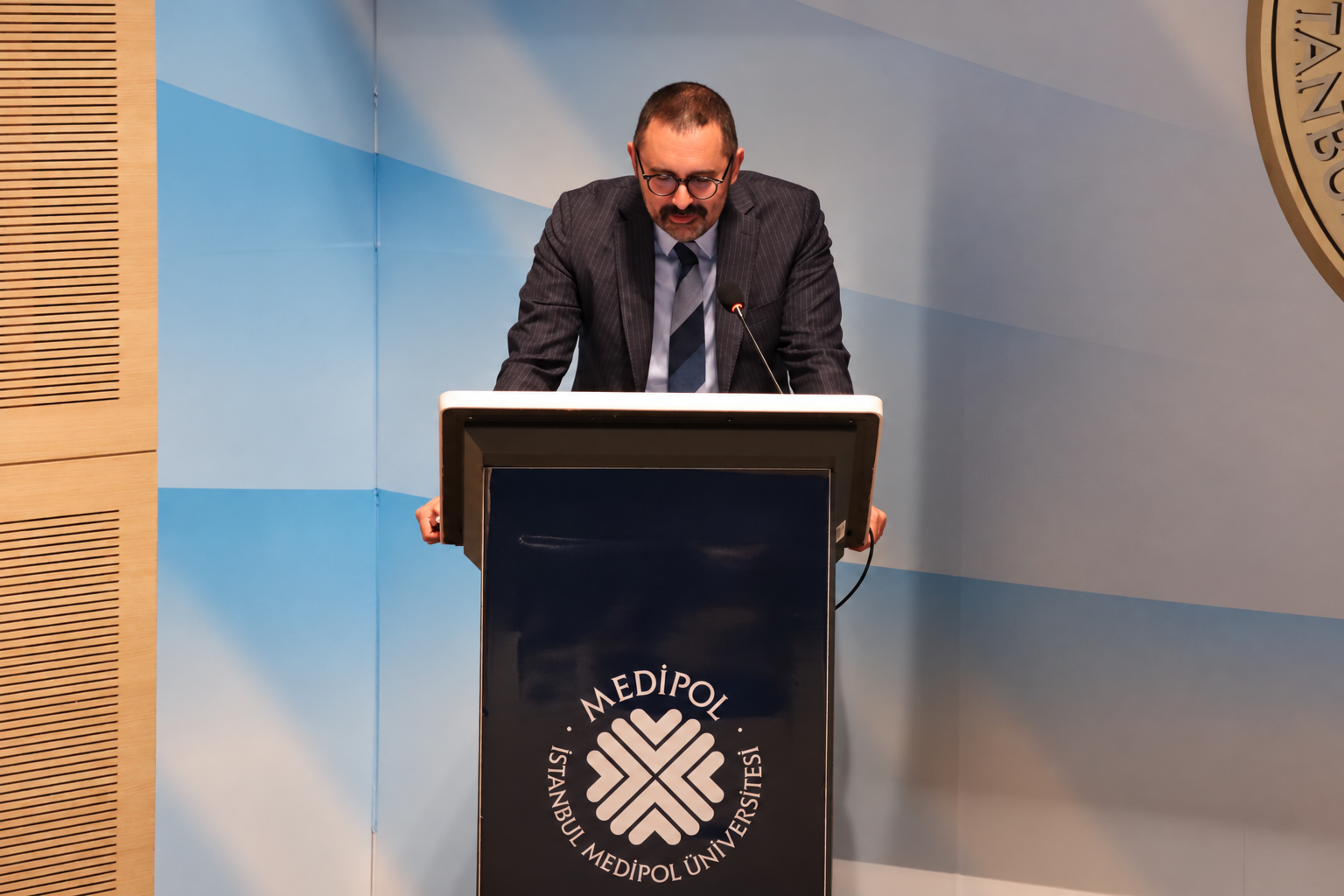
PROF. OĞLAKCIOĞLU: ARTIFICIAL INTELLIGENCE IS OFTEN AN AUXILIARY TOOL
In his presentation, Prof. Mustafa Temmuz Oğlakcıoğlu provided examples of the use of artificial intelligence in fraud, offenses against honor, and cybercrime. He examined the use of artificial intelligence as a tool in the commission of crimes from the perspectives of criminal liability and indirect perpetration.
Drawing on examples from the German Criminal Code, Oğlakcıoğlu discussed to whom an offense and its consequences may be attributed. He stated that in most cases, artificial intelligence serves merely as an auxiliary tool and that primary responsibility remains with the user, although determining liability may become more complex in certain types of offenses.
Regarding offenses involving statements or expressions, Oğlakcıoğlu noted that it is important to determine whether the user has adopted an AI-generated statement as their own. He emphasized that individuals cannot evade responsibility by hiding behind artificial intelligence.
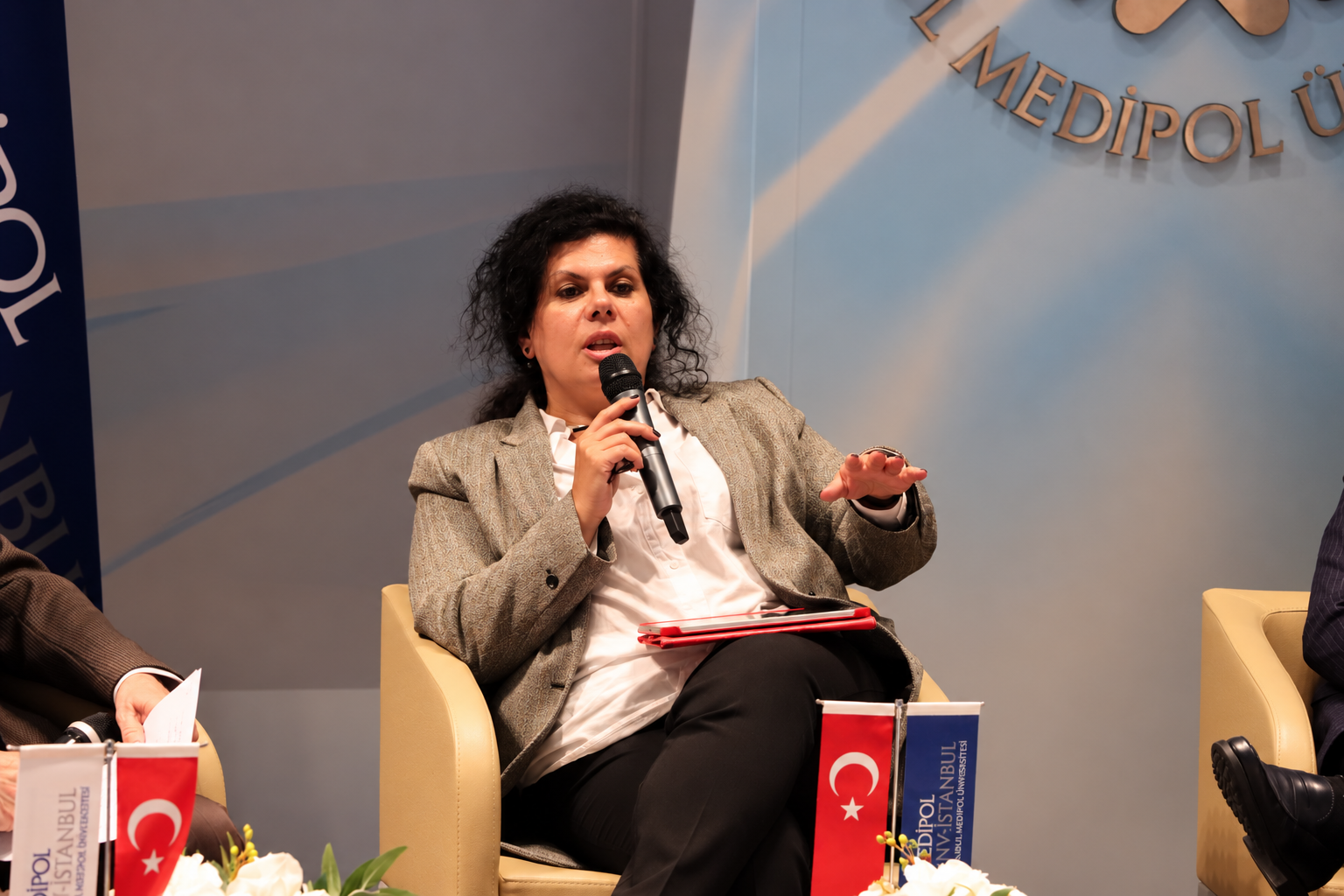
PROF. RETORNAZ: A NEW CRIMINAL OFFENSE IS NEEDED FOR SEXUALLY EXPLICIT DEEPFAKES
Prof. Emine Eylem Aksoy Retornaz examined the status of deepfake technology under Turkish law, describing deepfakes as image or audio content generated or altered using artificial intelligence in a way that creates the impression of authenticity.
Discussing the definition within the framework of Türkiye’s Personal Data Protection Law (KVKK) and the European Union Artificial Intelligence Act, Retornaz said, “Our legal system does not have a definition of deepfake. There are countries that have criminalized the creation of deepfakes, but Türkiye currently has no specific regulation on this issue.”
Retornaz argued that sexually explicit deepfakes constitute a form of cyber violence particularly targeting women and that the existing provisions of the Turkish Criminal Code are insufficient. She maintained that a separate criminal offense is needed for the creation and distribution of non-consensual sexually explicit images.
Retornaz also examined identity misuse and the dissemination of misleading information under existing legal provisions. She stated that these provisions could apply in certain cases, but argued that lawmakers should take action to define deepfakes and establish a specific criminal offense addressing such content.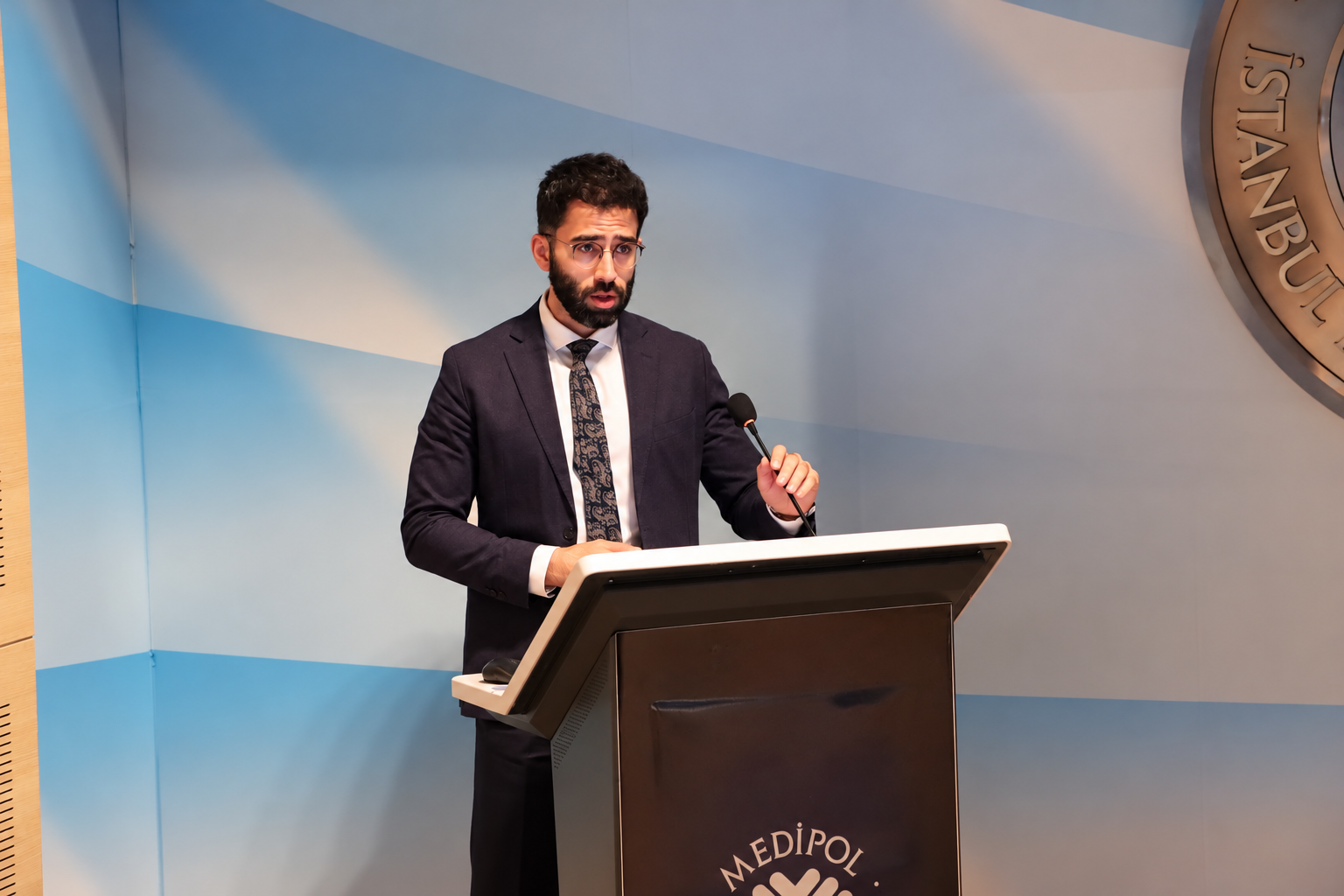
ÖZCAN: NEW CRIMINAL OFFENSES SHOULD BE NARROWLY DEFINED AND PROPORTIONATE
Attorney Mustafa Enes Özcan examined deepfakes from the perspective of German criminal law, noting that the increasing accessibility of the technology has amplified the associated risks. Drawing on data presented during his talk, he highlighted the prevalence of sexualized deepfake content and the fact that women are particularly targeted by such material.
Özcan stated that existing provisions of the German Criminal Code cover many cases, but that legal gaps remain in relation to entirely artificially generated content and situations in which content is shared only once. He critically examined regulatory proposals put forward by the German Federal Ministry of Justice, the Bundesrat, and the Greens.
Warning that overly broad definitions could undermine freedom of expression and political communication, Özcan emphasized that any new criminal offenses should be narrowly defined and proportionate.
Last Update : 30/09/2026 - 16:56