Academic solidarity emphasized to sustain education in Gaza
The efforts to sustain education and scientific activities in Gaza under wartime conditions were examined from different perspectives at the “Being a University in Gaza”, Bilim Kafe event organized by Istanbul Medipol University. The program emphasized that universities exist not merely through physical spaces but through academic freedom, scientific production, and human resources, while also drawing attention to the challenges faced by healthcare and education professionals.
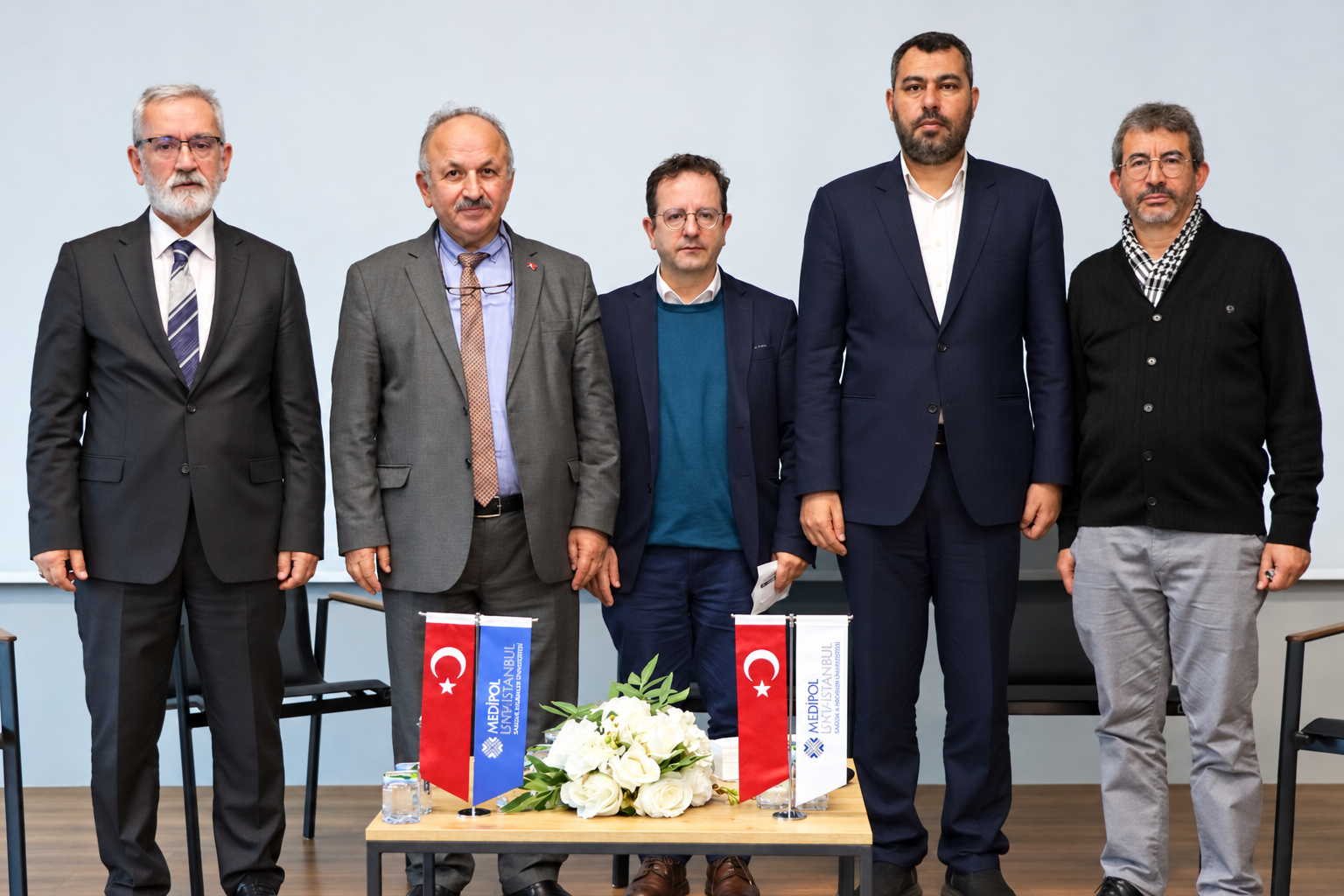
The impact of Israeli attacks on higher education, healthcare, and scientific activities in Gaza was discussed at the “Being a University in Gaza” Bilim Kafe event organized by the Istanbul Medipol University. Held at the Beykoz Municipality Kavacık Life Center, the event opened with remarks by Prof. Recep Öztürk, Vice President of Istanbul Medipol University. The program was moderated by Prof. Bekir Berat Özipek, Head of the Department of Political Science and Public Administration, and featured Assist. Prof. Mahmut Alrantisi, Prof. Ali Büyükaslan, Dean of the School of Communication, and Assist. Prof. Mahmut Tokaç from the School of Medicine as speakers.
Drawing attention to the situation of students striving to continue their education despite extremely difficult conditions, the academics called for concrete and sustained academic solidarity to help rebuild and strengthen university life in Gaza.
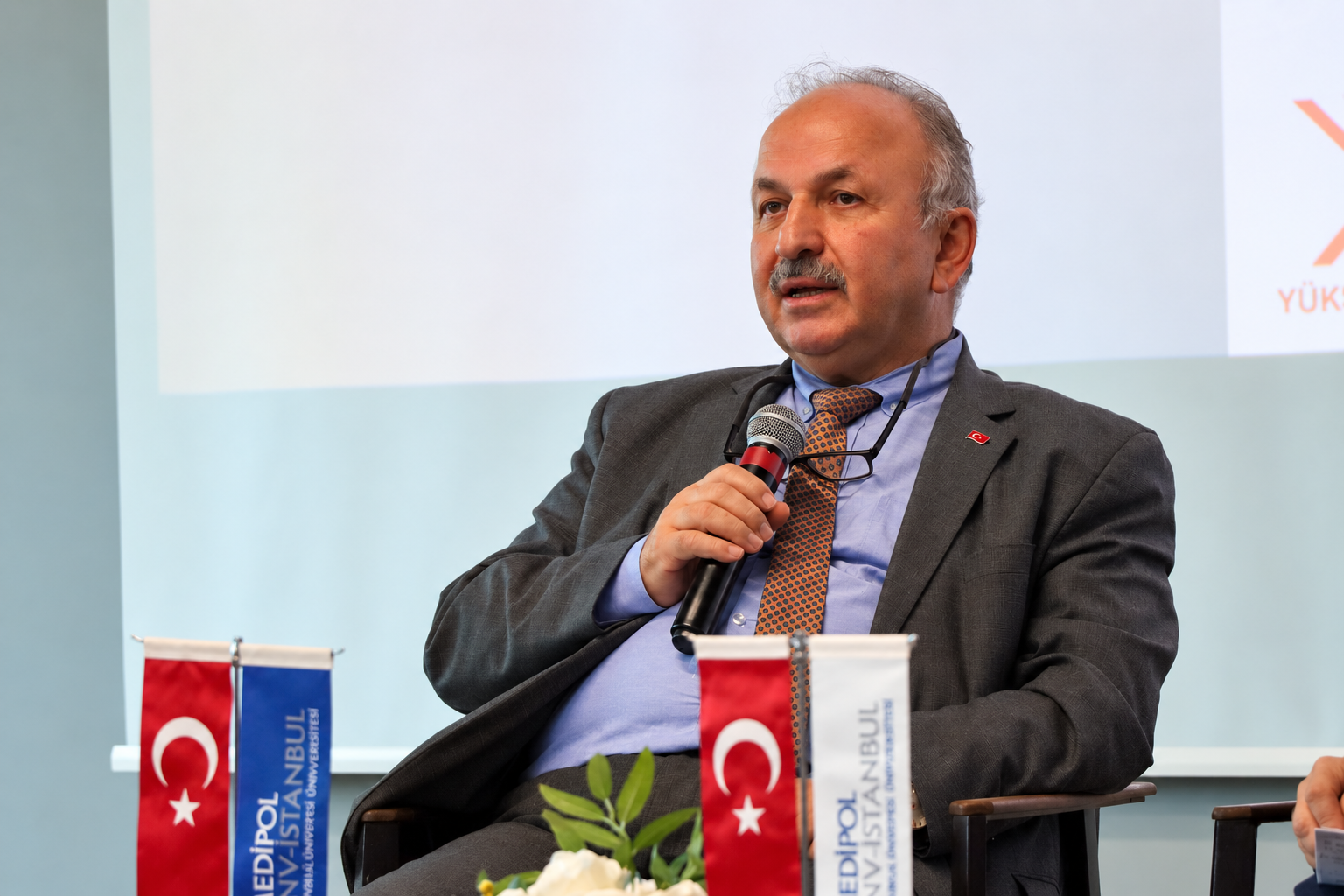
PROF. ÖZTÜRK: GAZA IS A LITMUS TEST FOR HUMANITY
In his opening remarks, Prof. Recep Öztürk, Vice President of Istanbul Medipol University, addressed the efforts of people in Gaza to sustain their lives, education, and healthcare services, stating that universities should seek ways to stand in solidarity with academics there. Öztürk said, “The people of Gaza are not merely struggling to survive. Even amid war and under extremely difficult conditions, they are striving to sustain academic life and healthcare services. This is an extraordinary effort on behalf of humanity, and Gaza is a litmus test for humanity.”
Noting that the event provided an opportunity to revisit what is happening in Gaza and for everyone to reflect on their own responsibilities, Öztürk said, “Although there have been individual reactions in other parts of the world to the genocide in Gaza, unfortunately, there has been no serious opposition from influential states. We hope that new discourses and developments capable of changing humanity’s perspective will emerge.”
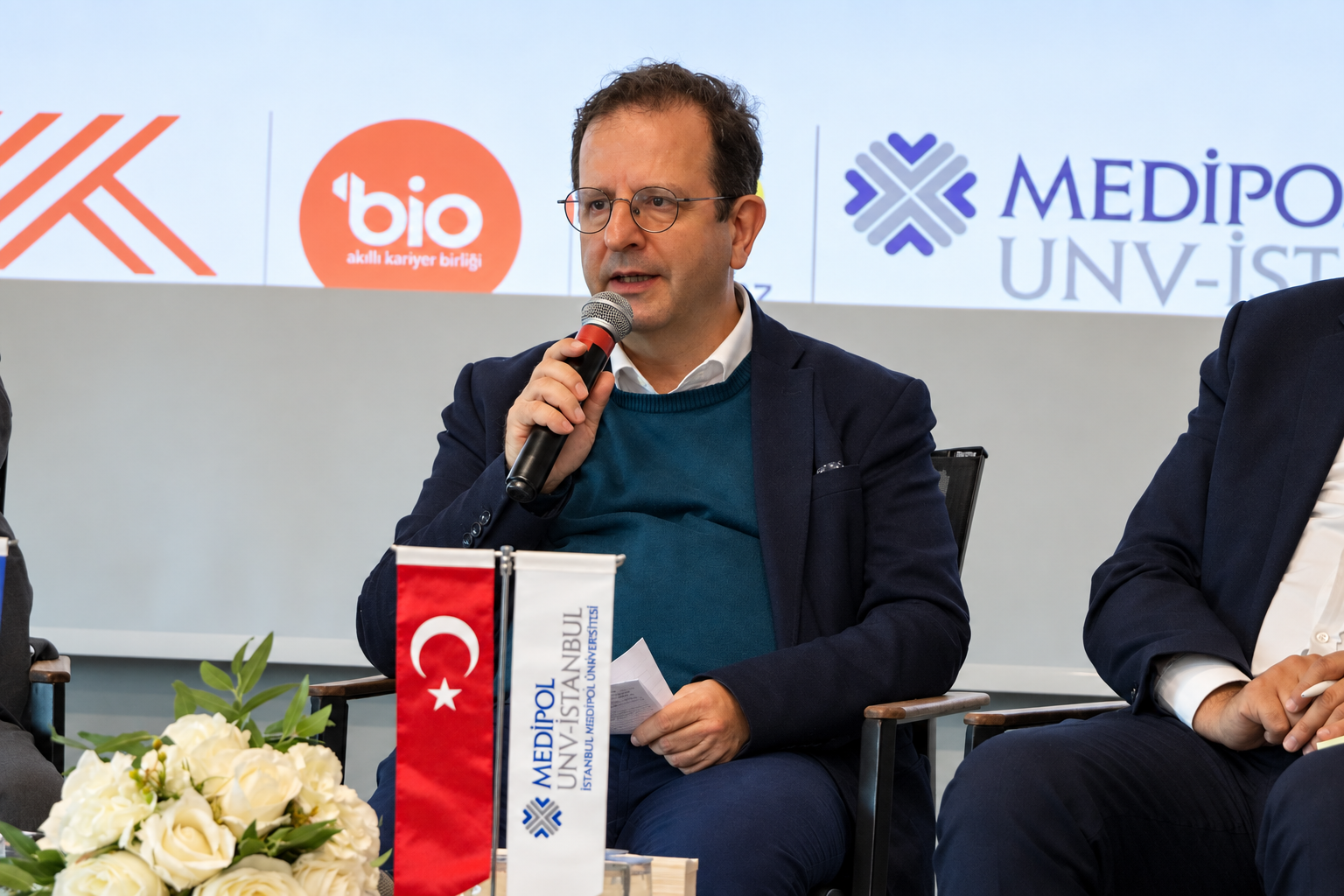
PROF. ÖZİPEK: WE ARE WATCHING AN ONLINE GENOCIDE
Prof. Bekir Berat Özipek, who moderated the program, emphasized that what is happening in Gaza is unfolding before the eyes of the world. Stating that no one can claim to be unaware of what is happening, Özipek said:
“With massacres in the past, perhaps it might have been somewhat easier for us. We had many reasons to look away. But when it comes to the genocide in Gaza, that is not possible. Everything is happening before our eyes. We are watching a genocide online. We find ourselves discussing how predictions about the number of children who will be killed the next day turn out to be accurate. Therefore, no one can say, ‘I did not know,’ or ‘I did not use social media, watch television, read newspapers, or speak to anyone.’ Since this is not possible, this process forces all of us to make a choice. The occurrence of a genocide inevitably places upon us a duty to become involved. Above all, this is a moral duty.”
Özipek stated that academia could not remain outside this responsibility either, adding that universities should question themselves regarding their commitment to truth, bearing fair witness, and solidarity. Noting that speaking about Palestine requires intellectual courage, he emphasized the importance of sustaining solidarity.
“BUILDINGS ARE NOT WHAT MAKE A UNIVERSITY A UNIVERSITY”
Addressing the continuation of education in Gaza, Özipek stated that rebuilding university buildings is important, but academic life cannot be defined solely by physical structures. Özipek said, “Buildings are not what make a university a university; a university is an atmosphere. Wherever people can feel free and academic freedom exists, there can be a university even in tents.”
Stating that efforts to revive university life in Gaza should be supported, Özipek called for multifaceted academic solidarity to help achieve this goal.
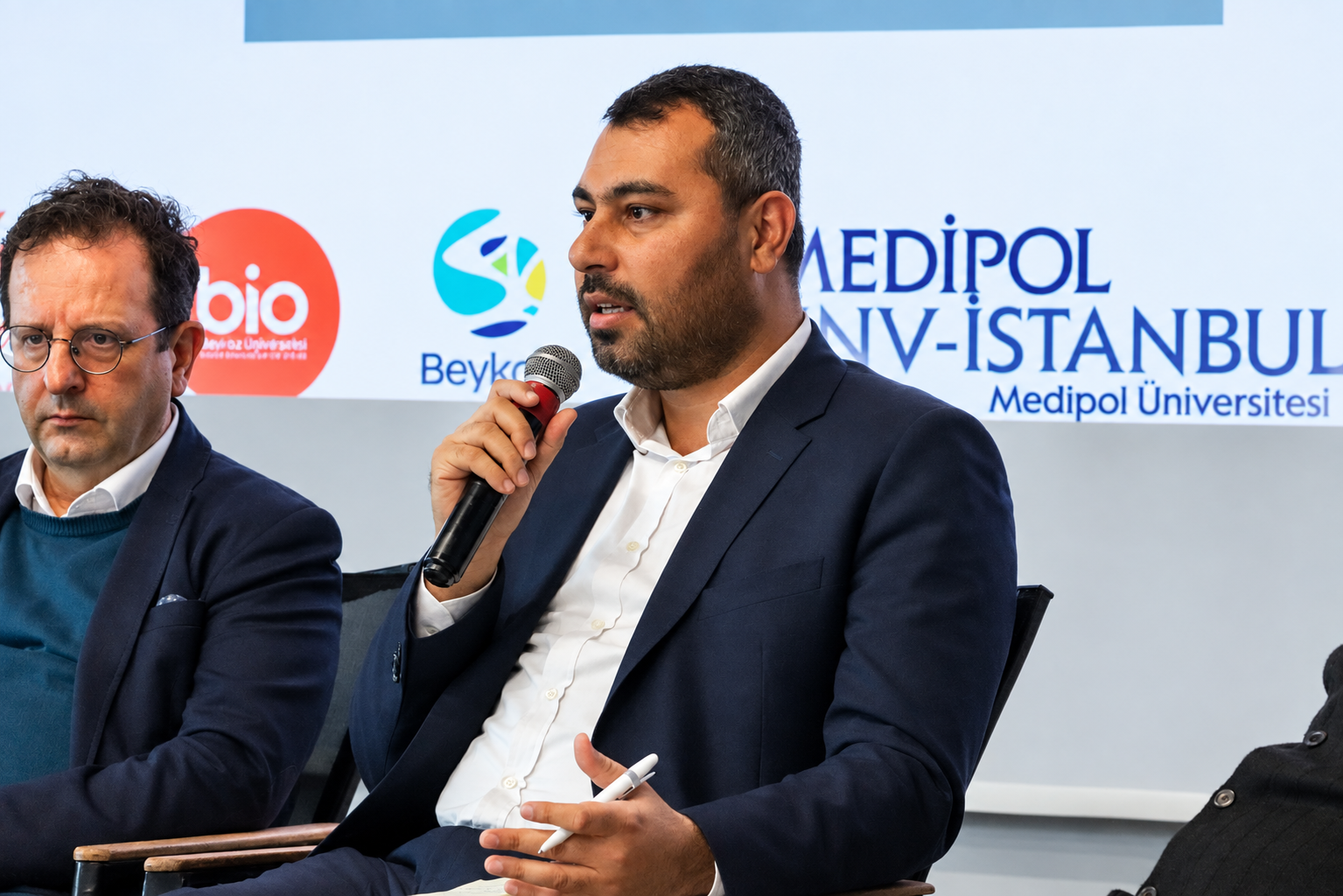
ASSIST. PROF. ALRANTİSİ: SOLIDARITY MUST CONTINUE THROUGH CONCRETE ACTION
Speaking within the framework of “Being a University in Gaza” Assist. Prof. Mahmut Alrantisi shared examples from the experiences of his family and relatives. Alrantisi explained that his family was living in a tent and that communication with them was frequently interrupted. Despite severe damage to roads, hospitals, and educational infrastructure, he said that people were striving to continue working and students were trying to pursue their education.
Stating that solidarity events held in Türkiye give hope to students in Gaza, Alrantisi emphasized that words must be translated into initiatives that respond to actual needs. “Showing solidarity alone is not enough; action is also necessary. The solidarity we are discussing today must continue through concrete steps from now on.” Alrantisi said.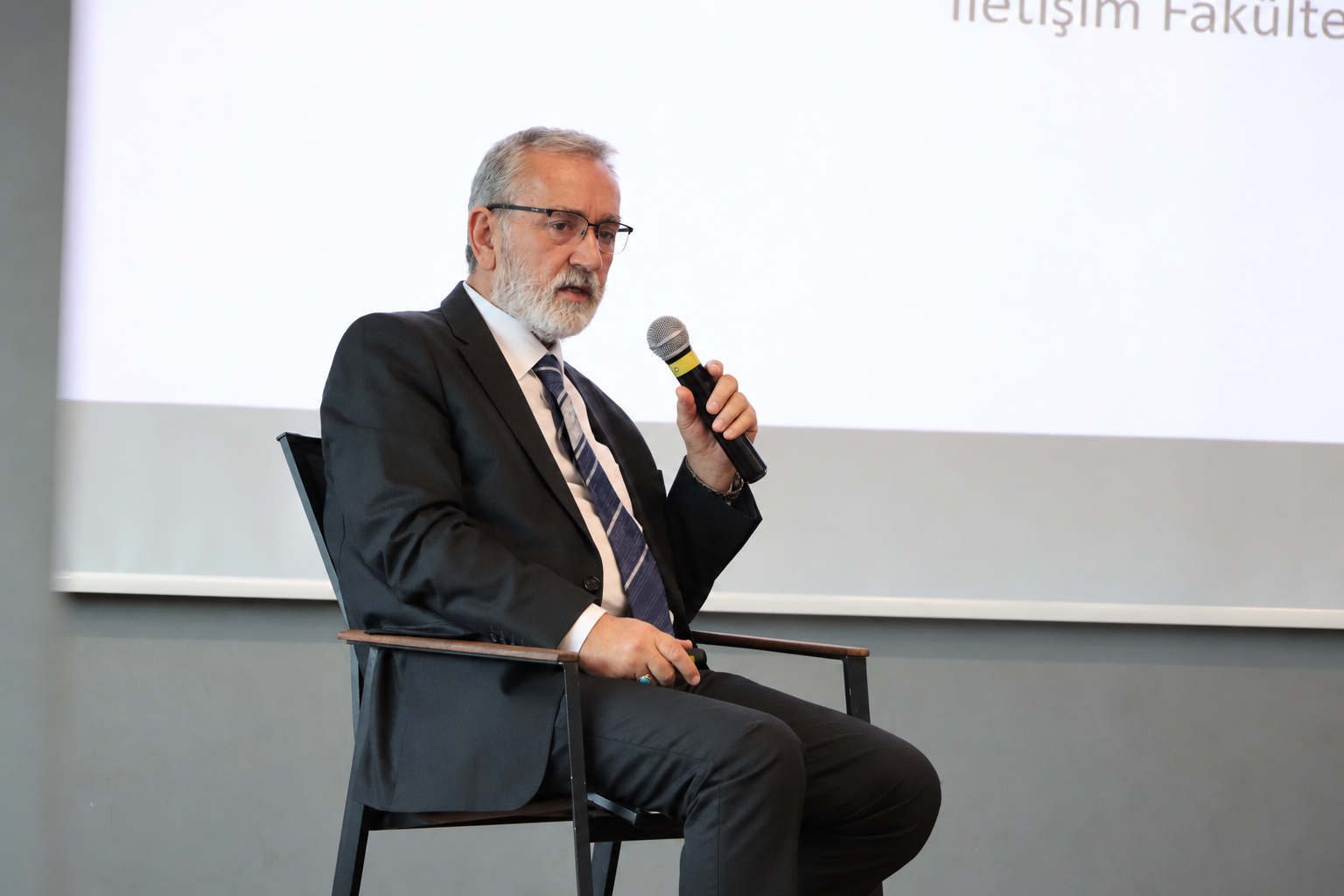
PROF. BÜYÜKASLAN: WHEN THE FLOW OF NEWS IS CUT OFF, CONTEXT IS LOST AS WELL
In his presentation entitled “The Voice of Gaza: Media and the Language of News” Prof. Ali Büyükaslan drew attention to the dangers faced by journalists in Gaza. Noting that international journalists have been prevented from entering the region, leaving much of the responsibility for reporting events to the world to local journalists, Büyükaslan said that attacks targeting these journalists also affect the flow of news and visual documentation.
Emphasizing the crucial role journalists play in making events in Gaza visible, Büyükaslan said, “Restricting the flow of news eliminates not only information but also the context and meaning that allow us to interpret that information. In other words, when you eliminate a piece of information, a document, or an image, you are not merely removing that particular item. You are also preventing the reality that could be understood through it from becoming visible. In its place, you put forward the reality you want people to see.”
“AT THE CORE OF ZIONIST THOUGHT IS A STRATEGY OF MAKING PEOPLE FORGET”
Büyükaslan argued that a strategy of making people forget what has happened lies at the core of Zionist thought, drawing attention to the role of media and social networks in shaping public perceptions. He further argued that Hollywood productions had long been used for this purpose and said that, following the events in Gaza, such narratives would no longer resonate with conscientious audiences.
Comparing the West’s approaches to Ukraine and Palestine, Büyükaslan stated that attempts were being made to obscure the reality in Gaza and construct a different narrative. Asking, “What does Gaza tell us?” Büyükaslan said Gaza had demonstrated that people could come together around a shared conscience regardless of differences in language or origin. He also emphasized boycotts as an effective form of response to economic power.
Büyükaslan expressed his criticism of the international community in the following words: “Remember: A hand is raised, casting a shameful veto vote in the name of humanity in the face of a genocide unfolding before our eyes, in which thousands of children have been killed.”
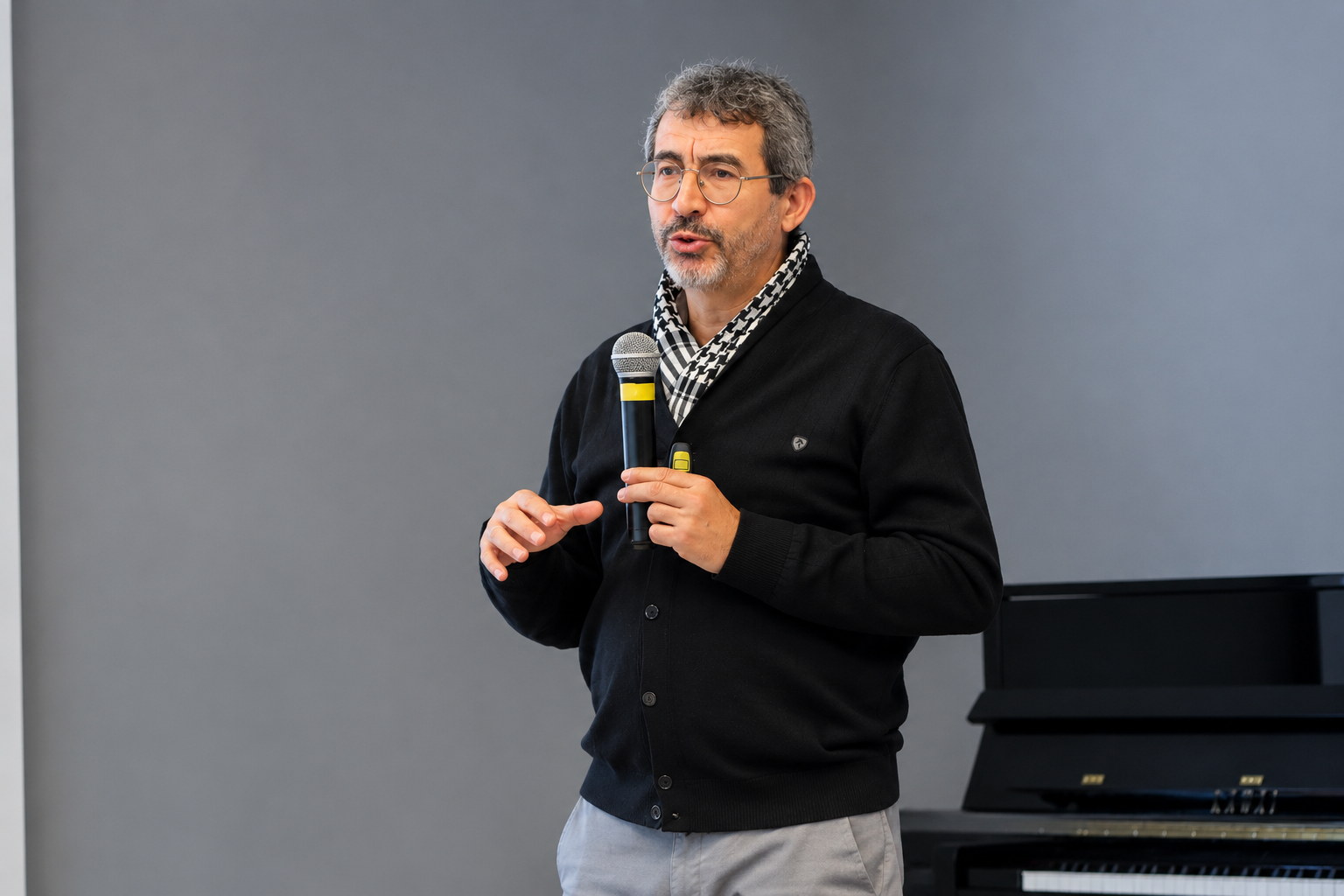
ASSIST. PROF. TOKAÇ: HEALTHCARE AND EDUCATIONAL INFRASTRUCTURE HAVE SUFFERED SEVERE DAMAGE
In his presentation entitled “Health, Education, and Science in Gaza” Assist. Prof. Mahmut Tokaç discussed the impact of the attacks on hospitals and higher education institutions. According to the data he presented, by April 2024, 85 percent of healthcare facilities in Gaza had been severely damaged or completely destroyed. Tokaç stated that access to electricity, water, medicines, and essential medical supplies was also severely restricted at facilities that remained partially operational.
Tokaç noted that before the attacks, Gaza had 11 universities and eight other higher education institutions, with approximately 90,000 students enrolled at universities, and stated that the majority of higher education buildings had become unusable. He emphasized that sustaining healthcare and education services requires support not only for physical infrastructure but also for academics, students, and healthcare professionals.
Last Update : 29/09/2026 - 14:11