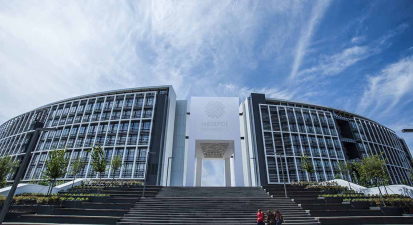
4th Human Resources Management Congress continues
The 4th Human Resources Management Congress, focusing on the future of working life at the intersection of people, technology, and organizations, continues at Istanbul Medipol University. Bringing together academics, industry representatives, and students, the first and the second day of the congress addressed the impact of artificial intelligence on human resources processes, evolving approaches to management, and human-centered models of work.
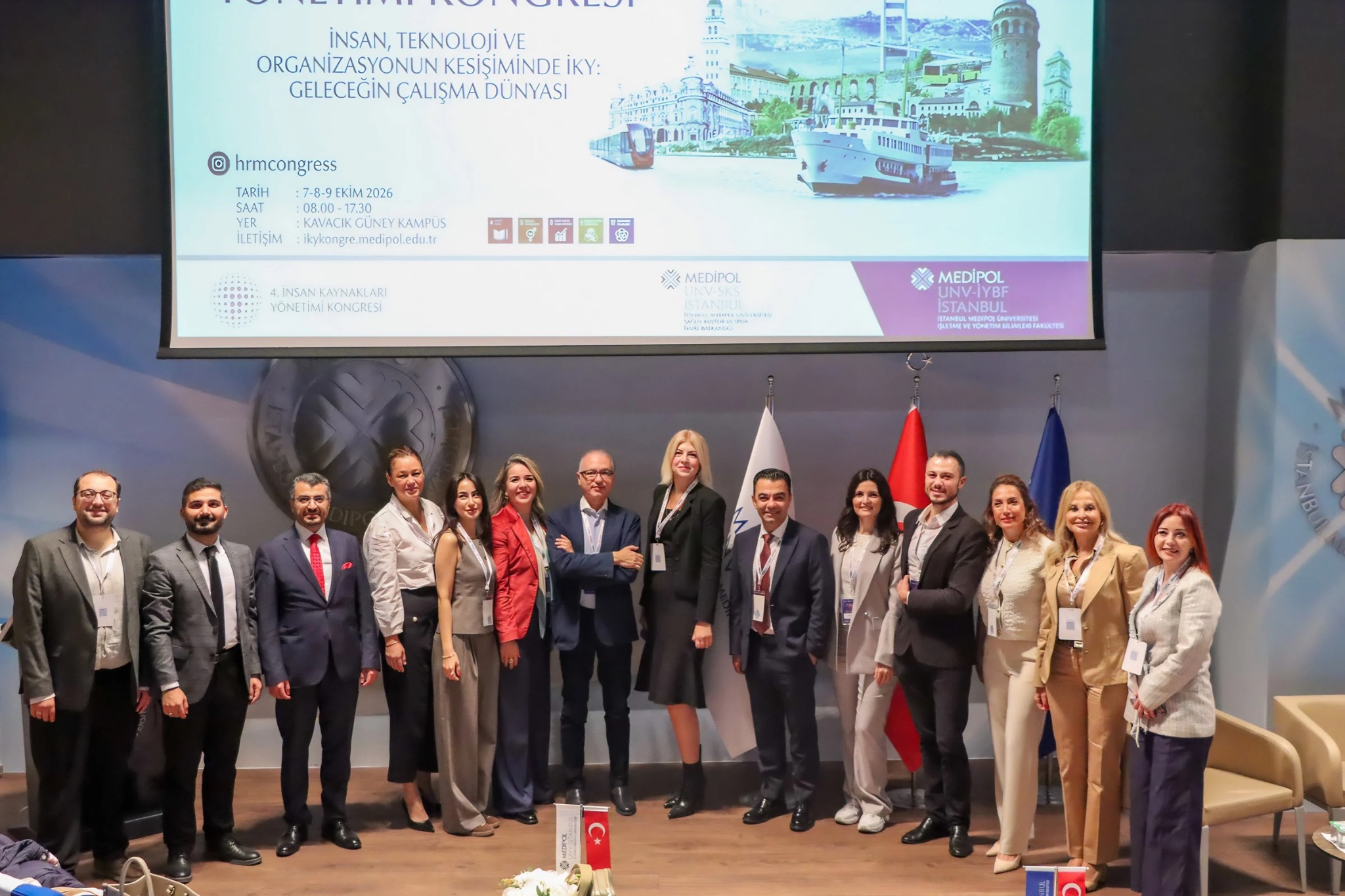
The 4th Human Resources Management Congress was organized by the Istanbul Medipol University School of Business and Management Sciences to address current developments in human resources management from a scientific perspective, bring together different viewpoints, and strengthen interaction between academia and practice. The congress began on October 7 at the South Campus Conference Hall and will continue through October 9.
Held under the theme “HRM at the Intersection of People, Technology, and Organizations: The Future World of Work,”the opening of the event was attended by academics, industry representatives, and students, including Assoc. Prof. Abdurrahman Çetin, Secretary General of Istanbul Medipol University; Assoc. Prof. Öznur Gülen Ertosun, Vice Dean of the School of Business and Management Sciences; and Assoc. Prof. Pınar Akıncı Acar, Head of the Department of Human Resources Management.
The three-day program addresses topics including the relationship between artificial intelligence and human resources, algorithmic management, AI literacy, leadership, talent management, and sustainability. The evolving roles of human resources professionals, employee experience, and the responsibilities arising from technological transformation are also among the key areas of discussion.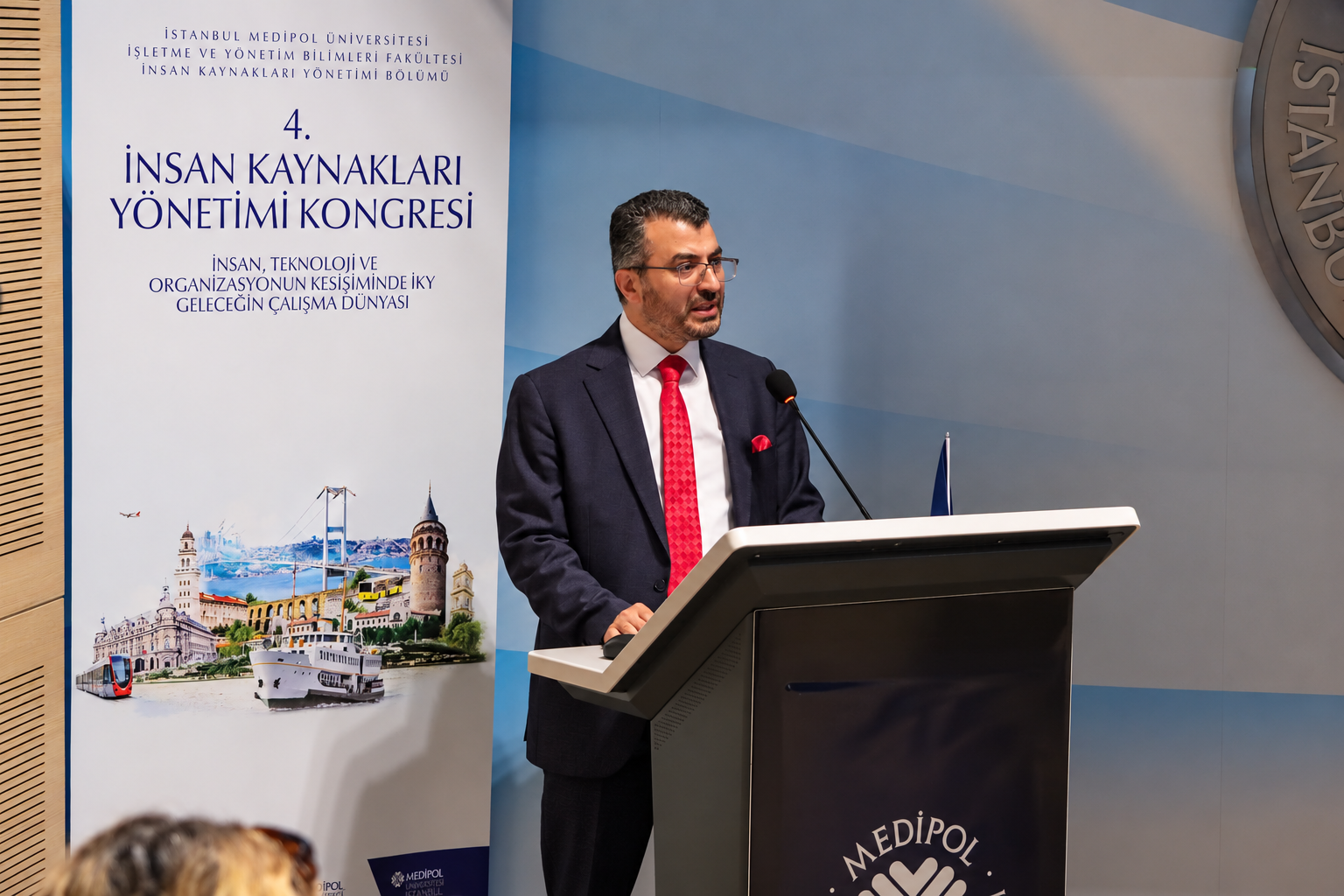
ASSOC. PROF. ÇETİN: PEOPLE STILL REMAIN AT THE HEART OF ORGANIZATIONS
Delivering the opening remarks, Assoc. Prof. Abdurrahman Çetin, Secretary General of Istanbul Medipol University, said that digitalization, artificial intelligence, automation, and new models of work are reshaping not only how people work but also how organizations view their workforce. Noting that human resources management has become an important part of organizations’ strategic decision-making, capacity for transformation, sustainability approaches, and organizational culture, Çetin said, “Because despite all technological advances, there is still one fundamental element at the heart of organizations: people.”
Çetin stated that future human resources professionals will be expected to interpret data, understand technology, design employee experiences, and manage change, emphasizing that students will be direct participants in the future world of work. He added that university education is not only about acquiring knowledge but also about learning to question, conduct research, think critically, and produce new knowledge.
Drawing attention to the increasing use of artificial intelligence in processes ranging from recruitment and talent analysis to training, development, and performance management, Çetin said that while these developments offer new opportunities for organizations, they also create new responsibilities. He noted that the use of data, preserving the human role in decision-making mechanisms, defining ethical boundaries, and managing the impact of technology on employees will be among the major areas of discussion in the coming years.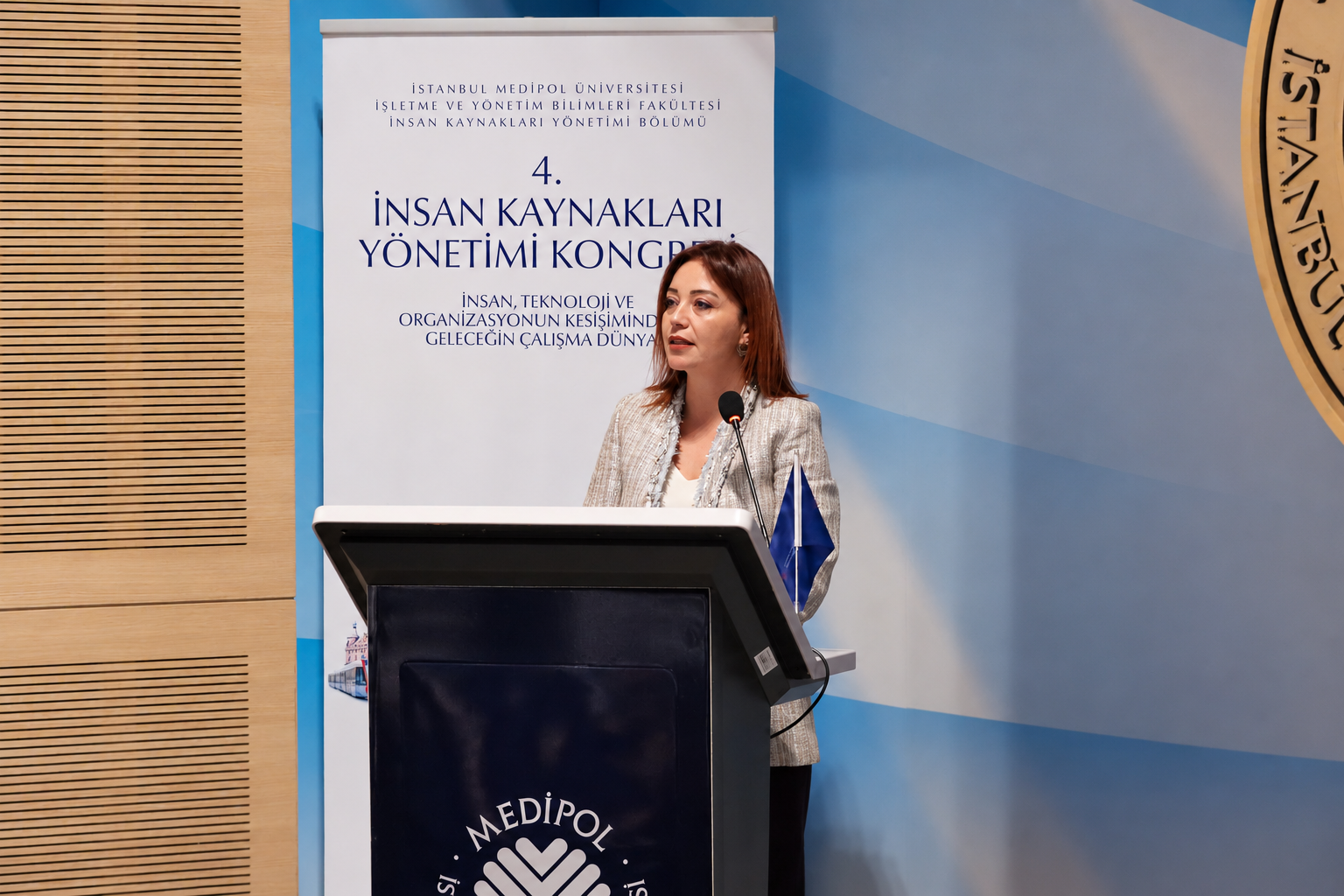
ASSOC. PROF. ERTOSUN: TECHNOLOGY IS REDEFINING WORKPLACE CULTURE AND PERCEPTIONS OF FAIRNESS
Assoc. Prof. Öznur Gülen Ertosun, Vice Dean of Istanbul Medipol University School of Business and Management Sciences, stated that technology has moved beyond being a tool that simply accelerates processes within human resources departments and has become central to decision-making mechanisms. Ertosun said, “As emphasized in the main theme of our congress, people, technology, and organizations are no longer three separate and independent domains. They have become an interconnected, organic whole that continuously transforms each of its components.”
Ertosun said the congress would explore how artificial intelligence, across processes ranging from recruitment to talent management, will redefine not only organizational efficiency but also workplace culture and perceptions of fairness. She noted that topics such as algorithmic human resources management, the integration of autonomous AI tools into organizational processes, and AI literacy demonstrate how new models of work are being shaped.
Pointing out that the roles of human resources professionals are being redefined in an era increasingly characterized by human-AI collaboration, Ertosun added that managing risks such as digital fatigue and technostress would also be among the congress’s key areas of discussion. She said participants were regarded not merely as audience members, but as stakeholders who discuss, question, and share ideas to help shape practices together.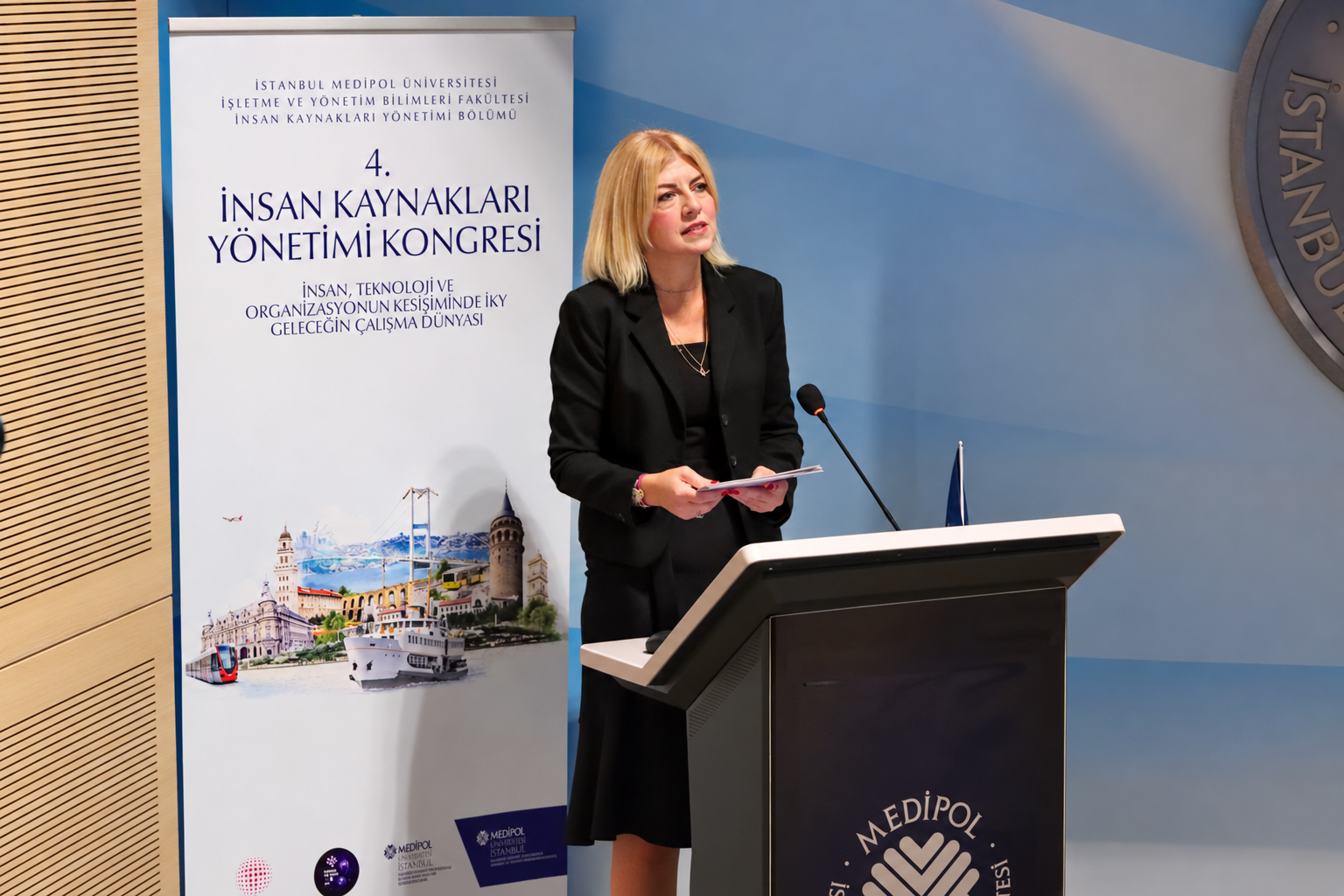
ASSOC. PROF. ACAR: WE MUST DESIGN WORKING LIFE WHILE PRESERVING HUMAN VALUE
Assoc. Prof. Pınar Akıncı Acar, Head of the Department of Human Resources Management at Istanbul Medipol University, said that the transformation of working life is redefining the role of human resources management. In a world where artificial intelligence is becoming part of decision-making processes and algorithmic management is increasingly being discussed, she noted that key questions include how the jobs of the future will be designed, which skills will be required, and where people will be positioned within this transformation.
Describing human resources as a strategic field that drives change, promotes diversity and inclusion, and prepares talent for the future, Acar said that as technology advances, the value of distinctly human qualities will become increasingly visible. Acar said, “Therefore, the real issue is not choosing between people and technology, but determining how we can design a better world of work together with technology while preserving human value.”
Acar described congresses as intellectual spaces where new questions emerge, different ideas come together, and academic collaborations develop. She announced that more than 80 papers had been submitted to this year’s congress. Noting that both the number and quality of submissions reflect the level of scientific output in the field and the growing diversity of research questions, Acar said that the three-day gathering was the result of approximately one year of preparation and collective effort.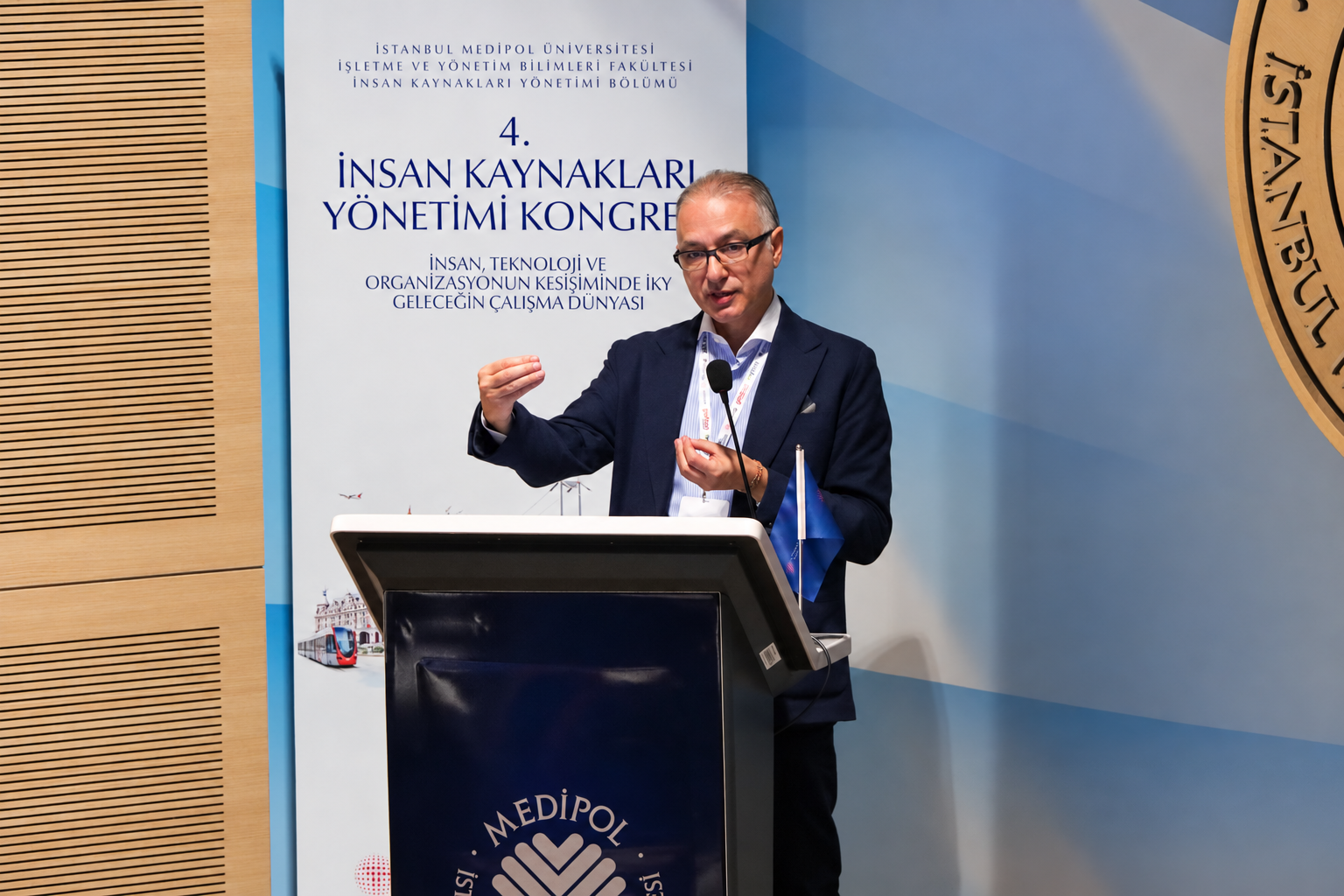
ROSETO: THE WORLD IS CHANGING FASTER THAN OUR ORGANIZATIONS
On the first day of the congress, Tiziano Rodolfo Roseto of the HR division of Italy’s Gi Group Holding delivered a presentation titled “Beyond Leadership,” addressing strategic human resources management, leadership, and talent management. Speaking from his experience in the business world, Roseto said he valued environments that enable mutual learning. “The world is changing much faster than our organizations, so today I want to talk about leadership, an issue we can no longer afford to ignore.” he said.
Highlighting the importance of involving people in leadership and talent management processes, Roseto stated that employees are moving faster than organizations when it comes to adopting technology. His presentation also addressed organizational culture, managerial engagement, women’s employment, and the integration of technology and artificial intelligence.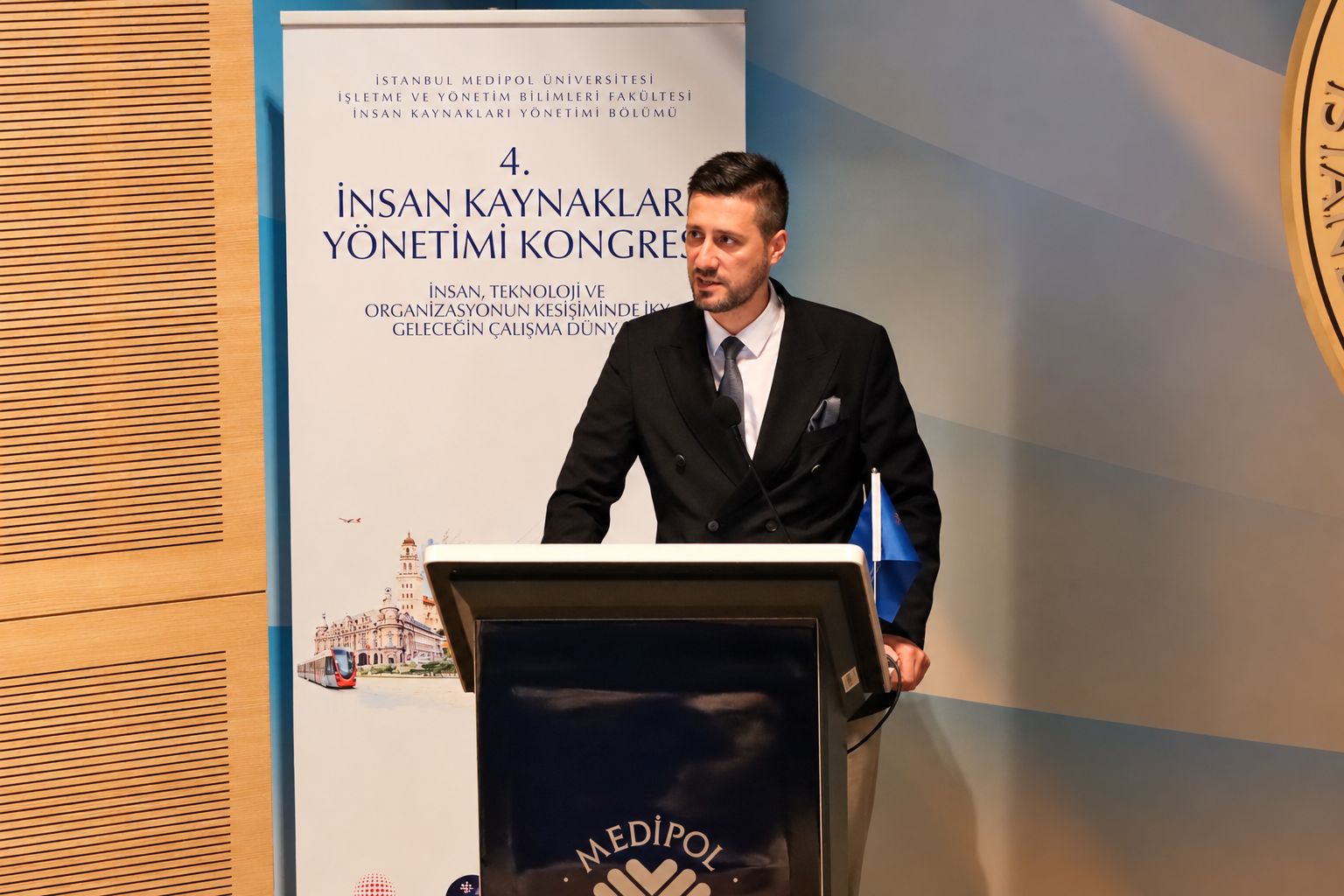
AYDEMİR: SUSTAINABILITY MUST ALSO INCLUDE PEOPLE AND ETHICAL VALUES
Serkan Aydemir, Chief Human Resources Coordinator at Medipol Education and Health Group, discussed human resources processes through the social and ethical dimensions of the Environmental, Social, and Governance (ESG)framework. He said sustainability should encompass not only environmental protection, energy consumption, and carbon footprint, but also the protection of people, ethical values, education, and performance processes. He noted that valuing people, supporting employee development, and contributing to society are integral parts of this approach.
Aydemir stated that the ESG approach is reshaping human resources within an environmental, social, and governance framework, drawing attention to employee rights, employee experience, equal opportunities, and training and development processes. He emphasized the importance of fair and transparent practices in evaluating these processes.
Noting that human resources has evolved from a function focused primarily on recruitment, compensation, and personnel administration into a strategic department that values people and prepares the workforce of the future, Aydemir said that long working hours alone are not an indicator of talent or productivity. He stated that employees who use technology to complete their work more efficiently and devote the remaining time to developing new ideas are increasingly standing out. Aydemir concluded, “We now need to work with a human resources perspective grounded in ethical principles.”
Last Update : 08/10/2026 - 12:43