Food security and disaster preparedness discussed at climate justice forum
The “Climate Justice for All!” forum, organized through a collaboration between Istanbul Medipol University's Preventing Discrimination and Equality Ombudsman's Office, Technology Transfer Office, and Career Center, brought together academics and experts from various fields. The forum explored the connections between the climate crisis and human rights, social equality, health, the bioeconomy, and disaster management.
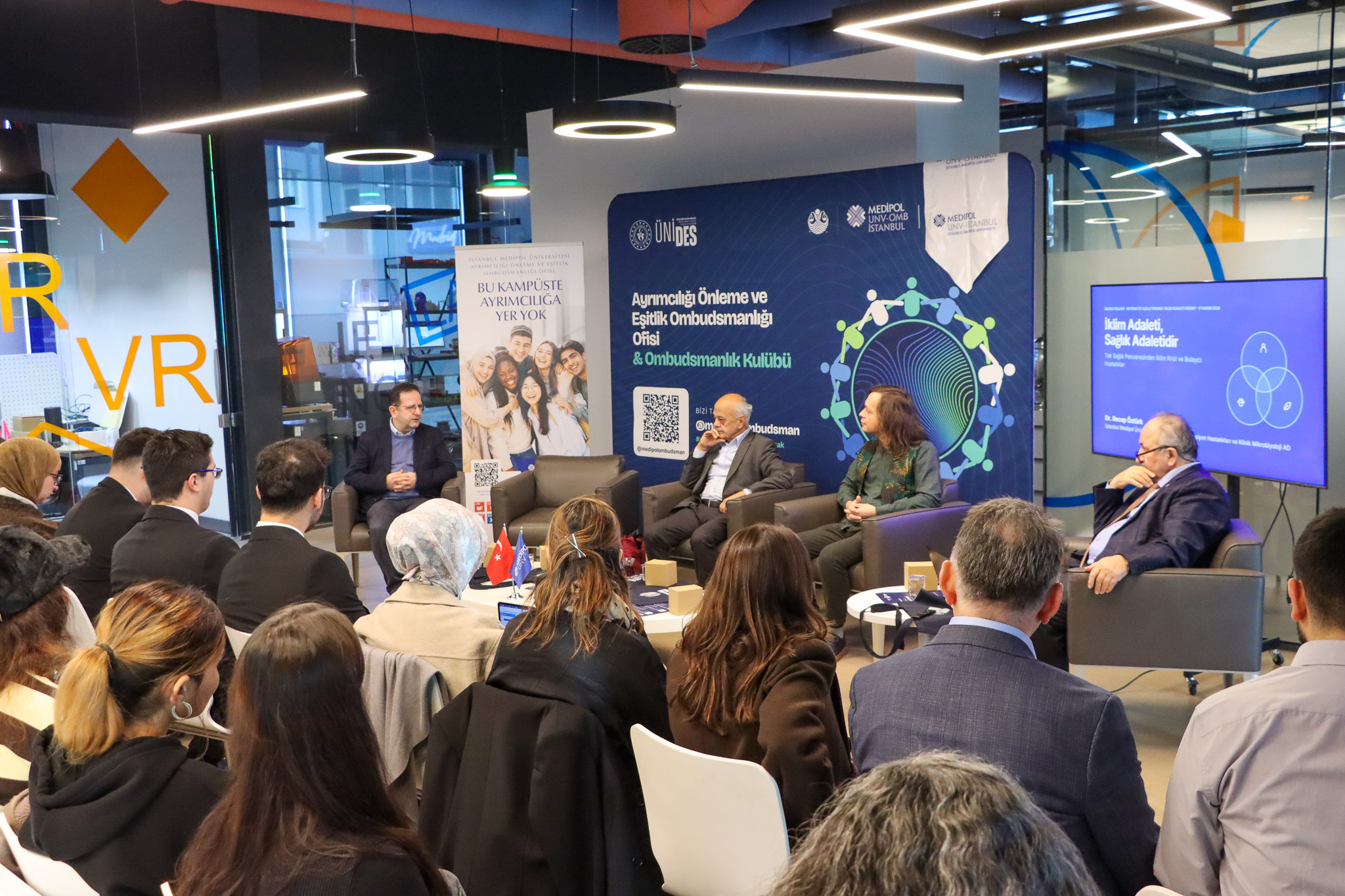
The Istanbul Medipol University's Preventing Discrimination and Equality Ombudsman's Office,Technology Transfer Office (TTO), and Career Center jointly organized the “Climate Justice for All!” forum. Held at the North Campus as part of the “More Equal, Greener Tomorrows” project under the UNIDES Program of the Republic of Türkiye Ministry of Youth and Sports, the event was attended by Prof. Recep Öztürk, Vice President of Istanbul Medipol University, alongside academics and experts.
The forum examined the environmental and social impacts of the climate crisis from interdisciplinary perspectives. Discussions focused on how these impacts affect communities differently and the importance of shared responsibility in achieving climate justice. Agricultural production, food security, and the preparedness of healthcare infrastructure for disasters were also among the topics addressed.
Participants included Prof. Bekir Berat Özipek, Prof. Faik Tanrıkulu, and Dr. Halime Safiye Atalay from the Istanbul Medipol University School of Humanities and Social Sciences; Assist. Prof. Yakup Levent Korkut from the School of Law; Assoc. Prof. Esra Çiğdem Cezlan from the School of Health Sciences; Assoc. Prof. Semih Korkut, Director of the University’s International Office; Assoc. Prof. Tuba Işık, Director of the Career Center; Dr. Selim Serkan Say, General Manager of the TTO; Fırat Semih Avşar and Mahmut Said Çam from the Preventing Discrimination and Equality Ombudsman's Office, Industrial Scientist Can Kayacılar; Dr. Yıldız Önen; Dania Nabeel Abouarra; and Selda Erdoğan.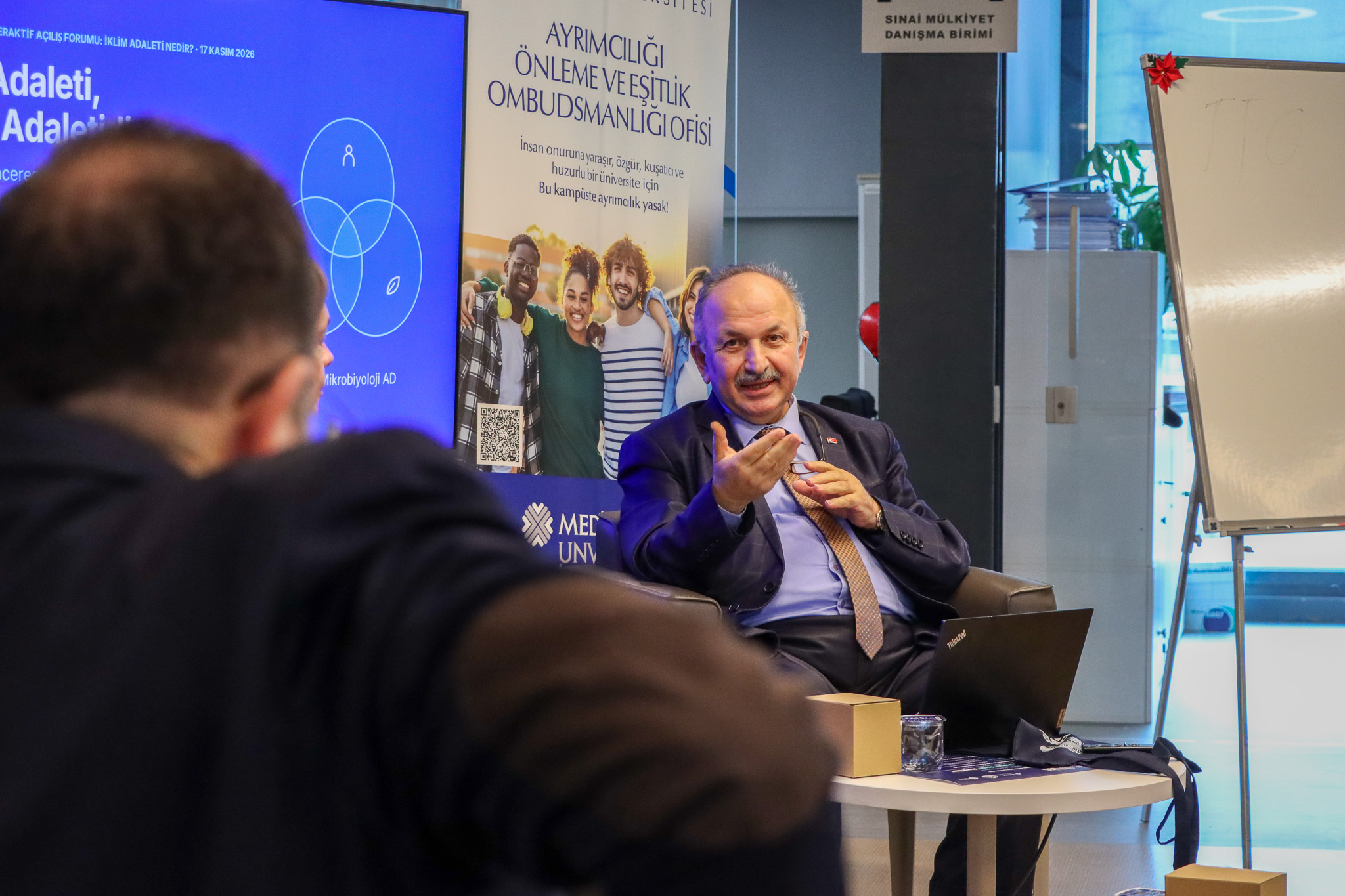
PROF. ÖZTÜRK: ADVOCATING FOR CLIMATE JUSTICE MEANS DEFENDING LIFE AND HEALTH EQUITY
Delivering the opening address, Istanbul Medipol University Vice President Prof. Recep Öztürk stated that the project had been developed under the UNIDES Program of the Republic of Türkiye Ministry of Youth and Sports and thanked the team at the Preventing Discrimination and Equality Ombudsman's Office.
Addressing the effects of the climate crisis on health, migration, and food security, as well as the challenges posed by water and air pollution, Öztürk cited deaths caused by extreme heat in France as an example. Emphasizing the importance of keeping climate justice on the public agenda, he stated, “From my perspective, particularly in terms of my profession, advocating for climate justice means defending life and health equity.”
Öztürk noted that those responsible for environmental pollution often evade accountability, while communities that have not contributed to the pollution bear its consequences. “We are destroying our own future. We are triggering catastrophe with our own hands.” he said.
Highlighting the responsibility of universities to conduct research on the climate crisis, Öztürk emphasized that Istanbul Medipol University should also keep these issues at the forefront of its research agenda.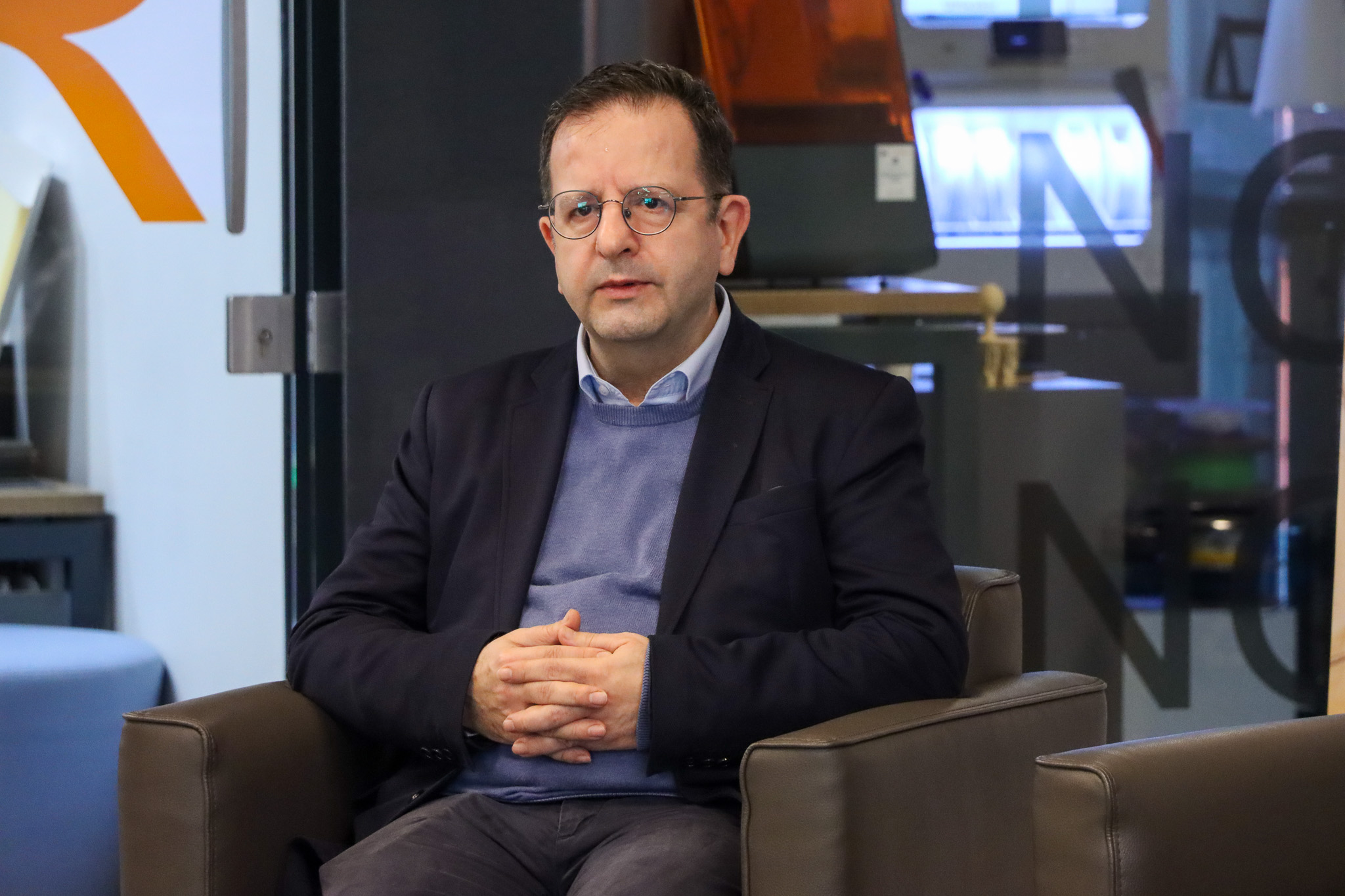
PROF. ÖZİPEK: WE MUST DISCUSS THE CLIMATE CRISIS AND FIND SOLUTIONS TOGETHER
Prof. Bekir Berat Özipek stated that the effects of the climate crisis are becoming increasingly evident in everyday life. Noting that the Mediterranean region is warming more rapidly than other regions, Özipek explained that changes in the natural environment affect how people relate to themselves, nature, and one another.
Recalling the phrase “We grew up, and the world became polluted.” Özipek remarked, “Perhaps we did not cause all of this ourselves, but this is the reality we are living through. That is why we must discuss these issues and find solutions together.”
Özipek also addressed the work undertaken by the Preventing Discrimination and Equality Ombudsman's Office, over approximately the past decade. He explained that the office operates in two principal areas: resolving rights-related issues within the University and implementing preventive measures before such problems arise.
Drawing attention to the responsibility of major powers in contributing to the causes of the climate crisis, Özipek emphasized that developing solutions is a shared responsibility.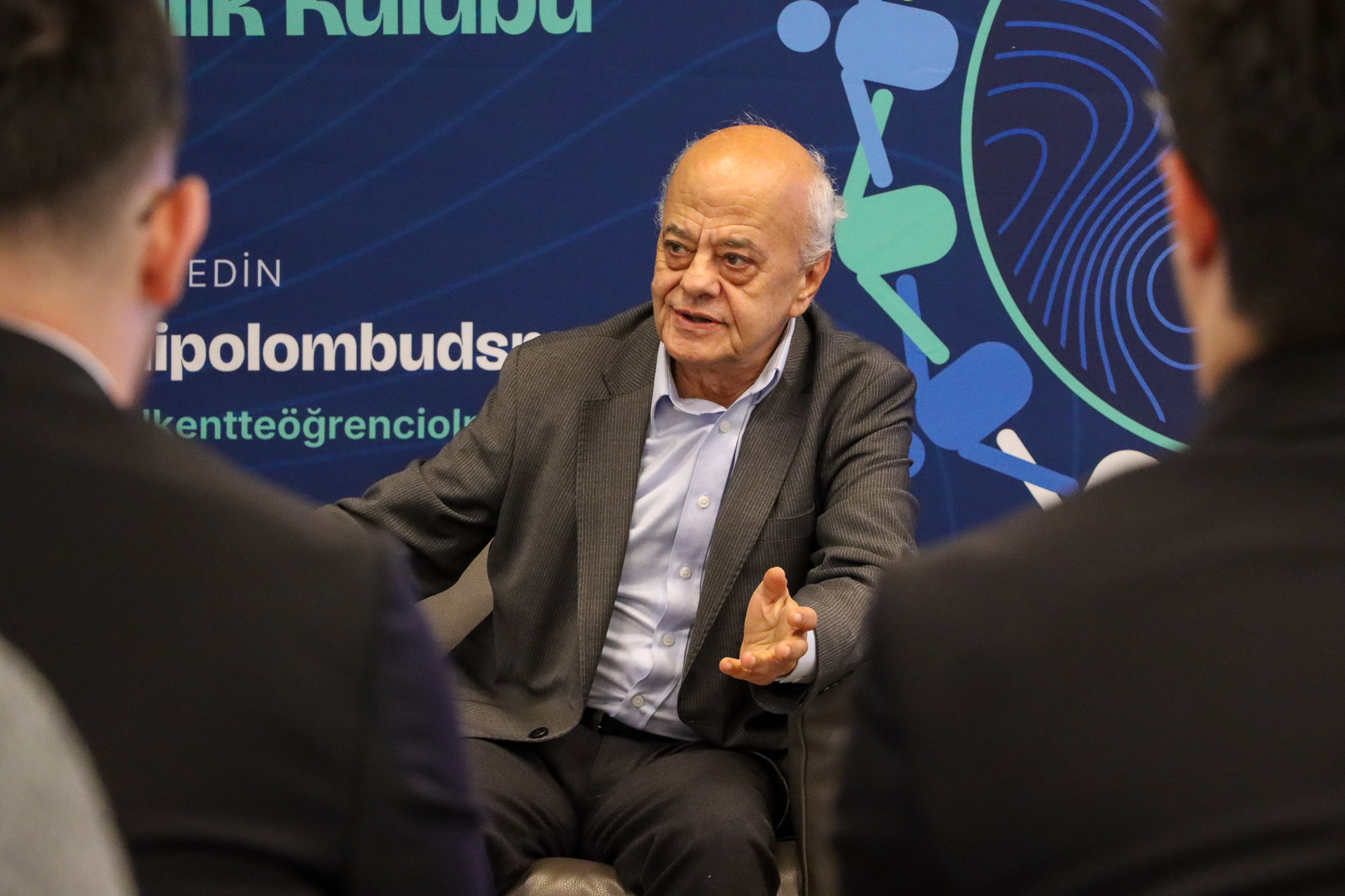
DR. KORKUT: CLIMATE JUSTICE IS AN INTERDISCIPLINARY FIELD
Dr. Yakup Levent Korkut emphasized that climate justice must be addressed through its technical, social, and political dimensions.
Examining corrective, distributive, and compensatory approaches to justice in the context of the climate crisis, Korkut raised the question of how losses experienced by island nations due to rising sea levels should be compensated.
Highlighting the historical responsibility of developed countries for greenhouse gas emissions, Korkut stated that the social and political dimensions of climate justice must be considered when seeking solutions. He added that carbon emissions and environmental damage resulting from wars should also be evaluated within this framework. 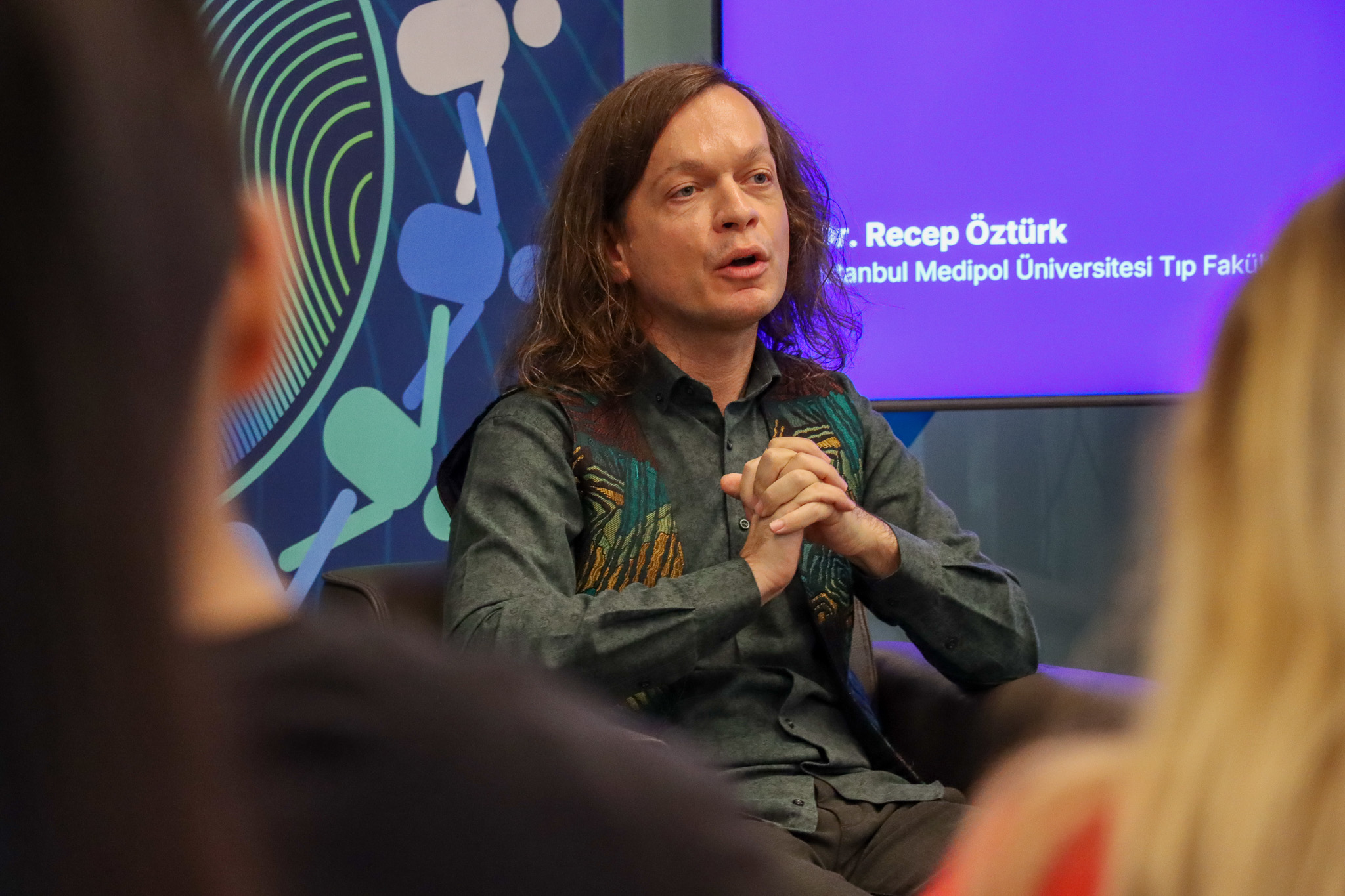
KAYACILAR: THE EFFECTS OF THE CLIMATE CRISIS ARE FELT AT THE DINNER TABLE
Industrial scientist Can Kayacılar, who works in the field of bioeconomy, explained that climate justice is closely connected to many aspects of daily life, from the food people consume to the products they use.
“In fact, climate directly affects what ends up on our tables.” Kayacılar said, illustrating the impact of climate change on agricultural production through changes observed in apricot, cherry, olive, and walnut cultivation over different periods.
Addressing fluctuations in food prices, Kayacılar stated, “One year, a head of lettuce may cost 4 Turkish lira, and another year, it may cost 95 lira. This demonstrates that we are not adequately prepared for the climate crisis.”
Kayacılar also noted that fatalities caused by tornadoes in Türkiye and challenges related to water management should be considered in the broader context of climate change.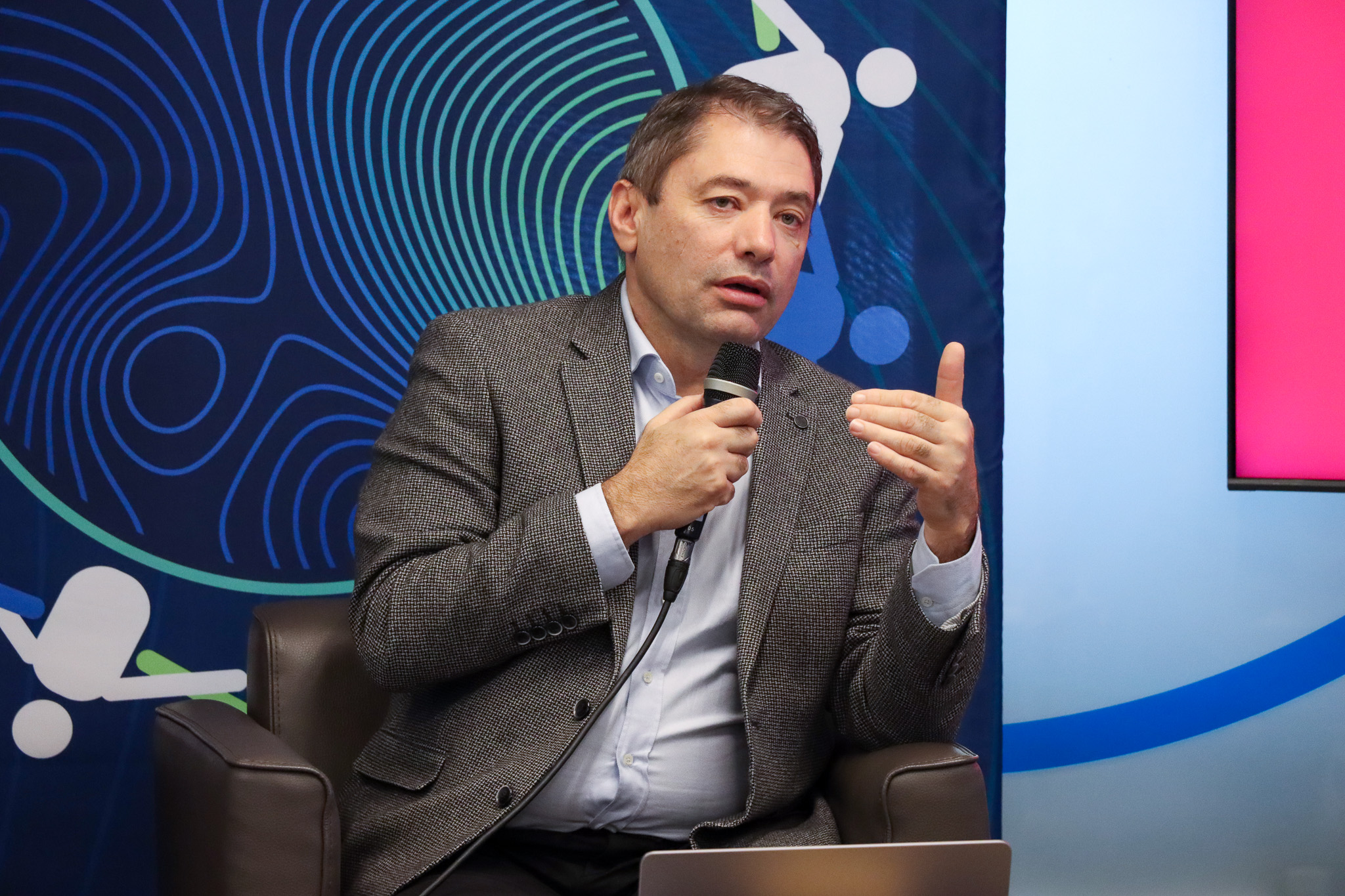
ASSOC. PROF. KORKUT: HEALTHCARE INFRASTRUCTURE MUST BE PREPARED FOR CLIMATE-RELATED DISASTERS
Assoc. Prof. Semih Korkut stated that the effects of climate change can be observed across numerous aspects of life, from agricultural production to everyday activities.
Referring to the adverse effects of strong southwesterly winds and high temperatures on olive production in Narlı village in Altınoluk, Korkut remarked, “The effects of climate change are everywhere. They affect you, and they affect me. We may not always recognize them, but they are present in every aspect of our lives.”
Emphasizing that climate-related disasters, such as floods, must be incorporated into disaster preparedness planning, Korkut shared experiences gained at Çam and Sakura City Hospital during the COVID-19 pandemic.
He highlighted the hospital’s infrastructure, including its capacity to generate its own electricity, water purification systems, and helipads. Korkut explained that these capabilities demonstrated the importance of ensuring that healthcare infrastructure is adequately prepared for disasters and emergencies.
Last Update : 20/11/2026 - 14:21