Undergraduate capstone project by Darin Elessavy was accepted to IEEE CBS 2026
The undergraduate capstone project developed by Darin Elessavy, a senior student in the Biomedical Engineering Department at the School of Engineering and Natural Sciences of Istanbul Medipol University, under the supervision of Assist. Prof. Elif Hocaoğlu at the Living Robotics Laboratory, has been accepted for presentation at the 2026 IEEE International Conference on Cyborg and Bionic Systems (IEEE CBS 2026) in Munich, Germany. The study, selected for one of the leading international conferences in cybernetic and bionic systems, stands out for its innovative approach to improving the daily lives of upper-limb prosthesis users.
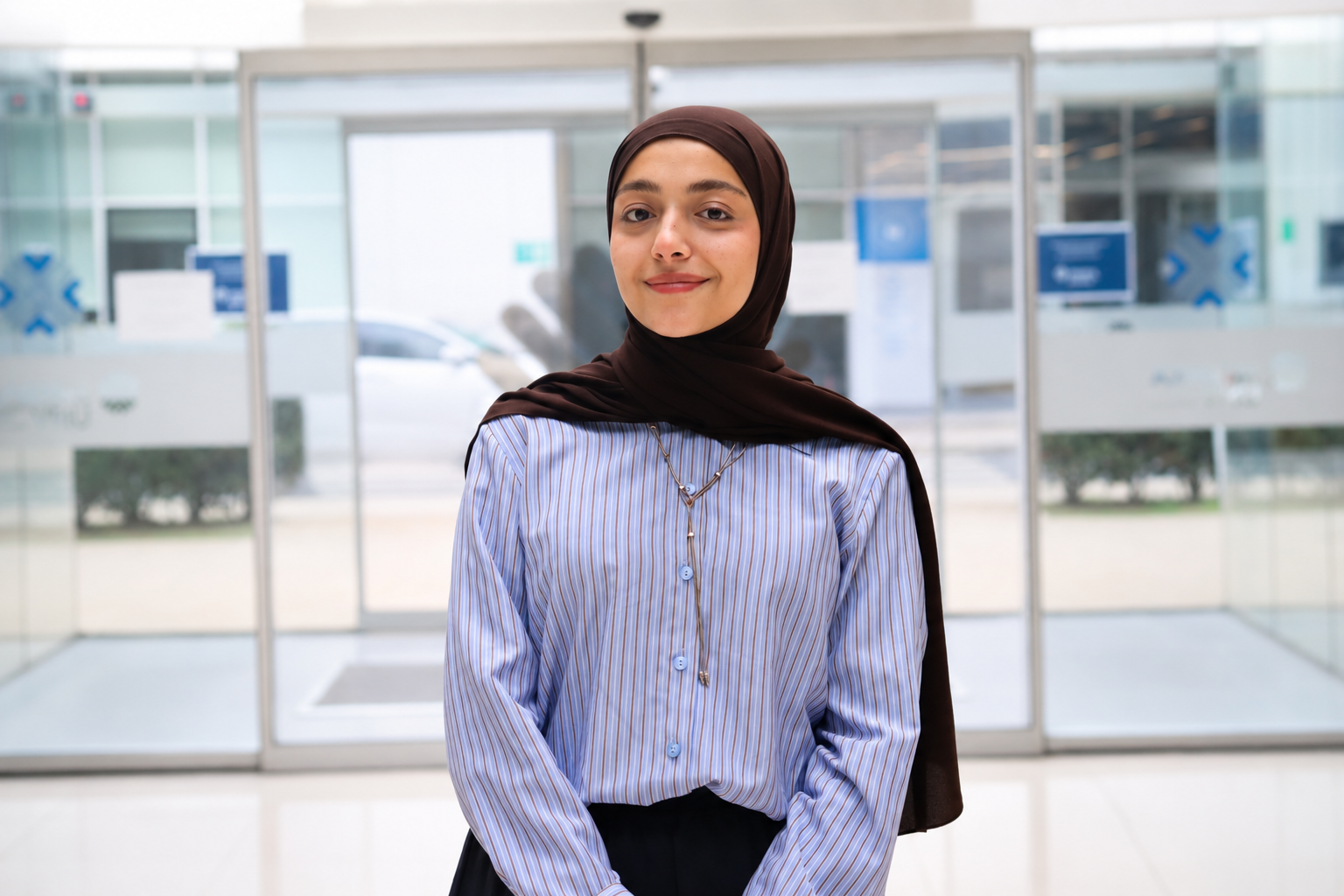
The capstone project, conducted by Darin Elessavy, a senior Biomedical Engineering student at the School of Engineering and Natural Sciences of Istanbul Medipol University, under the supervision of Assist. Prof. Elif Hocaoğlu at the Living Robotics Laboratory, has been accepted for presentation at the 2026 IEEE International Conference on Cyborg and Bionic Systems (CBS 2026), which will be held in Munich, Germany.
Announced by the IEEE Robotics and Automation Society (IEEE RAS), IEEE CBS 2026 is among the leading international scientific conferences bringing together pioneering research and real-world applications in cybernetic and bionic systems. The conference convenes researchers from around the world working in areas including bionic systems, human–machine interaction, neural interfaces, intelligent sensors, and artificial intelligence.
AN INNOVATIVE SOLUTION FOR PROSTHESIS USERS
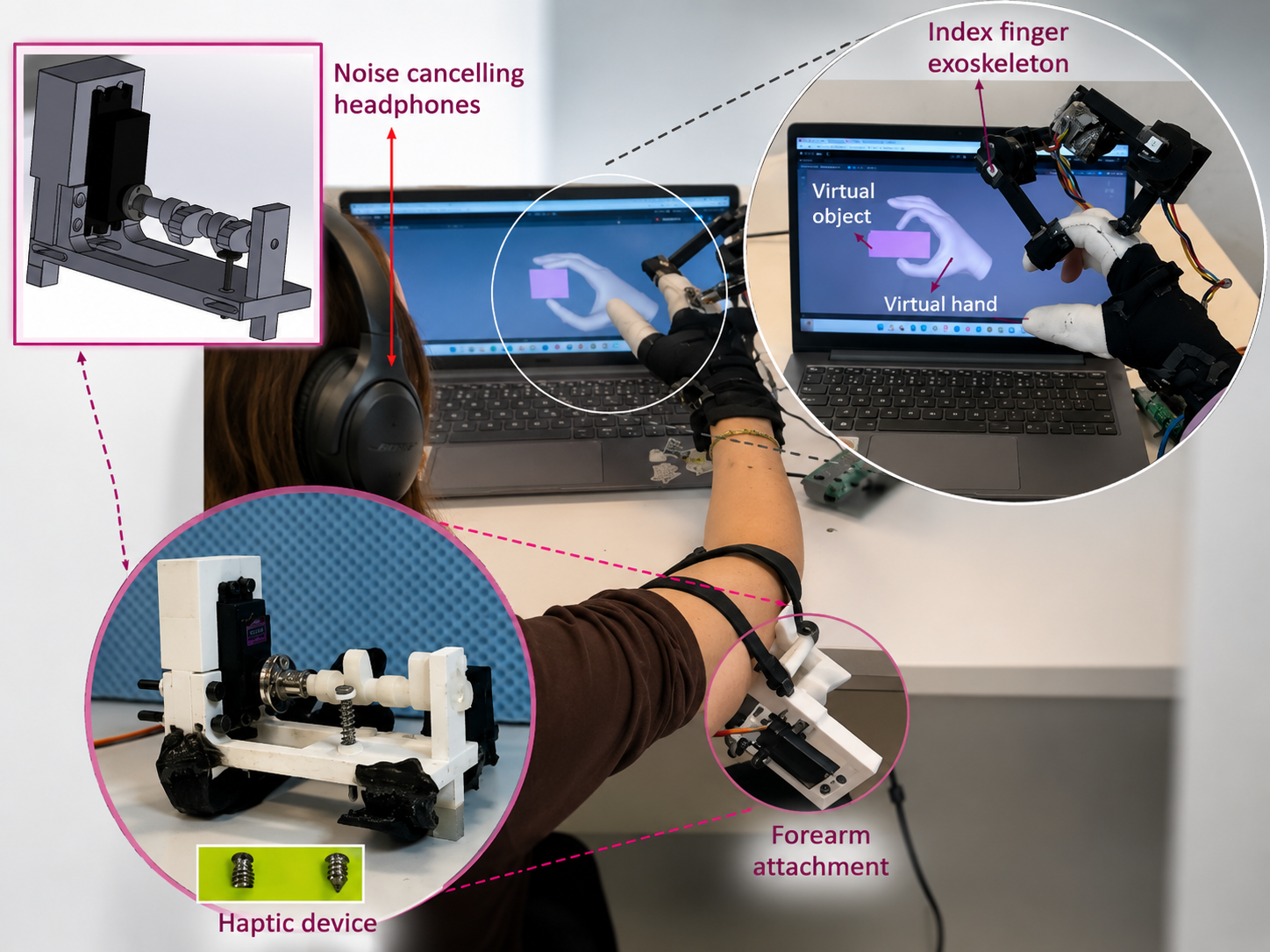
The capstone project developed by Darin Elessavy aims to improve the daily experience of individuals using upper-limb prostheses. As part of the study, a wearable tactile feedback system designed to be worn on the upper arm was developed.
The system is designed to provide users with rapid, distinct, and safe tactile cues whenever grasping errors occur during prosthesis use. This approach is intended to help users recognize grasping errors more quickly and make more effective corrections to their grasping movements.
A DIFFERENT APPROACH FROM CONVENTIONAL METHODS
Most tactile feedback systems reported in the literature primarily transmit pressure information to the user. By contrast, the system developed at the Living Robotics Laboratory directly communicates grasping errors, introducing a novel approach to tactile feedback.
This enables prosthesis users to respond more quickly to grasping errors and achieve more effective control during object manipulation.
TESTED IN A VIRTUAL REALITY ENVIRONMENT
The system was evaluated through experiments conducted in a virtual reality environment. The findings demonstrated that the proposed approach enabled faster user responses and improved grasp control compared with conventional pressure-based tactile feedback methods.

TO BE PRESENTED ON AN INTERNATIONAL SCIENTIFIC PLATFORM
The acceptance of the study for presentation at IEEE CBS 2026 also highlights the growing international visibility of undergraduate research.
Developed at Istanbul Medipol University under the supervision of Assist. Prof. Elif Hocaoğlu within the Living Robotics Laboratory, the research is expected to contribute to ongoing scientific advances in prosthetic technologies, wearable biomedical systems, and human–machine interaction.
Last Update : 16/07/2026 - 15:06