From campus to classroom: An inspiring exhibition by the teachers of the future
Original educational materials prepared by students of the Preschool Education Program within the Department of Basic Education at the School of Education were showcased at the 4th Educational Materials Exhibition. Spanning topics from science and art to children’s literature and early literacy, the projects support children’s learning through exploration and discovery. As part of the university’s social contribution mission, the materials will be donated to public schools with limited resources, thereby contributing to educational processes.
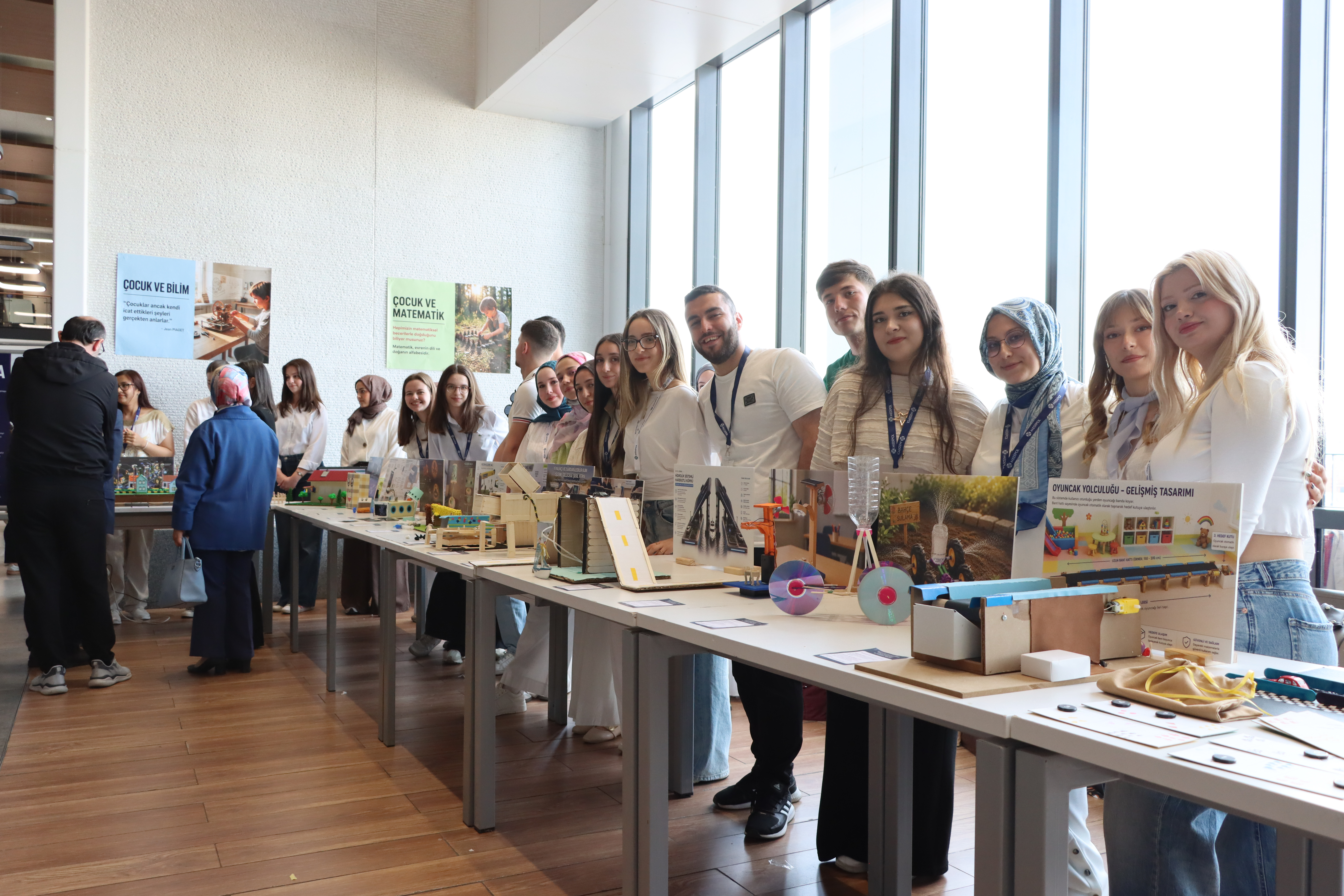
The 4th Educational Materials Exhibition, organized under the social contribution project titled “From Campus to Classroom: A Sustainable Educational Materials Network” by the Preschool Education Program of the Department of Basic Education at the School of Education of Istanbul Medipol University, welcomed visitors in the South Campus foyer area. The exhibition was inaugurated by Prof. Servet Bayram, Dean of the School of Education. The event attracted significant interest from visitors, including President of Istanbul Medipol University, Prof. Bahadır Kürşat Güntürk, and Prof. Türkan Yiğitbaşı, Chair of the Social Contribution Commission.
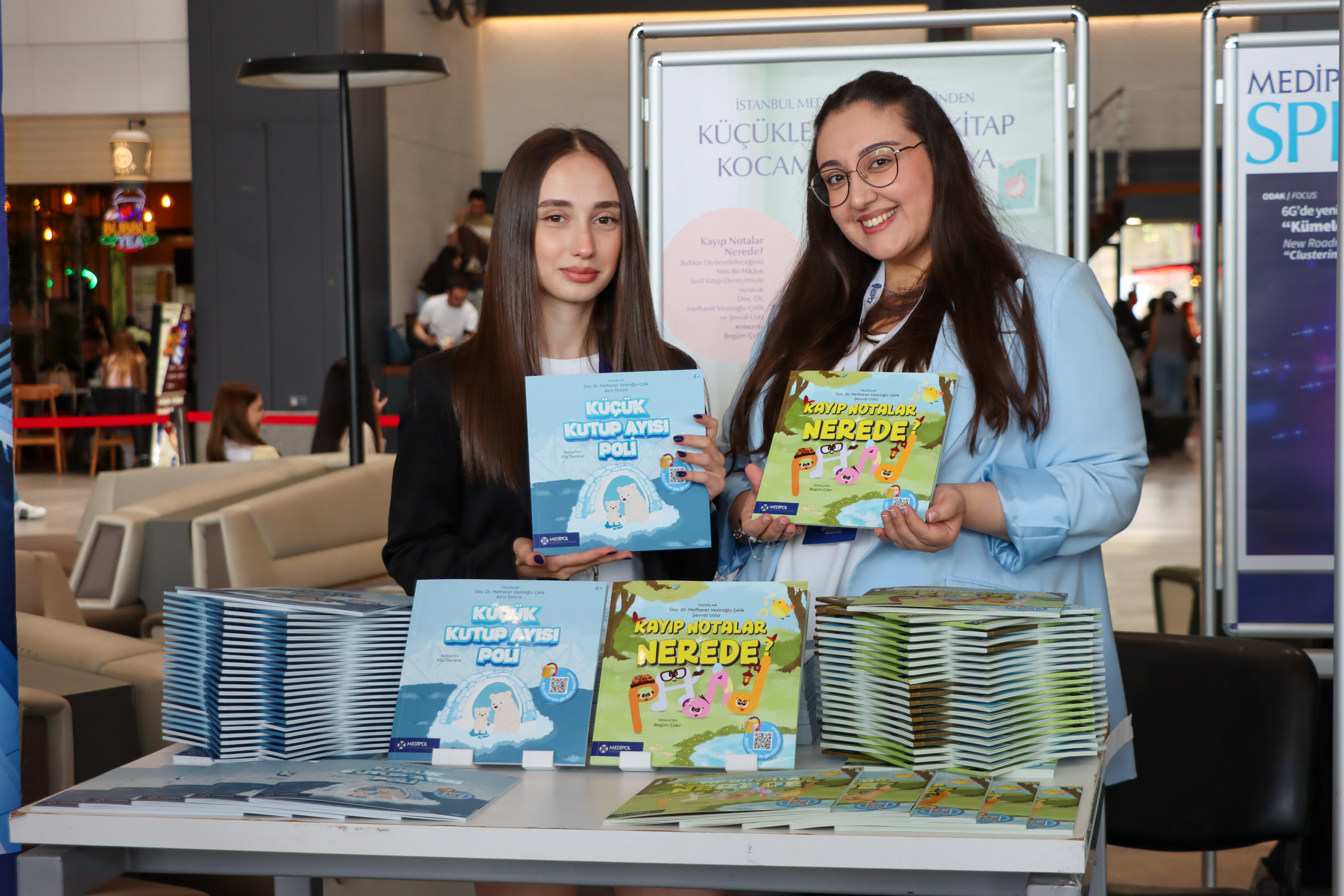
President Güntürk visited the stand featuring the booksLittle Polar Bear Poliand Where Are the Lost Notes?,written by School of Education students Azra Öztürk and Şevval Usta under the academic supervision of Assoc. Prof. Mefharet Veziroğlu Çelik and coordinated by the Press and Media Office. The books were brought to life through illustrations by Filiz Demirel and Begüm Çakır, students from the School of Fine Arts, Design and Architecture. After reviewing the works, President Güntürk expressed his satisfaction with the interdisciplinary collaboration that had produced the project.
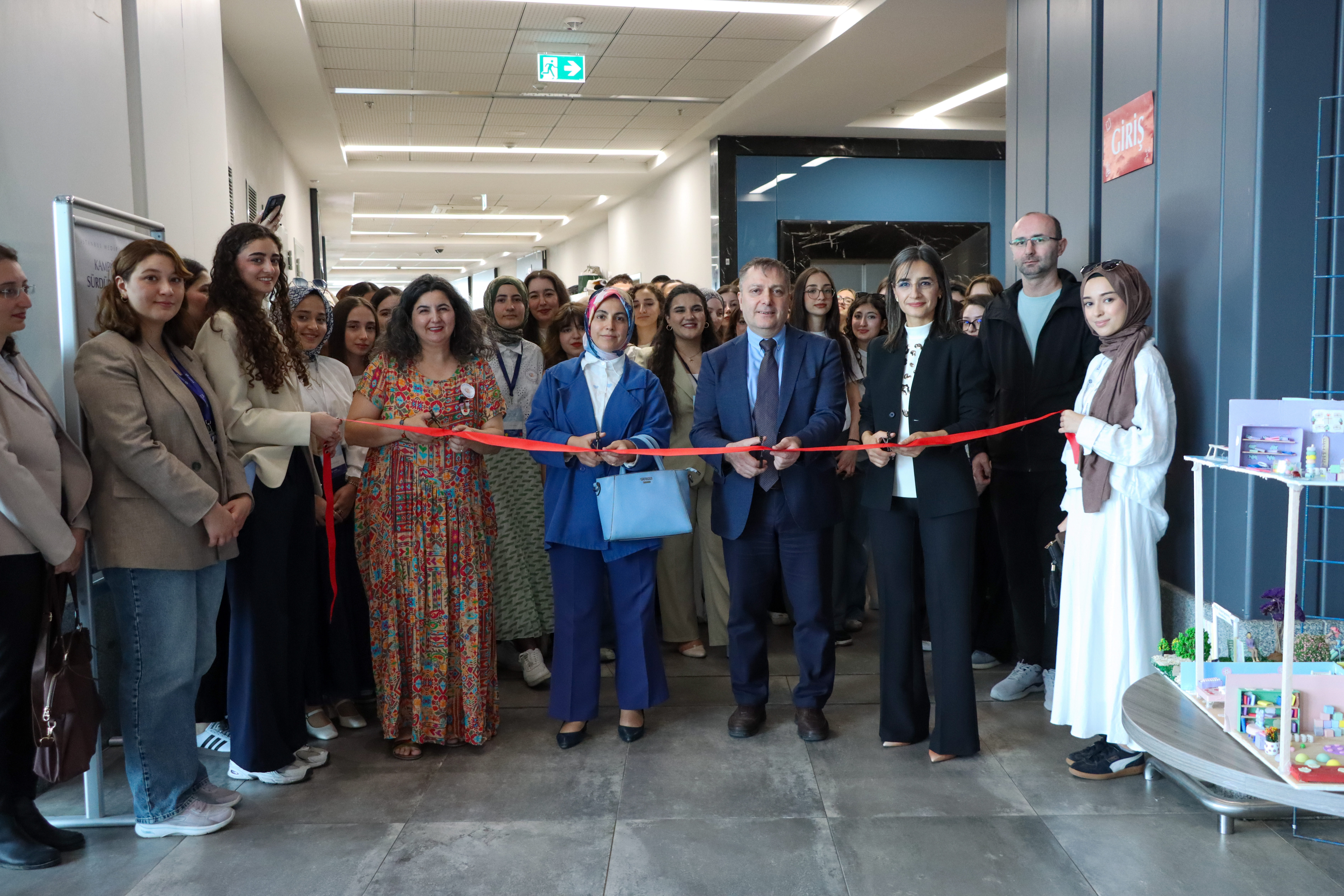
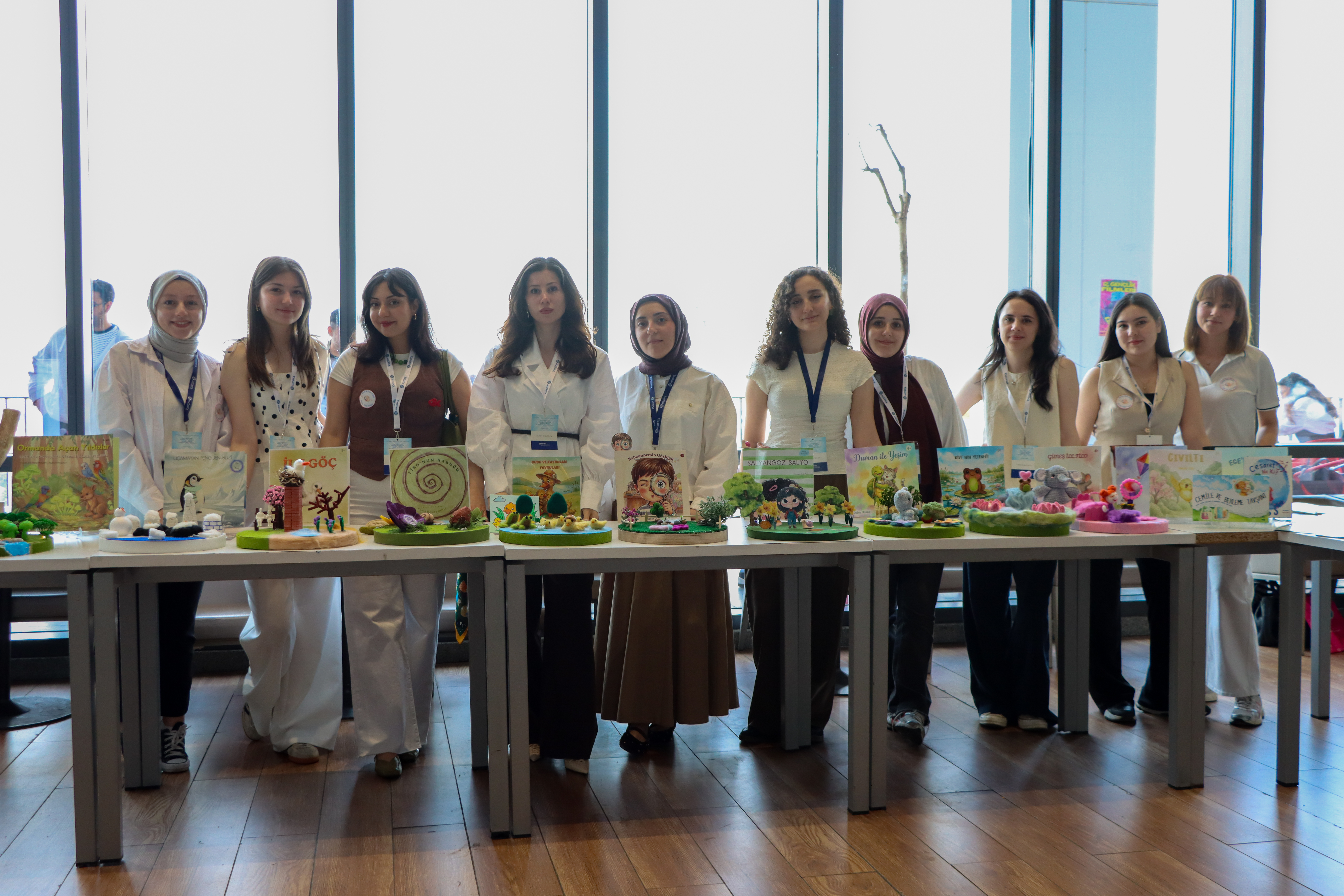
The exhibition, organized under the supervision of Assoc. Prof. Mefharet Veziroğlu Çelik, Head of the Department of Basic Education, and Assist. Prof. Tuğba Durak Demirhan, presented the original and high-quality works developed by teacher candidates throughout the semester from an academic perspective. This year’s exhibition featured educational materials prepared under eleven different thematic categories, ranging from STEM-A and children’s literature to studies on children and art, as well as media-related projects.
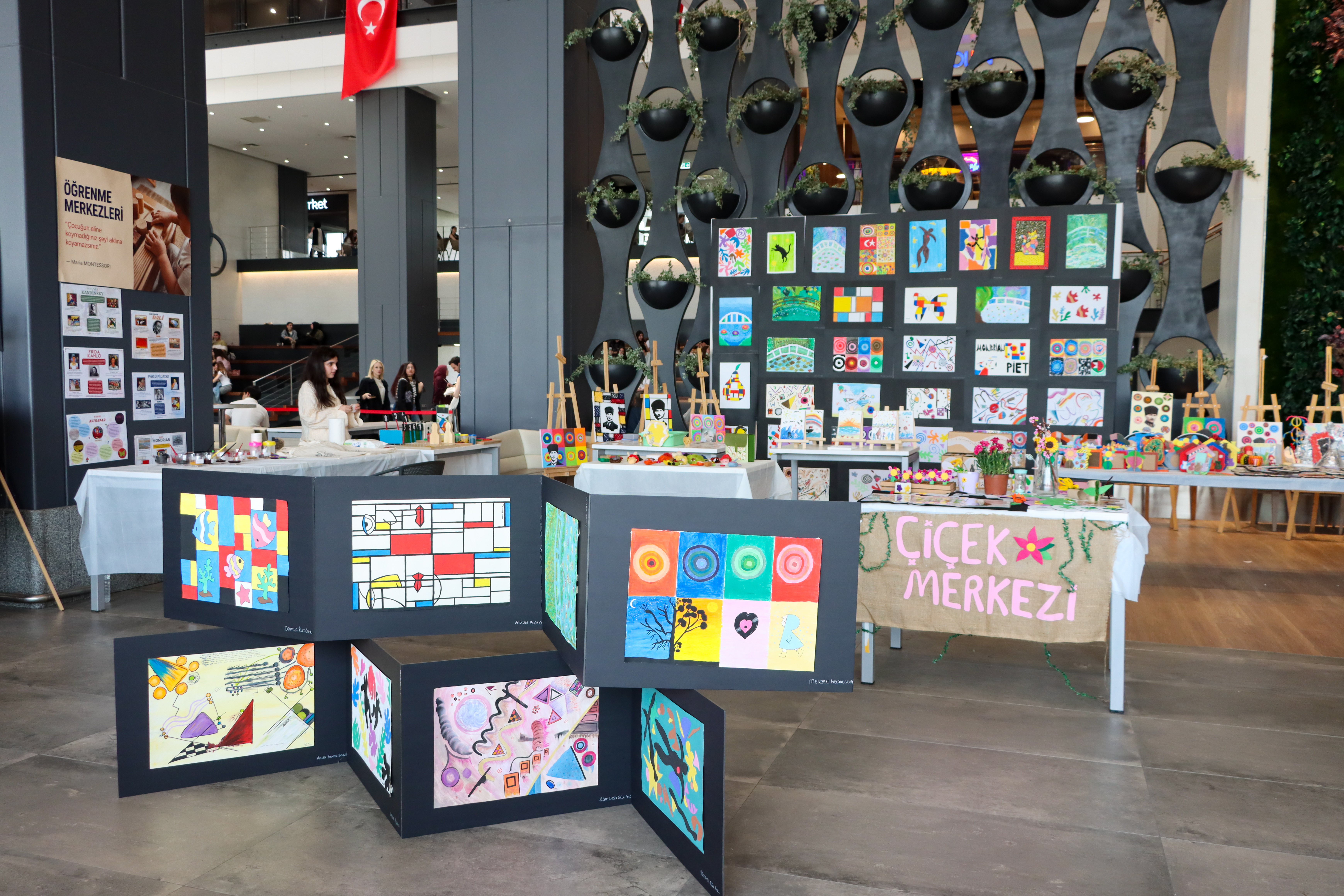
It was stated that the educational materials exhibited within the framework of social contribution would be donated to public schools with limited physical resources, enabling the knowledge and expertise generated at the university to be shared with society and made available for children’s use.
EARLY SCIENCE EDUCATION: STEM-A
In the “Children and Science” section of the exhibition, teacher candidates developed materials designed to support children in solving real-life problems through the use of scientific process skills. Projects ranging from electrical circuits and miniature solar panels to hydraulic systems and robotic mechanisms aimed to foster a love of science at an early age and strengthen children’s scientific thinking abilities. The STEM-A-based materials combined science and art while focusing on the development of twenty-first-century skills among children.
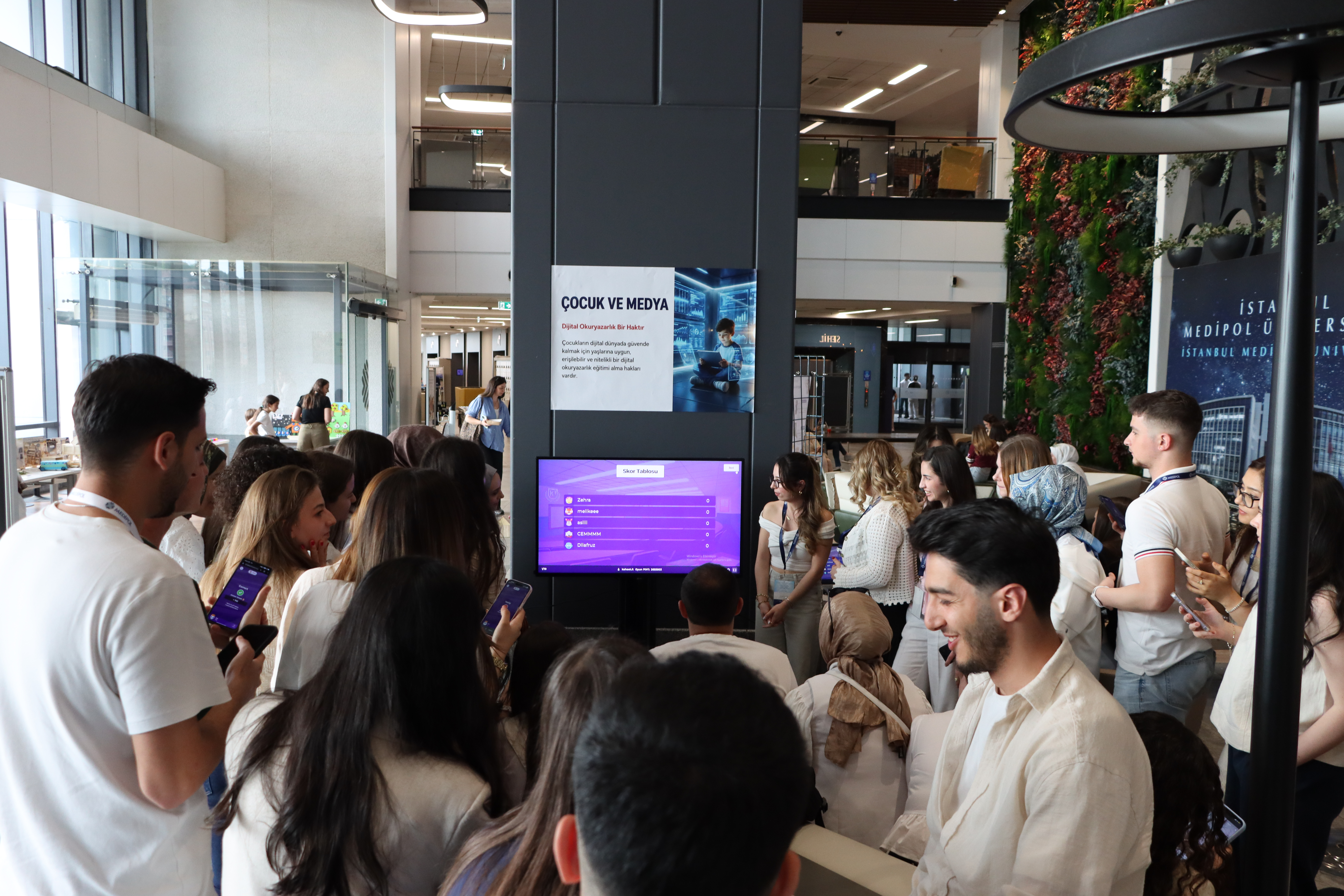
INNOVATIVE APPROACHES TO LITERATURE AND LITERACY
Language skills, one of the cornerstones of education, were addressed in the exhibition under the themes of “Children’s Literature” and “Early Literacy.” Within the Children’s Literature section, teacher candidates designed high-quality children’s books and complementary educational materials tailored to the interests and developmental needs of young learners. These projects, aimed at enhancing children’s aesthetic awareness and introducing them to reading culture from an early age, attracted considerable attention.
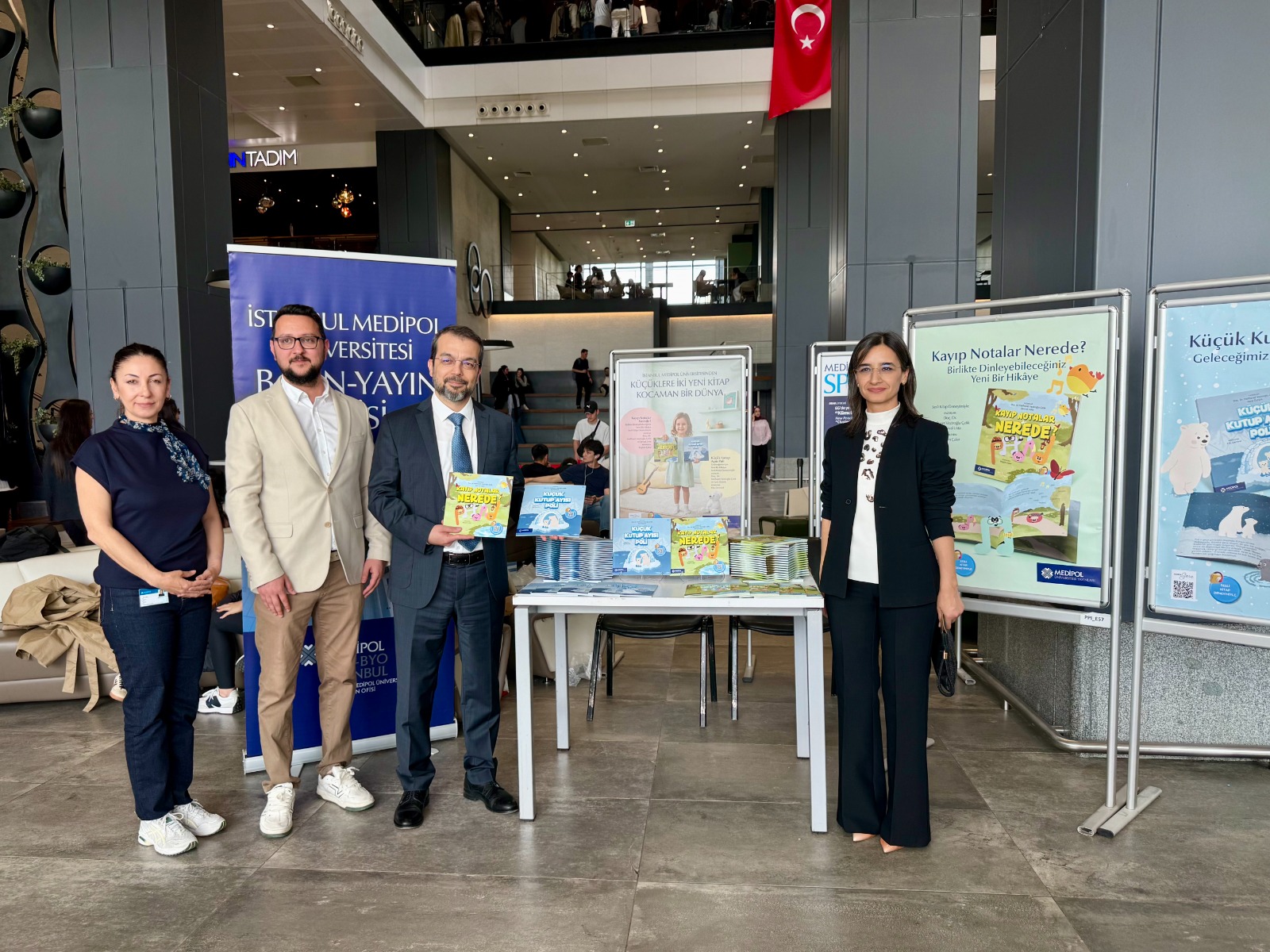
The Early Literacy materials, developed to support foundational reading and writing skills, consisted of interactive and game-based applications designed to help children recognize sounds, interpret symbols, and develop print awareness.
The exhibition’s central themes, “Art Education in Early Childhood” and “Educational Material Design,” sought to support children not merely as individuals who produce tangible outcomes, but as individuals capable of recognizing aesthetics in their surroundings, interpreting artistic expression, and creating original works. Based on the understanding that art is an essential form of expression for children, materials were developed to create learning environments in which children could freely express their emotions and ideas while engaging with diverse artistic disciplines.
Within this framework, teacher candidates prepared materials aligned with the domains of the Türkiye Century Education Model Preschool Education Curriculum, designing instructional techniques and interactive learning experiences that support the competencies outlined in the program.
INTERACTIVE LEARNING THROUGH LEARNING CENTERS
Combining traditional and universal art forms with contemporary educational methods, teacher candidates developed applications that encourage children to learn through exploration and interaction. Throughout the exhibition, visitors had the opportunity to experience the art projects, educational materials, and creative workshops firsthand, while also gaining insight into practices designed to help children discover and nurture the artist within themselves.
Last Update : 01/06/2026 - 15:37