SABITA’s R3FINE Conference: Türkiye’s leading reference center for NAMs and the 3Rs
Istanbul Medipol University Institute of Health Sciences and Technologies Research (SABITA) is positioned as a leading center in Türkiye through its work conducted in line with non-animal methods (New Approach Methodologies – NAMs) and the principles of the 3Rs in the fields of biomedical research and preclinical drug development. The scientific expertise and infrastructure developed by SABITA in this field will meet the global scientific community through the R3FINE 2026 International Conference, to be held in Istanbul between June 11–14, 2026.
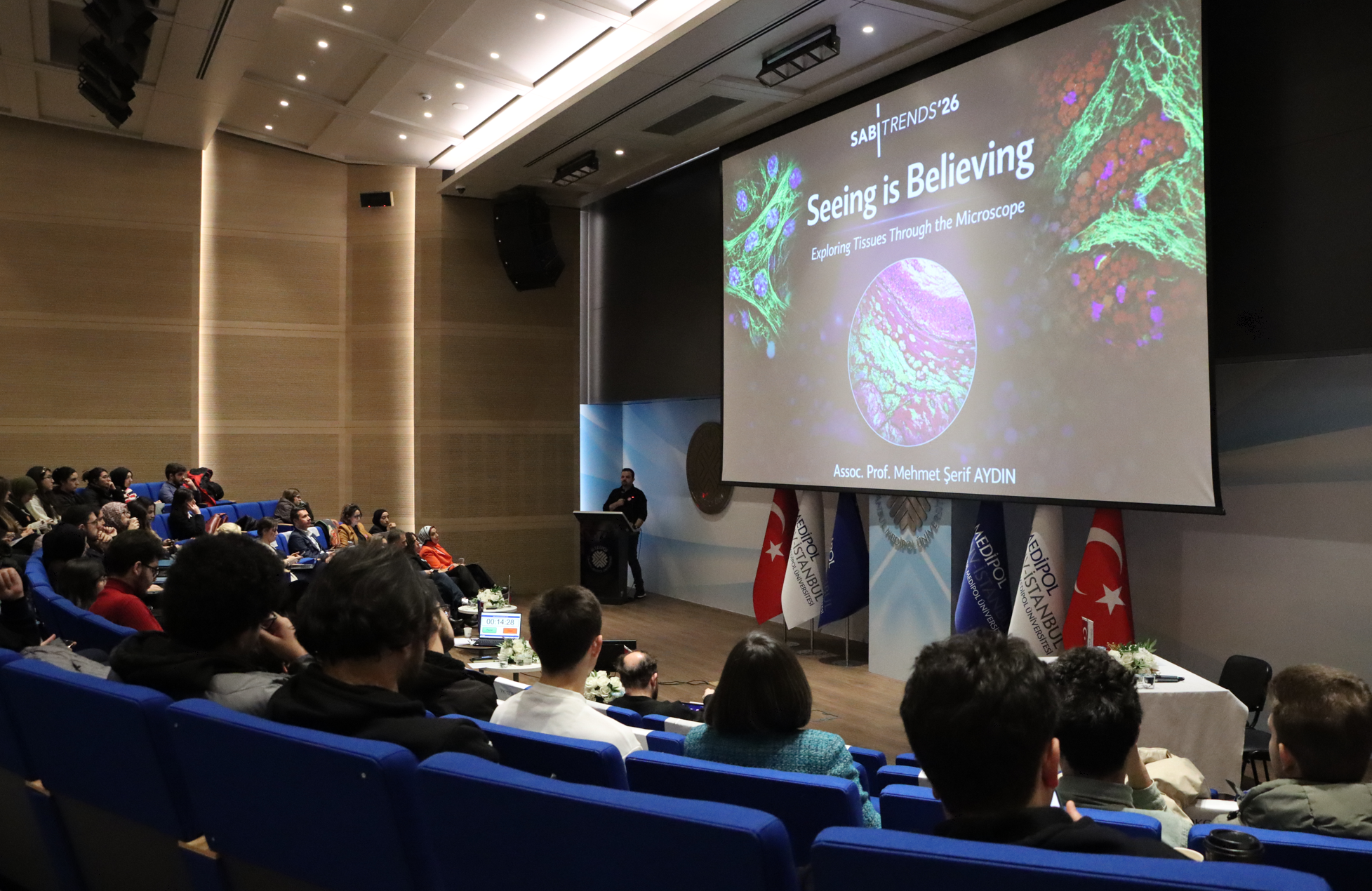
Organized by the Istanbul Medipol University Institute of Health Sciences and Technologies Research in cooperation with Joanneum Research,University of Dundee, and the Medical University of Graz, the R3FINE 2026 International Conference will take place at Istanbul Medipol University South Campus. The conference offers a distinctive platform where non-animal research approaches and the 3R principles are addressed not only as a theoretical framework but also as a research practice actively developed and implemented within SABITA.
NON-ANIMAL RESEARCH APPROACHES AND THE 3R PRINCIPLES AT SABITA
Animal models, which have been used for many years in biomedical research and preclinical drug development processes, are being re-evaluated globally due to limited translational success rates, ethical concerns, and high costs. In this transformation process, Istanbul Medipol University SABITA assumes a pioneering role in Türkiye with its research centered on non-animal methods and the principles of the 3Rs.
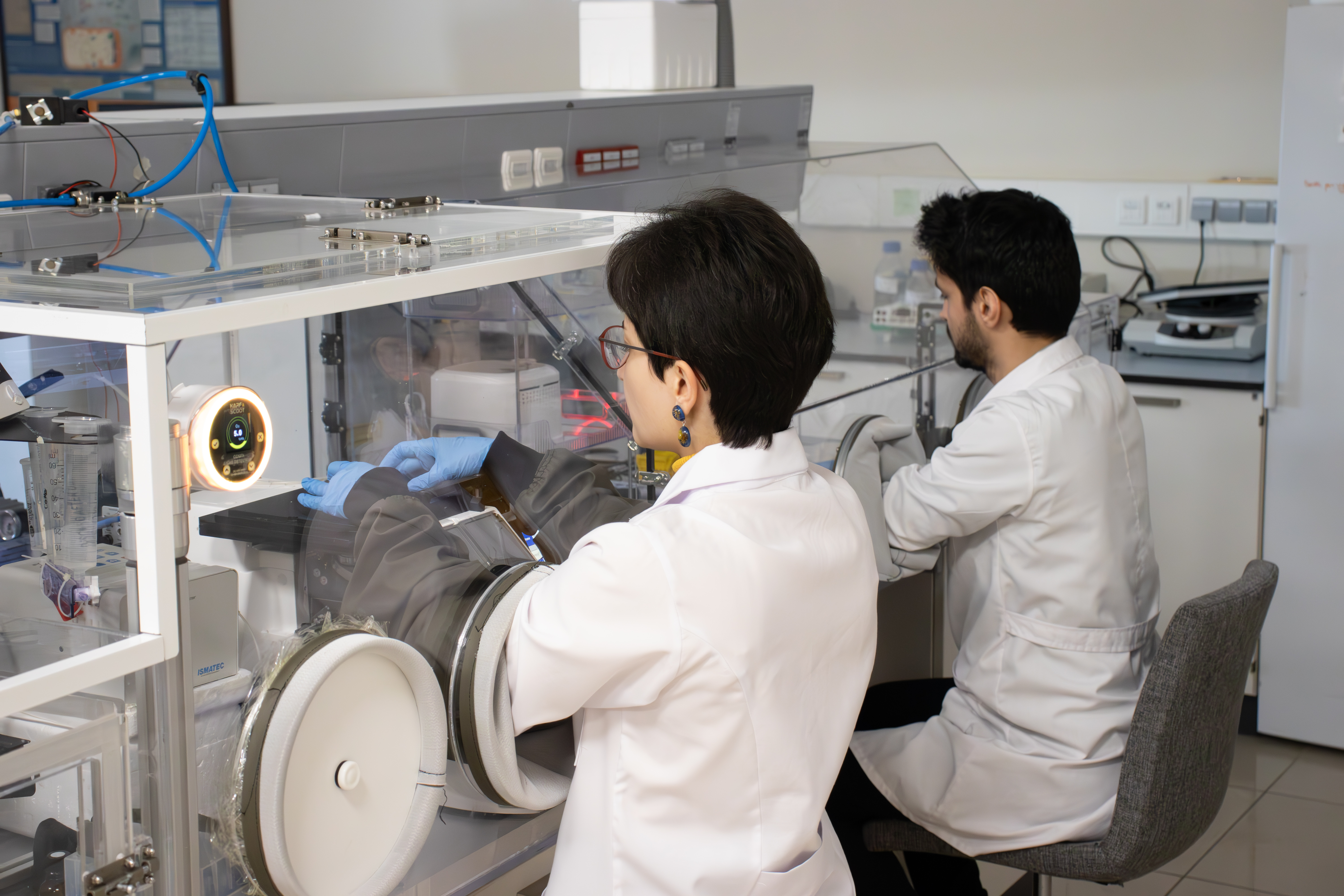
Human-derived cell cultures, organoid and tissue models, organ-on-chip systems, genetically encoded biosensors, advanced imaging techniques, computational (in silico) modeling approaches, and omics-based analyses developed within SABITA enable the development of predictive and reproducible research models that more accurately reflect human biology. These studies aim to move beyond traditional animal-based models and generate scientific data with high translational potential for clinical applications.
NAM LABORATORIES: A NEW SCIENTIFIC PARADIGM
Non-Animal Methods (NAMs) aim not only to reduce animal use but also to develop systems capable of modeling disease mechanisms in a manner more closely aligned with human biology. NAM-based research conducted at SABITA contributes to obtaining more reliable, reproducible, and translationally robust results in drug efficacy and toxicity assessments.
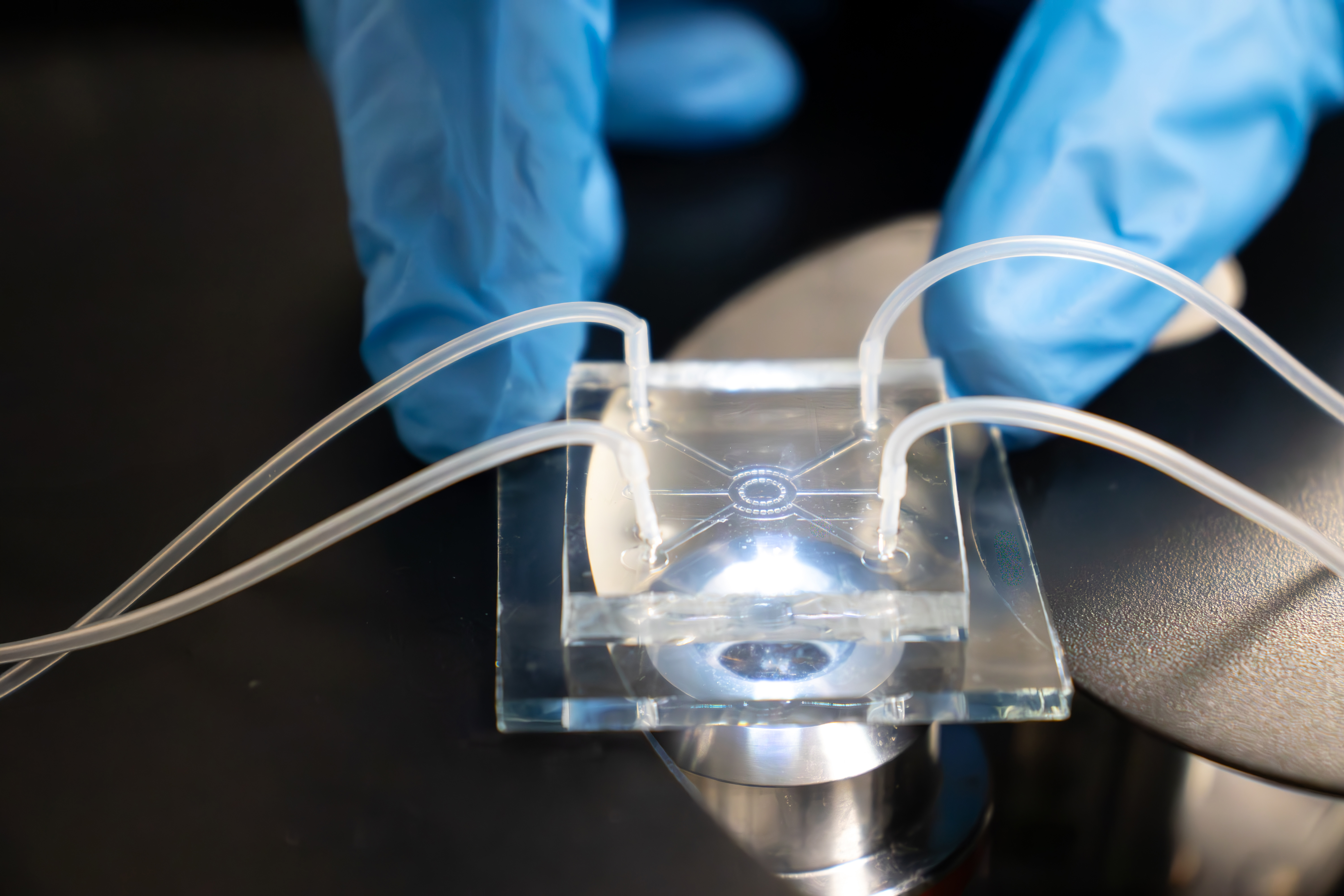
This broad methodological framework, ranging from organoid models and microfluidic-based organ-on-chip systems to computational modeling and integrated testing strategies, provides a foundation for the emergence of a new scientific paradigm in biomedical research.
THE 3R PRINCIPLES: FROM ETHICAL RESPONSIBILITY TO SCIENTIFIC QUALITY
The 3R principles; Replace, Reduce, and Refine, which constitute the foundation of SABITA’s NAM approach, are addressed as a framework that enhances scientific quality beyond ethical responsibility. Replacing animal use with non-animal methods whenever possible, reducing the number of animals used without compromising scientific validity, and developing practices that ensure the highest level of animal welfare in unavoidable cases are among the core components of SABITA’s research culture.
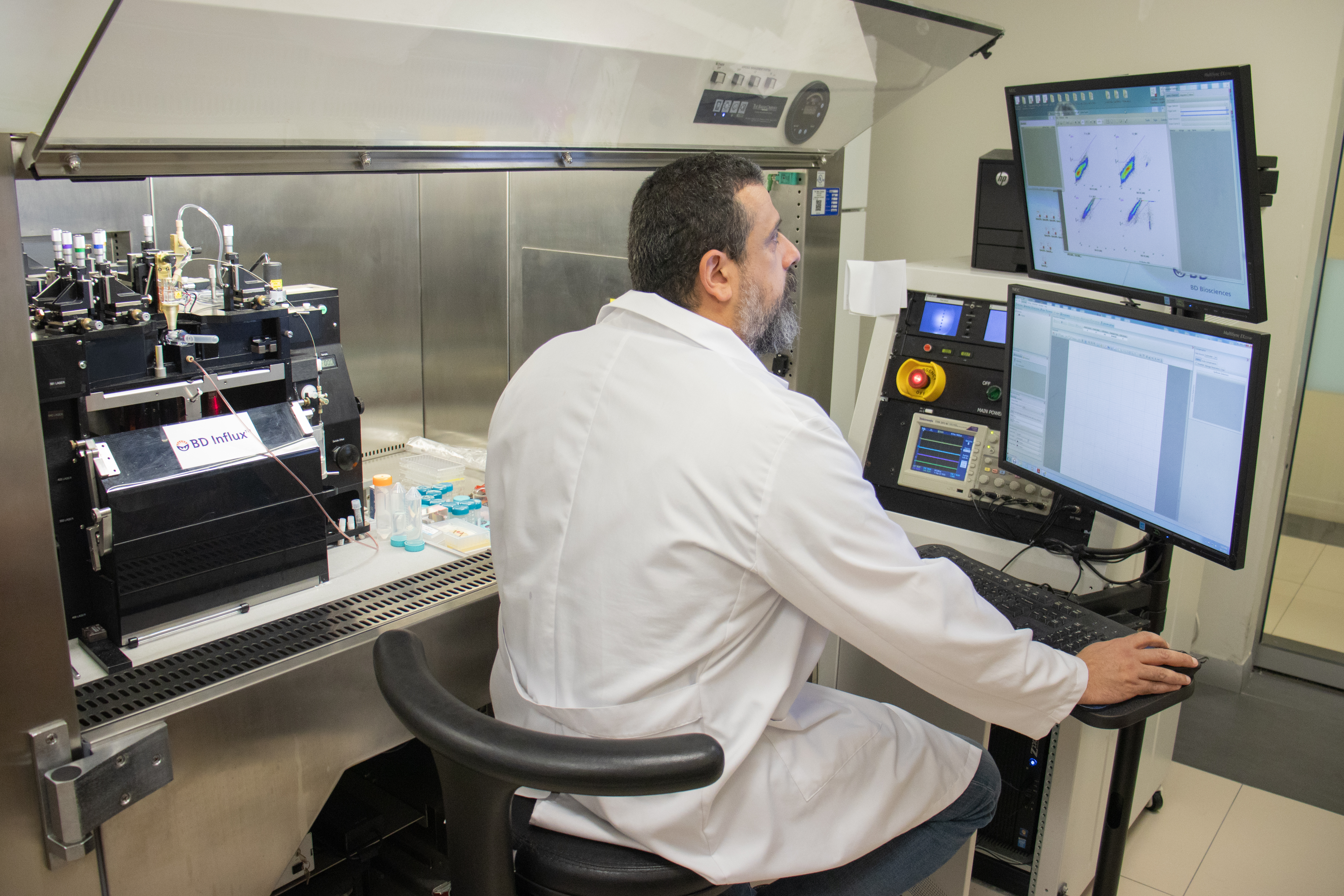
Through models that are closer to human biology and exhibit lower variability, the transferability of experimental results to clinical applications is strengthened, while research processes become faster, more cost-effective, and more predictive.
REGULATORY BODIES AND THE GLOBAL SCIENTIFIC TRANSFORMATION
Interest in NAMs has now extended beyond academic circles and is also strongly supported by regulatory bodies. The FDA Modernization Act 2.0 enacted in the United States encourages the use of cell-based and computational methods in place of many traditional animal tests, while in the European Union, the integration of in vitro, in silico, and omics-based approaches into regulatory processes is gaining momentum.
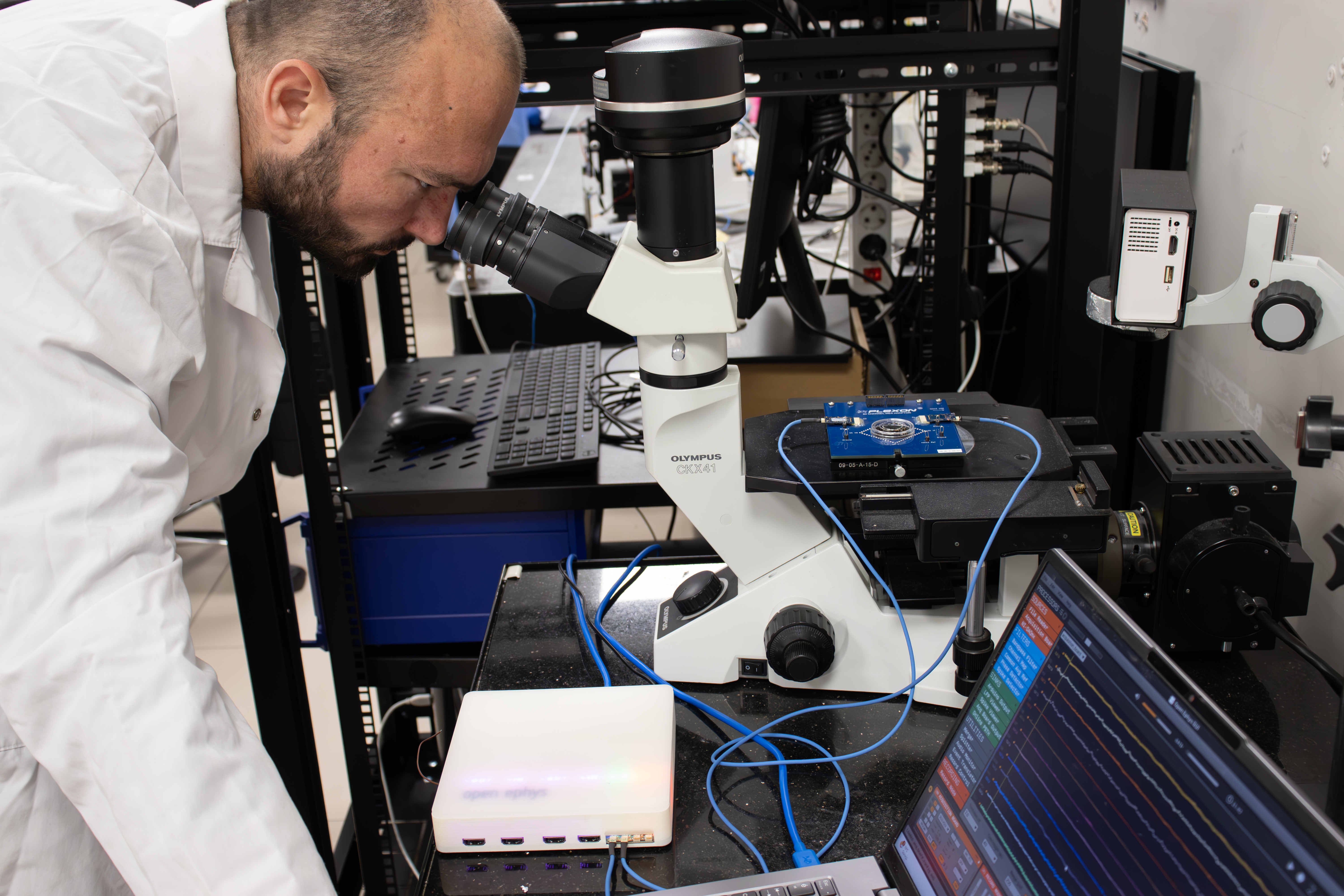
These global developments demonstrate that the transition from animal-based models to human-centered, mechanistic, and predictive systems in biomedical research has become not a choice but a scientific and regulatory necessity.
NO LONGER AN OPTION, BUT A NECESSITY
R3FINE 2026 addresses non-animal research approaches not merely as a technical transformation, but within the perspective of scientific responsibility, ethical awareness, and a sustainable future. This call rising from Istanbul under the leadership of SABITA stands as a strong indicator that biomedical research is evolving toward a more human-centered future.
SABITA’S INTERNATIONAL SHOWCASE: R3FINE 2026
The work carried out by SABITA in line with non-animal research approaches and the 3R principles is opening to the international scientific community through the R3FINE 2026 International Conference. While the first three days of the four-day conference are devoted to scientific sessions, the final day offers participants advanced practical training opportunities through applied workshops and experimental studies conducted within SABITA.
The conference will bring together leading scientists and early-career researchers from around the world in the fields of genetically encoded biosensors, artificial intelligence-supported analyses, organ-on-chip systems, and model approaches aligned with the 3R principles.
SUSTAINABILITY VISION AND CARBON-NEUTRAL GOAL
R3FINE 2026 places sustainability at its core in alignment with SABITA’s scientific approach. In accordance with the principle of “a sustainable world through small steps,” the conference aims to realize a tree donation on behalf of each participant and to implement the event as a carbon-neutral organization.
INTERNATIONAL ORGANIZATION AND A STRONG SCIENTIFIC COMMITTEE
The conference is organized under the leadership of Assoc. Prof. Emrah Eroğlu, Director of SABITA, in cooperation with Dr. Esra Nur Yiğit from Istanbul Medipol University, Prof. Albena Dinkova-Kostova from the University of Dundee, Dr. Thomas Birngruber from Joanneum Research, and Birgit Reininger-Gutmann from the Medical University of Graz.
R3FINE 2026 will feature numerous distinguished scientists, including Prof. Robert E. Campbell from the University of Tokyo, Prof. Anne E. Carpenter from the Broad Institute, Prof. Thomas Hartung from Johns Hopkins University, Prof. Stefan Kubicek from the Austrian Academy of Sciences, Prof. Ibrahim Tarik Ozbolat from the Penn State Cancer Institute, and Prof. Reda Alhajj from Istanbul Medipol University.
The scientific content of the conference is shaped by a broad and interdisciplinary scientific committee comprising academics from Türkiye, the United States, the United Kingdom, Japan, Austria, Korea, and Spain.
ADVANCED TRAINING THROUGH HANDS-ON WORKSHOPS
The final day of the conference is devoted to applied experimental and workshop modules conducted within SABITA. Within the program, workshops include “Real-time manipulation of H₂O₂ and pH through chemogenetic and imaging approaches” led by Dr. Emrah Eroğlu, “Organ-on-chip applications focusing on microfluidic 3D neuronal spheroid systems” by Dr. Laleh Rafiee, “Cell metabolism and drug screening using the Seahorse analyzer” by Dr. Şeyma Çimen, and “3D light-sheet imaging and tissue clearing techniques” by Dr. Mehmet Şerif Aydın.
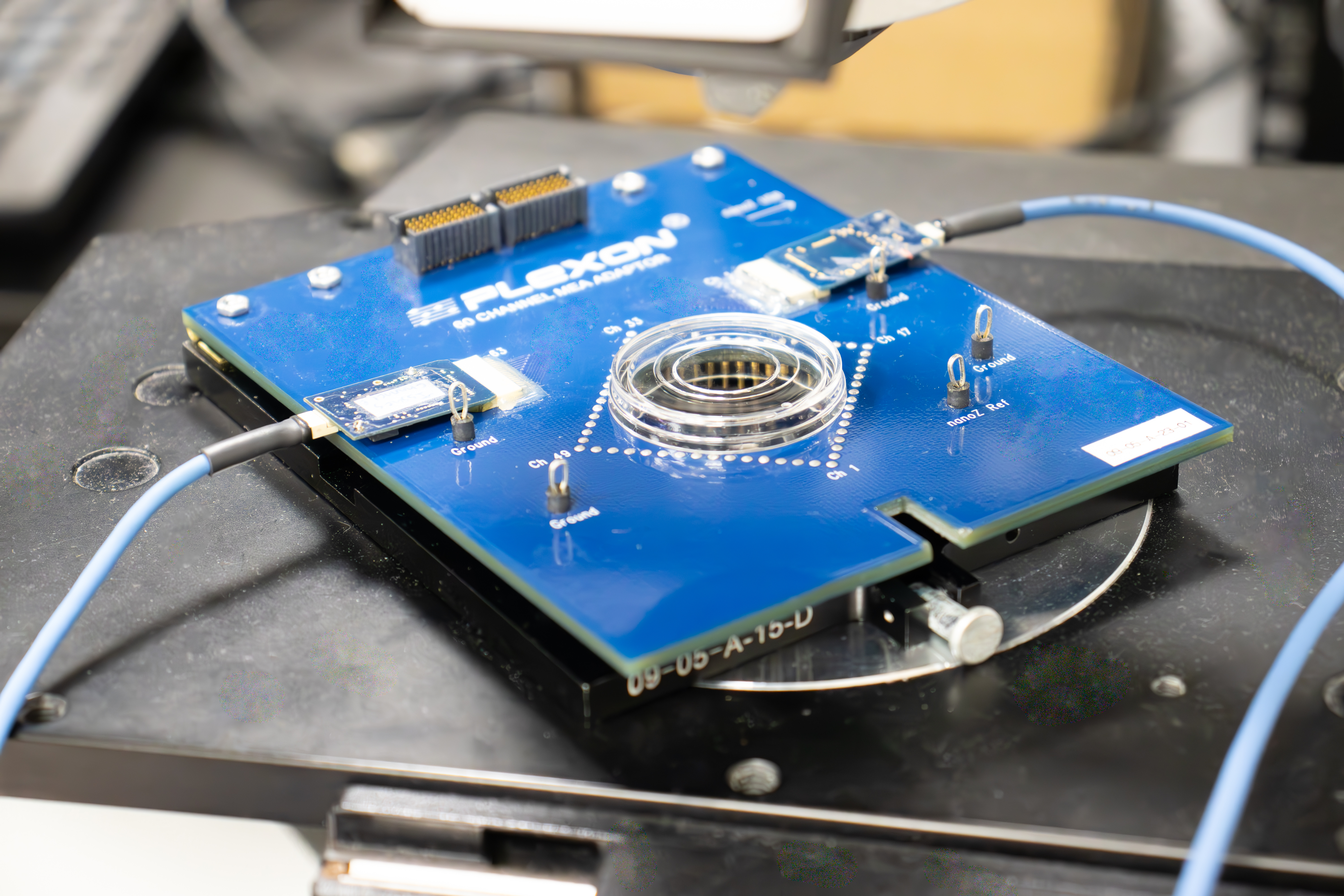
In addition, workshops focusing on advanced quantification using FACS, bioimaging under controlled oxygen conditions with genetically encoded biosensors, Drosophila melanogaster for disease modeling and genetic screening, integration of 2D/3D neuronal cultures with MEA platforms, fundamentals of the in ovo model, and 3D correlative light and electron microscopy (CLEM) applications in organoid spheres will be conducted with contributions from SABITA researchers and international experts.
WHAT WILL THE CONFERENCE CONTRIBUTE?
With R3FINE 2026, SABITA does not limit itself to sharing scientific models developed in line with non-animal research approaches and the 3R principles, but aims to strengthen the accumulated knowledge in this field through new partnerships and sustainable research networks.
This approach contributes to the wider adoption of methods that are closer to human biology, ethical, and predictive in the future of biomedical research, while laying the groundwork for Türkiye to assume a more visible and effective role in the fields of NAMs and the 3Rs.
Last Update : 21/02/2026 - 00:38