Medipol TÖMER Introduces Its Advisory Board for the 2026–2027 Academic Year
Medipol TÖMER Introduces Its Advisory Board for the 2026–2027 Academic Year
Istanbul Medipol University Turkish Language Teaching Application and Research Center (TÖMER) has introduced its Advisory Board for the 2026–2027 academic year. Bringing together academics from universities in Türkiye and abroad, the board will contribute to the center’s academic development through expertise in teaching Turkish as a foreign language, digital transformation, assessment and evaluation, curriculum development, and intercultural communication.
Digital transformation, quality-oriented governance, and internationalization—priorities highlighted in the Council of Higher Education’s (YÖK) 2030 vision—provide an important framework for developing innovative and sustainable approaches to Turkish language teaching. Istanbul Medipol University’s Education and Teaching Policy likewise emphasizes student-centered and competency-based education, diverse assessment methods, student feedback, and continuous improvement. The university’s updated Internationalization Policy prioritizes stakeholder participation, international academic partnerships, and stronger global engagement.
Within this framework, the Advisory Board’s complementary areas of expertise are expected to support curriculum development, the exploration of digital learning opportunities, stronger assessment practices, and the integration of international good practices into Medipol TÖMER’s activities.
The Advisory Board for the 2026–2027 academic year comprises the following members:
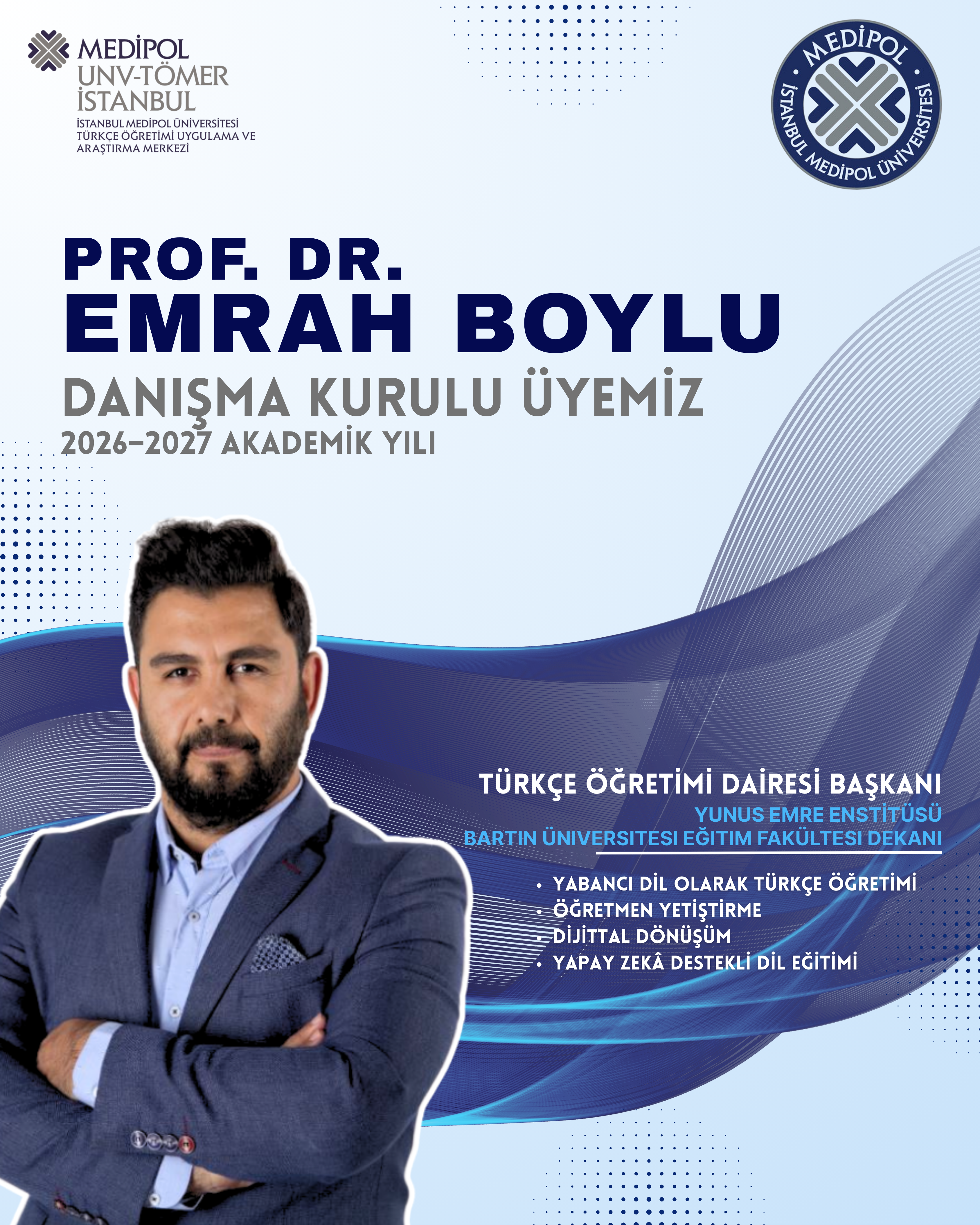
- Prof. Dr. Emrah Boylu: Head of the Turkish Language Teaching Department at Yunus Emre Institute and Dean of the Faculty of Education at Bartın University. His areas of expertise include teaching Turkish as a foreign language, teacher education, digital transformation, and AI-supported language education.
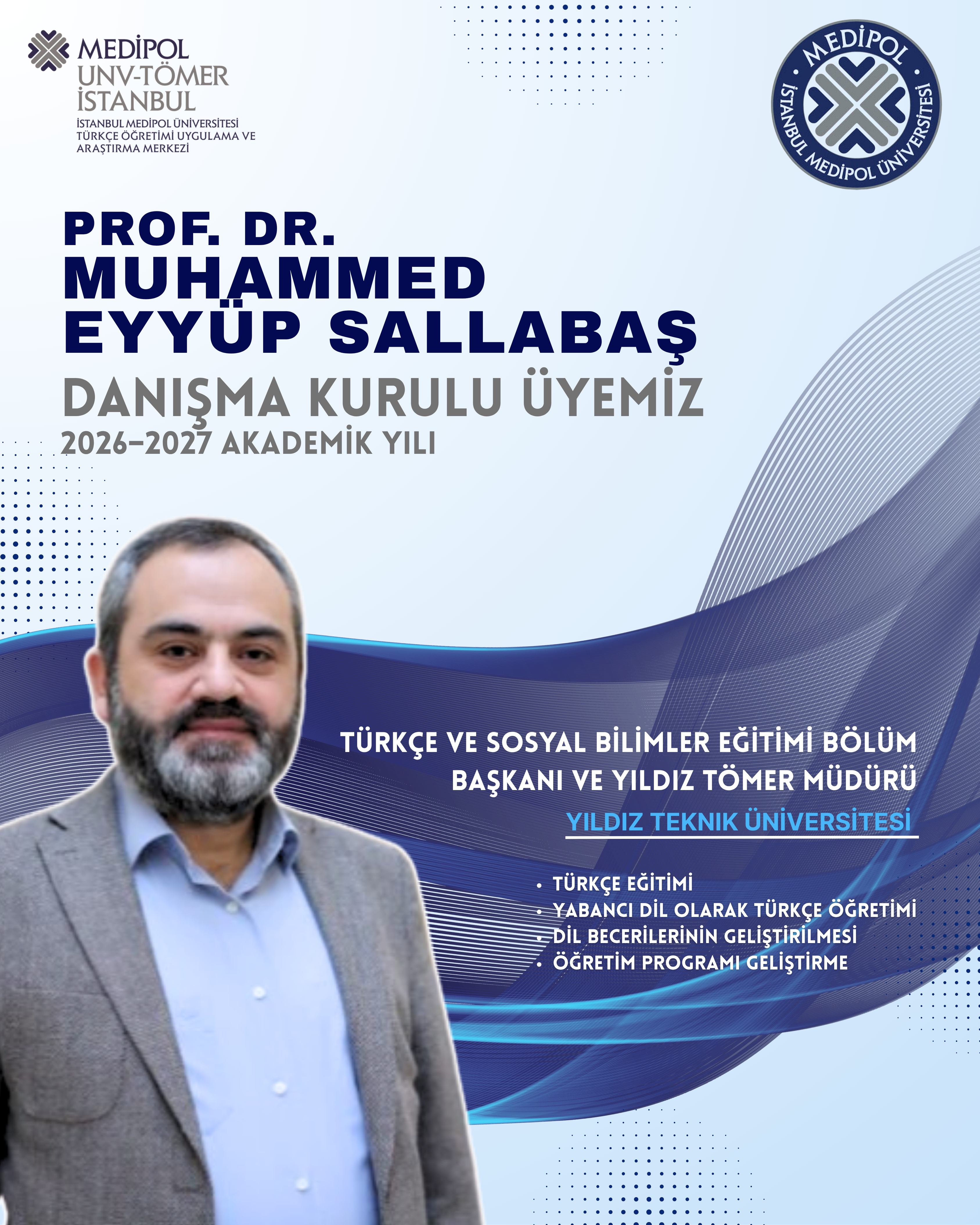
- Prof. Dr. Muhammed Eyyüp Sallabaş: Head of the Department of Turkish and Social Sciences Education at Yıldız Technical University and Director of Yıldız TÖMER. His expertise encompasses Turkish language education, teaching Turkish as a foreign language, language skills development, and curriculum development.
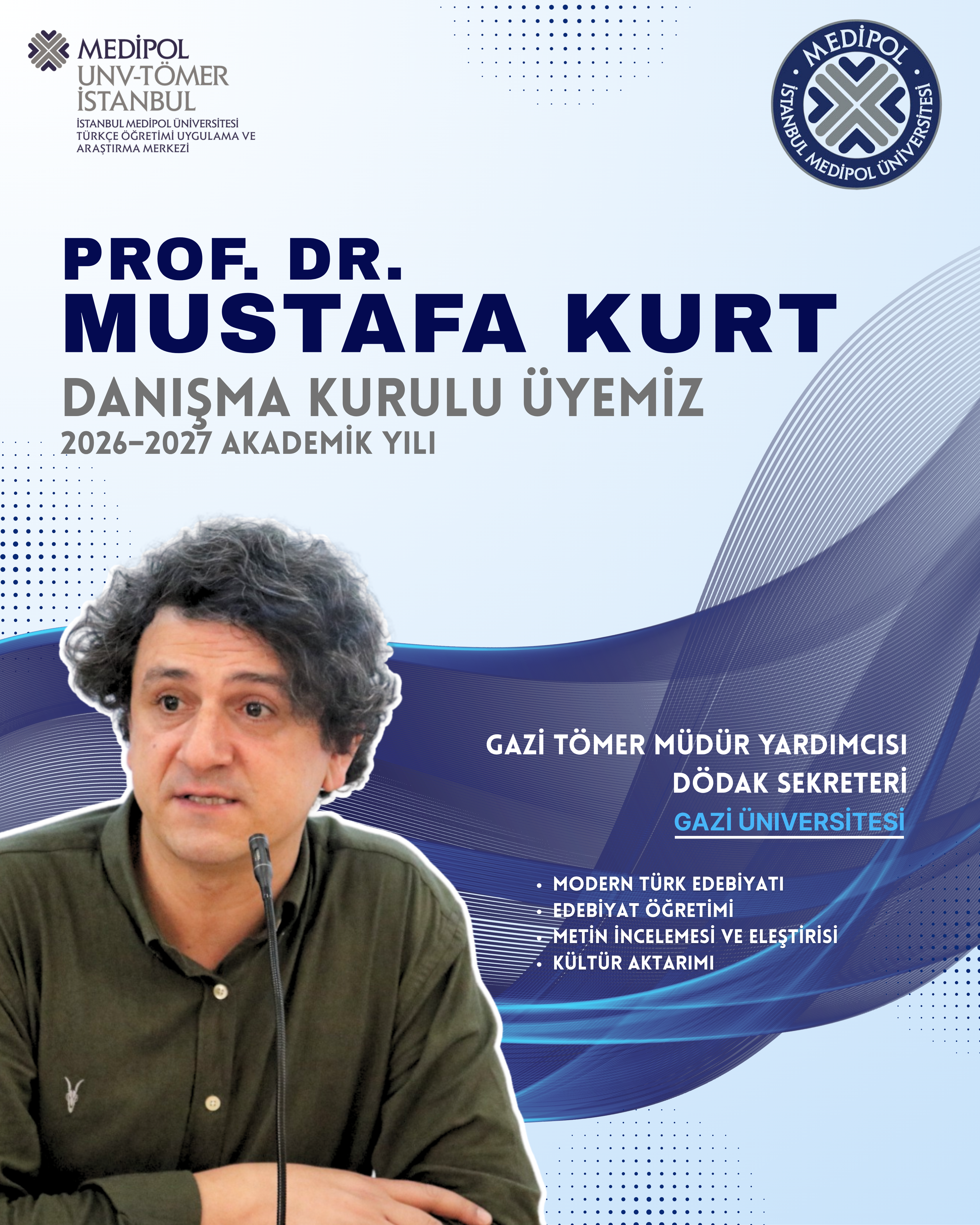
- Prof. Dr. Mustafa Kurt: Deputy Director of Gazi University TÖMER and Secretary of DÖDAK. He brings academic expertise in modern Turkish literature, literature teaching, textual analysis and criticism, and cultural transmission, alongside experience in accreditation processes.
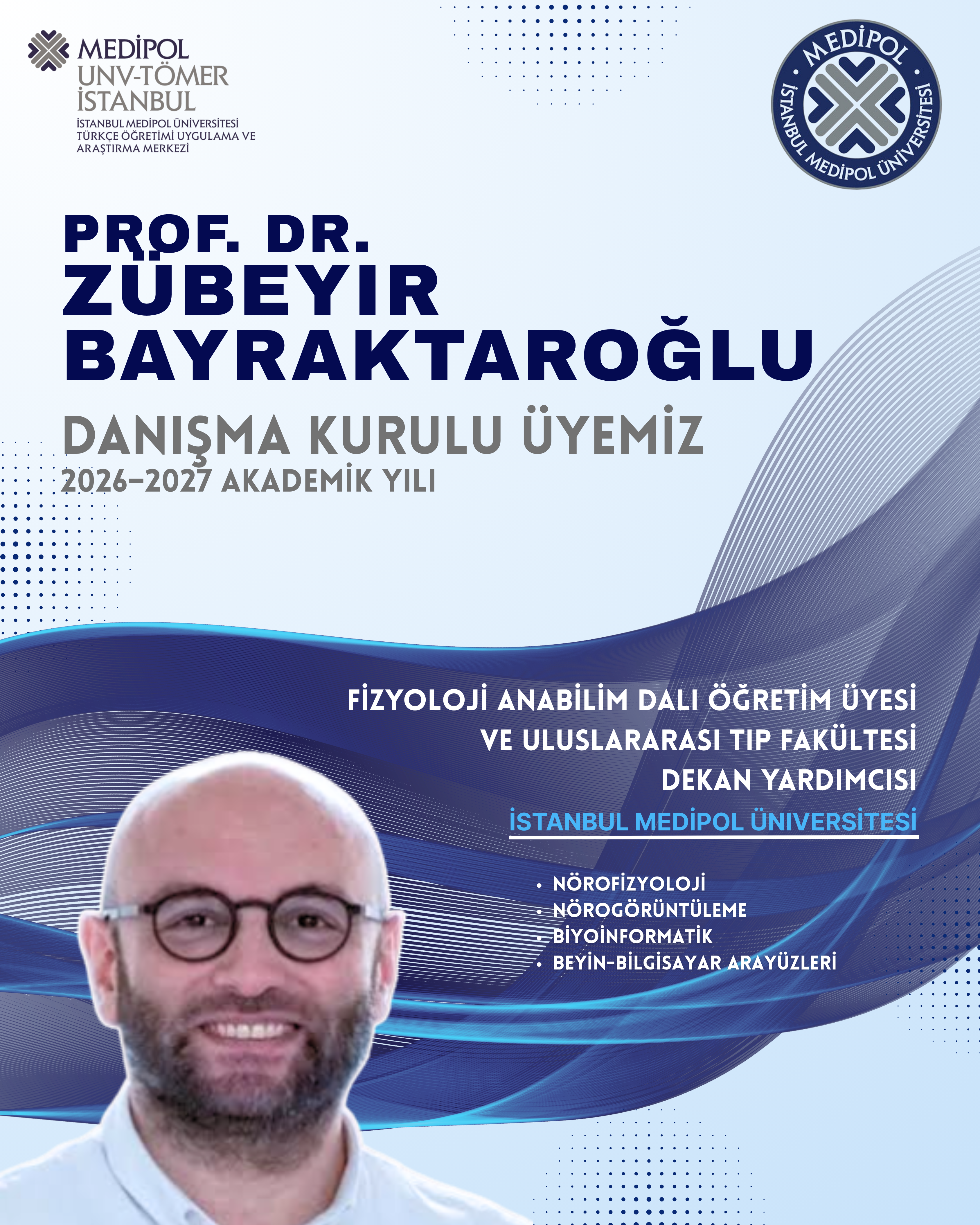
- Prof. Dr. Zübeyir Bayraktaroğlu: Faculty Member in the Department of Physiology and Vice Dean of the International School of Medicine at Istanbul Medipol University. His research focuses on neurophysiology, neuroimaging, bioinformatics, and brain–computer interfaces.
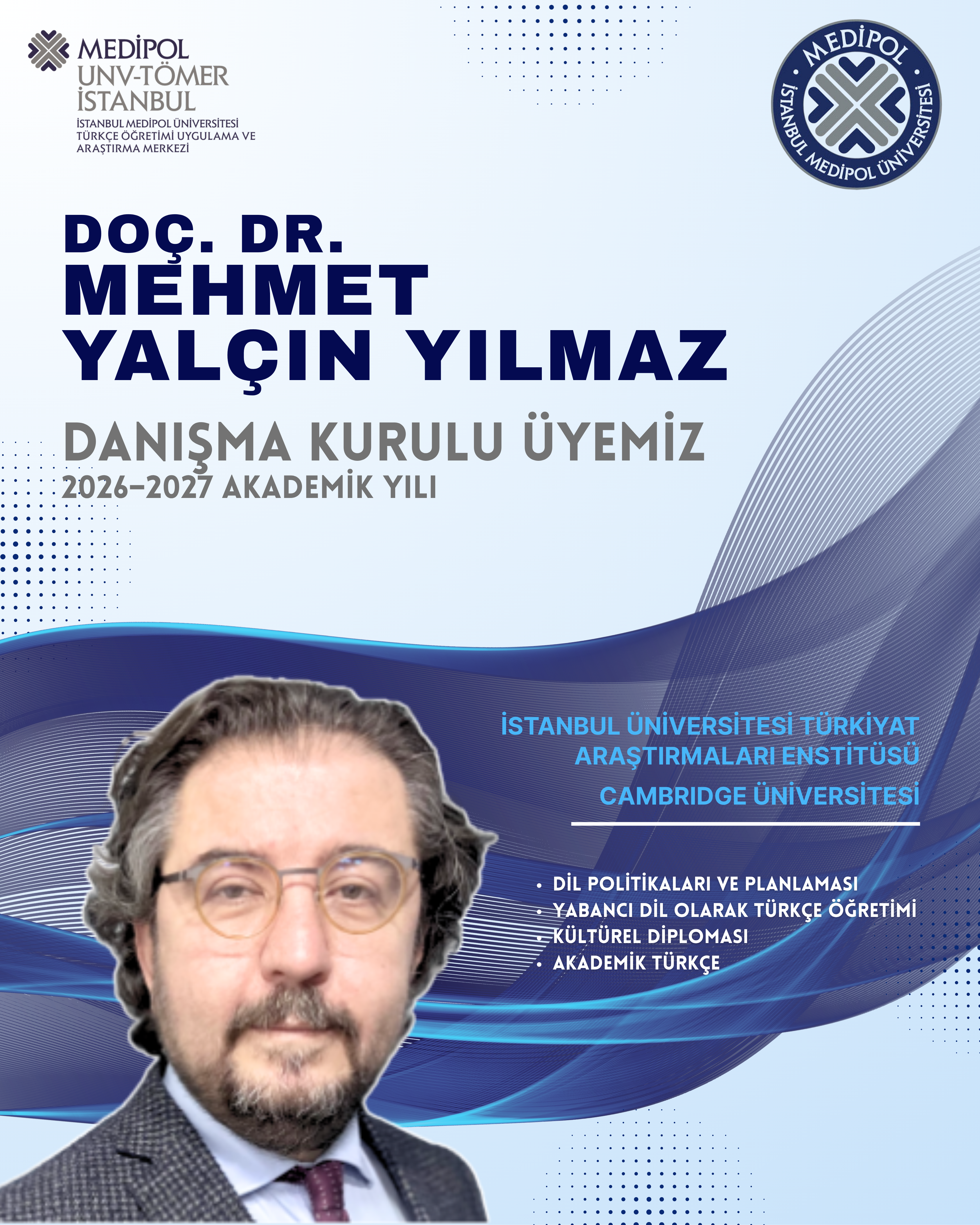
- Assoc. Prof. Dr. Mehmet Yalçın Yılmaz: Through his academic work at Istanbul University’s Institute of Turkic Studies and the University of Cambridge, he contributes expertise in language policy and planning, teaching Turkish as a foreign language, cultural diplomacy, and academic Turkish.
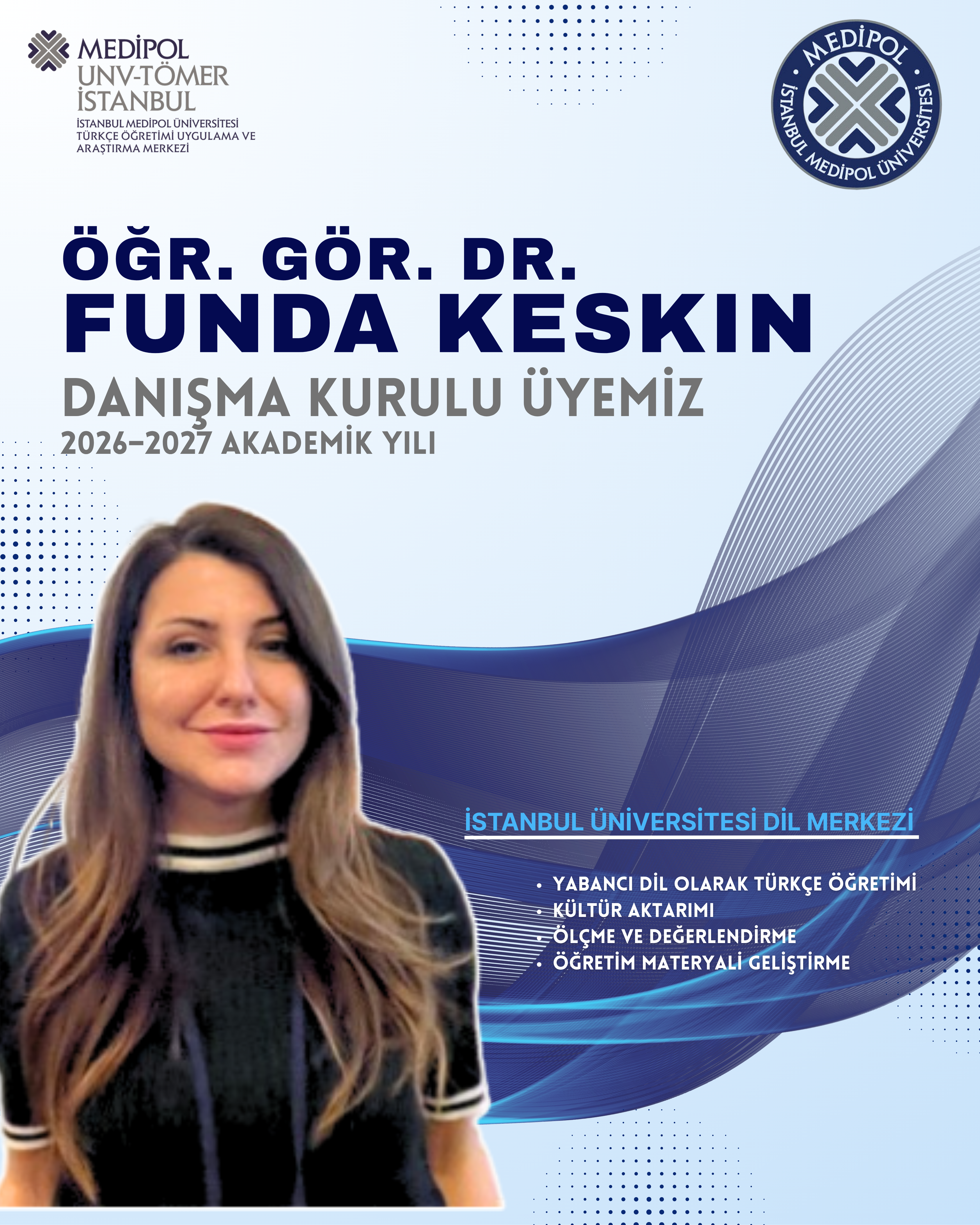
- Dr. Funda Keskin: Lecturer at Istanbul University Language Center. Her areas of expertise include teaching Turkish as a foreign language, cultural transmission, assessment and evaluation, and teaching material development.
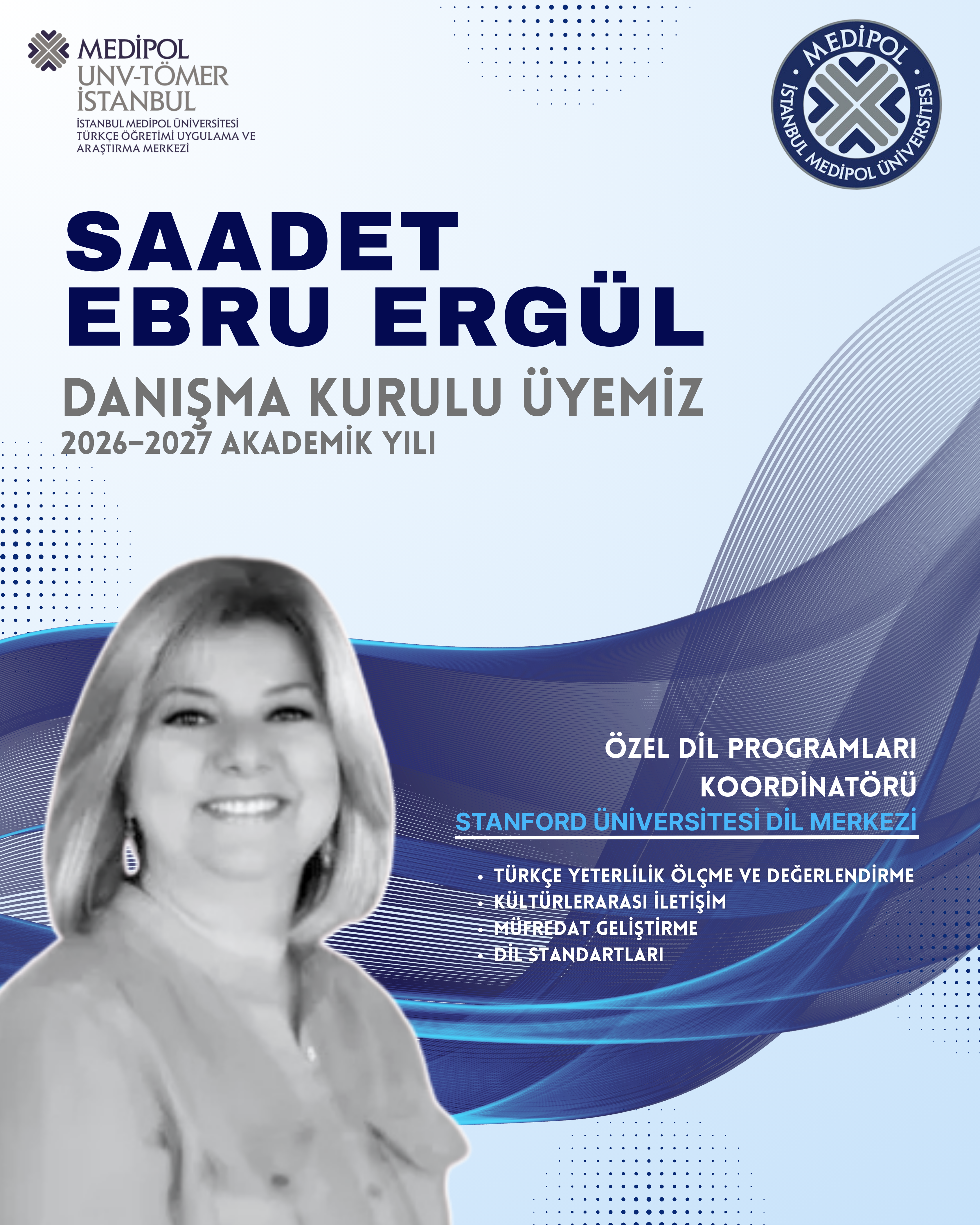
- Saadet Ebru Ergül: Coordinator of Special Language Programs at Stanford University Language Center. Her expertise includes Turkish language proficiency assessment, intercultural communication, curriculum development, and language standards.
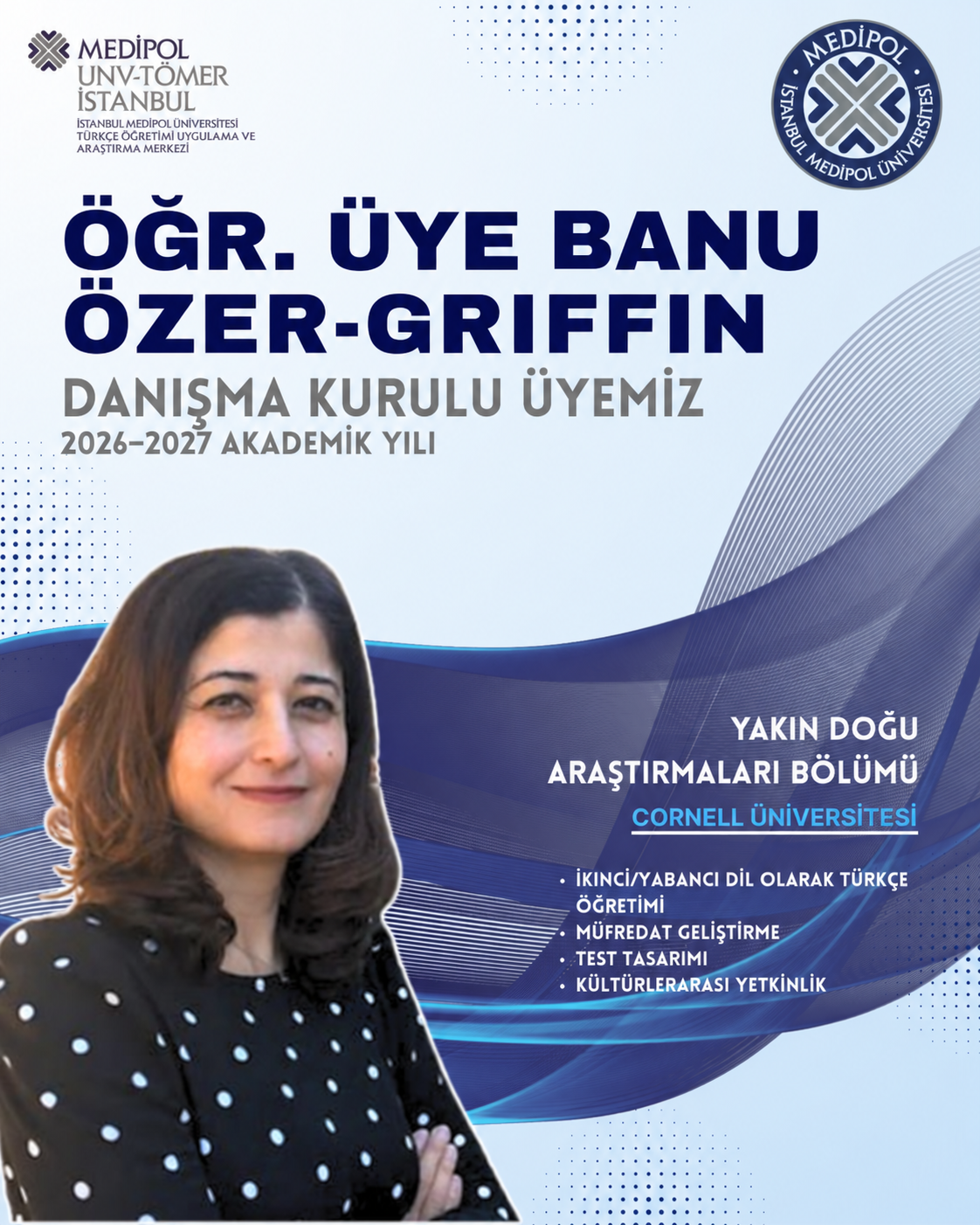
- Banu Özer-Griffin: Faculty Member in the Department of Near Eastern Studies at Cornell University. Her work focuses on teaching Turkish as a second or foreign language, curriculum development, test design, and intercultural competence.
The board members’ expertise provides complementary support for the center’s development goals. Experience in digital transformation and AI-supported language education is expected to contribute to diversifying teaching materials and developing accessible learning environments. This direction also aligns with Istanbul Medipol University’s emphasis on digital transformation in education, student-centered learning, and flexible learning opportunities.
Expertise in Turkish proficiency assessment, test design, language standards, and curriculum development is expected to guide the development of valid and reliable assessment tools aligned with learning outcomes. Using assessment results to monitor student progress and improve teaching practices forms a central part of this approach.
Bringing together academic experience from Cambridge, Stanford, and Cornell universities with the expertise of universities in Türkiye and Yunus Emre Institute offers valuable opportunities to exchange practices in Turkish language teaching worldwide, strengthen intercultural competence, and explore new academic partnerships. In this respect, the board is expected to contribute to the university’s student-centered and participatory internationalization goals.
Istanbul Medipol University TÖMER extends its sincere thanks to all Advisory Board members for contributing their academic expertise and experience and looks forward to productive and sustainable collaborations throughout the 2026–2027 academic year.
Last Update : 27/10/2026 - 11:27