Signs of transformation in education: Türkiye’s PISA 2025 results
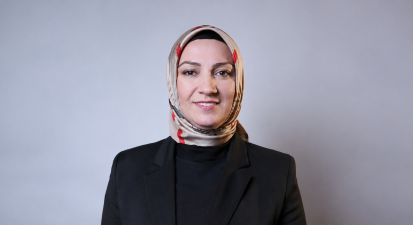
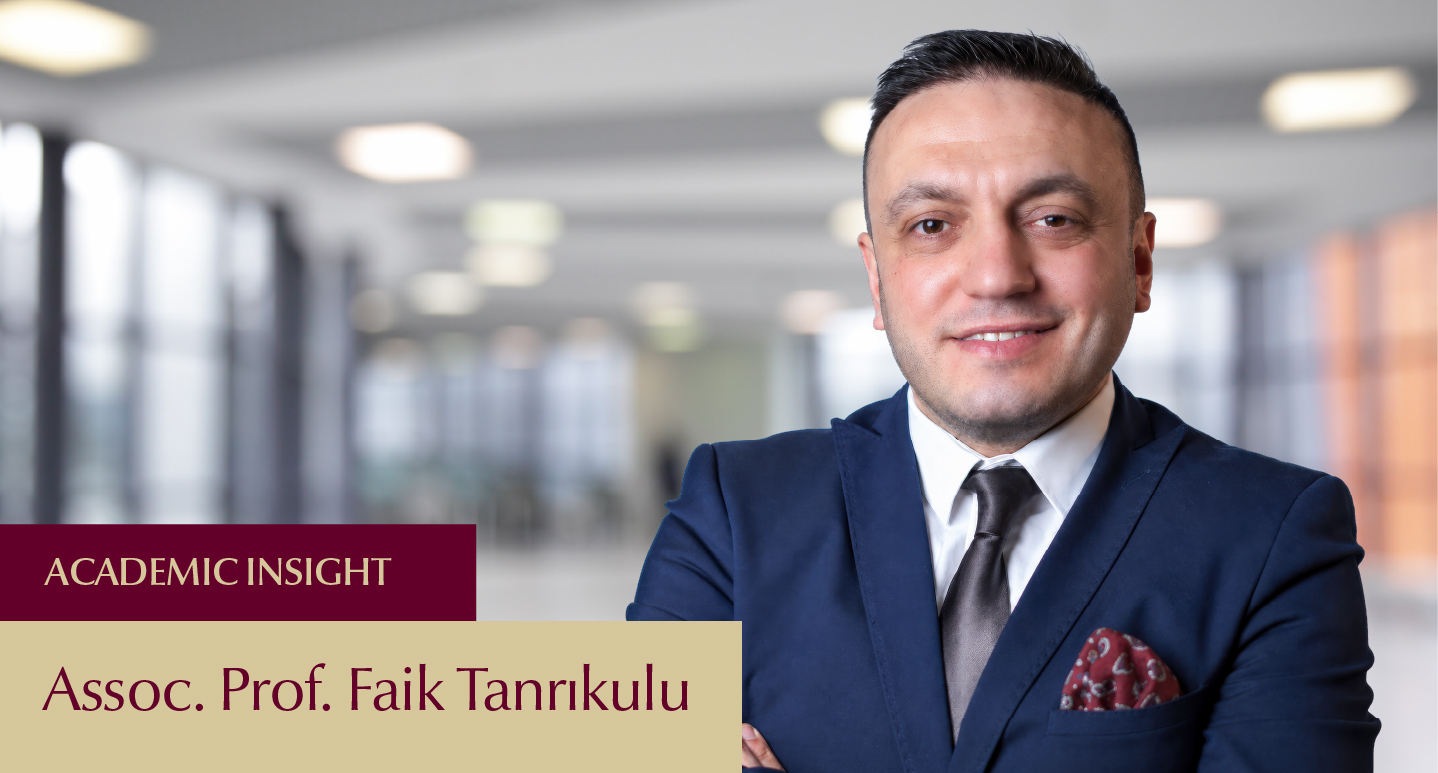
Türkiye’s performance in PISA 2025 has brought renewed attention to the outcomes of years of investment and policy changes in education. Assoc. Prof. Faik Tanrıkulu, a faculty member at Istanbul Medipol University, emphasized that Türkiye’s progress in PISA should not be viewed as the result of a single period, drawing attention to the long-term effects of improvements in educational infrastructure, teacher quality, school enrollment, and skills-based learning.
Unlike many other areas of public policy, the outcomes of education policies emerge not in the short term but over a period spanning many years. The performance of a 15-year-old student in an international assessment today reflects the cumulative effects of numerous factors, ranging from preschool education and teacher quality to family resources and educational infrastructure. Türkiye’s PISA 2025 results have similarly brought the long-term effects of education policies back into focus.
In an analysis written for Anadolu Agency Analysis, Assoc. Prof. Faik Tanrıkulu, a faculty member at Istanbul Medipol University School of Humanities and Social Sciences, examined Türkiye’s progress in PISA within the context of long-term investment in human capital. Tanrıkulu emphasized that the results should not be viewed as an indicator of a single period, but rather considered alongside changes in educational infrastructure, teacher quality, school enrollment, and teaching processes that have taken place over the years.
“TÜRKİYE’S PROGRESS IN PISA IS NO COINCIDENCE”
Noting that the outcomes of investment in education take much longer to emerge than those of other public policies, Tanrıkulu stated that PISA results should therefore be assessed from a long-term perspective.
Tanrıkulu said, “The achievement of a student who is 15 years old today reflects not merely the past few years, but the cumulative effects of teacher quality, family resources, educational infrastructure, and teaching processes beginning with preschool education. PISA results should therefore be viewed not as the political record of a single period, but as one of the indicators of Türkiye’s long-term investment in human capital.”
“TÜRKİYE IS DRAWING ATTENTION IN INTERNATIONAL EDUCATION CIRCLES”
Having followed the PISA 2025 results in Bratislava, Tanrıkulu noted that the most significant development for Türkiye was not merely the change in its rankings, but also the fact that the country was being regarded within international education circles as an example of progress worthy of closer examination.
Drawing attention to the assessments of Türkiye’s performance by Andreas Schleicher, OECD Director for Education and Skills, Tanrıkulu said, “The true strength of a country’s education system is measured not only by how many points its highest-performing students achieve, but by what any student is able to do when faced with a problem they have never encountered before. The OECD’s PISA 2025 results show that Türkiye has made progress in this second area.”
Assessing Türkiye’s educational performance alongside its long-term investments, Tanrıkulu noted that resources allocated to education, teacher recruitment, classroom infrastructure, and investments in school enrollment have all been important components of this process.
Referring to data from the PISA 2025 Türkiye Report, Tanrıkulu said, “While the average share of public resources allocated to education across OECD countries is 10.1 percent, this figure has reached 10.6 percent in Türkiye. Türkiye’s allocation of resources above the OECD average demonstrates that education has long been treated as a strategic area of public policy.”
“THE RESILIENCE OF THE EDUCATION SYSTEM STANDS OUT FOLLOWING CHALLENGING CONDITIONS”
Tanrıkulu emphasized that the extraordinary circumstances Türkiye has faced in recent years should also be taken into account when assessing the PISA 2025 results, drawing attention to the impact of the COVID-19 pandemic and the February 6 earthquakes on the education system.
Stating that maintaining educational services during these periods required significant institutional capacity, Tanrıkulu said, “PISA results do not, on their own, measure the impact of post-disaster measures. However, the performance achieved following such a challenging period makes the resilience of the education system an important subject for further investigation. Türkiye’s experience in crisis management could become an important area of policy expertise that can be shared with other countries.”
“SKILLS-BASED EDUCATION IS AT THE CENTER OF THE NEW ERA”
Noting that the direction of Türkiye’s education policies is particularly significant in terms of the skills measured by PISA, Tanrıkulu stated that the Türkiye Century Education Model places emphasis on competencies such as problem-solving, critical thinking, inquiry, mathematical reasoning, and data-driven decision-making.
Tanrıkulu said, “This transformation is particularly significant in terms of PISA because PISA measures not merely how much information a student has memorized, but how they use the knowledge they possess when confronted with a new problem. Moving away from a structure centered on memorization and knowledge transfer toward a model that prioritizes reasoning and problem-solving skills is of strategic importance.”
Noting that Minister of National Education Yusuf Tekin has institutional experience regarding the development of education policies due to the various positions he has held within the Ministry at different times, Tanrıkulu stated that the transformation in education should be assessed not only through changes to the curriculum but also in the context of long-term policy continuity.
“THE NEW GOAL IS TO TURN EDUCATIONAL POTENTIAL INTO PRODUCTIVE CAPACITY”
Tanrıkulu described the increase in the proportion of top-performing students in science to 7.4 percent in the PISA 2025 results and Türkiye’s score of 494 in environmental science, exceeding the OECD average, as important indicators for the country. He emphasized that the next stage should focus on translating gains in education into scientific, technological, and economic output.
Tanrıkulu said, “Supporting disadvantaged students, teachers’ professional development, university-industry collaboration, and research infrastructure cannot be considered separately from one another. The more Türkiye strengthens the environments in which its talented young people can participate in scientific and technological production, the greater the return on its investment in education will be.”
Tanrıkulu also emphasized that the results achieved in education should not lead to existing challenges being overlooked, stating that PISA 2025 provides a basis for setting new goals for Türkiye. According to Tanrıkulu, the next phase will be shaped not only by the country’s position in international rankings but also by efforts to strengthen educational environments in which students can develop their potential.
Tanrıkulu concluded his assessment with the following remarks:
“Now is the time to take this achievement further. Türkiye’s new goal in education should not merely be to rise in international rankings, but to become a country that shares its successful practices with the world, enables every child to develop their potential, and secures a stronger position in the knowledge economy of the future through the people it educates.”
The full article was published by Anadolu Agency.
Last Update Date: 17/09/2026 - 14:35