The memory of Turkish cuisine in digital stories
Istanbul Medipol University students reinterpreted the cultural heritage of Turkish cuisine, passed down from generation to generation, through digital storytelling. Bringing together students from Gastronomy and Culinary Arts and Visual Communication Design, the project explored traditions embedded in the collective memory of culinary culture and transformed them into 7–8-minute video productions.
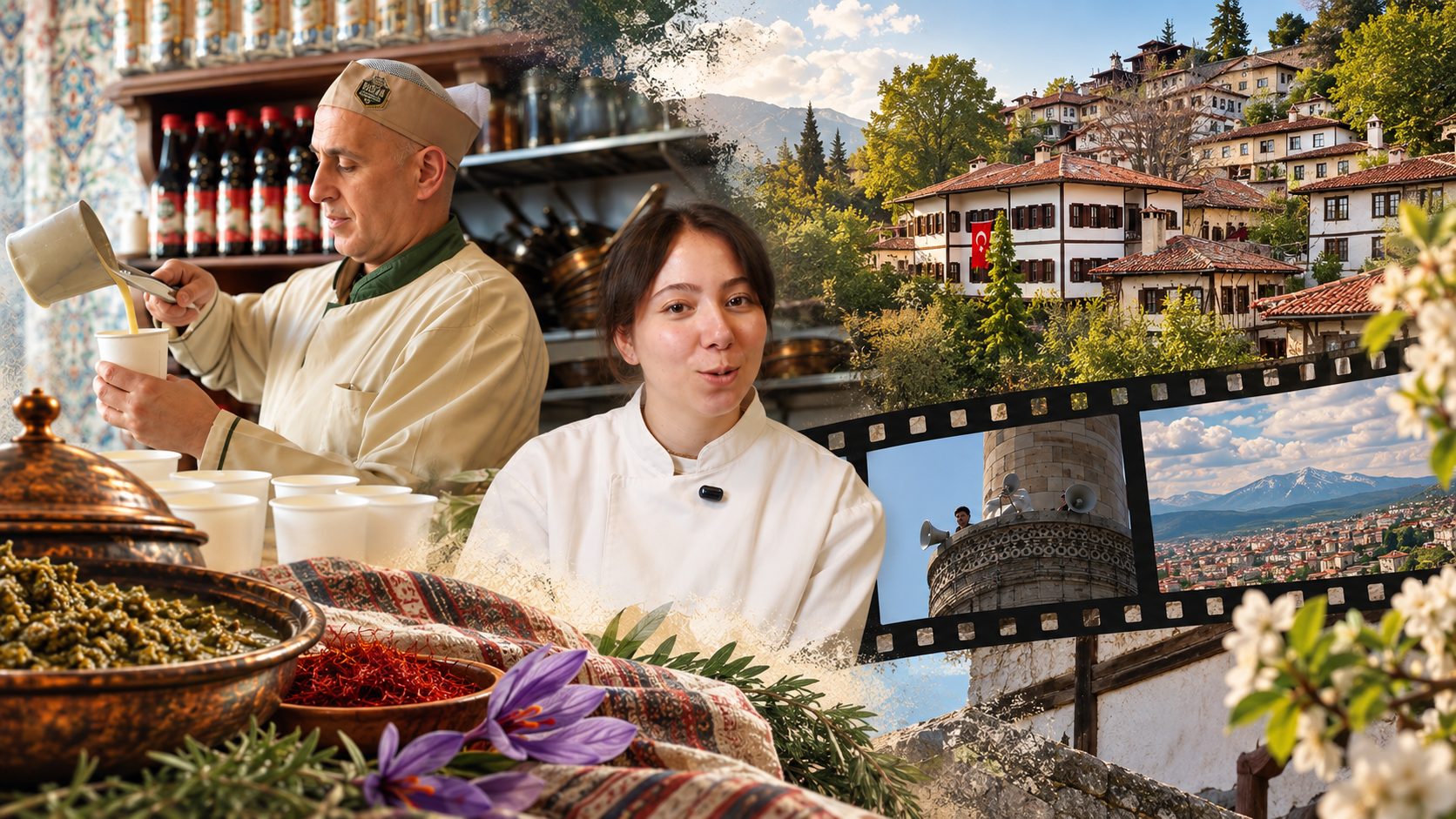
The story of a dish is not found in its recipe alone. How it is prepared, at which table it is shared, from whom it is learned, and how it changes over time all make it part of cultural memory. Istanbul Medipol University students carried out a project that explores this multilayered nature of Turkish culinary culture through the perspectives of different disciplines.
The project originated from the “Gastronomy and Culture” session held as part of an event organized on October 16, 2025, in collaboration with the Food and Agriculture Organization of the United Nations (FAO) and the Republic of Türkiye Ministry of Agriculture and Forestry. As part of the “Celebrate Rural Roots” digital storytelling campaign, students from different universities across Türkiye developed ideas and project proposals around the question, “How can food culture be passed on from the past to the future?”
Following the event, universities were invited to develop original projects aimed at documenting elements of Turkish cuisine that constitute intangible cultural heritage and increasing their visibility across digital platforms.
TWO DISCIPLINES CAME TOGETHER IN ONE STORY
This call evolved into an interdisciplinary project at the Istanbul Medipol University School of Fine Arts, Design and Architecture. As part of the Studio IV course led by Lecturer Yasemin Ereke, working groups comprising students from Visual Communication Design and Gastronomy and Culinary Arts were formed under the coordination of Assist. Prof. Özgür Ölce.
Over a total of 16 weeks, the students traced different elements of Turkish culinary culture. Their research examined the historical background and cultural significance of foods and culinary traditions, practices surrounding their production and consumption, and their place in collective memory. The subject-matter knowledge of Gastronomy and Culinary Arts students was combined with the expertise of Visual Communication Design students in visual storytelling and content production.
FROM RESEARCH TO DIGITAL STORYTELLING
The process, which began with research, continued with content development, scriptwriting, visual design, and video production. The information gathered was transformed into digital stories of approximately 7–8 minutes, told through the students’ own narrative perspectives.
Prepared for submission to FAO, the videos developed a narrative demonstrating that culinary culture can be understood not only through recipes, but also through traditions, methods of production, everyday life, and collective memory.
In this way, students documented culinary heritage inherited from the past using contemporary visual communication tools while also bringing the perspective of their own generation into the narrative.
Bringing Gastronomy and Culinary Arts together with Visual Communication Design within the same creative process, the project provided students with a collaborative production experience spanning research and scriptwriting, subject-matter expertise, and visual storytelling.
Examples of digital storytelling projects produced as part of the project
Last Update Date: 17/09/2026 - 09:58