“Artificial intelligence supports collective design in architecture”
At the “Artificial Intelligence in Design” event organized by Istanbul Medipol University’s Department of Interior Architecture and Environmental Design, Synthetic Architecture Co-Founders Pınar Ongun and Ozan Ertuğ discussed the transformation that artificial intelligence is bringing to the discipline of architecture.
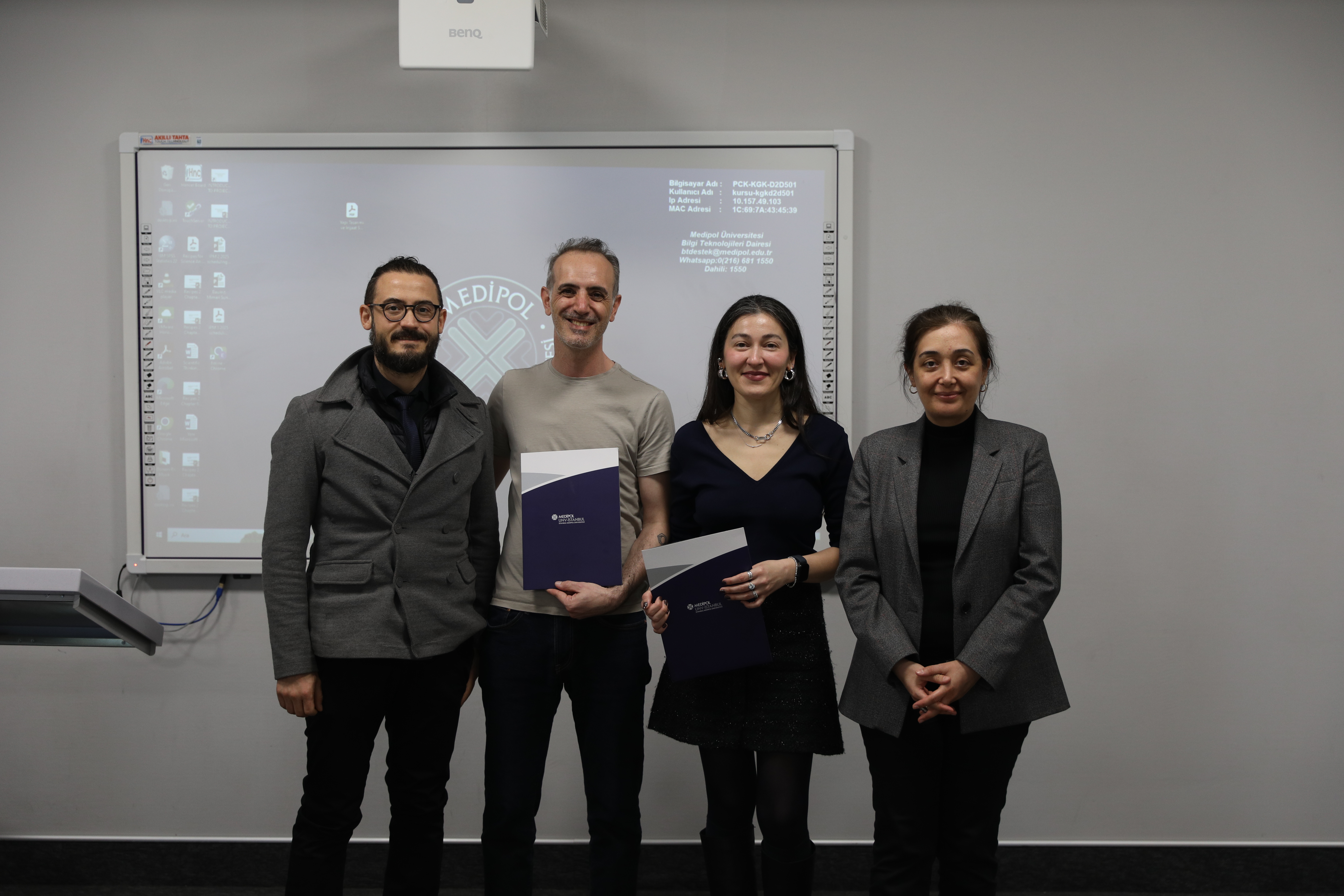
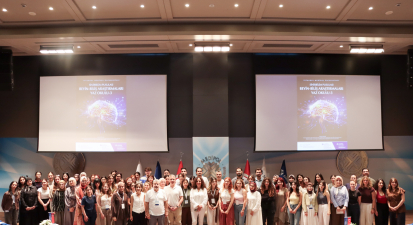
The Department of Interior Architecture and Environmental Design of the School of Fine Arts, Design, and Architecture at Istanbul Medipol University organized an event titled “Artificial Intelligence in Design”. Synthetic Architecture founding partners Pınar Ongun and Ozan Ertuğ met with students at the event, which was held at the South Campus. Ongun and Ertuğ touched on the transformation that artificial intelligence technology has created in the discipline of architecture and its effects on design processes. They stated that artificial intelligence-supported design processes provide a collective creation area and are used as a tool to strengthen storytelling in architecture.
ONGUN: ARTIFICIAL INTELLIGENCE SUPPORTS COLLECTIVE DESIGN IN ARCHITECTURE
Speaking at the event, Pınar Ongun stated that the integration of artificial intelligence with architecture has added a new dimension to design processes. Ongun said: “Synthetic approaches in architecture open up a new creative field by combining traditional methods with artificial intelligence-based design.” Ongun emphasized that techniques such as drawing, physical modeling, and parametric designing have become more comprehensive thanks to artificial intelligence. According to Ongun, this integration not only accelerates design processes, but also provides a more diverse, flexible, and dynamic production environment. She continued as follows: “Artificial intelligence creates a new architectural understanding by balancing global knowledge with local needs. Although the concept of ‘artificial’ is sometimes misunderstood, the process is not just about the results produced by algorithms; it is a creative process shaped by patterns gathered from large pools of data. We take geographical, climatic, and cultural factors into consideration in our designs. Artificial intelligence contributes to a polyphonic, innovative, and sustainable design understanding by revealing the power of collective knowledge in architecture.”
Last Update Date: 05/06/2026 - 14:34