
Medipol University
Biomedical Engineering
İstanbul Medipol University, Department of Biomedical Engineering has been established in 2014.
The students, who successfully graduate from the 4-years bachelor's degree program of the department, are entitled Biomedical Engineers. Each year the department accepts 20 students with full scholarship. The education language is English, where language preparation class is mandatory. However, those who can prove their efficiency in English, can directly start with the regular program.
The faculties of the department all have deep international experience gained by spending long years in research and education abroad.
Besides technical courses, students are also offered additional electives such as “Technology, Society, and Professional Development” and “Innovation and Entrepreneurship”, to excel in the social responsibilities and personal career development. In concordance with the philosophy of the department paying special attention to industry-academia partnership, several distinguished internship opportunities both in local and international companies are provided.

Academic
Calendar

Teaching
Staff
Qualifications
Mission
With the education it gives and the difference it creates, Istanbul Medipol University adopts the principle to generate individuals who have acquired permanent high qualifications, who have a focus on the production of science and technology and who can respond to ever changing demands of the society and it takes it a responsibility to contribute to the scientific knowledge as well as to the welfare of the society.
Vision
To be a leader university that will give directions to science and society with a strong organizational culture, a sprit of entrepreneurship and a stable dynamism.
- The European Qualifications Framework
- European Credit Transfer System
- What is European Credit Transfer System?
- The European Credit Transfer and Accumulation System (ECTS) is a student-centered system based on the student workload required to achieve the objectives of a program of study. These objectives should preferably be specified in terms of learning outcomes and competences to be acquired.
- ECTS is based on the principle that 60 credits measure the workload of a full-time student during one academic year. The student workload of a full-time study program in Europe amounts in most cases to around 1500-1800 hours per year and in those cases one credit stands for around 25 to 30 working hours.
- Credits in ECTS can only be obtained after successful completion of the work required and appropriate assessment of the learning outcomes achieved. Learning outcomes are sets of competences, expressing what the student will know, understand or be able to do after completion of a process of learning, long or short.
- Student workload in ECTS consists of the time required to complete all planned learning activities such as attending lectures, seminars, independent and private study, preparation of projects, examinations, and so forth.
- Credits are allocated to all educational components of a study program (such as modules, courses, placements, dissertation work, etc.) and reflect the quantity of work each component requires to achieve its specific objectives or learning outcomes in relation to the total quantity of work necessary to complete a full year of study successfully.
ECTS Guide
European Credit Transfer System (ECTS) is a student oriented credit system based on the workload of the student. It is a value that represents all the studies (theoretical courses, applications, seminars, independent studies, examinations, assignments, etc.) that a student needs to complete in order to be successful in a course.
ECTS is one of the most important fields of study in the application phase of Bologna Process in Turkey. In recent years, many universities in Turkey intensified their studies for adjusting their credit and grading systems to ECTS principles.
Istanbul Medipol University has prepared this specially designed ECTS Information Guide with the aim of clarifying details about the academic programs and the understanding of education for Istanbul Medipol University which have been formed in tune with Bologna Process. Each detail in the ECTS Information Guide regarding the implementation of ECTS credits of courses, student workloads, evaluation process and the relation of all these components with each other have been explained step by step.
All of the information provided in the ECTS Information Guide is a complete package which integrates the National Qualifications defined by Higher Education Council of Turkey (YÖK) and their compatibility with the implementation of Bologna Process.
The beneficiaries of this web site will not only be able to access programs offered, course contents but also general information about the student life and extracurricular activities both in city of Istanbul.
Medipol ranked in the “World’s Young University Rankings”
Medipol ranked in the “World’s Young University Rankings”
Istanbul Medipol University ranked in the “World’s Young University Rankings” by Times Higher Education (THE)
The Young University Rankings is consisting of the world’s best universities which are 50 years old or younger.
The universities are ranked according to the 13 performance indicators such as teaching, research, citations,
international outlook and industry income. The results were announced on the official website of THE. Over 25
thousand universities were evaluated. Medipol University placed 401+ in 414 universities out of these selected 25
thousand universities. The list features 23 universities from Turkey. Istanbul Medipol University also ranked in the
“World University Rankings”, “World University Rankings by Subject: Clinical, Pre-Clinical and Health”,
“Asia University Rankings”, “Emerging Economies University Rankings” and in the various subjects of the
“Impact Rating” by THE.
The General Secretariat
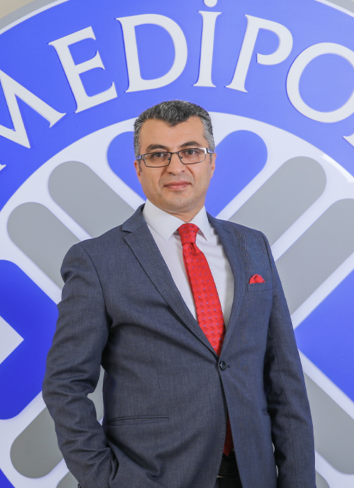
Doç. Dr. Abdurrahman Çetin
Genel Sekreter
The General Secretariat, consist of the General Secretary, Deputy General Secretary and subordinate units, provides the necessary coordination for the administrative units within the university body to work in harmony and works under the Rector. In addition, it is responsible for executing the correspondences with YÖK (Council of Higher Education) and other official institutions in accordance with the relevant legislation.
The General Secretariat is the administrative organization founded with the 51st article of the Higher Education Law No. 2547 and the Decree-Law No. 124 on the Administrative Organization of Higher Education Upper Institutions and Higher Education Institutions.
The General Secretariat Unit, the principles of establishment and duties of which are defined in the Laws and Statutory Decrees mentioned above; are the head of the university administrative organization and responsible to the Rector for the work of this organization. As the head of the university administrative organization of the university, The General Secretary fulfils the following duties determined by the laws through the units affiliated to them.
The Laboratory
The RUHMER is a laboratory of the Faculty of Medicine of the Istanbul Medipol University working on cutting-edge research within Dream, Sleep, and Hypnosis.
The laboratory started in 2018 with our director Professor Ağargün and seven researchers.
Mission:
Our mission is to produce benefits for society and medicine by conducting psychological, physiological and neurobiological research in the fields of dreams, sleep and hypnosis; To produce original and qualified scientific knowledge and to train research scientists in these fields.
Vision:
Our vision is to be a leading center that aims to provide biopsychosocial well-being through studies in the fields of dream, sleep and hypnosis.
Our research on sleep focuses on:
- neural mechanisms underlying sleep and wakefulness
- the relationship of sleep with emotion, cognition, memory, and metabolism
- the association between sleep patterns and neurodegenerative diseases
- the relationship between healthy cognitive aging and sleep
- circadian rhythm, sleep, and mood
- napping and its effects on cognition, memory, and mood
- the effects of caffeine on sleep
On dream, we investigate:
- the content of dreams and its effects on the daily life of the dreamer
- electrophysiological correlates of different kinds of dreams, like big dreams
Concerning hypnosis, we study on:
- the behavioral, cognitive and neural correlates of hypnosis
- hypnotic dreams and their therapeutic effects
- the modeling of hypnotic confabulation
Furthermore, we particularly interest in critical analytical thinking.
Academic Calendar
Click Here for the 2025–2026 Academic Year Associate and Undergraduate Academic Calendar.
Click Here for the 2024–2025 Academic Year Associate and Undergraduate Academic Calendar.
2023-2024 For Academic Year Associate Degree-Undergraduate Academic Calendar Click.
Click Here for the 2023–2024 Academic Year Faculty of Dentistry Academic Calendar.
Click Here for the 2023–2024 Academic Year Faculty of Law Academic Calendar.
Click Here for the 2023–2024 Academic Year Faculty of Medicine Academic Calendar.
Click Here for the 2023–2024 Academic Year International Faculty of Medicine Academic Calendar.
Click Here for the 2022–2023 Academic Year Academic Calendar.
Click Here for the 2021–2022 Academic Year Academic Calendar.
Click Here for the 2020–2021 Academic Year Academic Calendar.
Click Here for the 2019–2020 Academic Year Academic Calendar.
Click Here for the 2018–2019 Academic Year Academic Calendar.
News
• DO YOU WANT TO JOIN RESEARCH OF METACOGNITION IN SLEEP?
Subjects for,
Including criteas: Being healthy and in age ranje between 18-35 years old.
Excluding criteas: To have mental, sleep or chronic disorders.
If you want to join, you can send to e-mail to [email protected]
• DO YOU WANT TO JOIN RESEARCH OF TREND ORIENTATION?
Subjects for,
Including criteas: Being healthy and in age ranje between 18-35 years old.
Excluding criteas: To have mental, sleep or chronic disorders.
If you want to join, you can send to e-mail to [email protected]
• DO YOU WANT TO JOIN RESEARCH OF ISTIHARE DREAMS?
Subjects for,
Including criteas: Being healthy.
Excluding criteas: To have mental, sleep or chronic disorders.
If you want to join, you can send to e-mail to [email protected]
Members
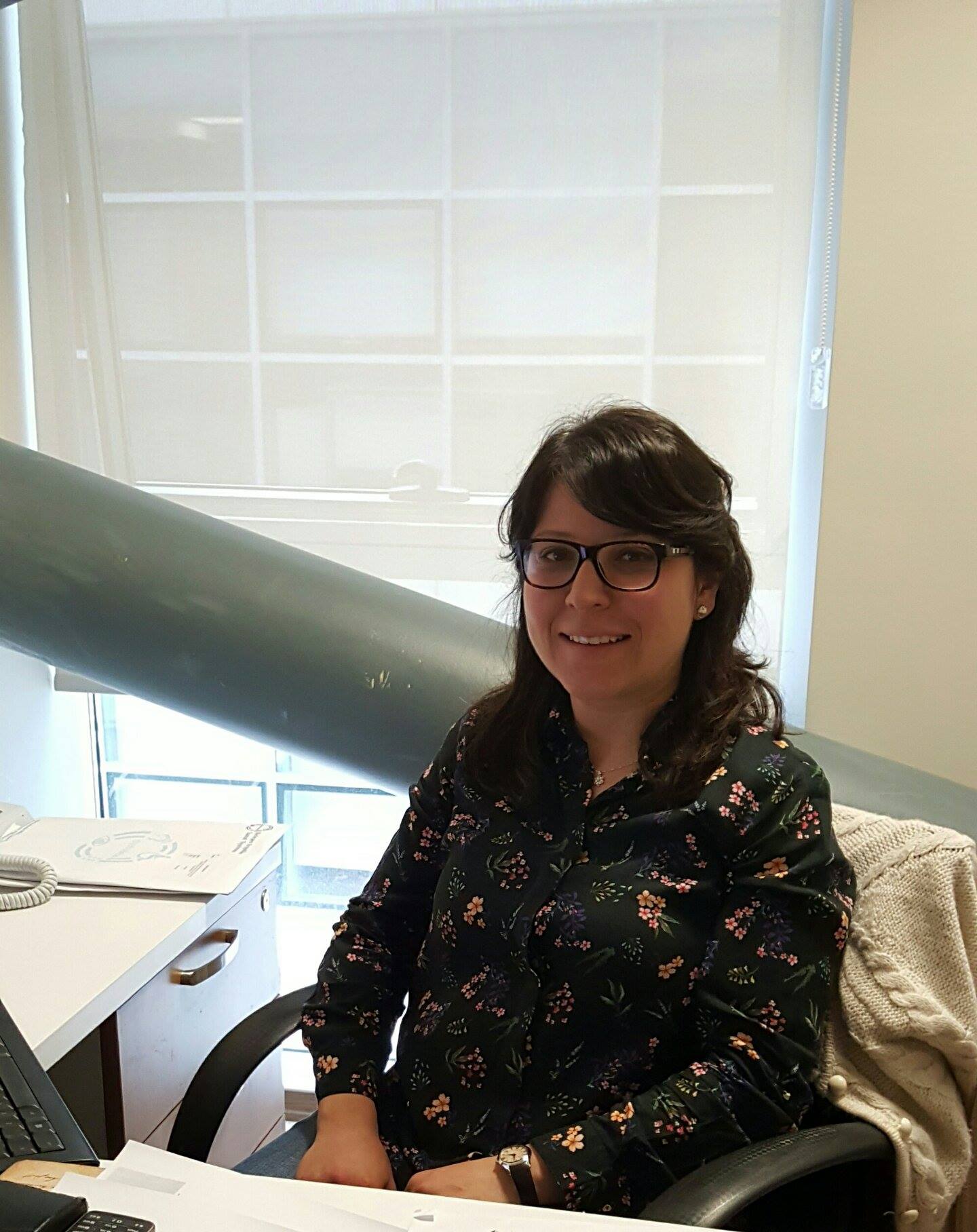 Name Surname Assoc. Prof. Ozge Sensoy
Position Computational Biophysics
E-Mail [email protected]
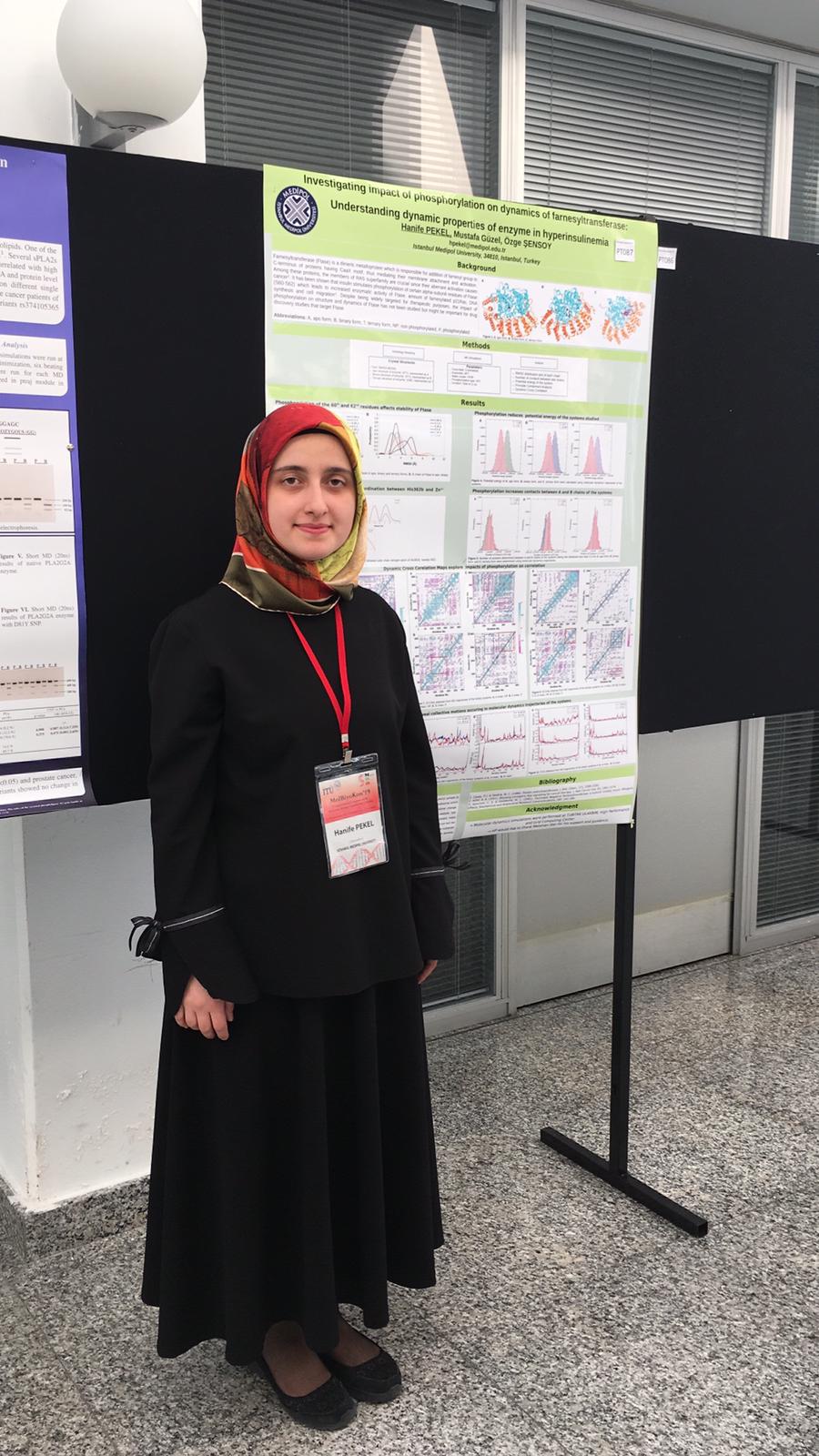
Name Surname Hanife Pekel
Position Ph.D Student
E-Mail [email protected]
Research Areas Drug discovery, development of nervous system drugs for all type of neurodegenerative diseases, molecular docking and structure based drug design
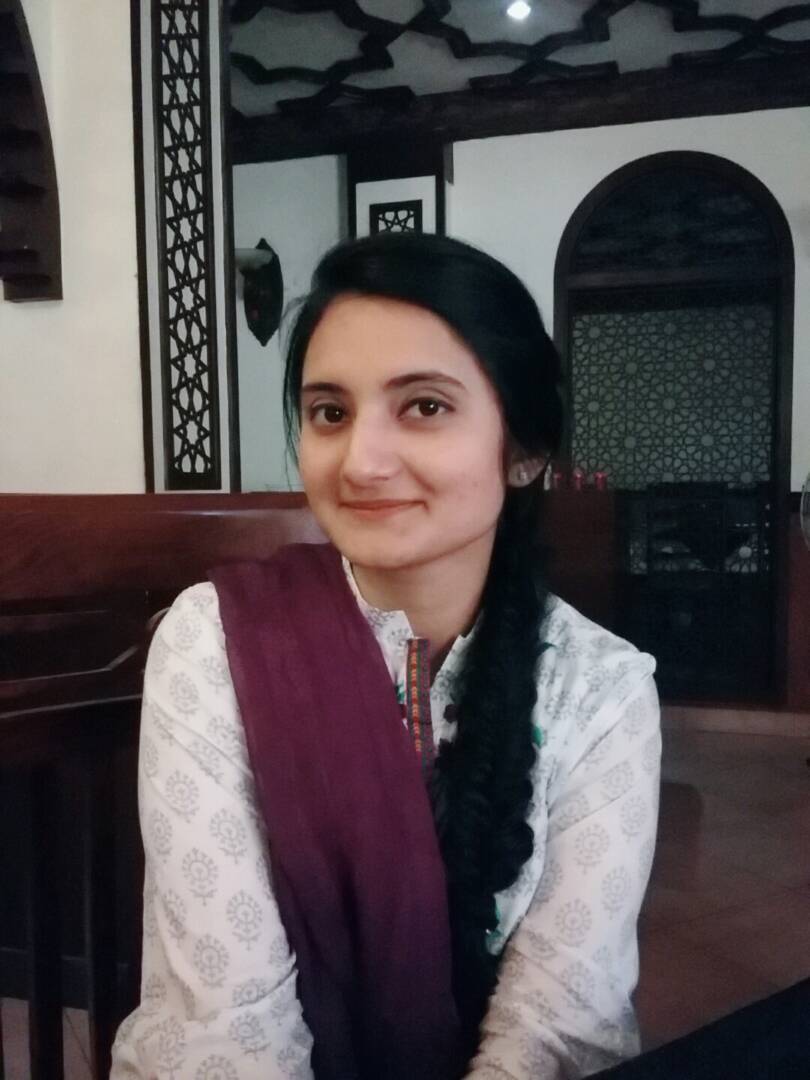
Name Surname Samman Mannsoor
Position Ph.D Student
E-Mail [email protected]
Research Areas Bioinformatics, Computational Biology
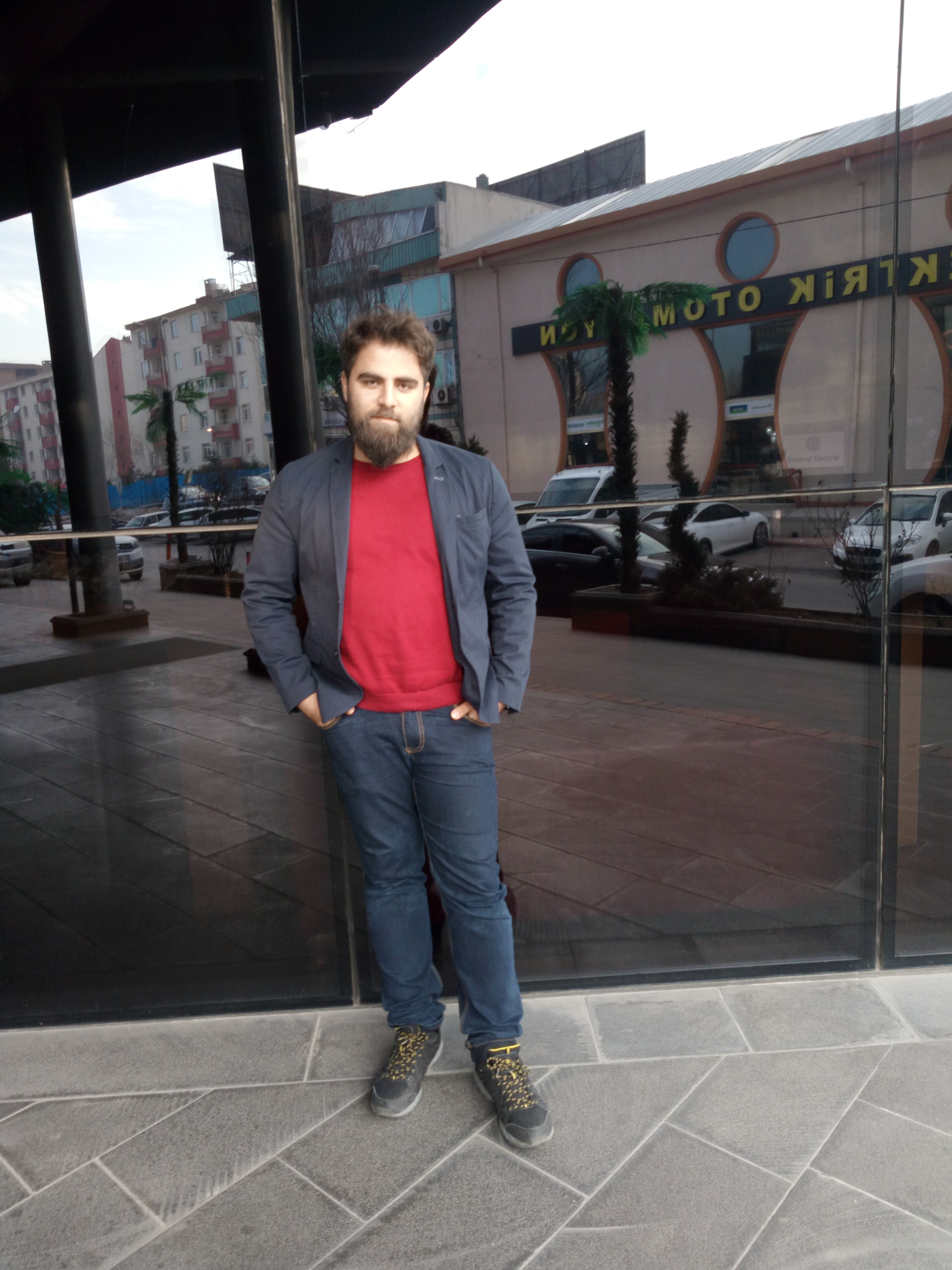
Name Surname Abdullah Hüseyin KÖSEOGLU
Position MSC Student
E-Mail [email protected]
Research Areas Bionformatics, Quantum Mechanics
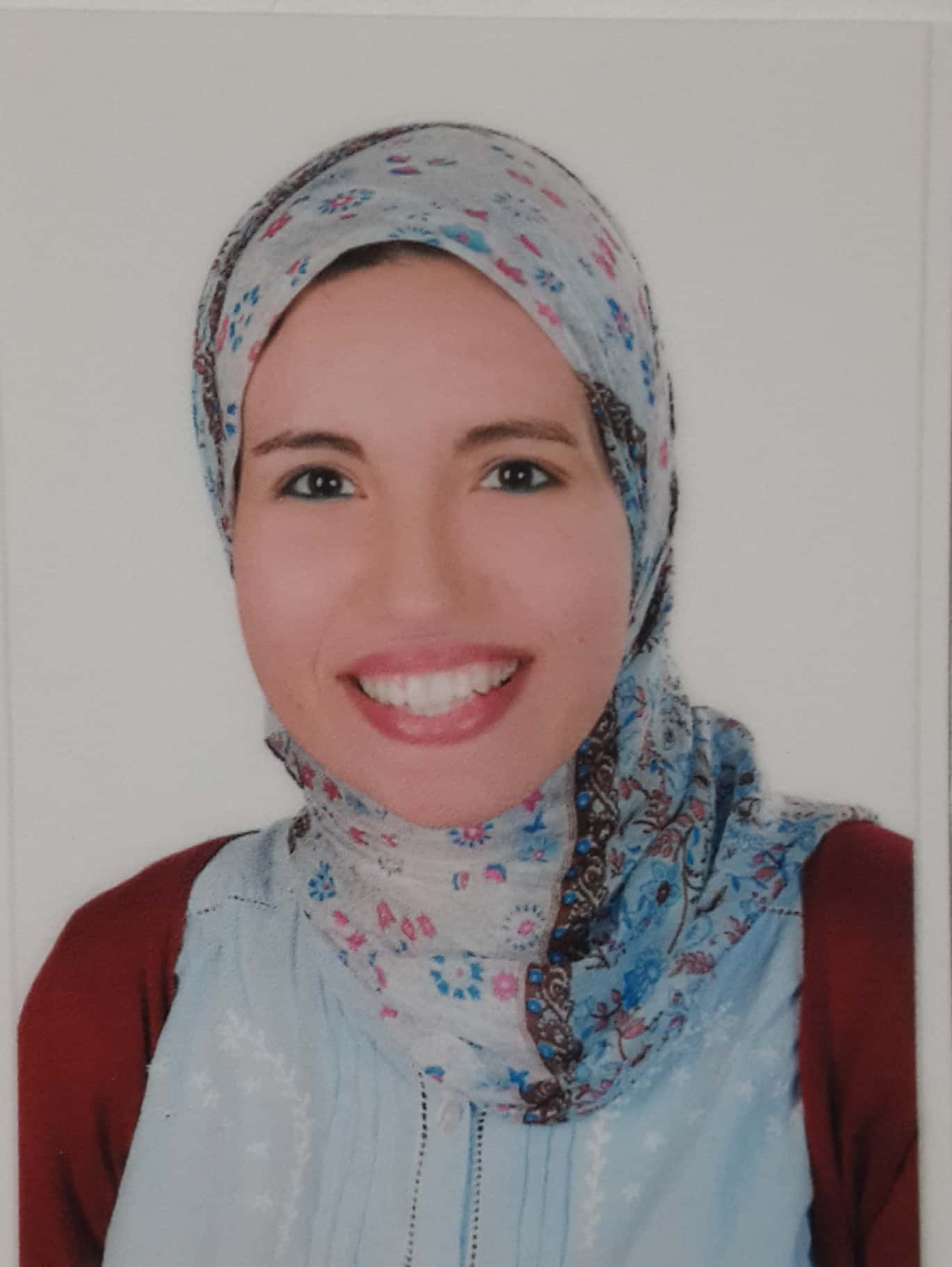
Name Surname Asmaa Samy
Position MSC Student
E-Mail [email protected]
Research Areas Computational Biology
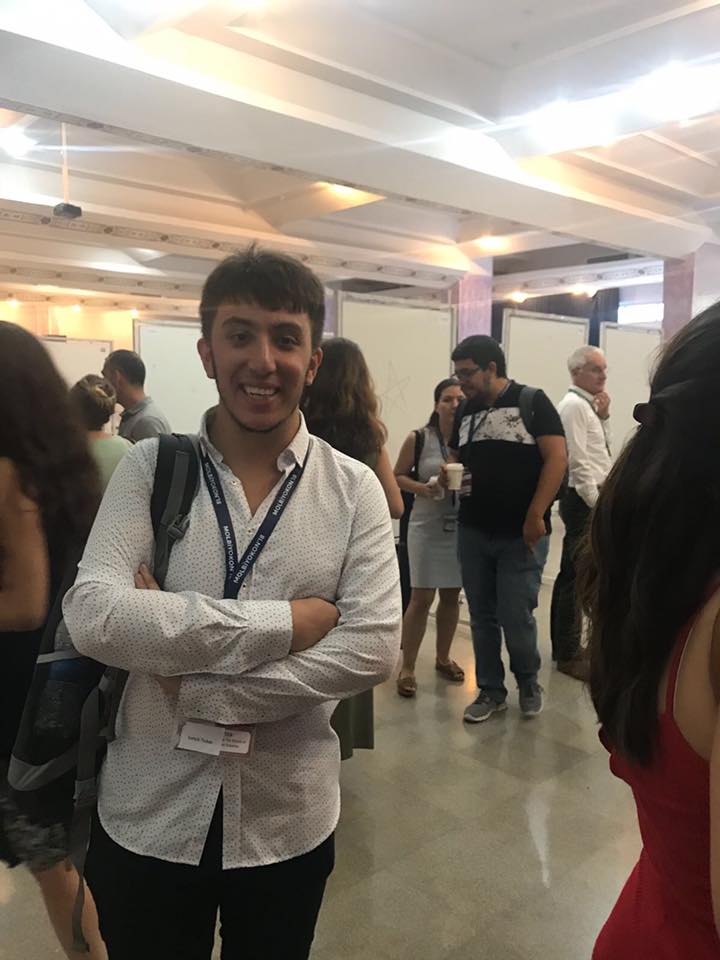
Name Surname Metehan Ilter
Position MSc Student
E-Mail -
Research Areas Molecular dynamics simulations, Structure-based virtual screening, Molecular Docking, GTPase cycle of RAS isoforms

Name Surname Zeynep Nur Cinviz
Position BSc Student
E-Mail [email protected]
Research Areas PARKIN, Molecular dynamics simulations