İstanbul has an underground water heritage route waiting to be discovered
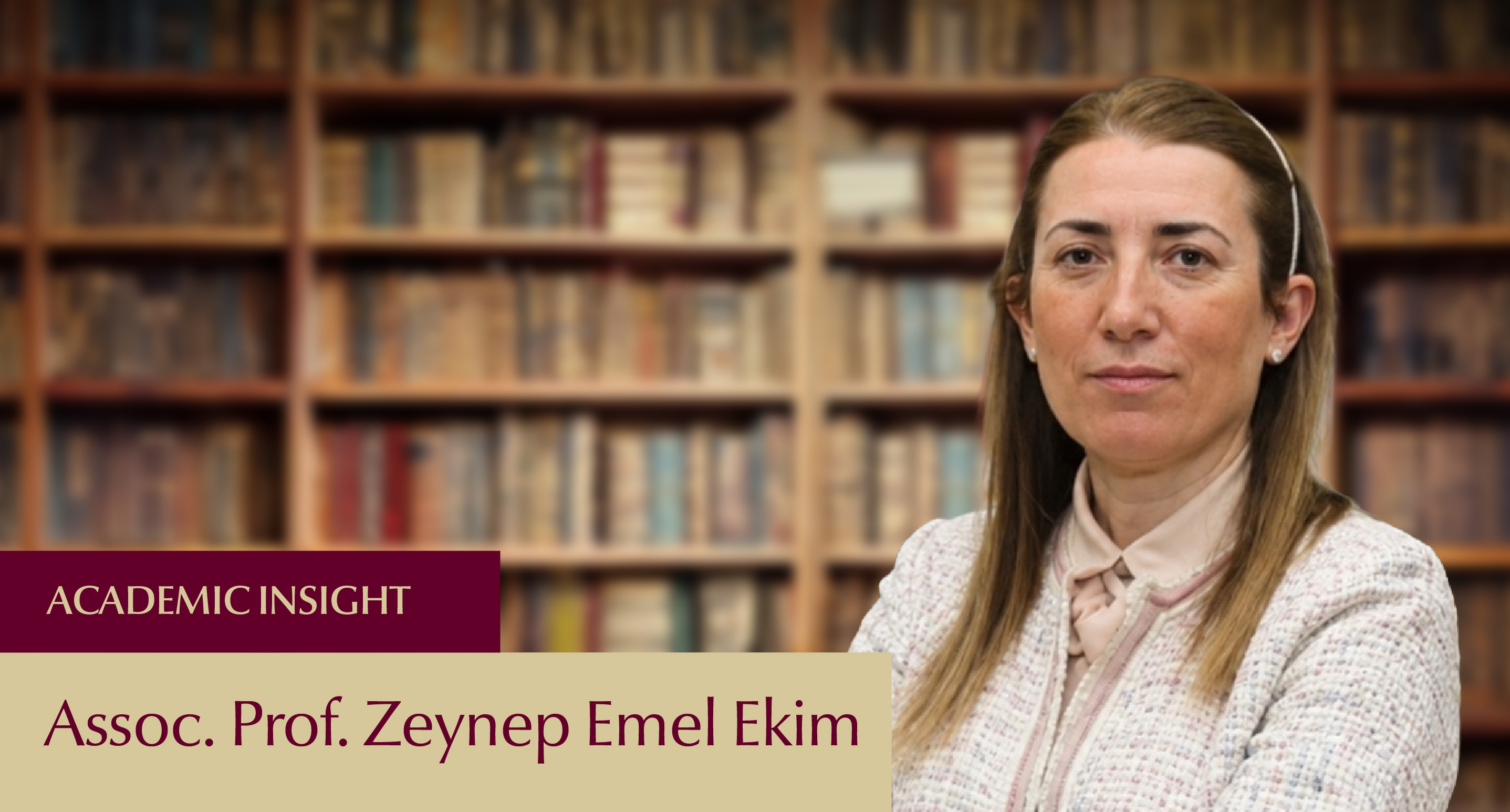
The Şerefiye Cistern stands out as one of the surviving structures built to meet Istanbul’s water needs over the centuries. Assoc. Prof. Zeynep Emel Ekim from the Architectural Restoration Program at Istanbul Medipol University Vocational School highlighted the importance of introducing the city’s underground heritage through a “water civilization” route and using cisterns for educational, cultural, and research purposes.
The cisterns of Istanbul’s Historic Peninsula offer insights into how the city’s water needs were met in the past. Built between 428 and 443 during the reign of Eastern Roman Emperor Theodosius II to store water conveyed through the Aqueduct of Valens (Bozdoğan Kemeri), the Şerefiye Cistern opened to visitors as a museum in 2018. Documenting the architectural characteristics of these structures and determining their contemporary uses according to their structural capacity are essential to their preservation.
In remarks published by Anadolu Agency (AA), Assoc. Prof. Zeynep Emel Ekim from the Architectural Restoration Program at Istanbul Medipol University Vocational School discussed the architectural characteristics of the cisterns on the Historic Peninsula and their significance in Istanbul’s water culture. Ekim also assessed the measures needed to preserve the city’s underground heritage through documentation, restoration, and adaptive reuse.
“İSTANBUL HAS MORE THAN A THOUSAND WATER-RELATED STRUCTURES”
Noting that population growth on the Historic Peninsula led to an increasing demand for water, Ekim explained that water conveyed from Belgrad Forest was collected in cisterns and water distribution chambers known as maksems.
Ekim stated that Istanbul has more than a thousand such structures when wells, underground chambers, water conduits, reservoirs, and storage tanks are taken into account, noting that almost every household once had its own well and water storage tank. Referring to monumental cisterns dating back to the Byzantine period, such as the Basilica Cistern, the Şerefiye Cistern, and the Binbirdirek Cistern, Ekim said, “Their number is believed to be close to or even exceed 100.”
Ekim explained that during the Ottoman period, water stored in cisterns was generally not preferred for drinking due to hygienic and religious considerations. Nevertheless, these structures were maintained and preserved through repairs, while the stored water was used for garden irrigation and as an emergency water supply for firefighting.
“CURVED WALLS COUNTERBALANCE WATER PRESSURE”
Discussing the architectural characteristics of the Şerefiye Cistern, Ekim noted that the structure, which bears no inscription, is dated to the first half of the fifth century. Measuring 24 by 40 meters and standing 11 meters high, the cistern contains 32 columns made of marble sourced from Marmara Island.
Ekim explained that the walls were constructed with a curved profile to counterbalance the pressure exerted when the cistern was filled with water. Referring to the specialized plaster used in cistern construction, Ekim stated, “This hydraulic plaster also ensures that the structure is watertight.”
“CISTERNS THAT CANNOT BE RESTORED MUST BE DOCUMENTED”
Ekim noted that an inventory of historic water structures had been compiled, with measured architectural drawings and laser scans produced for these structures. A substantial proportion of them have also been officially registered by the heritage conservation authorities.
Drawing attention to the fact that some cisterns lie beneath apartment buildings while others are located beneath roads, Ekim explained that property ownership, structural safety, and financial constraints make it difficult to restore all cisterns and bring them back into use.
Ekim emphasized that structures that cannot be restored must nevertheless be documented and digitally recorded through laser scanning.
“CISTERNS SHOULD BE USED FOR EDUCATIONAL, CULTURAL, AND RESEARCH PURPOSES”
Noting that Istanbul’s water infrastructure continued to develop through the Kırkçeşme water supply system constructed by architect Sinan during the Ottoman period and the subsequent Terkos water supply project, Ekim proposed establishing a “water civilization” heritage route extending from the historic dams in Belgrad Forest to aqueducts, water distribution chambers, and cisterns.
Addressing the contemporary use of cisterns, Ekim emphasized that events attracting large numbers of attendees should be avoided in these structures, warning that “Excessive heat and humidity also damage the structures.”
Ekim explained that small-scale concerts could be organized without placing excessive strain on the structures. Cisterns could also serve as digital experience centers or water museums, providing spaces in which the city’s history could be presented to visitors.
Ekim concluded by encouraging visitors to Istanbul to venture beyond familiar tourist routes and discover the city’s rich heritage as a water civilization.
Last Update : 25/11/2026 - 14:19