A record of surgery in the Ottoman Empire: Patient consent, fees, and liability
Patient consent declarations made before a court prior to surgery in the Ottoman Empire were examined at an event titled “Records of Surgical Interventions in Ottoman Documents”, held at Istanbul Medipol University. Featuring examples from the Ottoman court registers of Istanbul and Kayseri, the program explored the legal liability of surgeons, surgical fees, and the role of patients in treatment decisions.

The event, titled “Records of Surgical Interventions in Ottoman Documents” , was organized in collaboration with the Istanbul Medipol University Center for Legal History Research and Application (MÜHTAM), the Center for Traditional and Complementary Medicine Research and Application (GETTAM), and the Center for Health Systems and Policy Research and Application (SASPAM).
Drawing on examples from the Ottoman court registers of Istanbul and Kayseri, the program examined how preoperative patient consent was documented, how treatment fees were determined, and under what circumstances surgeons were held legally liable in the Ottoman Empire. Speakers also addressed the role of female surgeons in healthcare during the period and compared consent declarations made before a court with contemporary practices for informing patients and obtaining their consent.
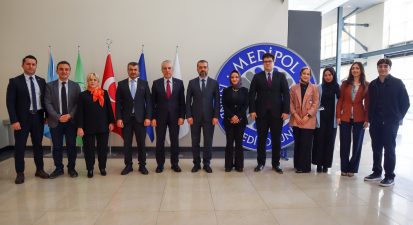
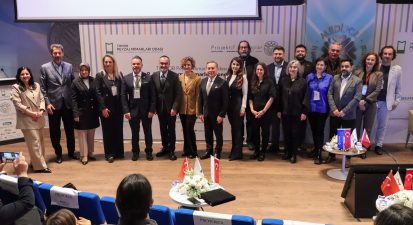
Held at the South Campus Conference Hall, the event was attended by Dr. Coşkun Yılmaz, Deputy Minister of Culture and Tourism of the Republic of Türkiye; Assoc. Prof. Abdurrahman Çetin, Secretary General of Istanbul Medipol University; Prof. Mehmet Âkif Aydın, faculty member at Istanbul Medipol University School of Law; Prof. Sabahattin Aydın, faculty member at the School of Medicine; Prof. Mehmet İpşirli, faculty member at the School of Humanities and Social Sciences; and Assist. Prof. Mahmut Tokaç from the School of Medicine, alongside other academics and students.
YILMAZ: TO ASSESS A STATE’S LEVEL OF DEVELOPMENT, LOOK AT ITS APPROACH TO HEALTHCARE
Delivering the opening address, Dr. Coşkun Yılmaz, Deputy Minister of Culture and Tourism of the Republic of Türkiye, explained that the two-volume work Healthcare in the Ottoman Empire (Osmanlılarda Sağlık) had been prepared to make archival documents on Ottoman medical history accessible to researchers. Noting that one volume was devoted entirely to archival documents, Yılmaz stated that the research had uncovered dozens of surgical consent documents in Ottoman court registers and archives.
“If you want to assess the level of development of a state or a nation, look at its relationship with healthcare.” Yılmaz said, highlighting the importance of healthcare services in society and citing the Haseki and Nurbanu Sultan hospitals (darüşşifas) as examples.
Yılmaz explained that charitable foundation deeds specified the qualifications required of physicians and other healthcare personnel, their professional responsibilities, and the principles governing the provision of healthcare services.
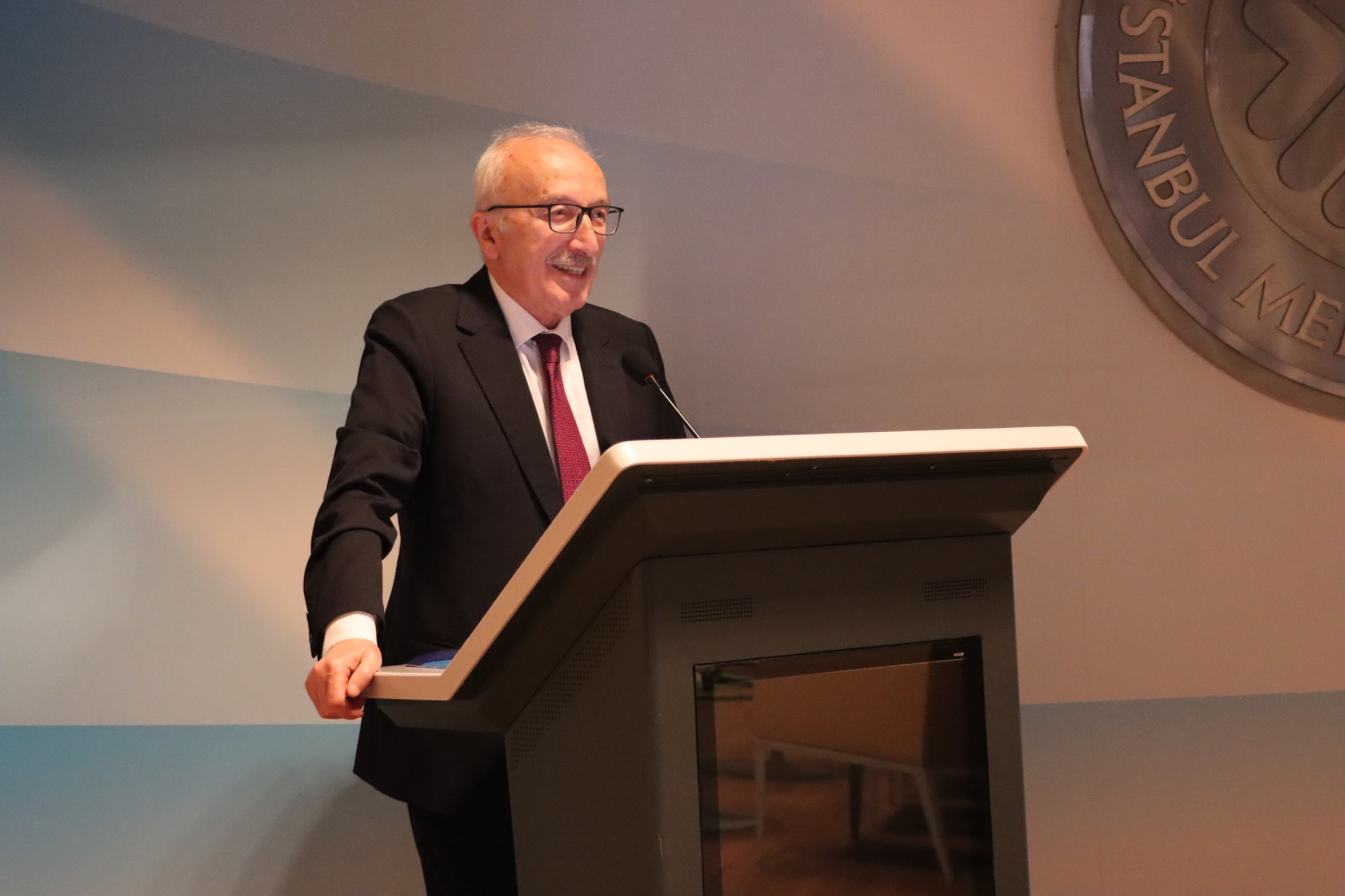
PROF. M. ÂKİF AYDIN: IN CASES OF WRONGFUL ACTS RESULTING IN DEATH, THE RIGHT TO SEEK PUNISHMENT OR COMPENSATION BELONGS TO THE HEIRS
Prof. Mehmet Âkif Aydın, faculty member at Istanbul Medipol University School of Law, explained that the publication project, which had initially focused on the Üsküdar court registers, was subsequently expanded to include records from Istanbul, Galata, and Eyüp.
Aydın stated that a search for the word “hernia” across 100 volumes transcribed into the Latin alphabet and made available online had yielded 15 surgical records. The earliest consent record he encountered dated back to 1639.
Aydın explained that, in some records, patients declared that they had voluntarily consented to surgery and requested that their heirs refrain from seeking compensation from the surgeon if the procedure resulted in death.
Discussing the legal framework of the period, Aydın stated, “Under Islamic law, in cases of wrongful acts resulting in death, the right to seek punishment or compensation belongs to the heirs.” He emphasized the significance of patient declarations in determining surgeons’ legal liability.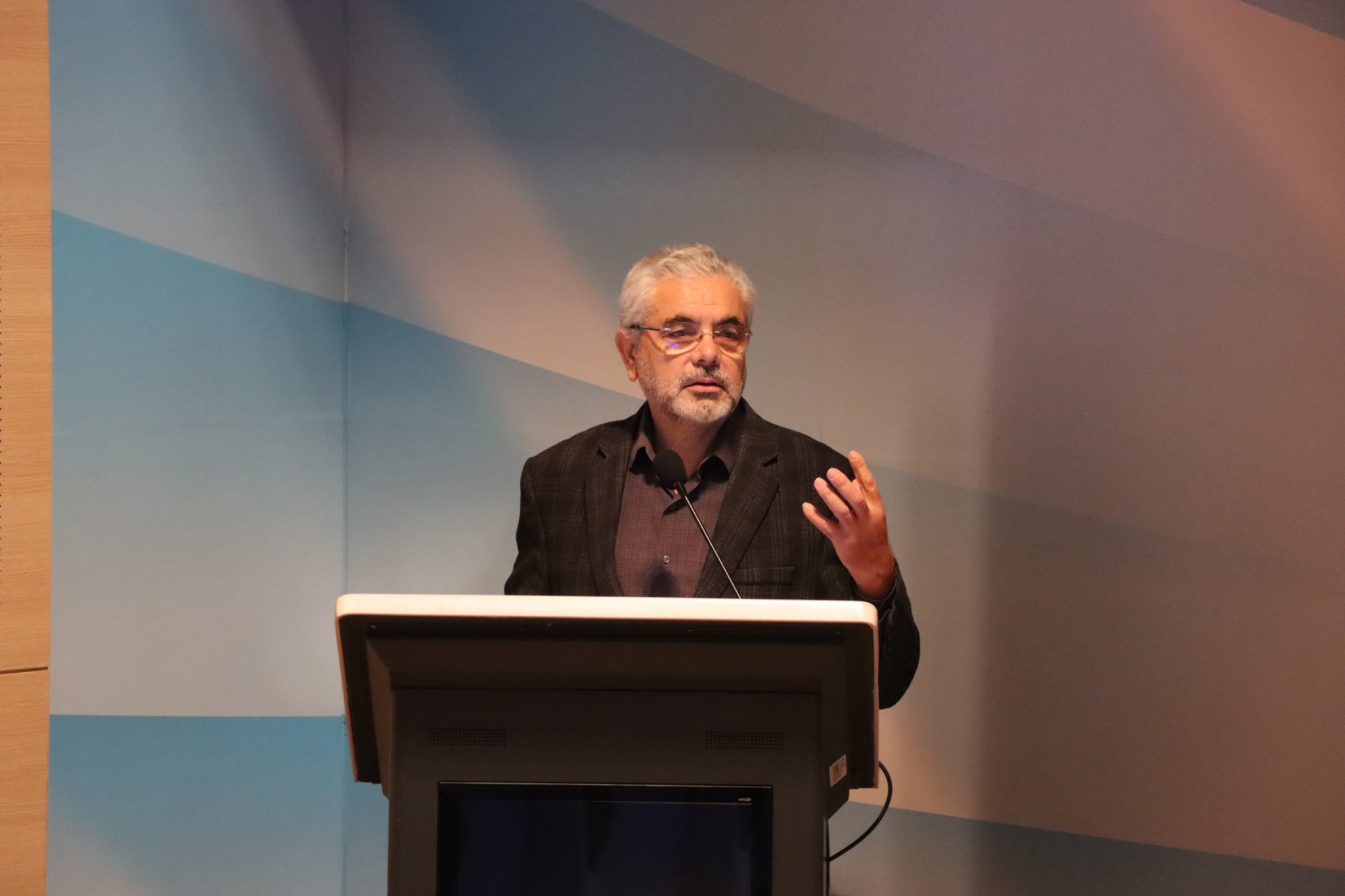
PROF. SABAHATTİN AYDIN: MEDICAL ETHICS WERE, IN FACT, DOCUMENTED
Prof. Sabahattin Aydın, faculty member at Istanbul Medipol University School of Medicine, noted that surgeons in the Ottoman Empire were trained under experienced practitioners and received certificates of mastery after passing practical examinations.
Examining records of surgical interventions for hernias, bladder stones, and cataracts, Aydın explained that the court registers also contained the names of female surgeons, including Saliha Hatun, Hatice Cerraha, and Meryem Cerraha.
Citing a modern Turkish rendering of an Üsküdar court record dated April 1700, Aydın shared the declaration made before the court by Seyyid Ömer Çelebi:
“I entered into an agreement with Saliha Hatun to treat my hernia by making a surgical incision, in return for a surgical fee of 300 akçe.”
Aydın explained that the record also stated that Ömer Çelebi had requested that his heirs refrain from bringing legal action against Saliha Hatun should he lose his life during a procedure performed in accordance with established surgical principles.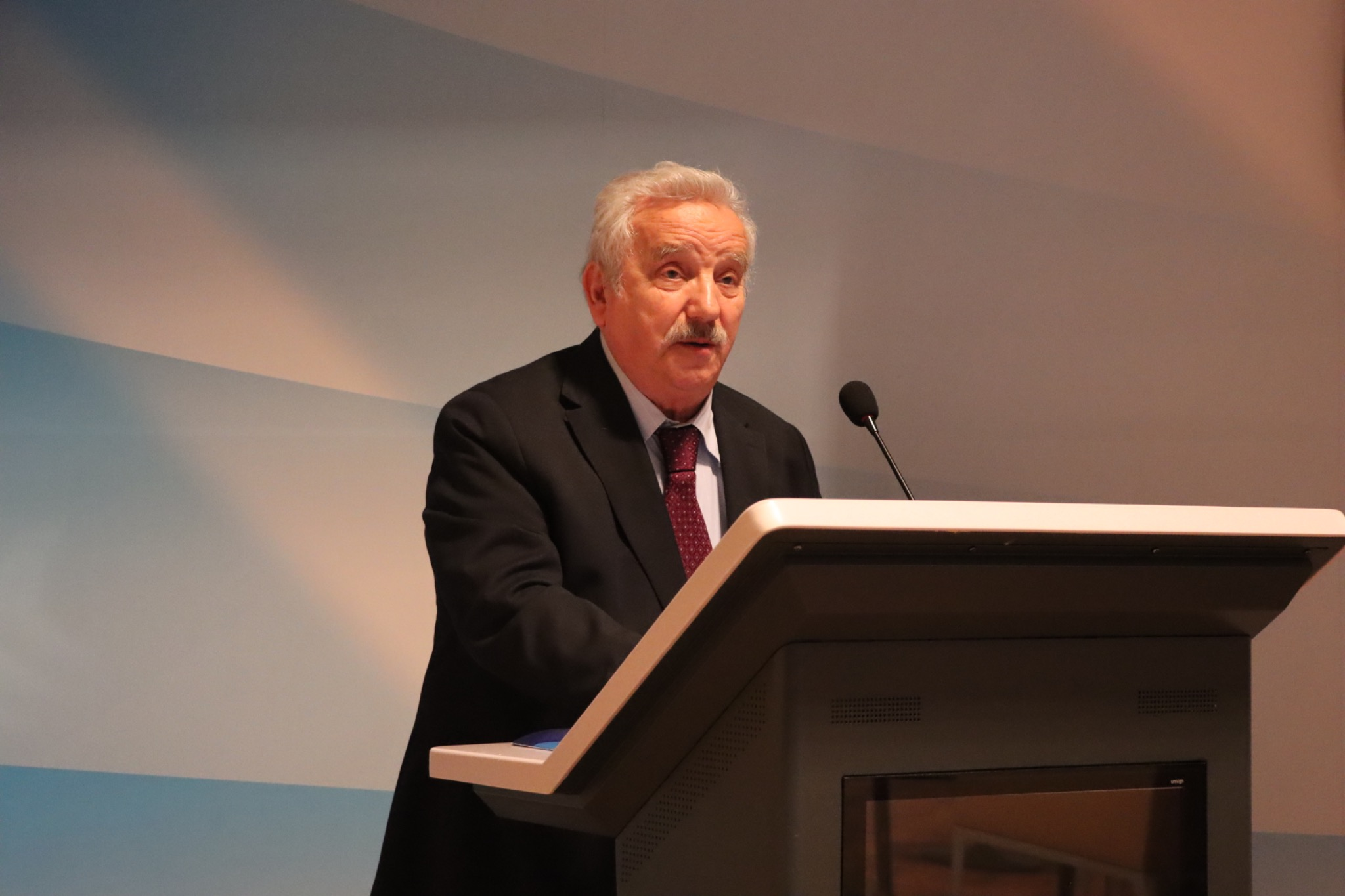
PROF. İPŞİRLİ: FEES MUST BE INTERPRETED IN LIGHT OF THEIR LEGAL NATURE
Prof. Mehmet İpşirli, faculty member at Istanbul Medipol University School of Humanities and Social Sciences, stated that the Kayseri court registers he had examined documented fees ranging from 6 to 15 kuruş for hernia surgery and from 7 to 15 kuruş for bladder stone surgery.
Citing a record dated May 1677, İpşirli explained that Hüseyin bin Osman, a resident of the Hunat neighborhood, had agreed to pay the surgeon Dimitri 10 kuruş for the treatment of a left inguinal hernia.
İpşirli noted that, in addition to surgical fees, the court registers documented compensation paid following improper medical interventions and sums allocated to cover treatment expenses.
Referring to a record concerning an individual named Bedros, İpşirli stated, “The daily allowance of 10 akçe allocated to Bedros was established as a payment intended to cover living expenses, medication, and physicians’ fees collectively.”
ASSIST. PROF. TOKAÇ: ADEQUATE DISCLOSURE IS THE ONLY WAY TO ADDRESS INFORMATION ASYMMETRY
Assist. Prof. Mahmut Tokaç from Istanbul Medipol University School of Medicine emphasized that patients must have sufficient information to make decisions about their treatment.
“Adequate disclosure is the only way to address information asymmetry." Tokaç said, underscoring that physicians must explain the risks of the proposed intervention, alternative treatment options, and the potential consequences of refusing treatment. Identifying the practice of asking patients to sign consent forms at the entrance to the operating room as a common procedural error, Tokaç summarized the appropriate process as follows: “First, provide verbal information, then obtain the signed consent form.”
Tokaç also reiterated that one copy of the consent form must be retained by the healthcare institution, while the other must be provided to the patient or their legal representative.
Last Update : 24/11/2026 - 16:23