New medical education models for future physicians discussed at Medipol
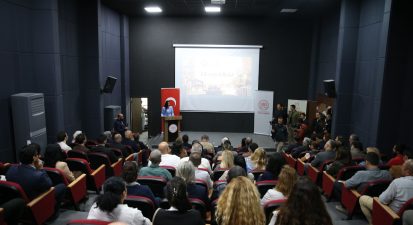
The “Training Physicians in the Age of Artificial Intelligence: New Medical Education Models and the Profile of Future Physicians Stakeholder Meeting” held at Istanbul Medipol University, explored educational models that bring medicine and engineering together. The meeting emphasized the goal of training physicians who can use artificial intelligence critically and ethically while developing technological solutions to clinical needs.
Today's medical students may find themselves working with technologies that did not exist during their education by the time they graduate. As artificial intelligence plays an increasingly important role in diagnosis and treatment, the question of how to prepare physicians for this transformation is becoming more significant. New educational models emphasize not only the ability to use technology but also the importance of critically evaluating its results and safeguarding patient safety.
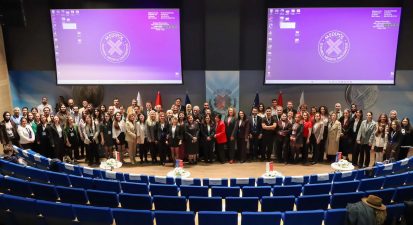
Istanbul Medipol University's School of Medicine and International School of Medicine brought these issues to the forefront at the “Training Physicians in the Age of Artificial Intelligence: New Medical Education Models and the Profile of Future Physicians Stakeholder Meeting.”
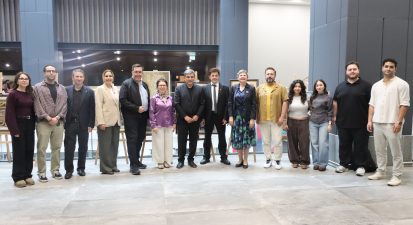
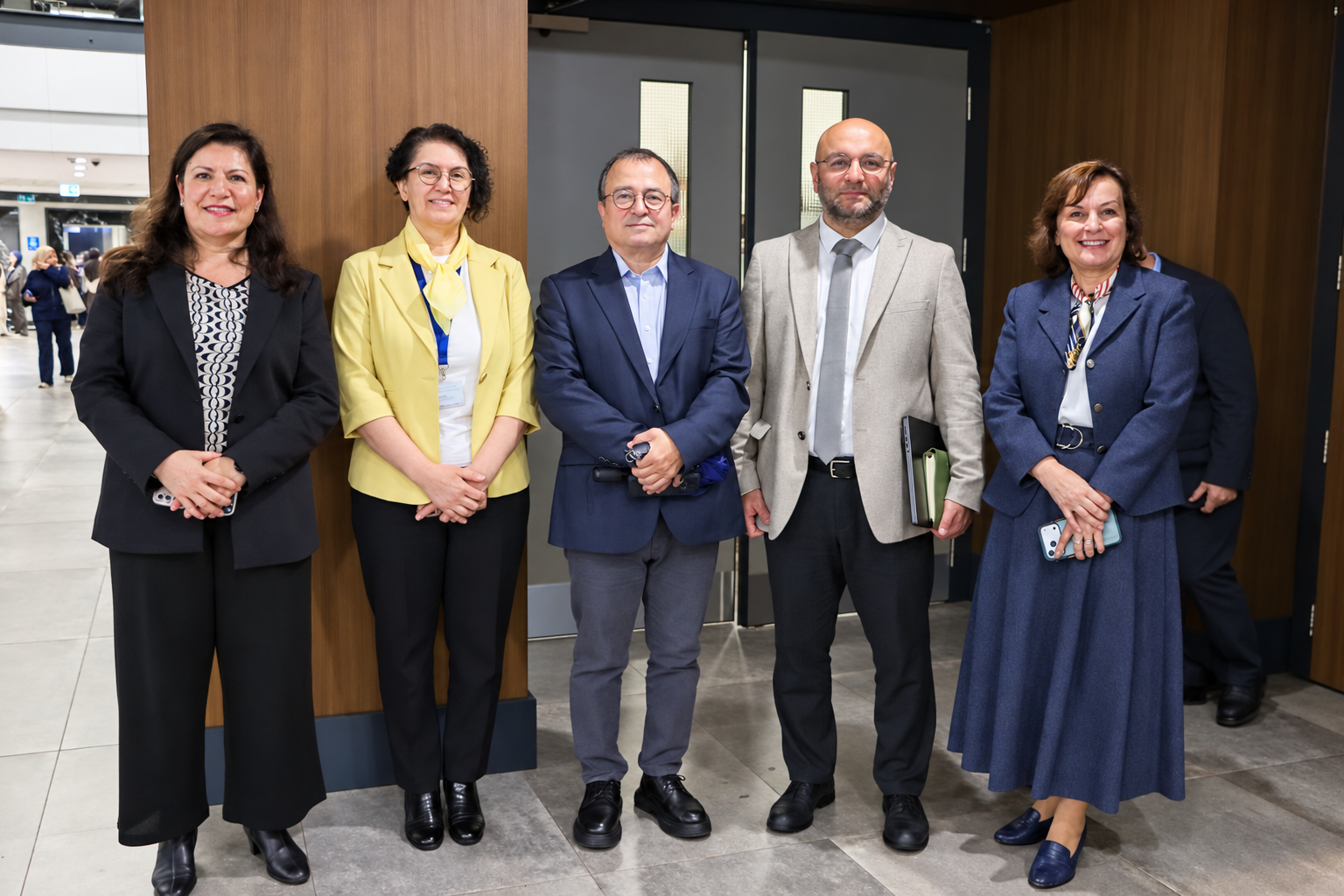
Held at the South Campus Conference Hall, the meeting was attended by Prof. Abdulkadir Ömer, Dean of the International School of Medicine; Prof. Aslı Çakır, Dean of the School of Medicine; Prof. Zübeyir Bayraktaroğlu, Vice Dean of the International School of Medicine; Prof. Ayşegül Çopur Çiçek, Vice Dean of the School of Medicine; and Prof. Levent Altıntaş, a faculty member at Acıbadem Mehmet Ali Aydınlar University School of Medicine, alongside academics and students. During the meeting, the two schools presented the educational models they are currently developing. 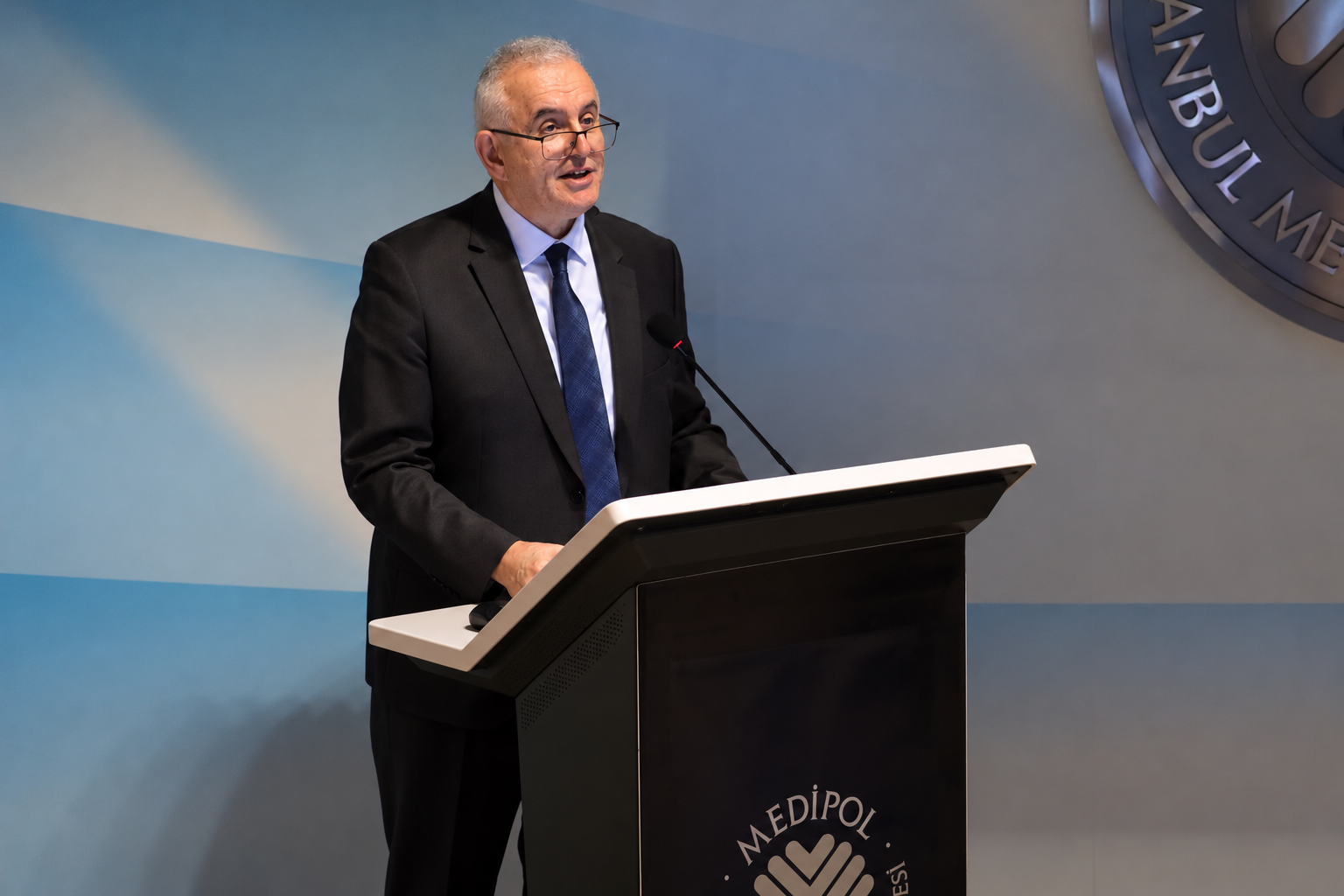
A CURRICULUM BRINGING MEDICINE AND ENGINEERING TOGETHER
Delivering the opening speech, Prof. Abdulkadir Ömer, Dean of the International School of Medicine, highlighted the use of artificial intelligence in medical imaging, clinical decision support, and personalized treatments.
Drawing on students' experiences in double-major programs, Ömer explained that they were developing a curriculum that would allow students to pursue medicine and engineering together. He emphasized that the proposed model would preserve the core competencies of medical education.
Ömer also noted that patient privacy and data confidentiality would be among the program's priorities.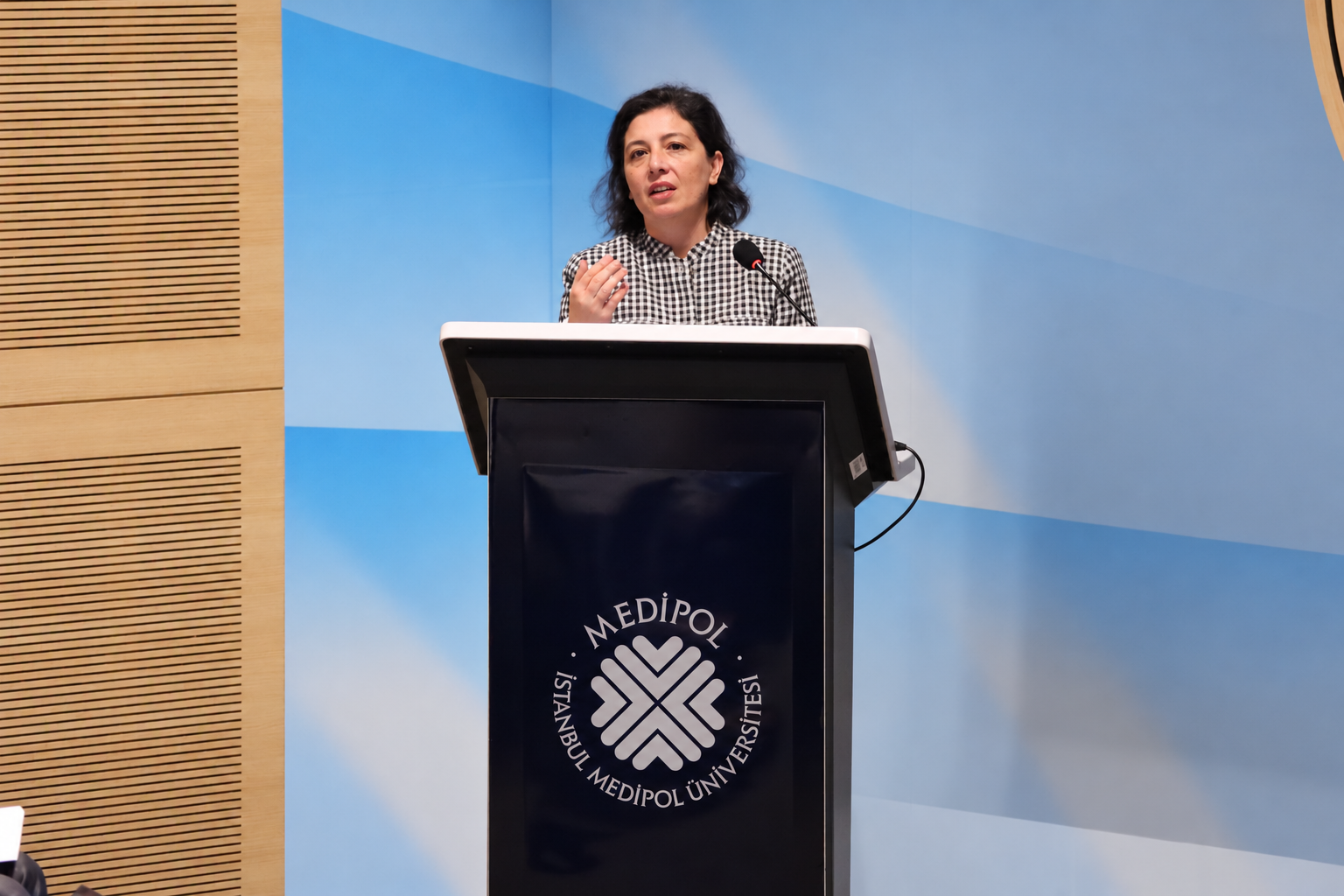
LEARNING WITHOUT DELEGATING THINKING TO ARTIFICIAL INTELLIGENCE
Prof. Aslı Çakır, Dean of the School of Medicine, stated that digital archives, remote consultations, and clinical decision support systems are transforming medical practice.
To prepare students for these changes, Çakır announced that they were developing a program through which graduates could earn a certificate in artificial intelligence in healthcare alongside their medical degree.
Explaining that the program aims to teach students not only where technology can be applied but also where it may produce inaccurate results, Çakır emphasized the importance of maintaining critical thinking skills without delegating reasoning to artificial intelligence.
She also highlighted the need for future physicians to develop a shared language with technology developers to facilitate interdisciplinary collaboration.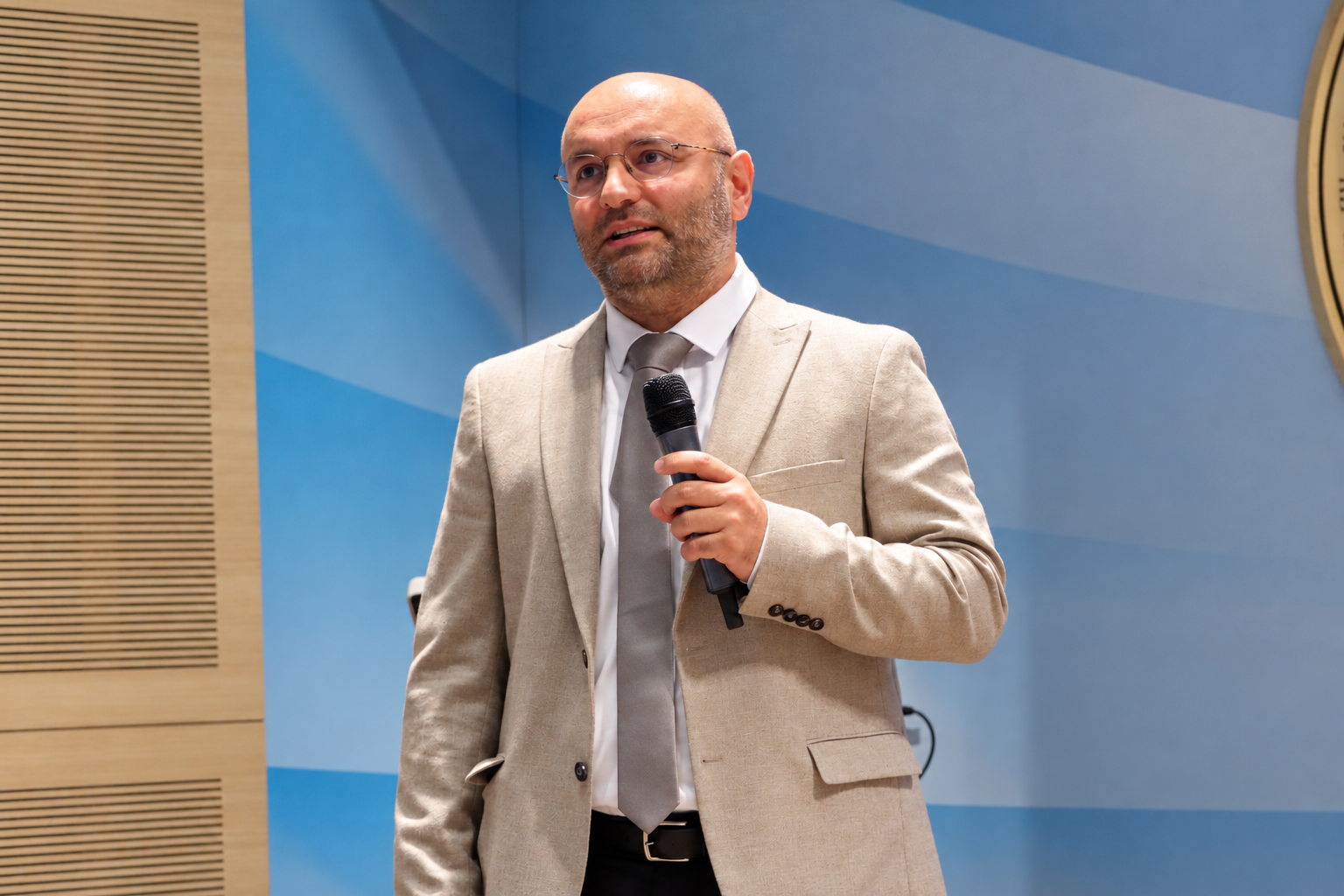
TECHNOLOGICAL SOLUTIONS TO CLINICAL NEEDS
Prof. Zübeyir Bayraktaroğlu, Vice Dean of the School of International Medicine, explained that the proposed physician-engineer approach aims to train graduates who can identify clinical needs and develop solutions to address them. Bayraktaroğlu stated that the 11 competencies identified within this framework would be further developed through stakeholder feedback before being incorporated into the curriculum.
He also noted that revisions focusing on technology and artificial intelligence had already begun in first- and second-year courses.
For students who do not intend to pursue a double degree, the School is also planning an educational pathway centered on the critical and ethical use of artificial intelligence.
AI EDUCATION TO BE INTEGRATED INTO MEDICAL COURSES
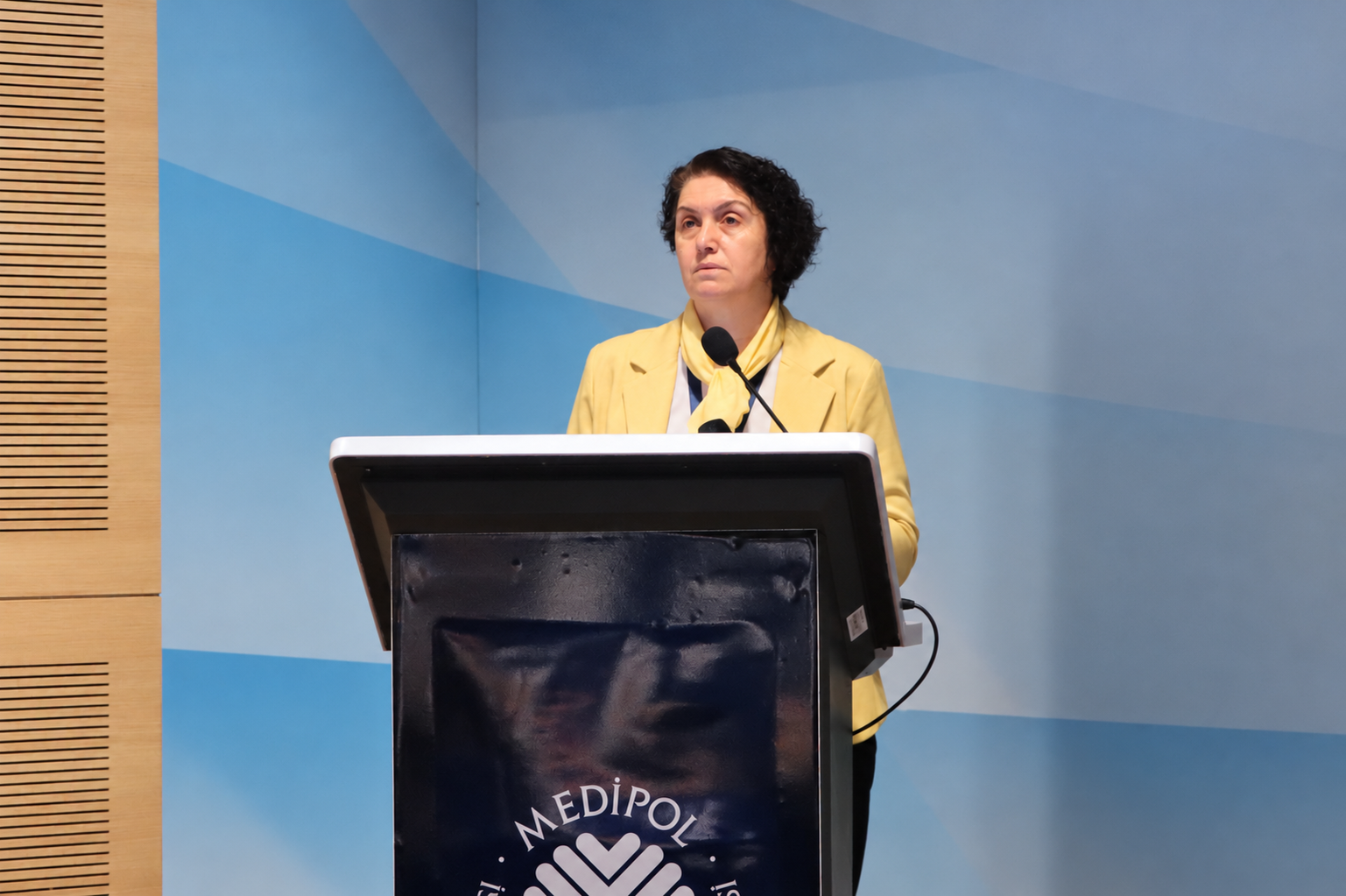
Prof. Ayşegül Çopur Çiçek, Vice Dean of the School of Medicine, stated that the School was evaluating elective courses, minor programs, and certificate options while taking student numbers and existing course workloads into consideration.
Emphasizing that the goal is to integrate artificial intelligence education into medical courses, Çopur Çiçek explained that the program is being developed with contributions from the School of Engineering and Natural Sciences, the Distance Education Center, relevant academics, and graduates who have completed double-major programs.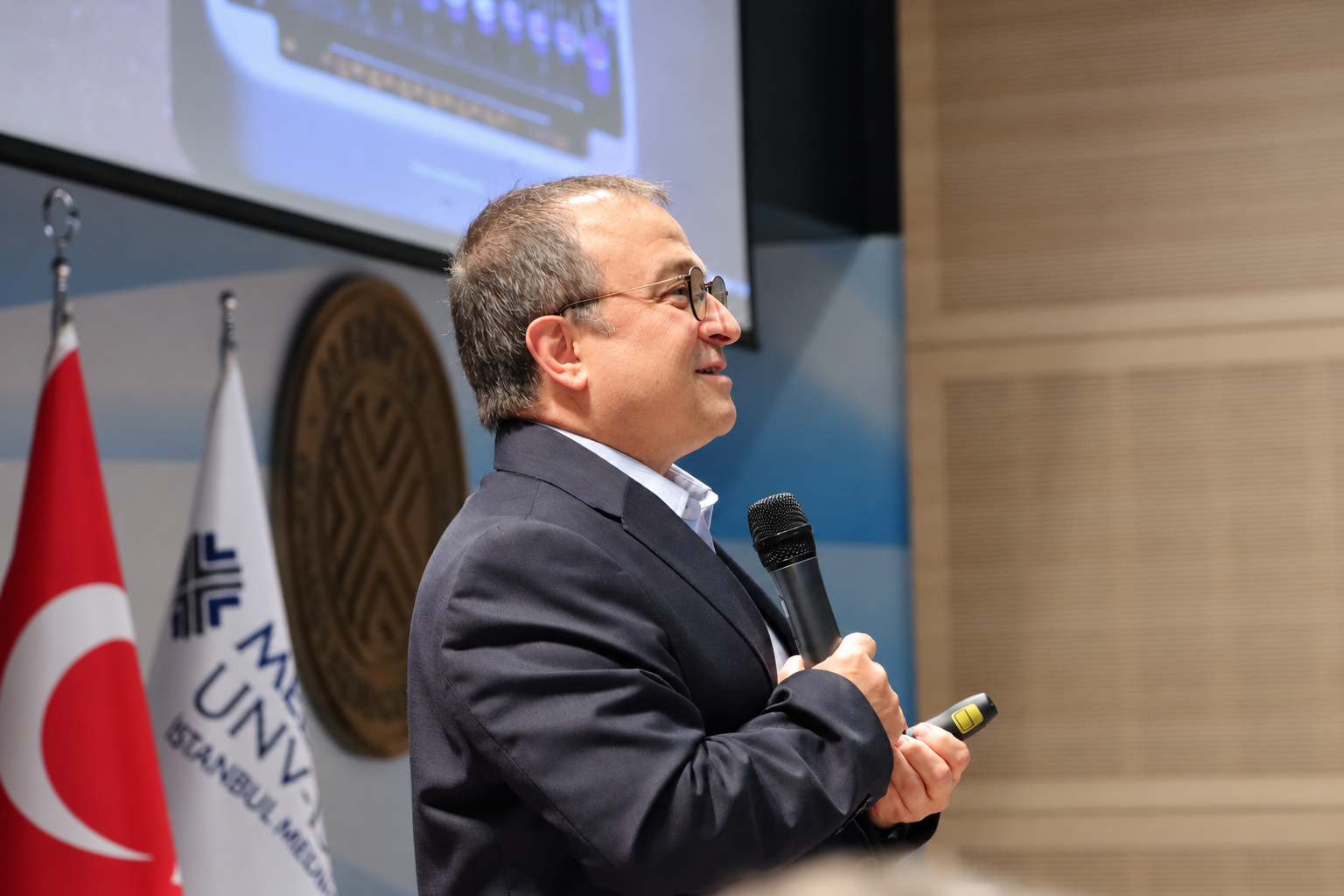
EXCESSIVE RELIANCE ON ARTIFICIAL INTELLIGENCE MAY WEAKEN CLINICAL SKILLS
Prof. Levent Altıntaş of Acıbadem Mehmet Ali Aydınlar University School of Medicine, speaking on “New Medical Education Models, AI-Assisted Learning, and Medical Practice” emphasized that access to information alone is insufficient for developing practical skills.
Altıntaş stated that medical education should place greater emphasis on hands-on experience, collaboration, analytical thinking, and self-directed learning.
Warning that excessive reliance on artificial intelligence could weaken physicians' clinical skills and lead them to accept inaccurate results as correct, Altıntaş also recommended revising assessment and evaluation methods to better support the learning process.
The proposed educational models are expected to be further developed through additional stakeholder meetings scheduled throughout the year.
Last Update : 19/10/2026 - 11:26