Medipol becomes a global meeting point for the 6G world
WWRF Huddle 2026, which explored the technological, societal, and global dimensions of next-generation wireless communications, was held at Istanbul Medipol University. During the international gathering, experts discussed the opportunities offered by a connected world shaped by 6G, as well as critical challenges that remain to be addressed.
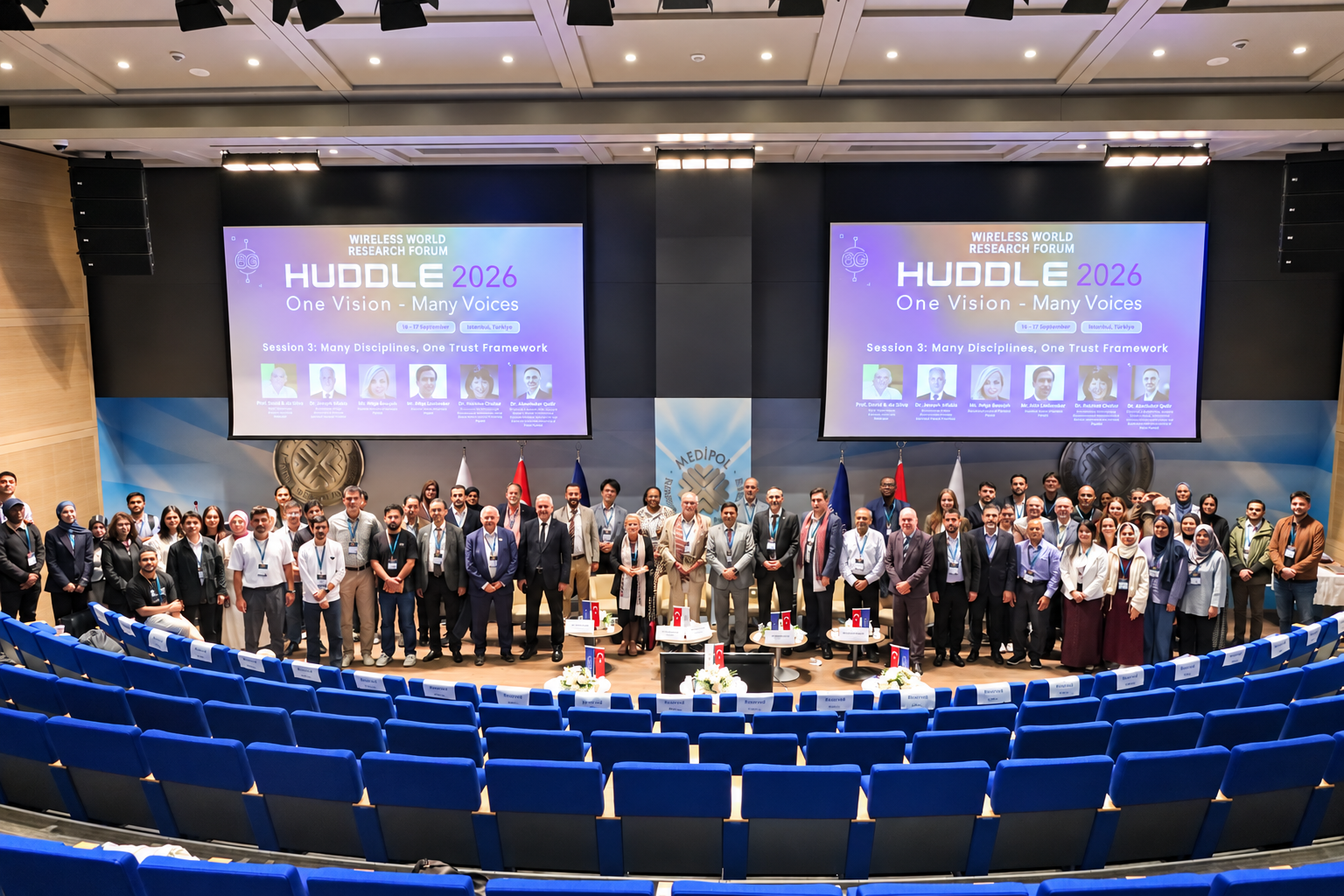
Hosted by Istanbul Medipol University School of Engineering and Natural Sciences and organized by the Wireless World Research Forum (WWRF), WWRF Huddle 2026 was held on September 16–17 at the South Campus Conference Hall. The event brought together academics, researchers, industry representatives, and representatives of public institutions and regulatory bodies in Istanbul.
Held under the theme “One Vision – Many Voices: Reaping the Rewards from Intelligent, Sustainable Networks” the two-day program addressed the global vision and standards for 6G, regional roadmaps, next-generation network architectures, spectrum policies, and artificial intelligence-enabled networks. The sessions also explored security and trust frameworks, the integration of satellite and non-terrestrial networks into 6G, use cases for next-generation connectivity technologies, and sustainable digital transformation.
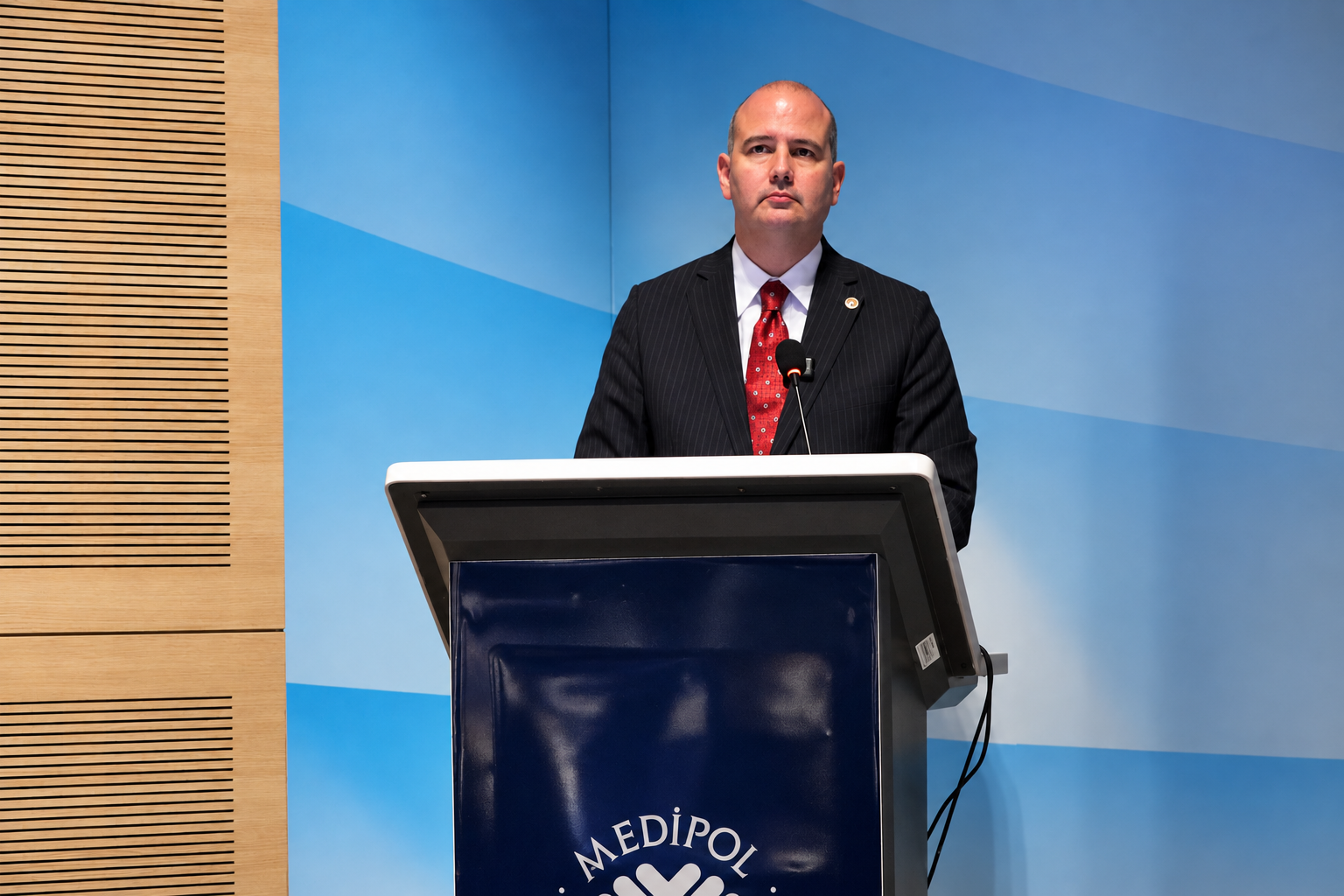
İLERİ: 6G TECHNOLOGY WILL TRANSFORM THE ROLE OF COMMUNICATION NETWORKS
Delivering the opening address, Dr. Ömer İleri, Deputy Chairman of the AK Party, responsible for Information and Communication Technologies and Member of Parliament for Ankara, said that his experience in wireless communication technologies across academia, the public sector, and the private sector had led him to one fundamental conclusion: “6G is more than 6G.” Emphasizing that 6G is not merely a technical transformation, İleri stated that it has also become a domain in which discussions surrounding technology, policy, and the emerging global order are taking shape. “6G technology will transform the role of communication networks.” İleri said.
Pointing out that with 6G, networks will not only transmit data but will also acquire sensing and computing capabilities, İleri said that integrated sensing and communication (ISAC) and artificial intelligence embedded within networks will drive significant change. He noted that artificial intelligence could cease to be an additional layer added to the system and instead become an integral part of the network itself.
“6G STANDARDS WILL HAVE CONSEQUENCES BEYOND TECHNICAL DECISIONS”
İleri stated that the new capabilities of 6G would also raise questions surrounding privacy and governance, noting that a network capable of sensing a drone could also detect a person. For this reason, he emphasized that standardization should not be regarded solely as a technical process.
Pointing out that governance choices embedded in standards can be difficult to alter later through legislation, İleri stressed that the values intended to shape 6G should be discussed while the standards themselves are being developed. He added that Türkiye aims to participate in discussions on 6G not merely as a country that adopts and uses the technology, but as an actor that actively contributes to the process.
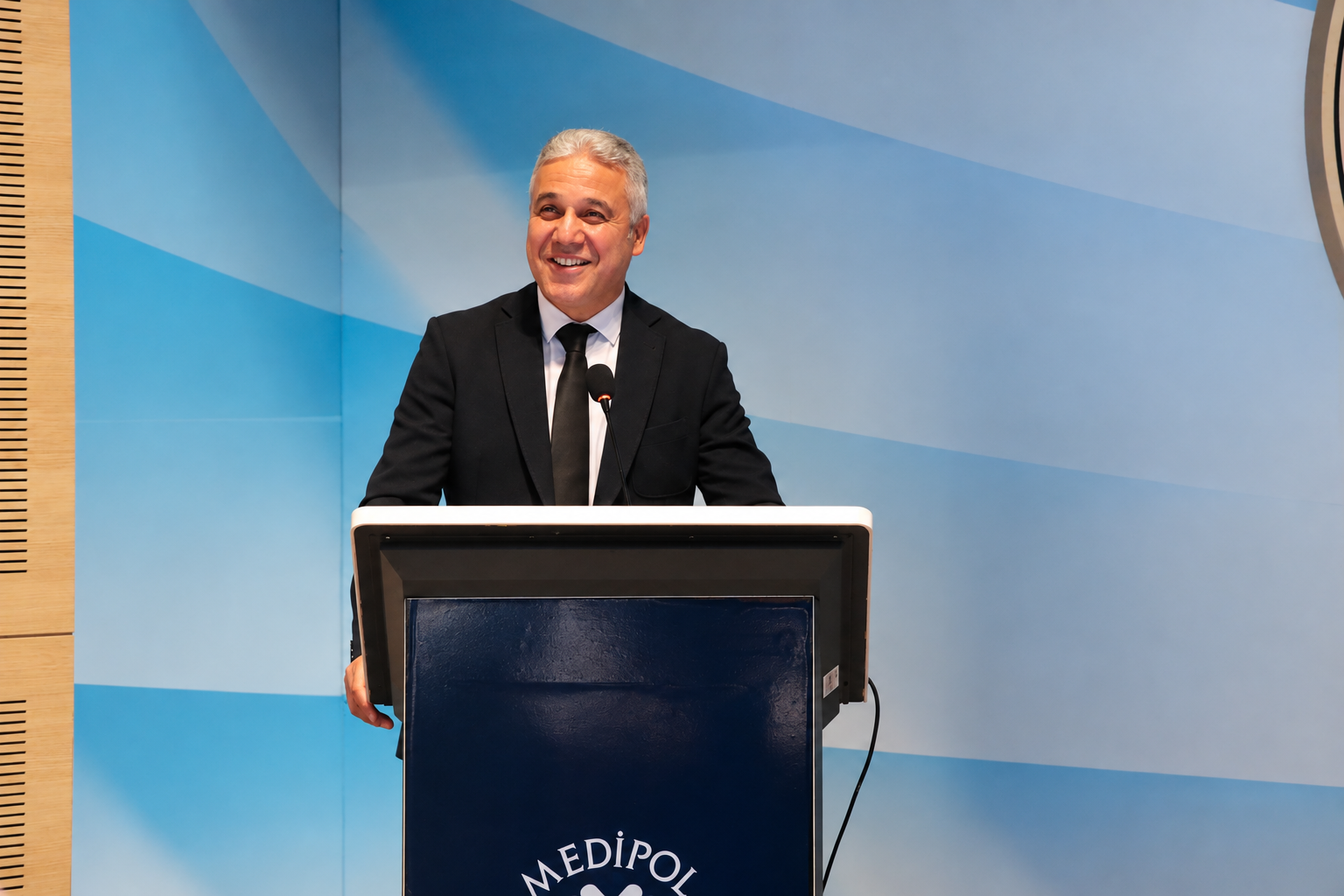
PROF. ARSLAN: WE AIM TO BRING ACADEMIA, INDUSTRY, AND THE PUBLIC SECTOR TOGETHER
Speaking at the opening of the event, Prof. Hüseyin Arslan, Dean of Istanbul Medipol University School of Engineering and Natural Sciences, expressed his pleasure at hosting WWRF Huddle 2026. Noting that the event brought together universities from Türkiye and other countries alongside representatives from industry, public institutions, and regulatory bodies, Arslan said this diversity reflected the structure of WWRF Huddle as a platform connecting academia, industry, and the public sector.
In his assessment following the event, Arslan stated that their aim was to create an ecosystem and raise awareness by bringing together academics from different universities, representatives of the communications industry, and various institutions. He noted that the 6G conferences they had previously organized were primarily focused on Türkiye, whereas WWRF Huddle had a more international scope.
“6G SECURITY IS NO LONGER LIMITED TO PROTECTING DATA”
Addressing the security dimension of 6G in subsequent conference sessions, Arslan explained that from 1G through 5G, security in commercial communication systems had largely relied on cryptography-based approaches. In next-generation systems, however, he said that not only information but also the physical communication link and the transmitted signal itself would need to be protected. Noting that sensing, artificial intelligence, and Non-Terrestrial Networks (NTN) will become increasingly prominent in 6G, Arslan emphasized that applications requiring low latency and high reliability, particularly remote surgery and autonomous vehicles, will make communication security even more critical.
Arslan stated that with 6G, radio-frequency signals will move beyond communication and become tools capable of sensing the surrounding environment. He noted that the ability of these signals to detect not only location and movement information but also data such as heartbeats or brain signals could create new privacy risks. He therefore emphasized the critical importance of protecting signals against unauthorized sensing and interference.
Pointing out that artificial intelligence can be used both to improve communication and sensing systems and to attack them, Arslan said intelligent detection and defense mechanisms would be needed to counter threats such as smart jamming, spoofing, and eavesdropping. He added that personalized and adaptive signals will become increasingly important in the future and emphasized the need to develop methods that ensure only the intended recipient can decode transmitted data.
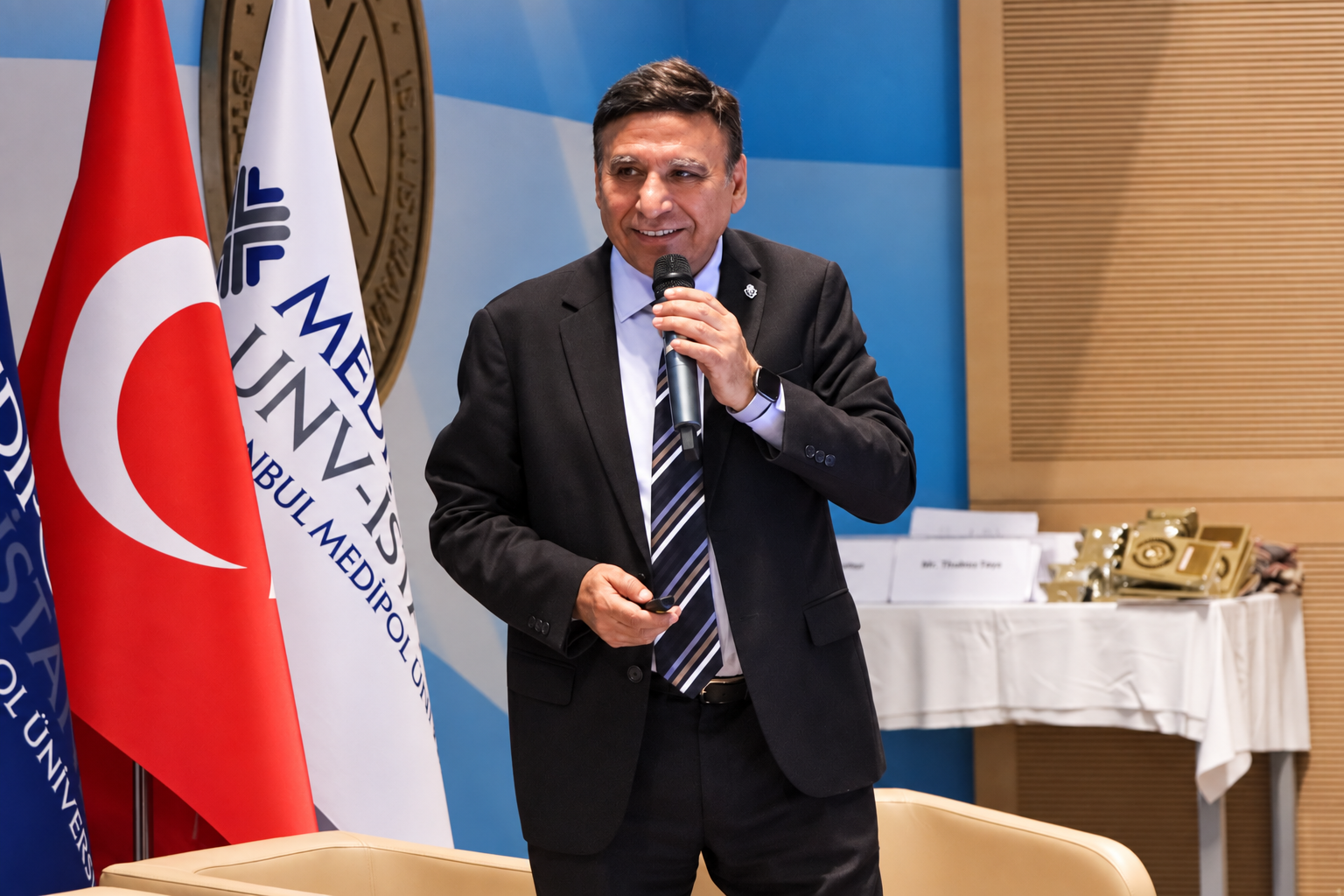
BHATIA: WWRF BRINGS THE ENTIRE ECOSYSTEM TOGETHER ON A SINGLE PLATFORM
Bharat Bhatia, President and CEO of the ITU-APT Foundation of India (IAFI) and Vice Chair of the Wireless World Research Forum (WWRF), stated that WWRF Huddle events are held in different regions around the world and described the organization as a global platform that brings together researchers, academia, industry, public institutions, regulatory authorities, and other stakeholders across the ecosystem.
Bhatia said that WWRF’s ability to bring different stakeholders together on a common platform is one of the organization’s distinguishing features. He noted that Huddle events had previously been held in locations including Brazil, London, Mexico, Japan, India, and South Africa, adding that he was pleased that Istanbul Medipol University was hosting this year’s event.
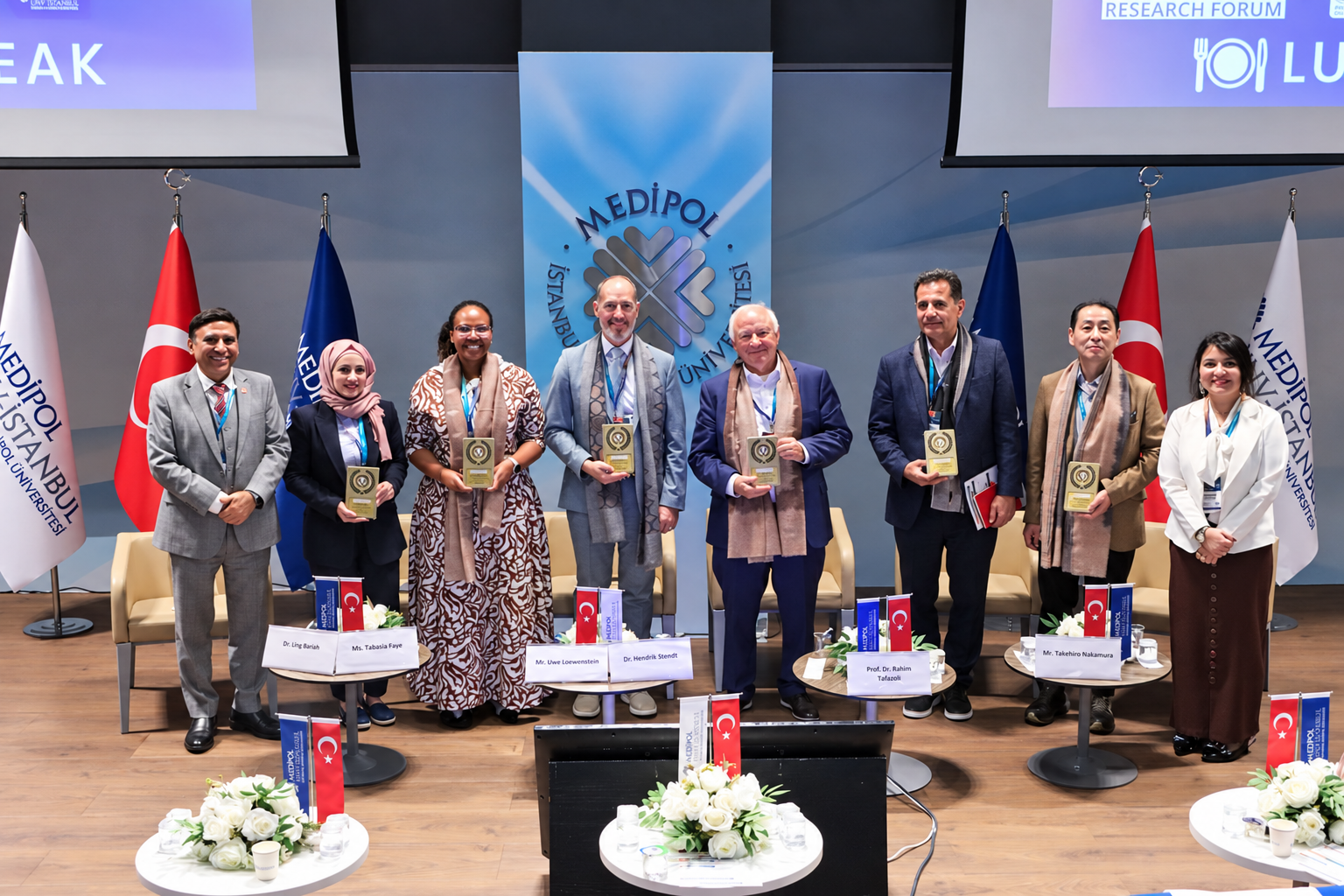
THE GLOBAL ROADMAP FOR 6G WAS DISCUSSED OVER TWO DAYS
Throughout the two-day WWRF Huddle 2026, different sessions explored how 6G is taking shape not merely as a faster mobile communication technology, but as a new communications ecosystem bringing artificial intelligence, sensing, security, spectrum, satellite systems, standards, and policy together within a common framework.
On the first day of the program, the opening session entitled “One Vision for 6G: Where the World Is Heading” was followed by discussions on global 6G standards, trials and regional roadmaps, the integration of different technologies within a common architecture, and frameworks for trust. On the second day, discussions focused on policy and spectrum for an inclusive 6G world, the integration of terrestrial and non-terrestrial networks, satellite systems, and a range of 6G use cases.
Last Update Date: 21/09/2026 - 14:43