Hatay’s rich craft heritage carried into the future by Medipol’s young designers
Istanbul Medipol University has developed more than 100 original product concepts through a project aimed at supporting artisans in Hatay affected by the February 6 earthquakes and preserving the city’s cultural heritage for future generations. Bringing traditional craftsmanship together with contemporary design and technology, the project also led to the creation of HATRA, a brand designed to introduce Hatay’s craft heritage to national and international markets.
The earthquakes of February 6, 2023, damaged not only buildings and infrastructure in Hatay but also the city’s centuries-old culture of craftsmanship and production. For many artisans who lost their workshops, continuing traditional crafts and passing their expertise on to future generations became a major challenge. To help preserve Hatay’s craft heritage and revitalize local production, Istanbul Medipol University developed a project centered on design and technology.
The project, titled “Technology-Assisted Design Approaches in Hatay Craftsmanship” was carried out by the Department of Industrial Design at the School of Fine Arts, Design and Architecture, with support from the University’s Social Contribution Commission. Implemented in cooperation with the Hatay Governor’s Office and Hatay Culture and Arts Bazaar, the initiative began in March 2026. Throughout the project, academics and students worked alongside local artisans to reinterpret traditional production techniques through contemporary design methods.
TRADITIONAL CRAFTSMANSHIP MEETS THE CREATIVITY OF YOUNG DESIGNERS
At the heart of the project is an approach based on mutual learning that goes beyond the traditional master-apprentice relationship. Described as “Post-Craft” this approach brings together artisans’ extensive knowledge of materials and production techniques with young designers’ creative ideas and technological expertise.
Students examined the traditional methods and production processes used by local artisans and developed a variety of product proposals. The artisans, in turn, contributed their experience to the design process and participated in evaluating the proposed concepts.
In this way, traditional knowledge was approached not merely as a cultural asset to be preserved but also as a valuable source of expertise capable of inspiring new designs.
MORE THAN 100 DESIGNS AND THE CREATION OF HATRA
More than 100 original product concepts were developed across different fields of craftsmanship as part of the project. However, the initiative extended beyond product design.
A comprehensive branding strategy was also developed to help products reflecting Hatay’s cultural identity and craft heritage reach wider audiences.
The newly established HATRA brand aims to transform traditional production techniques into contemporary products, position these designs in the marketplace, and create new economic opportunities for local artisans.
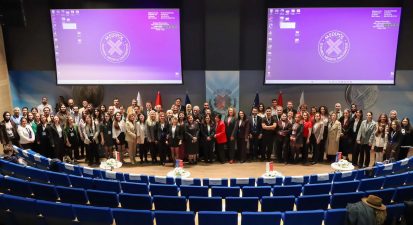
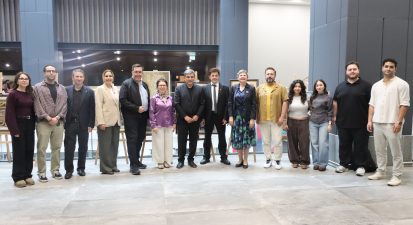
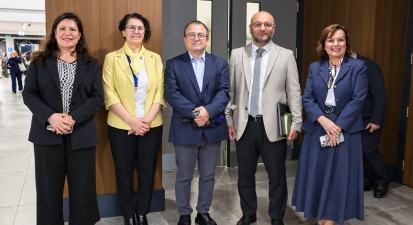
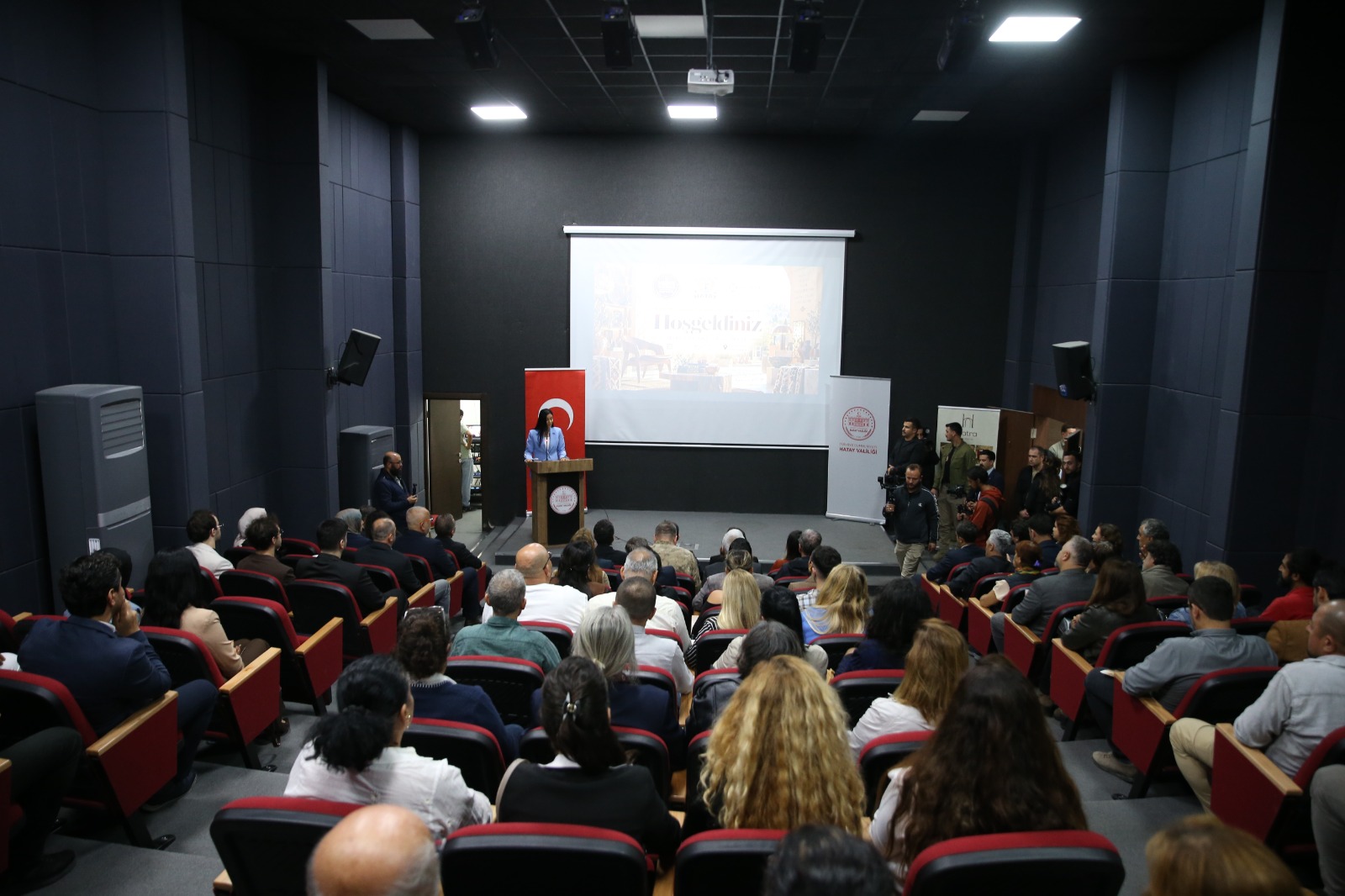
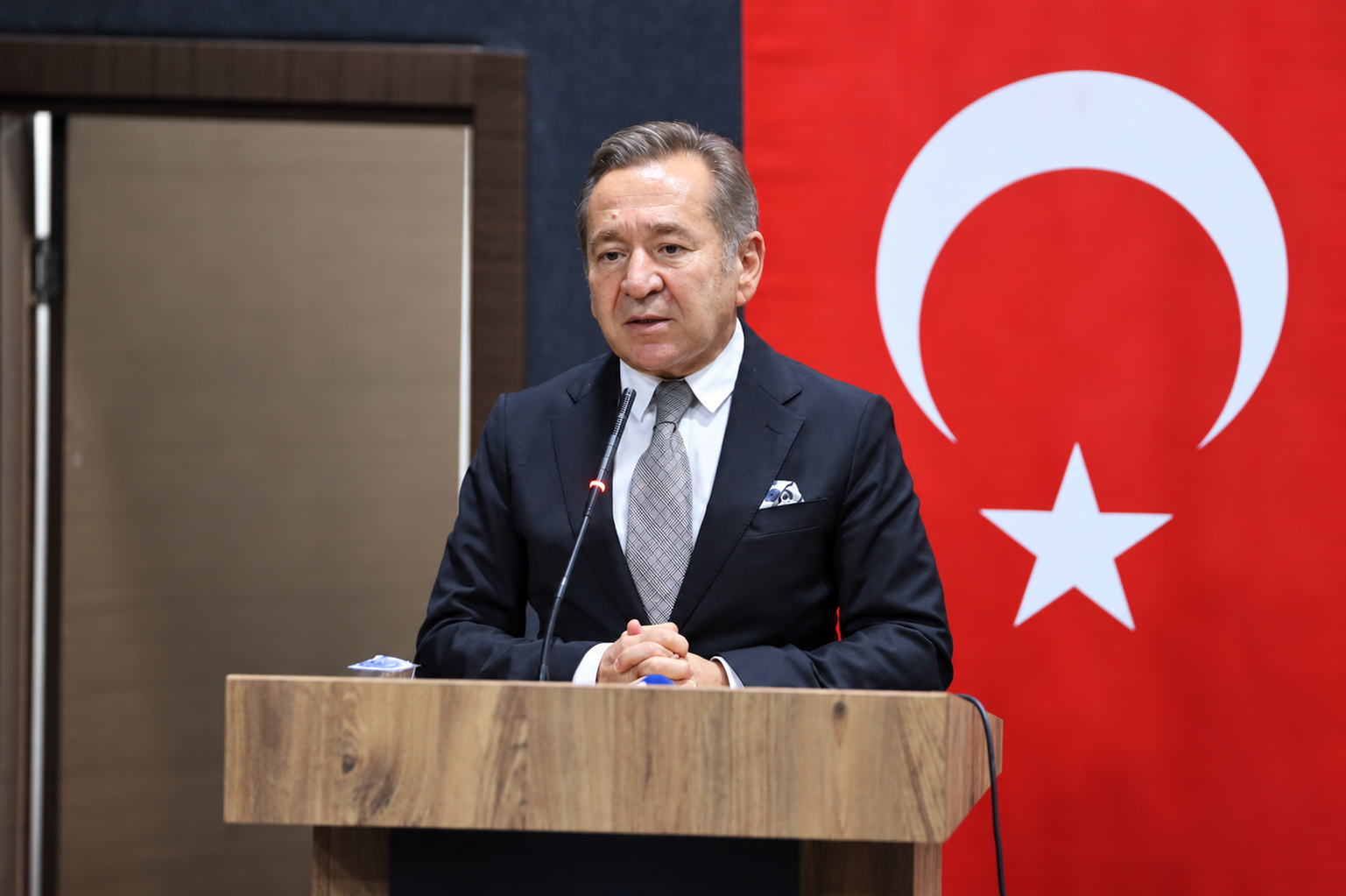
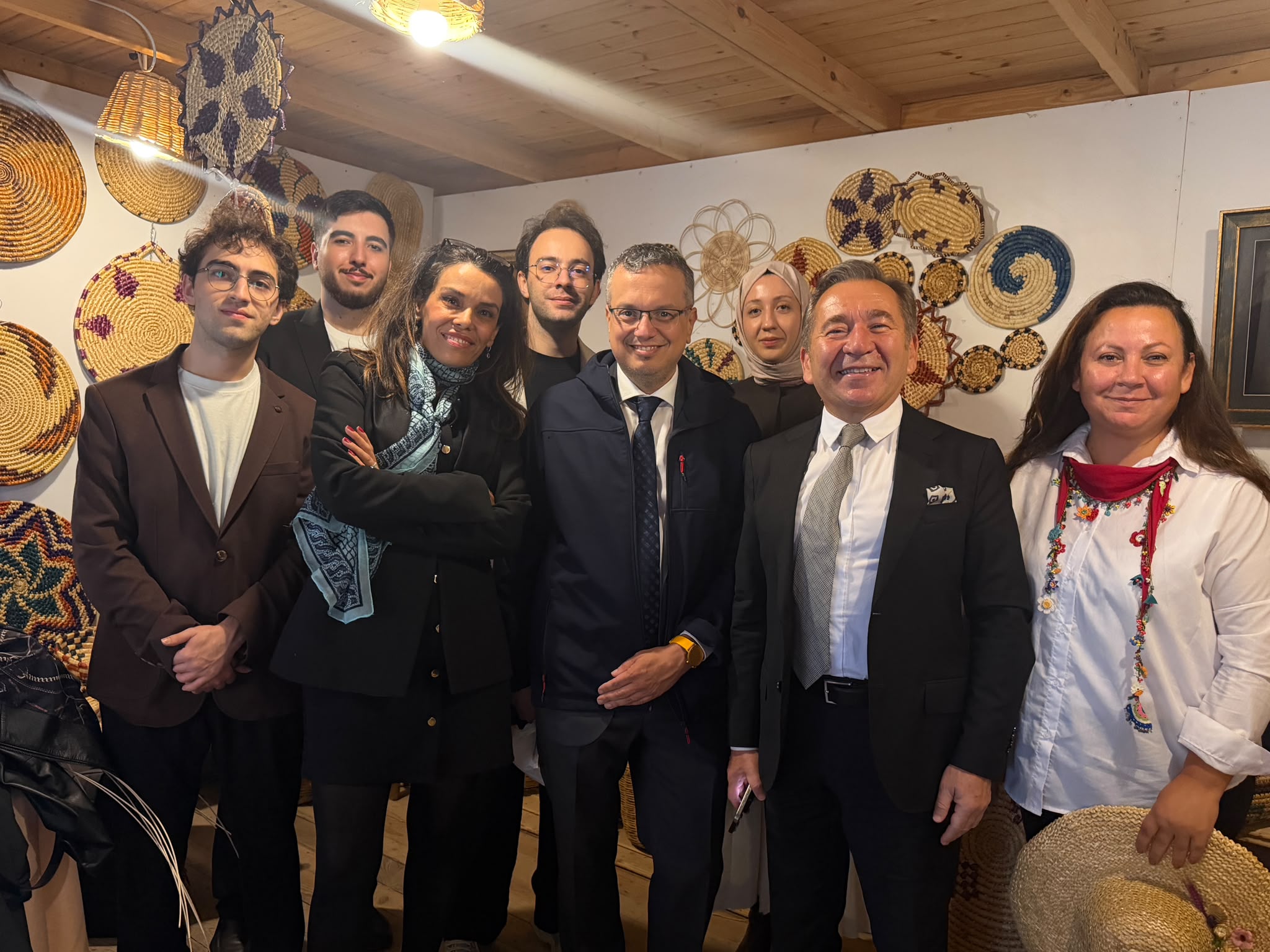
The project’s design and branding outcomes were introduced at a launch event held at the Hatay Culture and Arts Bazaar on October 16, 2026. The event was attended by Hatay Governor Mustafa Masatlı, Prof. Atilla Dikbaş, Dean of Istanbul Medipol University School of Fine Arts, Design and Architecture, as well as academics, students, and artisans.
FROM CULTURAL HERITAGE TO SUSTAINABLE PRODUCTION
The project aims to contribute to Hatay’s post-earthquake recovery from both cultural and economic perspectives. Its primary objectives include not only passing traditional craftsmanship on to future generations but also transforming this knowledge into products that respond to contemporary needs.
This approach offers a model for strengthening artisans’ production capacities, creating added value through design, and helping local products enter new markets.
At the same time, the initiative allows students to experience the social and economic dimensions of design by working directly with local craftspeople under real-world production conditions.
The project team included Assist. Prof. F. Ersin Alaca, Lecturer Hatice Armağan, and Prof. Başak Gezmen, alongside Industrial Design students Zehra Barut, Tuba Nur Canıtez, Harun Yiğit, Hirad Maleki Diba, and Hirbod Maleki Diba.
By bringing Hatay’s traditional craftsmanship together with contemporary design, the project demonstrates the potential of collaboration between universities and local producers to preserve cultural heritage and transform it into sustainable economic value.
Last Update : 19/10/2026 - 11:31